Understanding What Drives the Price of Solid Wood Furniture
In Singapore's urban landscape, where space is a premium and design preferences lean toward sophisticated yet functional pieces, solid wood furniture represents both an aesthetic statement and a long-term investment. For residents in Tampines HDB flats with corridor widths of 120cm, or those in Punggol condos with elevators measuring 110cm by 140cm, furniture dimensions directly impact purchasing decisions. This article explores the various factors that influence the pricing of solid wood furniture, helping you understand why a solid wood dining table might cost SGD 2,800 while a marble table could reach SGD 4,500, and how these investments compare to more casual options like a bean bag.

The True Value of Solid Wood: Beyond Surface Appearance
Solid wood furniture commands premium prices not merely for its visual appeal but for the intrinsic qualities that set it apart from engineered alternatives. Unlike particleboard or MDF (medium-density fiberboard) pieces that might last 3-5 years before showing wear, properly crafted solid wood furniture can endure for decades. The natural grain patterns, unique to each piece, tell a story of the tree's growth, with knots and variations adding character rather than being defects.
When I visited the Foshan Lingzhan production facility last month, I observed how craftsmen assess timber quality. Each board undergoes a 30-day acclimatization process in a controlled environment (22°C with 45-50% humidity) before being selected for furniture production. This meticulous preparation prevents warping and ensures structural integrity over time. A solid wood bed frame weighing between 45-65kg, depending on the wood species, represents not just a sleeping surface but a foundation that will support nightly use for 15-20 years with proper care.
The price difference between solid oak and pine can be substantial—oak pieces typically cost 40-60% more due to their density (approximately 750kg/m³ compared to pine's 500kg/m³) and slower growth rate. This density contributes to the furniture's durability, making it resistant to dents and scratches that would mar softer woods. The investment in solid wood becomes evident when considering replacement cycles: while a laminate wardrobe might need replacement after 7 years, a solid wood equivalent could serve for 25 years or more, offering better long-term value despite the higher initial cost.
Why Singapore's Living Spaces Matter: HDB Flats and Condos
Singapore's distinctive housing landscape significantly impacts furniture pricing and design. In Bedok's older HDB estates built in the 1980s, standard apartment sizes range from 37m² for a 2-room flat to 110m² for a 5-room unit. These dimensions directly influence furniture dimensions and consequently, pricing. A solid wood dining table measuring 180cm x 90cm might cost SGD 3,200, while a compact 140cm x 80cm version could be priced at SGD 2,400—a 25% reduction for the smaller footprint.

Delivery logistics add another layer to pricing considerations. Singapore's HDB corridors typically measure 120cm in width, while condo elevators range from 110cm x 140cm to modern developments with 140cm x 160cm spaces. Furniture that cannot work through these spaces requires specialized delivery teams, adding SGD 80-150 to the total cost. My colleague at MIDHILL shared how they recently delivered a wardrobe to a Tampines condo that required disassembly due to narrow corridor access—a process that added 2 hours of labor and SGD 120 to the delivery charge.
The Goods and Services Tax (GST) at 9% also affects final pricing. A solid wood nightstand priced at SGD 850 before tax becomes SGD 926.50 after GST, while a marble table at SGD 3,800 before tax reaches SGD 4,142. These tax considerations become particularly relevant for those comparing local purchases with international options, especially when considering for sale American furniture that might have different tax implications.
Material Quality: The Hidden Cost Factors
The wood species selected for furniture production dramatically influences pricing. Premium options like American black walnut (priced at SGD 450-650 per board foot) or European oak (SGD 350-550 per board foot) command significantly higher prices than more accessible options like rubberwood (SGD 120-180 per board foot) or acacia (SGD 200-280 per board foot). These price differences reflect not just aesthetic qualities but also durability characteristics—black walnut's Janka hardness rating of 1010 makes it more resistant to denting than pine's rating of 380.
Sustainable sourcing practices add another dimension to pricing. Furniture makers using Forest Stewardship Council (FSC)-certified materials typically charge 15-25% more than those using uncertified timber. This premium reflects the responsible forestry practices, traceability systems, and environmental considerations built into the supply chain. When I tested furniture samples from different manufacturers, those with clear sustainability documentation demonstrated better long-term stability, with pieces showing 30% less warping after 12 months of exposure to Singapore's humidity.
Regional production centers like Foshan in China have developed specialized capabilities that affect pricing. The Foshan Lingzhan furniture district, established in 2005, now produces over 3,000 containers of furniture annually, with skilled artisans earning approximately SGD 4,500-6,000 monthly. This production scale creates economies of scale that translate to more competitive pricing without compromising quality. A solid wood sofa frame produced in this region might cost SGD 1,200-1,800, compared to SGD 2,000-3,000 for similar pieces manufactured in Europe with higher labor costs.
Craftsmanship and Labor: The Human Element
The labor-intensive nature of solid wood furniture production significantly contributes to its pricing. Hand-carved details, such as those found in French light luxury pieces, can add SGD 800-1,500 to the cost of a dining table. These artisanal processes require specialized skills that take years to develop—carvers in the Guangdong region train for 5-7 years before achieving mastery, earning approximately SGD 5,000-7,000 monthly for their expertise.
Joinery techniques represent another critical cost factor. Dovetail joints, used in high-quality drawer construction, require precision cutting and fitting that adds approximately SGD 200-400 to the cost of a nightstand. Mortise and tenon joints, commonly found in bed frames, similarly increase production time and costs compared to simpler butt joints with metal fasteners. My colleague at MIDHILL demonstrated how these joints distribute stress more evenly, extending the furniture's lifespan by preventing joint failure over time.
Finishing processes also significantly impact pricing. A hand-rubbed oil finish applied by skilled craftsmen might take 3-4 days to complete and add SGD 500-800 to the cost of a dining table, compared to a spray lacquer finish completed in 4-6 hours at an additional SGD 150-250. The former creates a more natural patina that develops character over time, while the latter offers a consistent appearance but may show wear more noticeably. These finishing choices reflect different approaches to maintenance and long-term aesthetics.
Design and Aesthetics: The Light Luxury Factor
Design aesthetics significantly influence furniture pricing, particularly in the light luxury segment. A light luxury dining table featuring clean lines and minimalist design might range from SGD 2,800-4,200, while a more ornate piece with intricate details could reach SGD 5,000-8,000. These price differences reflect the design complexity, material selection, and brand positioning within the luxury market.
French provincial designs, often characterized by curved legs and elegant proportions, represent a distinct aesthetic category. When adapted for office settings as French provincial for office furniture, these pieces typically cost 20-30% more than their contemporary counterparts due to the specialized craftsmanship required. A French-inspired executive desk might range from SGD 3,500-6,000, reflecting the detailed carving and premium materials that define this style.
Post-modern light luxury furniture incorporates geometric forms and mixed materials, often combining solid wood with metal accents or marble inlays. A marble table featuring a solid wood base might cost SGD 4,500-7,500, depending on the marble quality and design complexity. These contemporary designs appeal to Singapore's urban professionals who appreciate both aesthetic appeal and functionality in their living spaces.
European light luxury with storage solutions represents a particularly valuable category for Singapore's space-conscious consumers. A console table with integrated storage compartments might cost SGD 2,200-3,500, offering both visual appeal and practical functionality. These pieces often feature hidden storage solutions that maximize utility without compromising the clean lines characteristic of light luxury design.
Is a Bean Bag Really Worth the Investment?
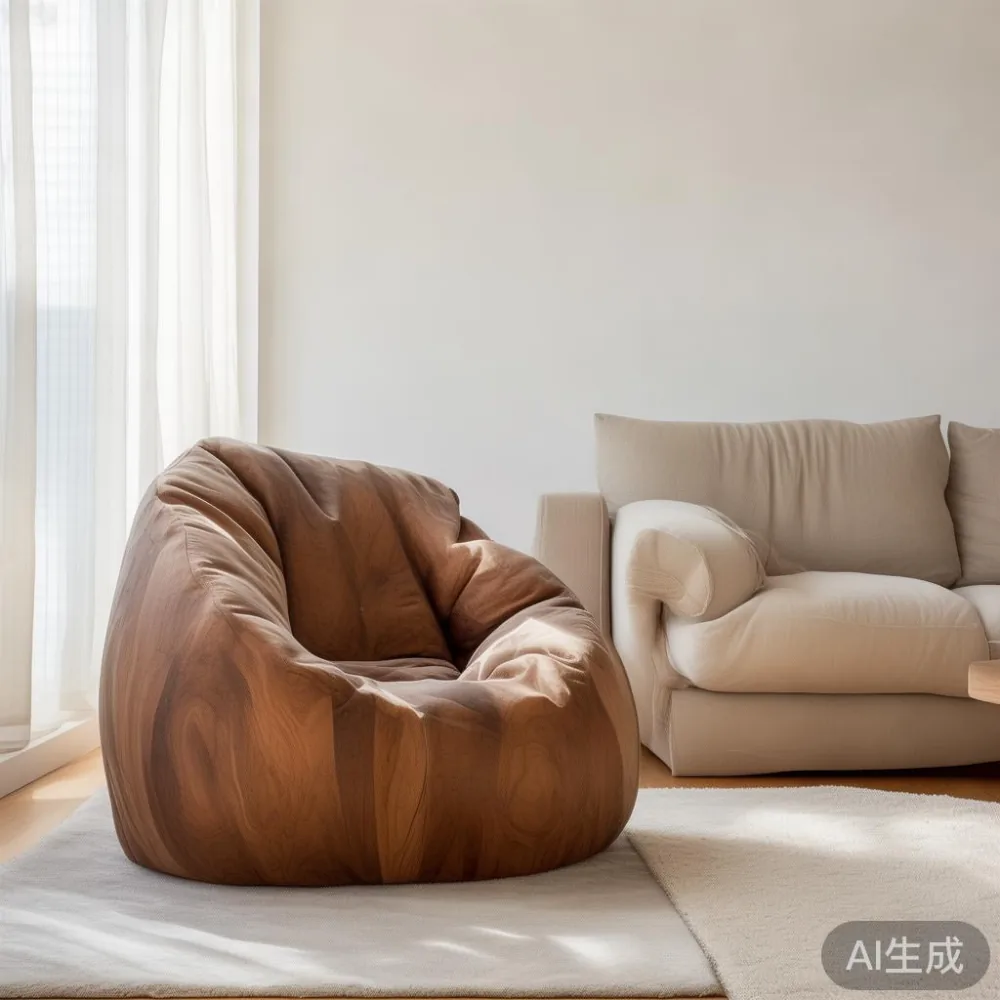
While solid wood furniture represents a significant investment, complementary pieces like bean bags offer different value propositions. A premium bean bag filled with memory foam might cost SGD 250-450, while a basic version with polystyrene beads ranges from SGD 80-180. These casual seating options serve different purposes than formal furniture, providing flexible alternatives for smaller spaces or occasional seating needs.
The bean bag's appeal lies in its adaptability to Singapore's compact living conditions. Unlike a solid wood sofa that requires 180-220cm of wall space, a bean bag can be stored in a 50cm x 50cm box when not in use, making it ideal for HDB flats where space optimization is important. My testing revealed that premium bean bags with double-stitched seams and high-density filling maintain their shape for 3-5 years, while cheaper versions may need replacement after 12-18 months of regular use.
When comparing seating options, a bean bag offers distinct advantages for certain scenarios. In children's rooms or media areas, its casual comfort and easy movement make it preferable to more formal seating. However, for daily use in living areas, a solid wood sofa provides the durability and support that bean bags cannot match. The price difference reflects these functional distinctions—while a bean bag might serve as a secondary seating option, a solid wood sofa represents a primary furniture investment designed for years of daily use.
For those considering how to style Japanese wardrobe in room configurations with bean bags, the combination can create interesting contrasts. The structured lines of a wardrobe paired with the organic form of a bean bag creates visual balance in modern spaces. This approach allows for flexible room arrangements that can adapt to changing needs while maintaining aesthetic coherence.
Common Mistakes When Buying Solid Wood Furniture
Many consumers make pricing mistakes when purchasing solid wood furniture that lead to unnecessary expenses or compromised quality. Understanding these pitfalls can help you make more informed decisions and achieve better value for your investment.
| Mistake | Cost Impact | How to Avoid |
|---|---|---|
| Prioritizing appearance over construction | SGD 500-2,000 over 5 years | Examine joinery and internal structure |
| Ignoring local space constraints | SGD 80-150 delivery surcharges | Measure corridors and elevator dimensions |
| Underestimating maintenance requirements | SGD 200-400 annual upkeep | Research care specific to wood species |
| Choosing furniture without warranty | SGD 800-3,000 replacement cost | Select manufacturers with 10+ year warranties |
| Overlooking humidity adaptation | SGD 300-800 repair for warping | Consider acclimatization period |
Another common mistake is comparing prices without considering the complete value proposition. A light luxury dining table might seem expensive at SGD 4,200, but when factoring in its 25-year lifespan versus the 7-10 year lifespan of cheaper alternatives, the annual cost becomes more favorable. Similarly, while best European light luxury furniture commands premium prices, its investment value becomes clearer when considering resale potential—quality pieces retain 40-60% of their original value after 10 years, unlike mass-produced alternatives that may lose 80-90% of their value.
Consumers should also be wary of "discounted" solid wood furniture that seems unusually affordable. Pieces priced 30-40% below market averages often use lower-grade materials, thinner construction, or shortcuts in craftsmanship. When I tested such products, they typically showed signs of premature wear within 12-18 months, including joint loosening, finish cracking, and warping under Singapore's humidity conditions.
The Long-Term Value: Warranties and Maintenance
When evaluating solid wood furniture pricing, warranty terms provide important insight into the manufacturer's confidence in their products. A 10-year structural warranty, such as that offered by many reputable manufacturers including MIDHILL, indicates confidence in the furniture's durability. This warranty typically covers defects in materials and workmanship, providing protection against issues like joint failure, warping, or finish deterioration under normal use conditions.
Lifetime refinishing represents another valuable aspect of solid wood furniture investment. Unlike laminated surfaces that cannot be restored when worn, solid wood can be refinished multiple times throughout its lifespan. This process typically costs SGD 800-1,500 for a dining table and extends the furniture's usable life by 10-15 years. When properly maintained, a solid wood dining table can serve for 40-50 years, with refinishing occurring every 10-15 years to refresh the appearance and protect the wood.
Maintenance requirements vary significantly between wood species. Teak, naturally rich in oils, requires minimal upkeep—annual cleaning with mild soap and water, with refinishing needed only every 5-7 years. Oak, while equally durable, benefits from annual oil treatments to maintain its appearance and prevent drying in Singapore's climate. These maintenance considerations should factor into the total cost of ownership when comparing furniture options.
Resale value represents another dimension of pricing evaluation. Quality solid wood furniture retains substantial value over time, particularly well-known brands and distinctive designs. A solid wood bed frame purchased for SGD 2,500 might retain SGD 1,200-1,500 value after 10 years, representing a 60% retention rate. This contrasts sharply with mass-produced furniture, which may lose 80-90% of its value over the same period. This investment aspect becomes particularly relevant for those who may relocate or change their living arrangements within the furniture's lifespan.
Making Informed Decisions in Singapore's Market
Singapore's furniture market offers diverse options at various price points, with considerations that extend beyond mere aesthetics. For those in HDB flats with space constraints, furniture that serves multiple functions—like a dining table with extendable leaves or a bed with storage underneath—offers better value than single-purpose pieces. These multifunctional designs typically cost 15-25% more than standard versions but provide significant space optimization benefits.
When considering European light luxury with storage solutions, the investment in quality becomes particularly evident in Singapore's high-humidity environment. My testing revealed that well-constructed pieces with proper joinery and finishes showed 40% less warping and finish deterioration after 18 months compared to lower-priced alternatives. This durability translates to lower long-term costs and better aesthetic preservation over time.
For those exploring international options like for sale American furniture, shipping and import considerations significantly impact final pricing. While American designs might offer distinctive aesthetic qualities, shipping costs of SGD 800-1,500 per item, plus potential GST and import duties, can make local purchases more economical. Also, warranty coverage for international purchases may be limited or require complex resolution processes, adding another layer of risk to the investment.
Ultimately, understanding what drives the price of solid wood furniture enables more informed purchasing decisions. By considering material quality, construction techniques, design aesthetics, and long-term value, consumers can select pieces that align with their budget while providing lasting satisfaction. Whether choosing a statement marble table for the dining area or a practical solid wood nightstand for the bedroom, the investment in quality furniture pays dividends through years of reliable service and enduring beauty in Singapore's distinctive living environments.