Styling a Small Singapore Apartment Without Making It Feel Crowded
I stood in a 65-square-metre BTO flat in Punggol last month with my colleague, sketching a layout on a roll of butcher paper. The client was a young couple with a corgi, and they had three non-negotiables: a sofa big enough for movie nights, a real dining table for dinner with their parents, and a spot to read that wasn't the bed. The previous apartment they rented in Bedok had been stuffed with furniture until every doorway felt like a throat. This time, they wanted breathing room — without giving up the pieces they actually use. That brief, repeated across Tampines, Toa Payoh, and Woodlands HDBs every weekend, is the puzzle this article tries to solve.
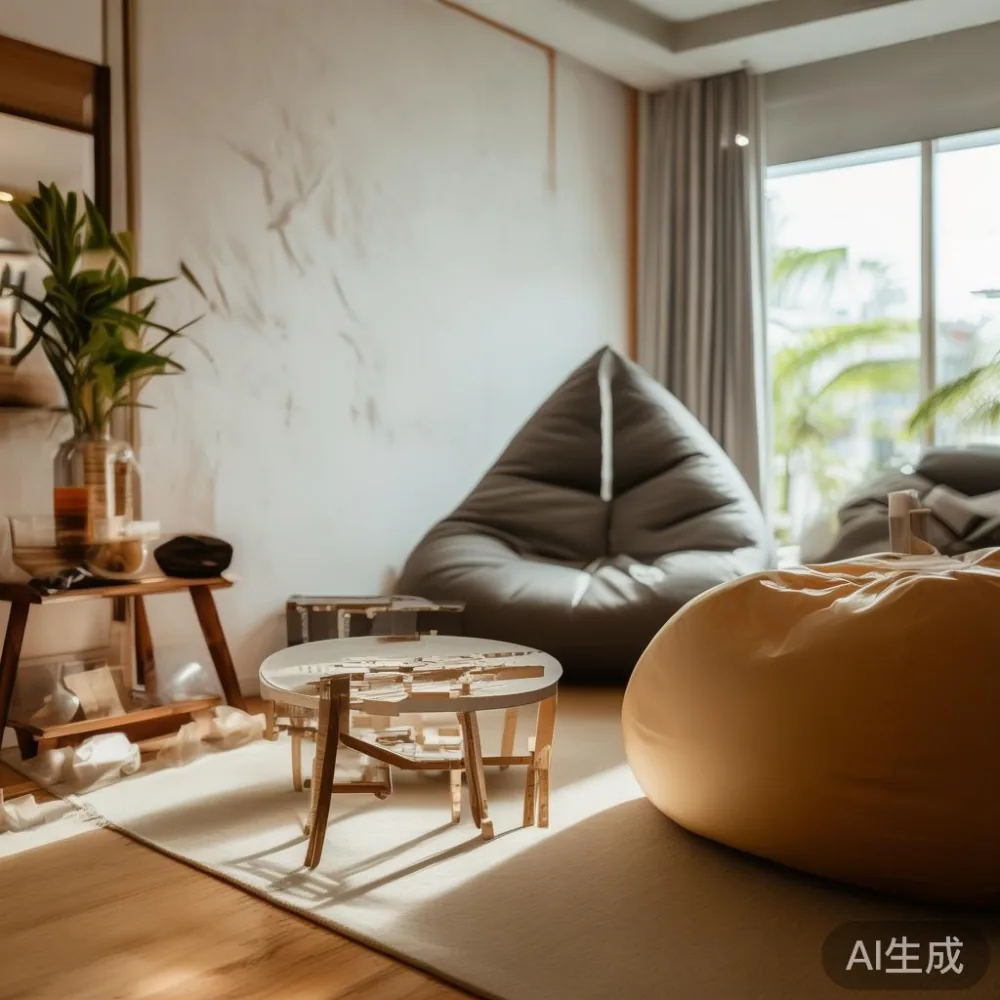
Compact Singapore living is its own design discipline. Corridors run 1.2 m wide, lifts cap at roughly 1.1 m by 2.1 m, and after the 9% GST on imported furniture, most households need every square metre to earn its keep. The trick isn't to buy less — it's to pick pieces that read quiet, scale correctly, and pivot between functions. A solid wood sofa with a slim 78 cm arm, for example, can seat three without shouting for attention. A marble side table measuring 45 cm across holds a coffee cup and a candle without blocking the walkway between the kitchen and the balcony. Nothing here is accidental; everything is measured.
Start with the Floor Plan, Not the Sofa
Before anyone falls in love with a velvet lounger on Carousell, measure the room. Then measure it again. In a typical 4-room HDB living room of around 18 to 22 square metres, leaving a 70 cm walking lane between the sofa and a TV console is the bare minimum; 80 cm feels relaxed. If your dining table needs to live in the same space, look for one that extends from 120 cm to 160 cm rather than buying a permanent 160 cm piece — your guests from Tiong Bahru will understand, and your weekday dinners-for-two will feel intentional.
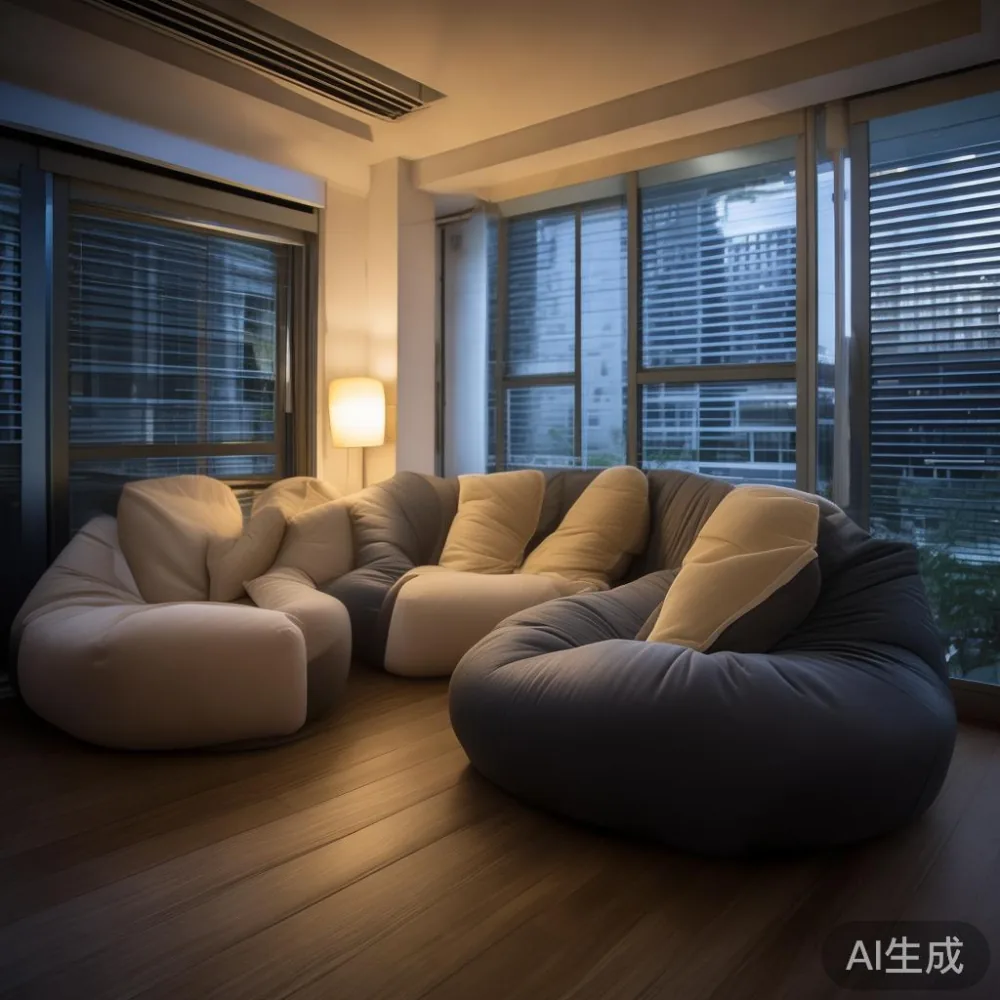
One Bishan couple I spoke with had been circling a 2.4 m solid wood sofa for months, convinced bigger meant cosier. Their 3.2 m wall could technically fit it, but with a 40 cm wardrobe depth on the opposite side, the room became a hallway. They swapped to a 1.8 m three-seater at 85 cm deep, added a single accent chair, and gained back almost 1 square metre of usable floor. The same logic applies to a bed frame — a queen at 152 cm by 203 cm is usually fine for two adults in a 9-square-metre bedroom, but a king at 183 cm by 213 cm needs a wall of at least 2.7 m to breathe.
Light Luxury, Heavy Restraint
French light luxury — the soft taupe, brushed brass, and barely-there curves you see in design magazines — works beautifully in compact flats because it relies on texture rather than ornament. A Post-modern light luxury coffee table in travertine with rounded edges reads expensive without bulk. For something with a little more attitude, American light luxury leans into caramel leather and walnut — try a low-profile solid wood dining table in ash, roughly 135 cm by 75 cm, paired with two chairs rather than four. The visual lightness comes from negative space, not from skimping on materials.
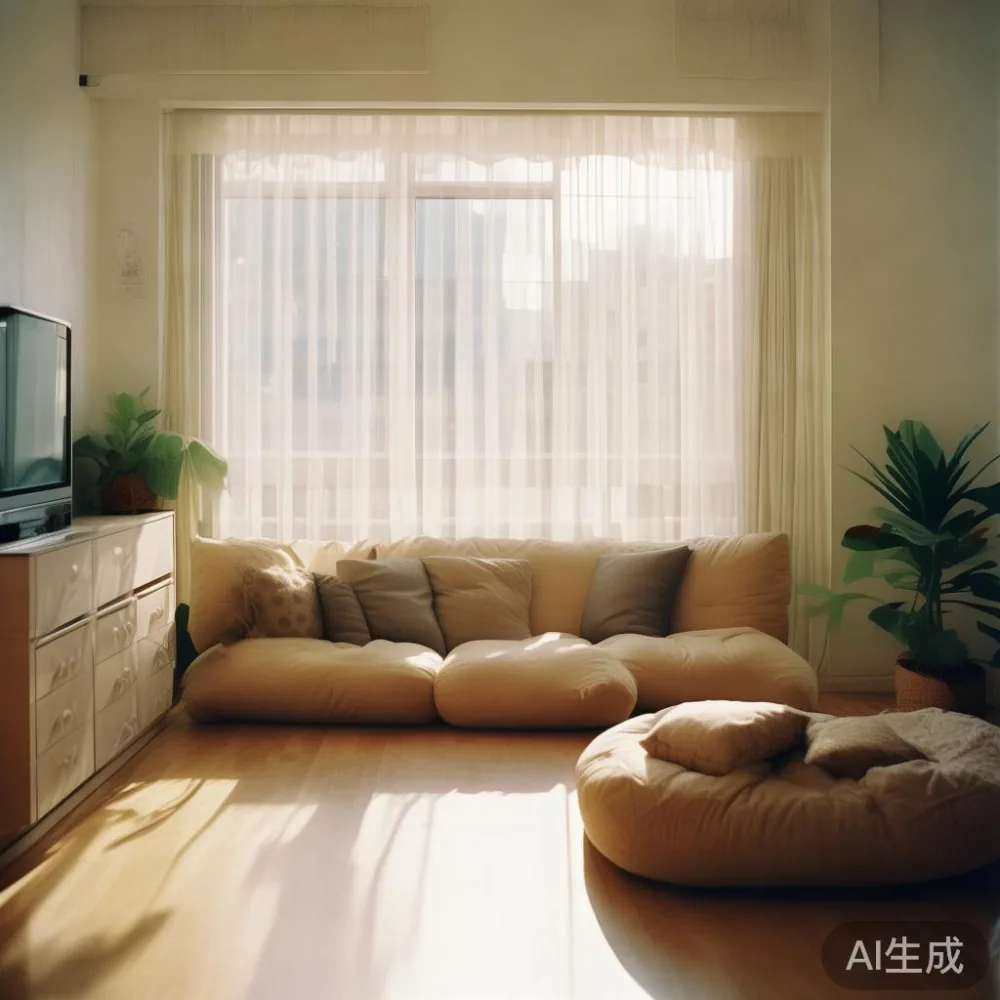
Mid-range pieces from Foshan makers have closed the style gap with European labels over the past decade. If you want the post-modern look for small living room layouts, look for casegoods under 40 cm deep and sofas with legs raised 15 cm or more off the floor — the floor shows through, and the room instantly feels taller. A 4-seater bean bag in boucle or performance velvet, for example, can replace a rigid armchair and stay nimble when you rearrange for a CNY gathering.
Can a Bean Bag Actually Look Grown-Up?
This was the exact question a client in Clementi asked me over a flat white. She'd written off bean bags as student furniture until she saw a structured bean bag chair — yes, with a backrest and armrests — upholstered in the same boucle as her 2.1 m solid wood sofa. The shape was intentional, the fabric was tailored, and the footprint was roughly 75 cm by 80 cm, smaller than her old armchair. Placed beside a slim floor lamp and a 50 cm marble table, it became the most-photographed corner of her flat. A 3-seater bean bag in a darker shade can anchor a reading nook under a window without forcing you to commit to a heavy loveseat. The bean bag category has matured: covers zip off for washing, fills can be topped up, and bases often include non-slip fabric so they don't skate across vinyl floors on delivery day.
Is Japandi Bed Worth It, or Just a Trendy Word?
Japandi is the slow marriage of Japanese restraint and Scandinavian warmth, and yes, for compact bedrooms it tends to hold its value — both stylistically and structurally. A genuine Japandi bed frame uses pale oak or ash with a low headboard no taller than 90 cm, tapered legs lifting the base 20 cm off the floor, and a platform that lets storage boxes slide underneath. In a 3.6 m by 3 m bedroom common to most Singapore condos, a queen Japandi bed at roughly 165 cm long by 215 cm wide (frames run larger than mattresses to allow for bedding) leaves about 70 cm on each side for a 45 cm deep nightstand and a 35 cm walkway. That geometry is what makes the room feel calm rather than squeezed.
If you're weighing a Modern light luxury bed against the Japandi route, the difference comes down to headboard height and trim. Modern light luxury tends to push the headboard to 110–120 cm with channel stitching or soft curves, which reads more hotel-like and slightly more imposing. Either works; the smaller your room, the lower you should keep the headboard to preserve ceiling height visually. A bed frame in solid rubberwood at around 38 kg is heavy enough to feel substantial but light enough that two people can rotate it during a spring cleaning.
Closets, Dressing Tables, and the Honest Math of Storage
Wardrobes are where most small-apartment budgets quietly explode. A 1.8 m wide wardrobe at 55 cm deep holds roughly 1.4 cubic metres of folded clothing — enough for two adults who rotate seasonally and vacuum-seal out-of-season pieces. Going 2 m wide sounds generous, but if your bedroom is under 10 square metres, the extra 20 cm will crowd your nightstand. Sliding doors save the swing space, and a 2.1 m tall wardrobe draws the eye up, which makes the ceiling feel higher.
The light luxury dressing table discussion usually comes down to one question: do you need a full vanity, or can a 90 cm by 45 cm wall-mounted desk do the job? Wall-mounting frees roughly 0.15 square metres of floor and lets the legs of a stool tuck underneath. Pair it with a round mirror at 60 cm diameter and a single drawer for cosmetics. If you're after something more architectural, an Industrial-style dressing table in metal and reclaimed timber looks deliberate without weighing the room down — though be honest with yourself about whether you'll keep the styling or end up stacking laundry on it within three months. If you want a discount hint to time your buy, our curation team (m idhillco) tracks end-of-quarter sales cycles that typically knock 8–12% off the displayed price on dining sets and beds.
Materials That Earn Their Keep in Humid Weather
Singapore's 80% average humidity punishes MDF, particleboard, and any paper-thin veneer within two monsoon seasons. Solid hardwood — ash, oak, rubberwood, or beech — holds shape and can be sanded and refinished when life happens. A solid wood dining table at 135 cm by 75 cm in ash weighs around 28 kg, sturdy enough to anchor a kitchen-meets-living space without feeling like a trade show booth. A solid wood sofa frame in beech can run 40 kg for a 2-seater; the weight is what keeps the cushions from sagging after two years of nightly use.
For accent pieces, marble tables in honed (not polished) finish hide fingerprints and water rings better than glass. A 50 cm round marble table at roughly 18 kg makes a solid landing pad next to a bean bag or accent chair. Marble does need a coaster under cold drinks, but it tolerates a wipe with a damp cloth — useful when a toddler inevitably sticks a sticky hand on it.
How Many Pieces Does a Small Flat Actually Need?
For a 4-room HDB or a 2-bedroom condo, the honest baseline sits around nine anchor pieces: a 2 m solid wood sofa (or a 3-seater bean bag plus a structured armchair), a coffee table or side table, a TV console at 1.5 m, a dining table with four chairs, a queen bed frame, two nightstands, a wardrobe, and a 90 cm dressing table or desk. Adding anything beyond that — a console in the entryway, a bookshelf, a bench at the foot of the bed — needs to replace something else or the room tips back into crowded. Designers call this the one-in-one-out rule; tenants in Bedok call it survival.
For households that entertain often, swap the second nightstand for a 35 cm wide side table on castors and roll it where it's needed. For households that work from home, let the dining table do double duty as a desk during the day and clear it by 6 pm. The cost of a designer light luxury furniture set from a single maker — sofa, dining table, bed, and two nightstands in matching solid wood — typically lands between S$4,800 and S$7,200 before GST in the current Foshan-to-Singapore shipping lane, with delivery inside 18 to 28 working days depending on stock.
Light, Colour, and the Quietest Tricks in the Book
Three small moves change everything. First, paint the ceiling one shade lighter than the walls, or use a soft white ceiling with a warm off-white wall — the eye reads more height. Second, hang curtains as close to the ceiling as the track allows and let them puddle 1 cm on the floor; the vertical line stretches the wall. Third, layer two light sources at different heights — a 35 cm linen shade at eye level and a 45 cm arc lamp overhead — so corners glow instead of falling into shadow.
Colour does the heavy lifting in compact rooms. Putty, oat, driftwood, and dusty sage outperform white because they absorb the warm 3000K bulbs most HDBs ship with. One accent wall in a deeper tone — say, terracotta or forest — adds depth without bulk. A solid wood sofa in putty boucle, a light oak dining table, and a single walnut bookshelf at the far end of the corridor is enough variety to keep the eye moving for years.
What About Delivery and Lifting Up the Lift?
Singapore lifts have changed the spec on what counts as apartment-friendly furniture. A 2.4 m wardrobe won't fit a standard HDB lift (about 1.1 m wide by 2.1 m deep, with a 1.9 m door height). Anything wider than 1.8 m, taller than 1.95 m, or deeper than 55 cm needs to ship flat-packed, or the corridor turn at your floor will reject it. Foshan makers have largely migrated to flat-pack solid wood by default — the pieces are bolted together on site, which also means a single person with an electric drill can assemble a queen bed frame in 35 to 50 minutes.
Most direct-from-Foshan shippers offer free delivery above S$350, with lead times between 14 and 32 working days from order. White-glove delivery to your door, two-man carry-in, and assembly typically adds S$80 to S$160 per order. Returns within 14 days are standard for unused pieces in original packaging, and a 10-year structural warranty covers frame integrity on solid wood furniture from serious makers. For households in Punggol, Sengkang, or the newer Tengah HDBs with shared loading bays, schedule morning deliveries to dodge the lunch-hour trade traffic and keep the lift priority to yourself.
When a Bean Bag Is the Smartest Seat in the House
After touring eleven flats across Tampines, Bukit Batok, and Holland V for this article, the piece that comes up most often in conversations with young tenants isn't a sofa or a bed — it's the bean bag chair. Not the vinyl sack of dormitory memory, but the structured, washable, fabric-covered version that's become a staple in compact living. A 4-seater bean bag at roughly 1.6 m wide can seat a couple plus two kids for movie night, then compress into a corner the next morning when a yoga mat comes out. A 1-seater at 80 cm by 90 cm fits beside a reading lamp without anyone having to commit to a bulky recliner. The flexibility is what makes a bean bag more than a casual seat — it's a soft piece of geometry that fits whatever shape your evening takes.
In summary, the difference between a cramped flat and a considered one comes down to four calls: the right scale, the right material, the right height under each piece, and the willingness to leave 15% of the room empty. Get those right and a 65-square-metre HDB can feel like a 90-square-metre apartment — without moving a single wall.