Caring for a Lacquered Surface in a Tropical Climate
I still remember the Sunday morning I visited my colleague Priya's new 4-room HDB flat in Tampines. She had just received a pale-oak lacquered dining table from a Foshan supplier, and within six weeks the surface had developed a faint cloudy ring under the air-con vent. The flat was on the 12th floor, west-facing, with afternoon sun blasting through the balcony for three hours. That single ring taught me more about lacquer care in Singapore than any spec sheet could. If you live anywhere from Bedok to Punggol, the climate you fight is not the climate on the box.
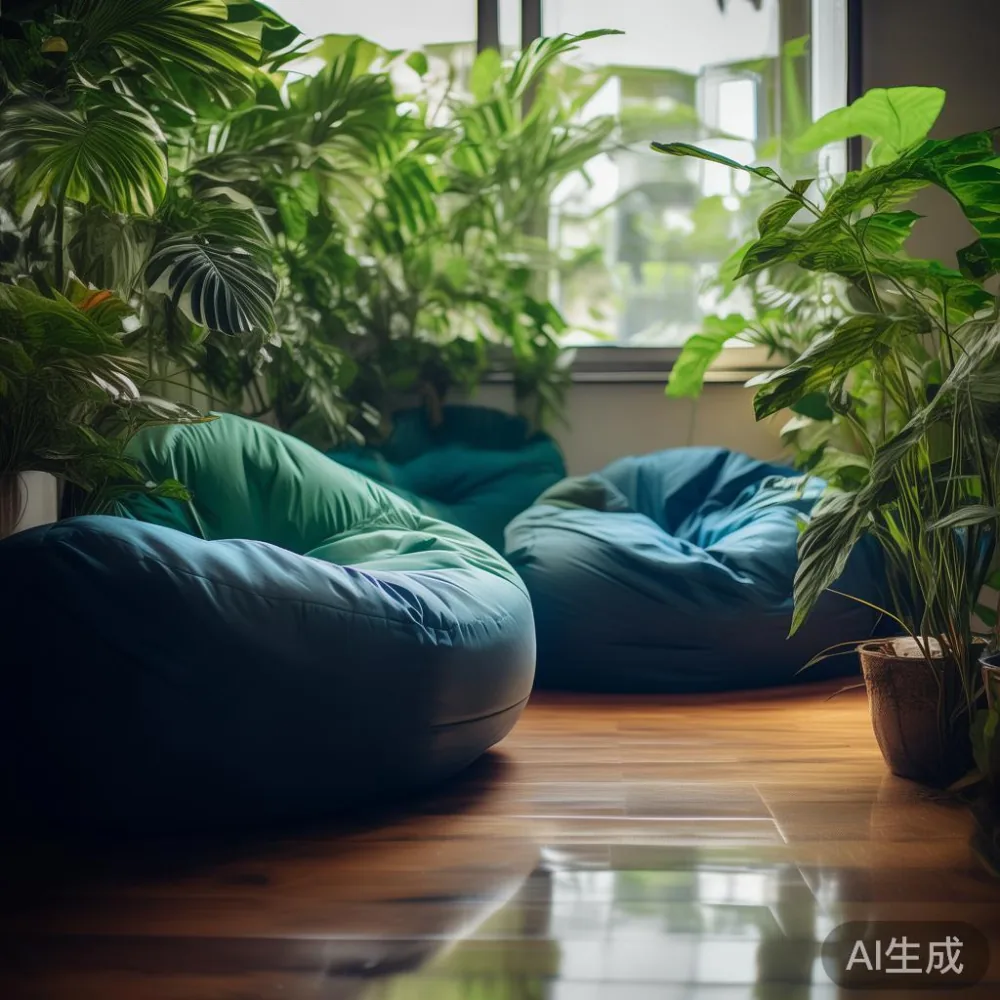
Singapore runs an average relative humidity of 78 to 82 percent year-round, with daily peaks above 90 percent during the November to January monsoon push and the April inter-monsoon showers. Indoor humidity in a non-air-conditioned corner of a walk-up HDB corridor unit can sit between 70 and 85 percent for weeks. Lacquer is a film finish, usually nitrocellulose, acid-catalysed, or pre-catalysed polyurethane. Each one hates two things simultaneously: liquid water that sits, and vapour water that diffuses through the coating over months. Understanding which one is attacking your dining table or your solid wood sofa frame is the difference between a 30-minute wipe and a S$600 respray at a Tampines workshop.
Why does lacquer behave differently in Tampines than in Toronto?
A finish that survives a Calgary winter at 20 percent indoor humidity is not the same finish that survives a Punggol afternoon at 88 percent. Lacquer, like wood, is hygroscopic. It absorbs and desorbs moisture with every shift in the dew point. When the dew point inside your flat climbs above the temperature of the table surface, water condenses on the lacquer as a micro-film. That film is what creates the white cloud (called blushing) you see after leaving a cold drink on a lacquered nightstand for 25 minutes, or the dull patches under a flower vase in a Bedok condo corner where the afternoon sun heats the surface to 38 degrees C and then the air-con cuts in.
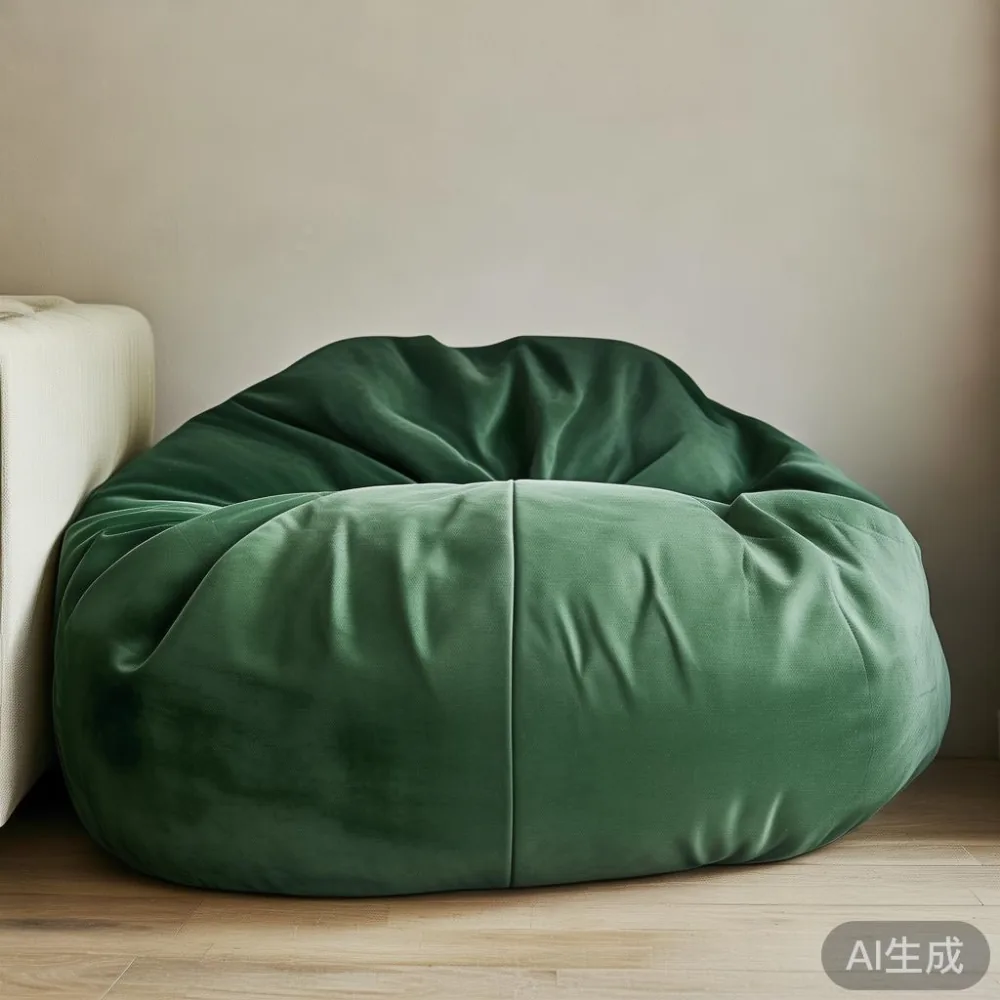
The three enemies to track are humidity above 75 percent sustained, direct UV that breaks down the resin binder, and thermal cycling above 8 degrees C between day and night. In a Singapore HDB, thermal cycling is rarely the problem (your air-con keeps swings to 4 or 5 degrees), but humidity and UV absolutely are, especially on balcony-adjacent pieces. A lacquered marble table on a west-facing balcony will craze (hairline cracks) within 18 months if untreated, while the same piece 1.2 m further back, away from the glass, often goes five years with no marks.
What is the right humidity range for a French light luxury lacquered piece?
For a French light luxury dining table or a French light luxury accent chair with a satin lacquer top, target 45 to 60 percent relative humidity at the surface, never above 65 percent for more than four hours at a stretch. A S$35 digital hygrometer from any Bedok Mall shop sits beside the piece, not on a wall 2 m away. Wall readings lie because walls breathe differently than a lacquered top. If your flat runs high, run a dehumidifier set to 55 percent in the dining area for eight hours overnight. A standard 10-litre Meaco or similar pulls 1.5 to 2.5 L per day in a 90 sqm HDB and uses about S$4 of electricity weekly at the current tariff.
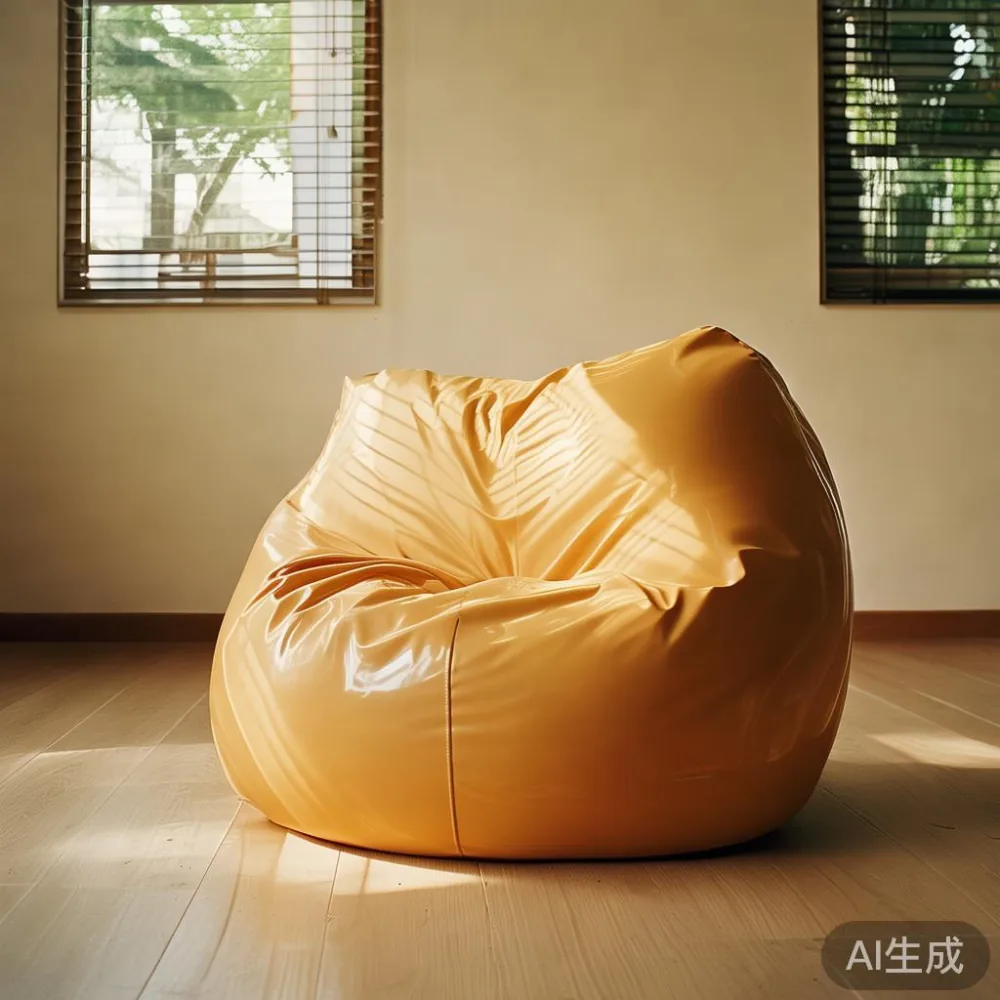
If you are choosing between a French sofa vs Japandi sofa for the living room, note that Japandi pieces usually ship in oiled oak or ash, which tolerate humidity swings far better than a French provincial lacquered carcase. If you want the post-modern light luxury gloss look, plan the climate control before the piece arrives, not after. Keep the lacquered item at least 30 cm from any air-con vent. Cold direct airflow causes condensation rings identical to the cold-drink ring on Priya's table, only bigger.
How often should I dust and wipe a lacquered surface in a HDB flat?
Dust weekly. Wipe with a damp cloth only when something sticks, ideally once every 10 to 14 days. Singapore dust carries fine construction grit from ongoing HDB renovation work in your block (almost every block in Tampines, Bedok, and Punggol has at least one unit under renovation at any given time). That grit is silica and calcium carbonate. Dry wiping drags it across the lacquer and creates micro-scratches that show as haze under raking light within a year.
Use a clean microfiber cloth (90 gsm or heavier, washed without fabric softener), lightly misted with distilled water. Hard water in Singapore averages 80 to 120 ppm of calcium, and tap-water wipes leave a calcium film that bonds to the lacquer over four to six weeks. I keep a 5-litre bottle of distilled water from Cold Storage for S$3.50 and refill a 300 ml spray bottle. One bottle covers about eight months of weekly wiping for a six-seater dining table and a 1.8 m sideboard.
Never use silicone polishes, waxes, or furniture sprays marketed as polish. They create a temporary shine that traps moisture underneath and accelerates blushing. If the surface looks dull after a year, the dullness is micro-abrasion, not a missing wax layer. The only fix is a light buff with a 3000-grit foam pad and a hand polish, which a Foshan-trained refinisher can do on site for roughly S$180 to S$260 per dining table top.
What household mistakes ruin lacquer fastest in a Singapore condo?
Three mistakes come up in almost every repair job I have seen. First, rubber or latex-backed placemats and coasters. The plasticiser migrates into lacquer within 30 days and leaves a permanent dark patch that cannot be buffed out. Use felt or cork only, and replace the felt every 12 months because it glues itself to the surface. Second, placing a lacquered nightstand or wardrobe door directly under a window that gets afternoon sun. UV breaks the urethane bond, and within 14 months the clear coat yellows or micro-cracks. Pull the piece 1.2 m back from the glass, or fit a 70 percent UV-rejecting film (about S$18 per sqm installed).
Third, ignoring air-con condensation drip. Many HDB ceiling cassette units drip onto wardrobes placed under them in the master bedroom. One drip per night for 90 days produces a white crater that goes through the lacquer into the stain layer. If you are placing a European-style wardrobe under or near a cassette, lift it on a 5 cm plinth and slide a cork sheet under the drip line. Customers often ask us is European wardrobe worth it in a Singapore master bedroom; the answer depends almost entirely on whether the wardrobe is engineered for 75 to 85 percent humidity, and whether the lacquer system used is acid-catalysed (better) or nitrocellulose (cheaper, more sensitive).
How do I choose a lacquer finish that survives Punggol and Bedok weather?
Ask the maker three questions before you pay a deposit. What lacquer system is used: NC (nitrocellulose), AC (acid-catalysed), or PC (pre-catalysed polyurethane)? AC and PC survive Singapore; NC rarely does past 36 months on a dining surface. How many coats, and what is the dry film thickness? Look for 4 to 6 coats with a total DFT of 90 to 120 microns. Thinner and you have no buffer against water; thicker and the film cracks under thermal cycling. Has the piece been acclimatised in a tropical warehouse for at least 21 days before crating? Foshan workshops in winter ship at 8 to 12 percent moisture content; Singapore sits at 18 to 22 percent. A piece crated at 10 percent and opened in a Tampines flat will absorb 1.5 to 2 percent moisture in week one, enough to cup a 2.4 m solid wood bed frame slat by 4 mm if the lacquer is not flexible enough.
For anyone weighing is Japanese sofa worth it for a small condo, the same principle applies: ask how the wood was dried and how the finish was cured. Japanese makers typically kiln-dry to 8 to 10 percent and use low-VOC UV-cured lacquer that handles equatorial humidity with very little movement. French provincial makers often hand-apply shellac or AC lacquer in 8 to 10 coats, which is gorgeous but needs climate-controlled rooms. Pick the finish that matches your flat, not the finish that matches the look you pinned.
What does a proper care routine look like week by week?
Week one: place the piece, level it with shims so humidity-induced movement does not stress joints, and leave 30 cm of clearance to walls for airflow. Week two: install a hygrometer beside the piece and log readings for 14 days, morning and night. Weeks three to fifty-two: dust weekly with a dry microfiber, mist-wipe every 14 days with distilled water, and inspect under raking light from a window once a month for early haze. Year two onward: book a professional inspection and a light buff once every 24 months. A Foshan-trained refinisher visiting a Singapore site typically charges S$120 to S$180 for an on-site inspection and minor touch-up, or S$280 to S$420 for a full top-coat renewal on a dining table or marble table surface.
If your flat is in a corridor-layout block with limited lift access (many Tampines and Bedok blocks run 1.1 m wide lifts and 1.2 m wide service doors), measure before ordering. A 2.4 m solid wood bed frame can usually come up a HDB lift if the headboard is shipped separately, but a 2.6 m wardrobe will not fit a 1.1 m lift and may need to be hoisted through a window, adding roughly S$450 to S$900 to delivery. Most Foshan exporters we work with, including the MIDHILL workshop, will pre-plan split shipments for tight HDB access at no extra crating charge.
How do I handle spills, water rings, and heat marks on lacquer?
Act within 60 seconds. Blot, do not wipe, with a dry microfiber. Then mist distilled water on the spot and blot again to dilute any residue. For a fresh hot-coffee ring on a dining table, this usually clears the blush within two hours as the moisture equalises. For a ring older than 24 hours, place a folded linen cloth over the mark and press a warm (not hot) iron on the cloth for 8 to 12 seconds. The heat re-dissolves the wax and resin in the lacquer and the cloth absorbs the blush. I have used this trick on a Priya's dining table twice now, and both times the ring disappeared without a refinish.
For deeper white marks that do not respond to the iron trick, the lacquer has likely blushed all the way through, and a professional respray is the only fix. Expect 5 to 7 working days off the table for a workshop refinish, or a same-day on-site respray for S$320 to S$480. If you are considering Mid-century modern for office furniture at home, the same rules apply: pick pieces with oil or hardwax finishes for the desk top if you cannot guarantee humidity control, and reserve high-gloss lacquer for pieces you can climate-manage.
When should I call a refinisher instead of trying to fix it myself?
Call a refinisher when the mark covers more than 30 sq cm, when you can feel a depression with your fingernail, or when the lacquer has peeled at a corner. DIY kits sold at home-improvement stores in Singapore (typically S$45 to S$90) are NC touch-up lacquer, which never bonds properly to a factory AC or PC finish and almost always yellows within four months. If you want to learn how to choose French provincial sofa care correctly, the answer is: do not touch the lacquer yourself beyond dusting and mist-wiping. Let a workshop handle anything that penetrates the film.
One final point on what to expect from a Foshan supplier. Most pieces, including those from the MIDHILL workshop I visited last quarter, ship with a 10-year structural warranty on the solid wood frame and a lifetime refinishing service for the lacquered surfaces. The lifetime refinishing is the real value in Singapore: a dining table bought once and refinished every 8 to 10 years will outlast three flat renovations. Factor that against the S$280 to S$420 per respray and the lifetime package pays for itself within 12 to 15 years.
For buyers who want to ask specific questions about a piece before ordering, including finish type, DFT, and acclimatisation time, drop a note to midhillco@gmail.com with your floor plan and the room's humidity range. A 10-minute email often saves a S$600 mistake. Lacquer care in the tropics is not difficult, but it is specific, and the right answer is always the one tuned to your actual flat, your actual block, and your actual humidity readings.