Lacquered Wood, Tropical Air: A Singapore Owner’s Care Guide for Sofas, Beds, Dining Tables and Wardrobes
Eight in twelve months, Singapore sits above 80% relative humidity. Lift landings in Tampines HDB blocks trap warm, wet air. A 1.2 m wide goods lift in a Bedok condo makes a 2.4 m long MIDHILL dining table arrive at your door still dry, still flat, still mirror-bright. The lacquer survived 12 days in a 40-ft shipping container and three weeks in a Jurong warehouse. Your 30-square-metre living room is the test chamber now. Furniture care here is not a generic routine from a temperate-country manual. The rules are written by the afternoon thunderstorm, the eternally-running air-con, and the children who treat a coffee table like a racetrack.

Whether you have just unboxed a 1.8 m solid wood sofa frame, a king-size bed, or a six-door wardrobe, lacquered surfaces behave predictably in this climate. Move predictably back. Below is what works, what fails, and what to do this afternoon.
Why Tropical Humidity Is Harder on Lacquer Than You Think
Lacquer is a thin, sealed film bonded to a sanded hardwood face. In a 22°C, 55% RH European showroom the film is stable. In a Punggol condo where the bedroom hits 30°C and 88% RH, the film absorbs moisture at its edges first. Over eight to ten months the film swells roughly 1-2% along the grain direction of any solid wood component, then contracts when the air-con pulls the room down to 24°C and 60% RH. That microscopic in-and-out motion is what produces the hairline cracks, the white haze under glassware, and the dull patches that look like the lacquer was never brilliant in the first place.
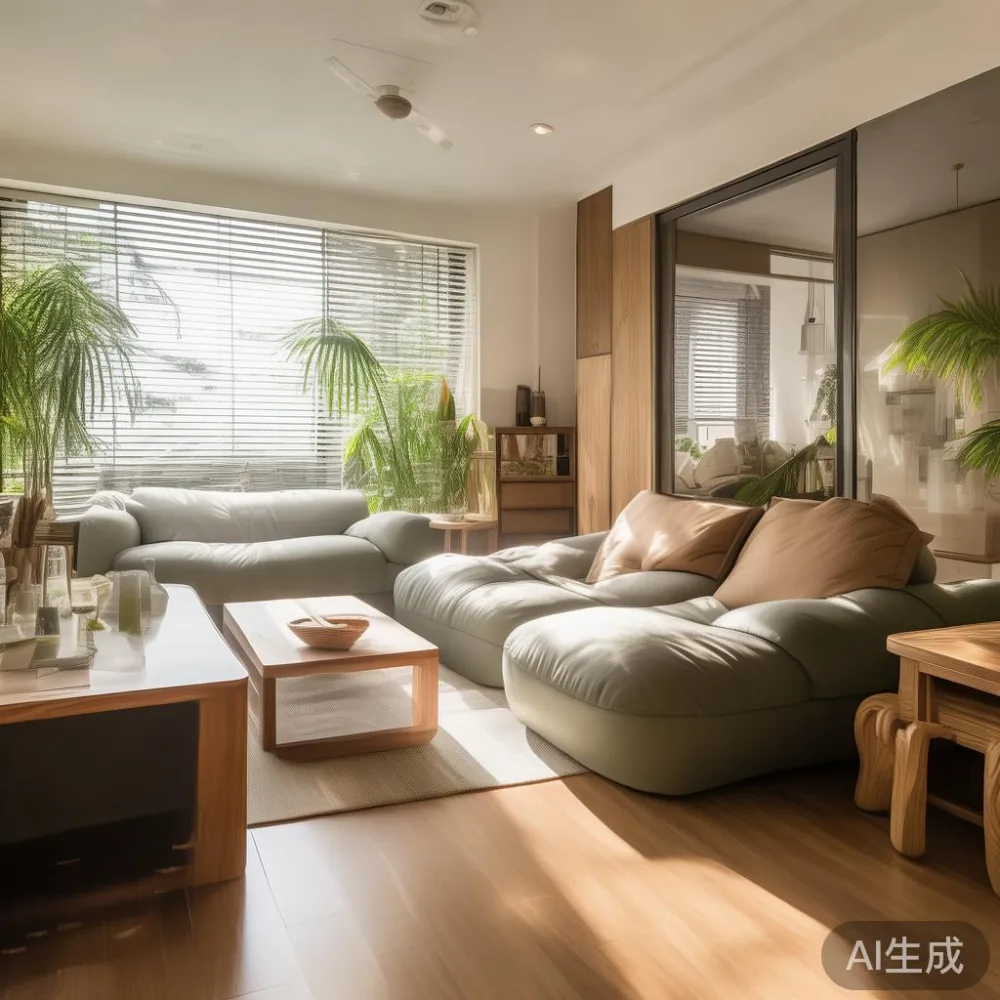
The floor of your HDB flat also matters. Ground-floor units in Tampines often read 2-3 RH points higher than the 9th-12th floor of the same block. A lacquered marble table sitting directly on a homogeneous tile floor will sweat from underneath each evening. A solid wood bed frame raised 8-10 cm on felt pads breathes on both faces, top and bottom, and is far less likely to cup the headboard by quarter-inch in two seasons.
The Daily 90-Second Routine That Saves Lacquer
Microfibre cloth, dry. Not damp, not sprayed, not dripping. Wring the cloth until your hand feels no moisture, then wipe along the grain of any visible face on the nightstand, the wardrobe doors, the dining tabletop, and the marble inlay of any American for dining room side piece. 90 seconds, every evening after dinner. That simple pass removes the salt-and-oil film that humid air deposits on lacquer overnight. Once a week, replace the dry cloth with one that holds two to three sprays of a pH-neutral cleaner, wiped in the same direction. Never ammonia, never silicone polish, never vinegar in undiluted form.
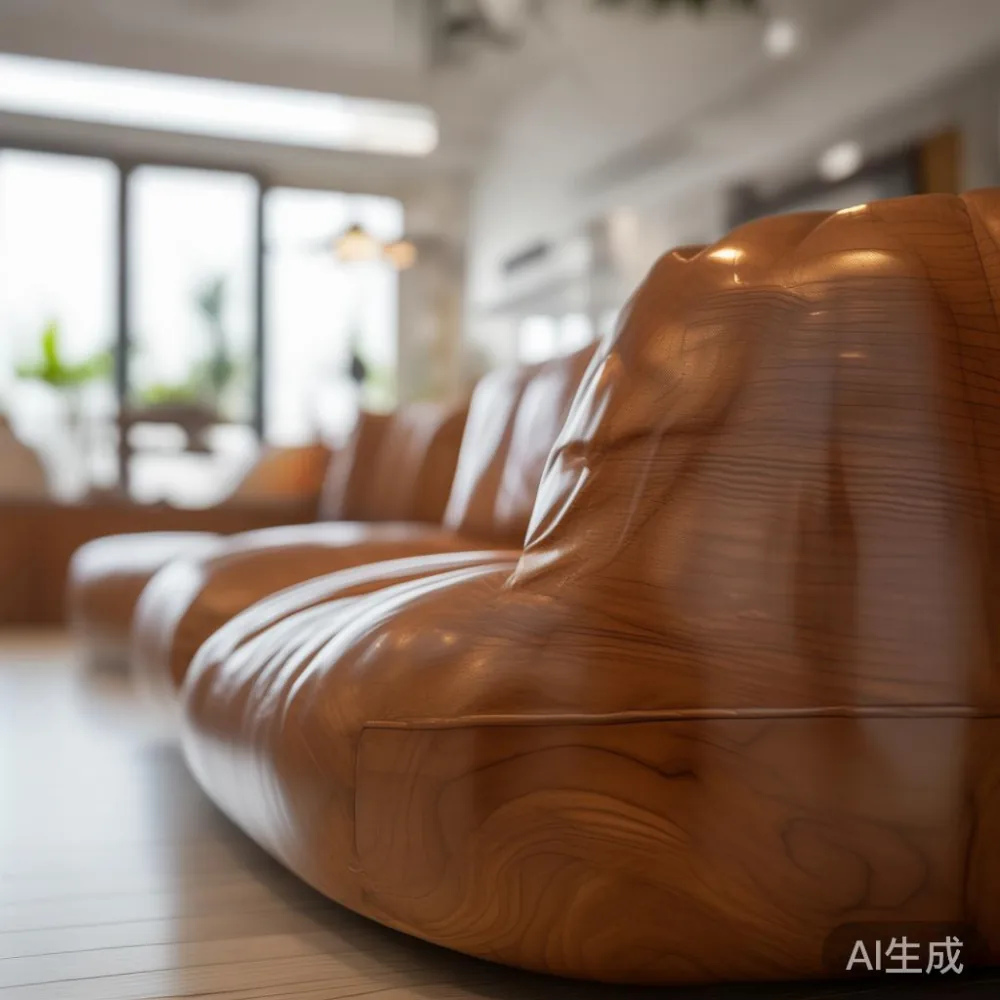
Coasters become a habit, not a chore. A 9 cm ceramic coaster under a cold mug is S$6 on Shopee. A respray of a dulled lacquer face after a single hot-pot night in a Punggol condo is a S$180-260 refinishing job at most workshops in Tai Seng or Defu Lane. Even one of those square cork pads under a MIDHILL dining table leg keeps the floor dry and the base from wicking moisture through the wood and into the lacquer film.
Does Air-Con Use Change How I Should Treat a Lacquered Bed Frame?
Yes, and this is the question I get from almost every new owner of a 1.5 m or 1.8 m lacquered bed. The answer is yes, because the drop from 88% RH at 7 pm to 58% RH at 11 pm after the air-con has run two hours is exactly the swing that opens micro-cracks in any lacquer face wider than 60 cm by 80 cm. Think of the headboard panel, the wardrobe door, a long dining top. Set the bedroom dehumidifier to a target of 55-60% RH, not lower. Below 50% and you trade one set of problems (moisture swelling, white blush, mould ring on the inside of the wardrobe) for another set (grain telegraphing, end-cracks at the wardrobe’s 2.1 m top rail, joint gaps on the nightstand drawer).
Last month I visited a four-room HDB in Tampines GreenRidges with my colleague, where the owner had kept her bedroom air-con at 20°C for 18 months running. The lacquered top of the dresser had a 4 mm visible gap along the back rail and a faint white ring under every perfume bottle. Two weeks after she raised the set-point to 24°C, set the dehumidifier to 55% RH, and moved the bottles onto a felted tray, the ring was still there but no new gap opened. That is the right trade-off in this climate. The lacquer survives, the electric bill drops by roughly S$45-60 a month, and the bedroom loses nothing in comfort.
How Often Should a Lacquered Wardrobe Be Refinished in Singapore?
A two-door wardrobe with a 1.6 m by 2.1 m main face, used daily, will hold its gloss 5-7 years if the routine above is kept. A six-door wardrobe that runs across an entire 3 m wall in a Bedok condo, with afternoon sun for two hours, will need a buff-and-wax at year four and a full respray at year 6-8. That is a rule that holds across any good brand, including a 10-year piece from MIDHILL, where the structural warranty sits at a decade and refinishing is available for the lifetime of the piece. Anyone who promises a 20-year lacquer life with zero maintenance in Singapore is selling something other than care advice.
For a deeper look at wardrobe styling in this climate, the same principles that govern how to style Japanese wardrobe in bedroom layouts translate directly to any lacquered piece: leave 5 cm of clearance at the back for air movement, never seal a wardrobe against a glass wall with a blackout curtain behind it, and let the dehumidifier run at least four hours after every laundry cycle.
Spills, Stains, and the Three Things You Must Never Put on Lacquer
Three things ruin lacquer in Singapore faster than anything else: standing water, rubber-bottomed objects, and acidic spills.
Standing water: a cold glass sweating on a dining table for 45 minutes during a thunderstorm. Wipe dry within 60 seconds; a white blush will reverse itself. Leave it four hours and the blush becomes a permanent ring that only a respray removes. The same goes for plant pots on a MIDHILL dining table. Felt pads or a saucer between pot and wood, every time.
Rubber: the black backing on a kitchen bin, the base of a laptop stand, the mat under a bean-bag chair. Rubber off-gases in heat and stains lacquer a yellow-brown that does not come out. Lift the bean bag onto a cotton throw instead, and let it rest on the throw, never on the lacquer face. Most Singapore owners I have spoken to keep a large floor cushion or two, exactly because a thrown bean bag is the easiest way to dent or stain a lacquered surface within months. The same applies to any American for dining room server or bench that sits within arm’s reach of the kitchen.
Acidic spills: soy sauce, calamansi juice, sambal. Blot, do not wipe, within 30 seconds. Wiping smears the acid into the film. Blot with a clean microfibre, then a swipe with a barely-damp cloth, then dry. Skip the wipe and you save yourself a respray.
Caring for a Lacquered Marble Inlay on the Same Dining Table
A marble-top or marble-inlay dining table, or a marble-topped coffee table, needs the same ambient rules as the lacquer around it, plus one more. Marble is porous. A 1.8 m by 0.9 m dining top with a 30 mm marble slab absorbs oil, soy sauce, and red wine in eight minutes if unsealed. Seal the marble once a year with a penetrating stone sealer, S$25-40 a bottle, and wipe spills within the same 60-second window as the lacquer face. The marble and the solid wood border do not move at the same rate in this climate, so expect a hairline shadow line at the join. That line is normal, cosmetic, and stays put for the life of the piece.
Choosing Furniture That Lasts Past the First Five Years
If you are still at the browsing stage, a few rules of thumb for buying lacquered solid wood in Singapore:
First, ask the showroom for the lacquer system, not the brand name. A 7-coat polyurethane or a 5-coat acid-catalysed lacquer will outlast a 3-coat NC lacquer every time in this humidity. Second, check the timber underneath. Ash, white oak, walnut, and teak all hold lacquer well; rubberwood is fine if the lacquer system is right, but is the cheapest substrate on the market. Third, ask how the panels are joined. Mortise-and-tenon or dowel-and-glue beats a screw-and-cam at every joint, especially on the wide faces of a wardrobe door or the long rails of a bed frame.
When you are ready to pick a sofa frame, anchor the choice to a piece with a kiln-dried hardwood frame and a hand-rubbed lacquer face, such as the best French sofa for 2026 collections built around American walnut or European ash. These frames hold up to the same humidity swings as the dining top, and the French light luxury silhouette keeps the proportions right in a 4.2 m by 3.6 m HDB living room. If your taste runs to an Italian light luxury bed with a tall channel-tufted headboard in cream bouclé, pair it with the same five-coat lacquer system on the bed rails so the headboard and the rails move as one piece through the seasons.
For buyers comparing silhouettes, the checklist for how to choose Mid-century modern sofa in Singapore also helps: tuxedo arms, low backrest, walnut base, raised 9 cm off the floor. That clearance is your air-con airflow and your dehumidifier airflow in one. For an upstairs guest room, the best Industrial bed for 2026 with an iron-and-ash frame keeps the lacquered faces small, the air movement high, and the long-term care to a weekly microfibre pass.
What a Solid Warranty Should Cover in This Climate
A 10-year structural warranty on a lacquered piece, paired with lifetime refinishing access, is the only honest offer in a tropical market. Anything shorter, and the brand is betting that you will live with a faded table before the warranty clock runs out. Anyone selling at 1-year, 3-year, or 5-year structural cover on a lacquered dining table in Singapore is not selling a furniture piece, they are selling a refresh cycle.
Free shipping above a modest threshold (around US$350 landed) is also worth more here than it sounds, because the alternative is a 3-hour Jurong-to-Tampines haul in a lorry whose tarp you do not fully trust in a surprise storm. Fourteen-day returns, from the day the pieces are placed in your flat, gives you the time to see the first humidity cycle and decide whether the silhouette and the finish match your room.
A Simple Quarterly Check You Can Do in Ten Minutes
Every three months, set a reminder. Walk through the flat with a soft cloth and a small torch. Look at the top rails of wardrobes, the uppers of headboards, the surface around the dining table centre, and the back panels of any nightstand pressed against a wall. If you see a dull patch, run a dry cloth over it. If the patch lifts, the lacquer film is intact and you have just lifted surface grime. If the patch stays, photograph it, log the date, and book a touch-up with the maker within the next quarter. Ten minutes, four times a year, and the lacquer on a five-piece set holds its gloss for as long as the solid wood frame underneath does.
What If I Already See a White Haze or a Cracked Panel?
White haze on the surface, no visible crack: blot with a barely-damp microfibre, then buff dry. Repeat weekly until the haze is gone, usually within three to five weeks. White haze with a crackled feel under the cloth: the lacquer film has failed at that face. Stop polishing. Book a localised respray with a finishing shop that can colour-match your existing sheen (matte, satin, semi-gloss, high-gloss). A localised respray on a 0.5 sqm panel runs S$120-200 in Singapore. A full-piece respray on a 1.8 m dining top runs S$280-450. Neither is cheap, but both are cheaper than buying the piece again, and a good shop will mask the join so the respray face is invisible six months later.
Cracked panels on a wardrobe door, a bed rail, or a dining top: stop using that face, take photos, and contact the maker. If the structural warranty covers the panel and the lacquer, the panel will be replaced in one site visit, typically 21-28 working days after the warranty claim is logged. If the panel is past warranty, a woodworker in Geylang or Defu Lane can replicate a 60 cm by 90 cm rail for S$90-160 plus finishing. Either way, do not patch a cracked lacquered face with furniture markers or crayons; the patch will not move with the wood and will split within the first quarter.
How Long Should a Lacquered Set Last in Singapore?
Honestly? A good lacquered set, cared for with the routine above, should give you 12-18 years of daily use in a non-air-conditioned balcony, and 20+ years in an air-conditioned living room. Refinish the high-touch faces once at year eight, again at year fifteen if you want, and the set will outlast the next two sofa upgrades and at least one wardrobes-for-the-kids decision. The set is not fragile. It simply needs the same attention any lacquered surface in any tropical capital needs: dry cloth, dehumidified air, no standing water, no rubber, and a maker who stands behind the warranty long after the cardboard box is recycled.