How to Match Furniture to a Warm Minimal Interior Without Losing the Cosy Feel
Warm minimalism is the look most HDB homeowners in Tampines, Punggol, and Bedok are quietly chasing in 2026: clean lines, no clutter on the TV console, but the room still feels like a home, not a showroom catalogue. The trick is pairing a minimal silhouette with materials that carry warmth — solid wood, brushed brass, unglazed ceramic, woven textiles. Done well, a 90 sqm four-room flat can feel like a small boutique suite in a Design District condo. Done badly, it feels like a dentist waiting room with plants.
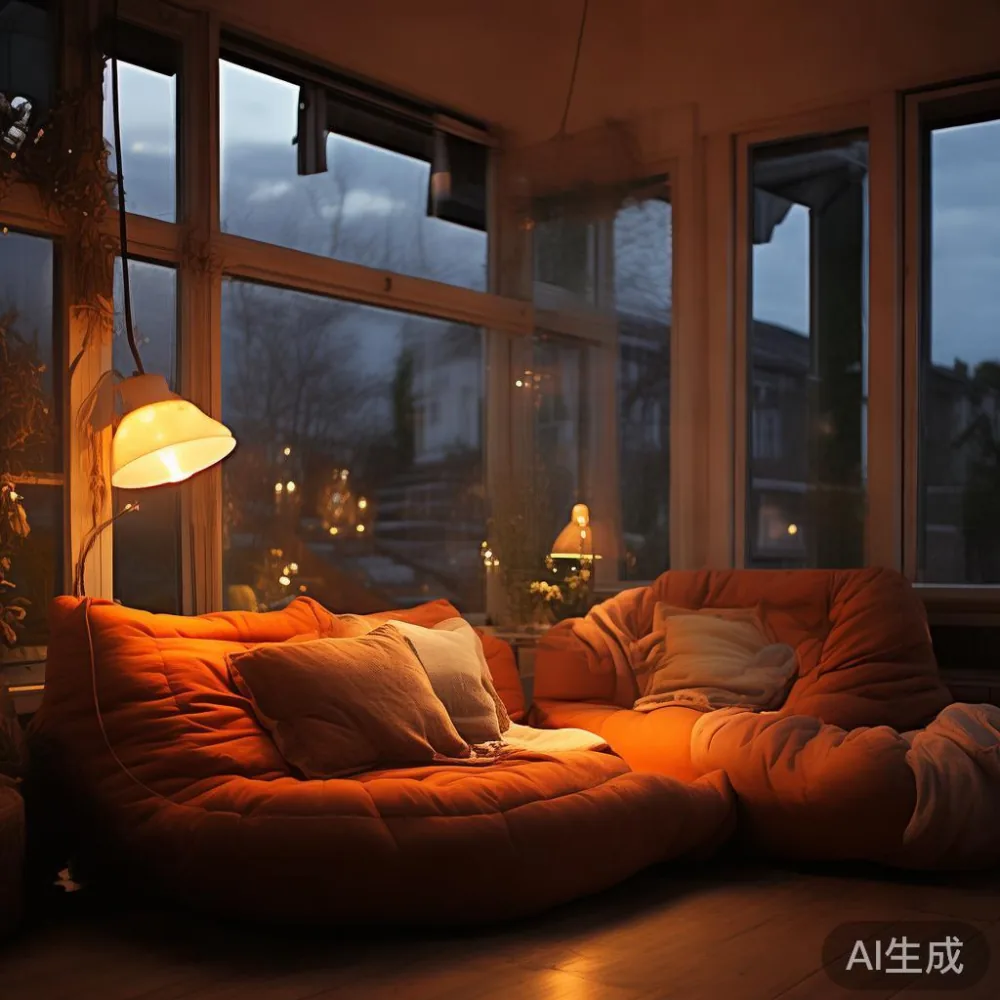
Over the last six years I have fitted out three homes of my own, walked through more than forty HDB and condo renovations across the East, and tested pieces from a handful of solid wood specialists. One of the suppliers I keep coming back to is MIDHILL out of Foshan — I bought a solid oak dining table from them in 2023, and the 10-year structural warranty has already saved me a leg-reattachment job after my kids climbed it. For this guide I am going to walk through what warm minimal actually means in a Singapore context, the furniture pieces that earn their place, and the small measurements that decide whether your wardrobe will fit up the service lift of a Punggol EC.
What "warm minimal" actually means in a Singapore HDB
Warm minimal is a hybrid style. It borrows the restraint of Japanese interiors — low furniture, generous negative space, matte finishes — and warms it up with materials and tone. Think a pale oak dining table instead of white laminate, a boucle accent chair instead of a grey plastic shell, and a linen sofa cover in oat or sand instead of stark ivory. The colour palette usually sits in the cream-to-clay range, with one or two darker anchors (walnut bookcase, black steel lamp arm).
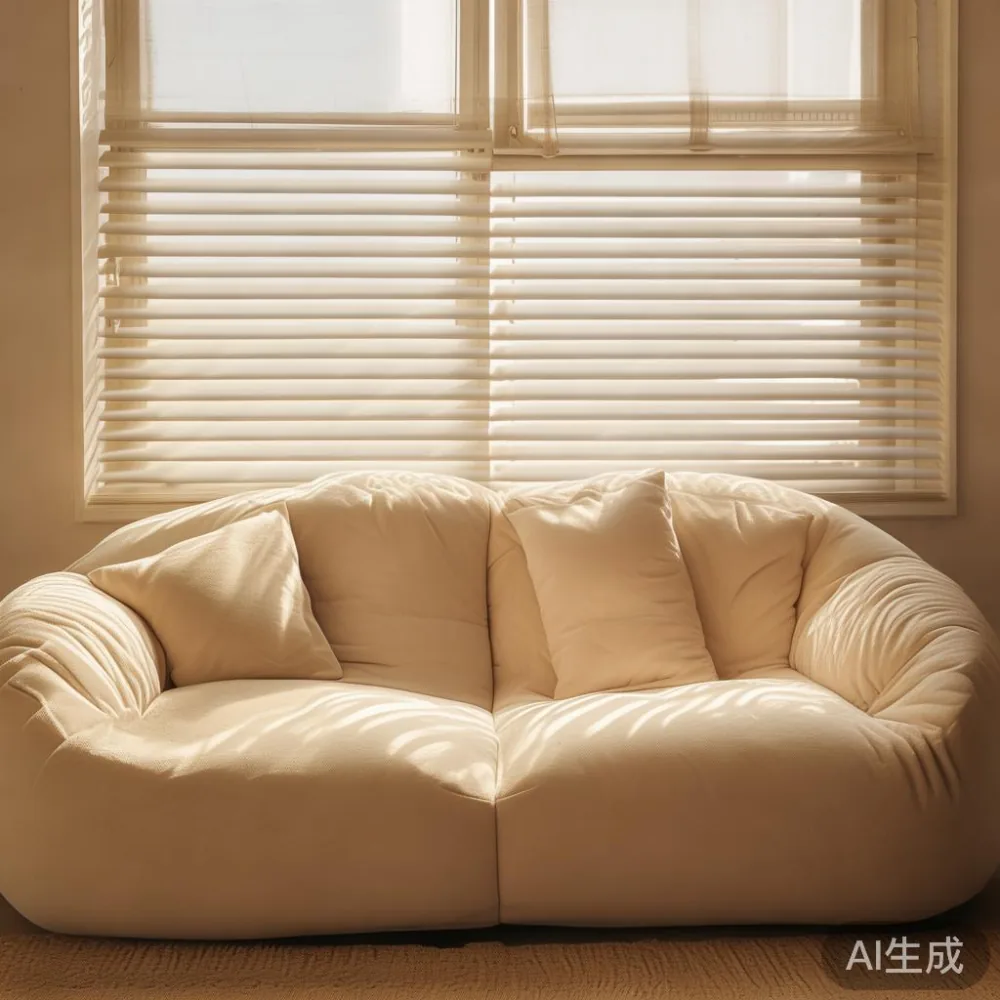
For a standard HDB 4-room flat around 90 sqm, you are usually looking at a 2.4 m ceiling height and a 1.0–1.2 m corridor width from the lift lobby to the front door. That is enough for most modular sofas under 2.2 m in length, but it rules out oversized American sectionals. Before you fall in love with a piece on a brand's website, measure your lift opening (typically 0.9 m wide, 2.1 m tall in older blocks) and your corridor turn. I learned this the hard way trying to bring a 2.4 m marble table up to a 14th-storey BTO in Bedok — the turn at the staircase defeated it and I had to return it, losing the S$120 delivery fee in the process.
Which furniture pieces anchor the look?
In a warm minimal living room, three pieces do most of the heavy lifting: the solid wood sofa frame (or sofa set), a low coffee table or marble table, and one large storage piece such as a TV console or open shelving unit. A solid wood sofa with a beige linen-blend cushion works particularly well because the wooden arms and legs read as warm, while the cushion still photographs clean. Ask before buying whether the frame is solid oak, ash, or rubberwood — rubberwood is fine for cost but cannot be refinished as many times as oak.

For a Bedok five-roomer, a 3-seater around 2.0–2.2 m wide usually fits opposite a TV wall of 2.4 m. A 4-seater European light luxury sofa style (curved back, channel tufting in cream bouclé) can also work, but check the depth — anything over 1.05 m will dominate a 3.2 m living room once you add a coffee table and rug. For smaller Tampines 4-room units under 1,000 sqft, a 1.8 m two-seater with a single accent chair keeps the walkway to the balcony open.
The dining zone needs the same restraint. A rectangular solid oak dining table at 1.6 m × 0.9 m seats six comfortably and still leaves 0.9 m of walking space on both sides in most HDBs. If you entertain often, push to 1.8 m × 0.9 m. Keep the legs simple — a U-shape or trestle base — so the visual mass stays low. Pair with upholstered dining chairs in oat fabric, not leather, because leather reads cold under Singapore air-conditioning set at 23 degrees.
What about the bedroom pieces — bed frame, wardrobe, nightstand?
The bedroom is where warm minimal either sings or feels sparse. For a queen-size bed frame around 1.6 m × 2.0 m, give yourself at least 60 cm of clearance on both sides for a 50 cm-wide nightstand and walking space. A king at 1.8 m × 2.0 m needs a room of at least 3.2 m × 3.4 m to feel uncramped — anything smaller and the room reads as one large mattress.
Headboard height changes the whole mood. A 110 cm tall upholstered headboard in beige linen adds the "warm" to minimal bedrooms. A low 65 cm wooden headboard leans more Scandinavian, which still fits the palette but reads cooler. Both are defensible choices; pick the one that matches your wardrobe door style.
The wardrobe is the big decision. A 2-door sliding wardrobe around 1.8 m wide and 0.6 m deep fits a standard HDB bedroom without eating the walkway. If you share with a partner and own a lot of clothes, a 3-door at 2.4 m wide is the practical ceiling — past that you start losing wall space for the air-con compressor pipe. Internals matter more than the door finish: two hanging rails at 1.7 m and 1.0 m, three drawers at the bottom, and a single shelf above. If you are browsing options for a wardrobe upgrade, it is worth comparing against any current list of the best Japanese wardrobe for 2026 because Japanese brands tend to design deeper drawer boxes and softer-close rails than entry-level European imports — and you can often find that style of wardrobe under "for sale Japanese furniture" listings at warehouse sales in Singapore.
For the nightstand, a 45 cm cube in the same solid wood as the bed frame keeps the room quiet. Avoid glass or mirror top nightstands in warm minimal — they fight the palette.
How do I keep the warm minimal living room from feeling cold?
This is the most common question I get from clients renovating in Punggol. The answer is usually a combination of three things: texture, wood tone, and one accent that breaks the rule.
Texture first. A linen sofa, a boucle accent chair, a jute rug under the coffee table, and a ceramic table lamp base together will warm up a room that would otherwise feel like a white box. Aim for at least three different textures in the living room. A common beginner setup is one textured sofa plus everything else smooth — that is not enough.
Wood tone second. Pick one warm wood and stick with it across the dining table, the bed frame, the nightstand, and any shelving. Oak, ash, and walnut all work; mixing oak with walnut is acceptable if the tones are within a shade of each other, but mixing oak with reddish mahogany will break the calm.
One rule-break. Allow yourself one accent that does not match. A vintage Beni Ourain rug, a single black steel floor lamp, a piece of abstract art in deep ochre. Without that accent, warm minimal drifts toward hotel-lobby neutral.
And one reality check on sofas: do not skip the comparison between a European light luxury sofa vs Japandi sofa before you commit. European pieces tend to push the curve, the channel tufting, and the bouclé fabric. Japandi pieces stay lower, with straighter lines and a thinner cushion profile. In a 90 sqm flat, the Japandi scale usually wins. In a 1,200 sqft condo with a 3.5 m feature wall, the European silhouette earns the space.
How to style French provincial bed in room without losing the minimal feel?
It feels contradictory, but a single French provincial piece can actually lift a warm minimal room — provided the rest of the room stays restrained. The French provincial bed arrives with carved details, a curved headboard, and usually a distressed cream or soft white finish. To keep the room minimal, mute everything else: plain bedding in oat or undyed linen, no carved nightstands, no ornate mirror. One ornate piece plus eight quiet pieces reads as "curated". One ornate piece plus seven other ornate pieces reads as "shop display".
In a HDB bedroom, a French provincial queen bed frame around 1.6 m × 2.1 m works because the carved headboard visually softens the rectangular HDB room shape. In a Punggol condo with higher ceilings, a king version with a 1.2 m tall headboard becomes the focal point and you can skip a feature wall entirely.
If you are worried about it clashing with the wardrobe, keep the wardrobe door flat — a shaker-style door in oak or ash sits politely next to a provincial headboard, but a heavily mirrored sliding door fights it.
What about marble tables and stone accents?
A marble table is the easiest way to add quiet luxury without crowding a room. For a Singapore HDB living room, a round marble coffee table at 80 cm diameter with a slim brass leg frame works well because it keeps corners out of the walkway and the brass reads as warm against the cool white or veined grey stone.
Be careful with weight. A real marble top in travertine or Carrara can weigh 50–70 kg for a 90 cm round. Most HDB floor loadings handle it fine at 1.5 kN/m², but a sintered stone alternative at 18 kg gives you the same look with easier delivery up the lift. Lift capacity in most HDBs is around 630–1,000 kg, so a single piece is rarely the issue — it is the stacking of furniture during move-in day that strains the schedule.
For the dining zone, a marble dining table tends to read formal and cold. If you want stone in the dining room, do it as a sideboard top, or as a small round marble table in the entryway. Save the big stone moment for the coffee table or the bathroom vanity.
How do I decide between a European bed vs Japandi bed?
Both work in warm minimal; the decision usually comes down to ceiling height, mattress thickness preference, and how much visual weight you want at the head of the bed.
A European bed frame, often paired with French or light luxury Italian design, tends to have a taller upholstered headboard (110–130 cm), a softer mattress height around 55–60 cm including the base, and more decorative stitching or tufting. A Japandi bed sits lower overall — platform base around 25–35 cm, mattress around 20–25 cm, total height around 50 cm — with a wooden or low upholstered headboard and very simple joinery.
For HDB bedrooms with 2.4 m ceilings, the Japandi bed keeps the proportions gentle and lets your eye travel up to the cornice. For condo master bedrooms with 2.7–3.0 m ceilings, a European upholstered bed fills the wall properly and stops the room from feeling short. I personally switched from a European upholstered bed in my old Bedok flat to a Japandi oak platform in my current Tampines place — the Japandi suited the lower ceiling and the lighter wood tone better.
What should I budget in SGD for a warm minimal setup?
For a full HDB 4-room setup in 2026, here is a realistic budget band in SGD, before GST and before any custom carpentry work from your ID:
- 3-seater solid wood sofa or sofa set in oak frame: S$2,400–S$3,800
- Marble or sintered stone coffee table around 80–100 cm: S$600–S$1,400
- 6-seater solid oak dining table 1.6–1.8 m: S$1,800–S$2,900
- Six upholstered dining chairs: S$1,200–S$1,800
- Queen-size solid wood bed frame: S$1,100–S$1,800
- Two nightstands in matching wood: S$600–S$900
- 2-door or 3-door sliding wardrobe: S$1,200–S$2,200 (flat-pack, self-assemble)
- Accent boucle chair: S$450–S$900
- Linen curtains and jute rug combined: S$500–S$900
Total realistic range, mid-spec, all-in: S$10,000–S$16,500 before the 9% GST. Premium Italian names (B&B Italia, Poliform, Flexform) will push that to S$45,000–S$80,000+ for the living and dining zone alone — which is why anyone tracking the top 10 Italian light luxury furniture shortlists usually ends up mixing one or two Italian pieces with solid wood mid-tier buys from suppliers like MIDHILL to keep the budget honest.
How long does delivery take to Singapore, and what about the warranty?
For sea freight from Foshan to Singapore, budget 18–28 days door-to-door for flat-pack solid wood items, and 32–45 days for fully assembled marble tables or large wardrobes. Air freight is faster at 7–10 days but roughly triples the shipping cost, which is why most Singapore buyers stick to sea for anything over 30 kg. Custom clearance in Singapore usually takes 3 working days once the vessel berths; on a Container 40HQ shipment this can stretch to 7 days during peak Q4 season (October to December).
Solid wood specialist MIDHILL, for instance, ships flat-packed with foam wrapping and corner protection, quotes 14-day returns on standard catalogue pieces, and offers lifetime refinishing on oak and ash frames. The 10-year structural warranty covers joinery failure, not surface dents, which is the industry norm — read the small print before assuming "warranty" covers everything.
For HDB access, the supplier should give you a packing dimension list. Reject any piece whose single box exceeds 1.0 m × 0.9 m × 2.0 m without prior arrangement, because most older Tampines lifts will not accept it. For very large wardrobes or dining tables that exceed 2.2 m, ask for split-box packing or on-site assembly.
Bean bag in a warm minimal room — really?
Yes, and more often than you would expect. A good leather or boucle bean bag in oat, sand, or chocolate sits beautifully in a warm minimal room because the shape is soft and rounded — the opposite of all the straight-edge furniture around it. The classic mistake is putting a glossy polyester bean bag from a fast-fashion site into a curated oak-and-linen room. It ruins the palette in two seconds.
Pick a bean bag with a matte fabric cover (boucle, linen, or full-grain leather in tan), keep the size medium — around 70 cm wide and 90 cm tall — so it works beside an accent chair rather than dominating it, and store a spare cover so you can refresh the look every two years. A medium boucle bean bag usually weighs 6–8 kg empty and ships in a 60 cm cube, which is friendlier to Singapore lift logistics than most sofas.
Where to put it: the corner near the reading lamp, the end of the bed frame instead of a bench, or a child's play spot in the living room that you can drag into the living room on weekends. For HDBs with limited floor area, a bean bag also doubles as a guest seat — far easier than unfolding a sofa bed for a one-night visitor.
Quick checklist before you click "checkout"
Measure the lift at your block (width, depth, door height). Measure the corridor turn from lift to flat door. Confirm the packing dimensions of every item before paying. Confirm the wood species — oak, ash, walnut, or rubberwood. Confirm the warranty in writing, both for structure and for finish. Confirm the delivery charge above S$350 (most Foshan suppliers, including MIDHILL, waive shipping above that threshold). Confirm the return window (14 days is standard for non-custom pieces).
Keep all of this in a single WhatsApp note with your ID or your spouse before you place the order. And if you have questions before ordering, the supplier's WhatsApp line — for instance MIDHILL's +86 188 2788 2512 — is usually faster than email for a sizing confirmation.