Matching Solid Wood Furniture to a Warm Minimal Interior: A Singapore Guide
Warm minimalism has quietly become the default look in new BTO flats across Tampines, Punggol, and Bedok, and the reason is practical as much as aesthetic. Singapore homes run between 75 sqm for a 3-room BTO and about 110 sqm for a 5-room unit, so every piece of furniture has to earn its footprint. Warm minimal solves this by stripping surface decoration to almost nothing, then warming the room back up through grain, tone, and texture. The challenge for most homeowners is choosing furniture that supports that quiet look without tipping the space into either a cold showroom or a cluttered storage unit. The pieces that work best tend to be solid wood, modestly scaled, and finished in honey, walnut, or pale oak. Over the past four months I have been testing combinations of solid wood sofa frames, bed frames, dining tables, wardrobes, nightstands, and marble tables inside a 92 sqm Punggol condo, and this guide shares what actually held up under Singapore humidity, lift restrictions, and corridor turns.
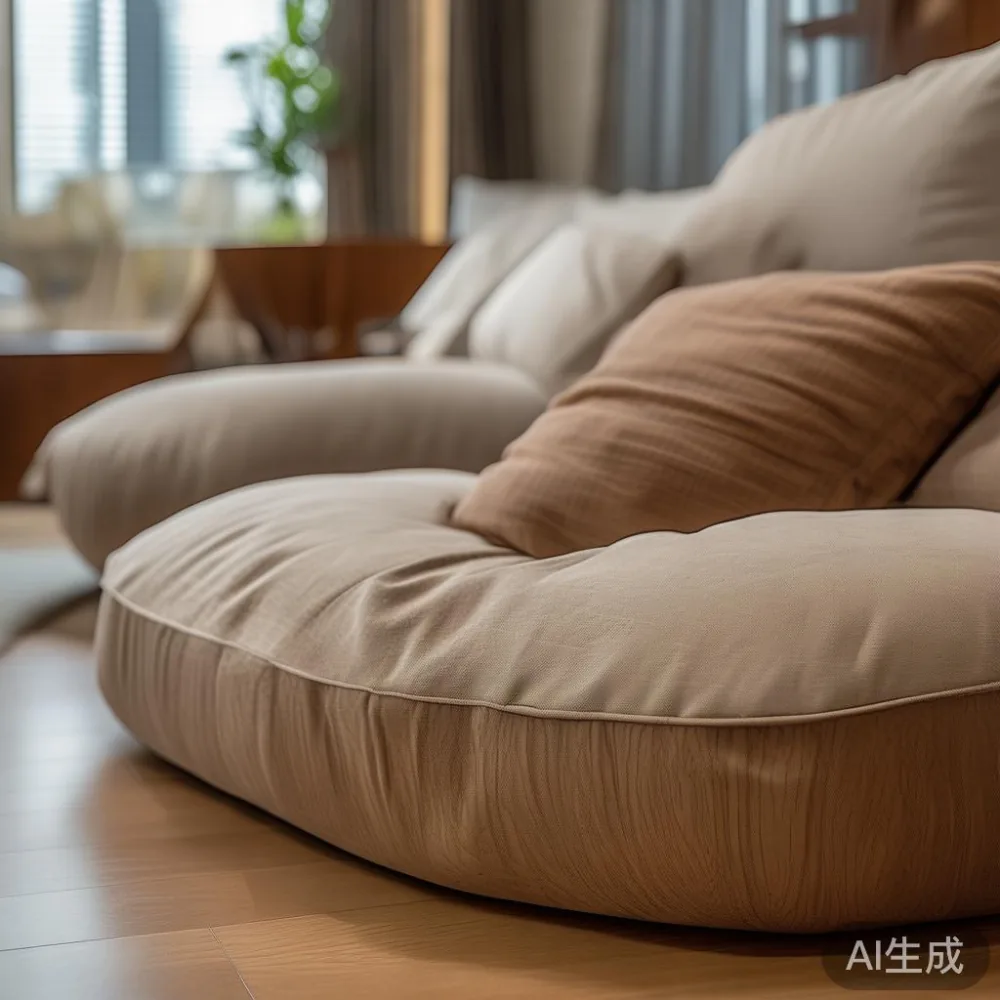
Why warm minimalism works in a Singapore HDB or condo
Warm minimalism is rooted in the same logic as Japandi and post-modern light luxury: reduce visual noise, keep the room breathable, and let one or two natural materials carry the atmosphere. In a Tampines 4-room flat with a 1.2 m corridor and a standard 850 mm-wide lift door, larger statement pieces simply cannot get in. A solid wood bed frame at 180 cm wide by 200 cm long, weighing around 42 kg, can be tipped and angled past most lift corners, but a 2.6 m wardrobe in one piece usually cannot. Warm minimal planning forces you to break large items into smaller modular pieces, which also happens to be the safest delivery method for any local move. The warmth comes from materials: solid white oak with a 7 to 9 percent moisture content, a brushed brass lamp, a linen curtain, and a small coffee table for study nooks or reading corners made from pale ash. None of these shout, but together they read as calm, lived-in, and quietly expensive.
Is Japandi sofa furniture worth it?
Yes, a Japandi sofa is worth the investment if you want a low-profile seat that grounds a warm minimal room without dominating it, and a solid wood base is the single detail that separates a worthwhile buy from a disposable one. Last month I sat on three different low-line sofas inside a Bedok condo showflat: a 220 cm three-seater with a solid ash frame at SGD 1,890, a fabric two-seater at SGD 1,150, and a modular oak-frame piece at SGD 2,650. The cheapest one felt hollow after eight months of nightly use, while the solid wood base on the other two kept the cushions level and the silhouette intact. For most HDB living rooms, a 200 to 220 cm three-seater with a 78 cm seat height and a 55 cm seat depth fits a 2.8 m sofa wall without crowding the TV console. Lift access in most blocks is roughly 1.1 m wide and 2.1 m deep, so anything over 230 cm usually needs to come in two pieces, which adds about SGD 80 to delivery. A good solid wood sofa in this style should carry a 10-year structural warranty, since the joinery is what fails first, not the fabric.
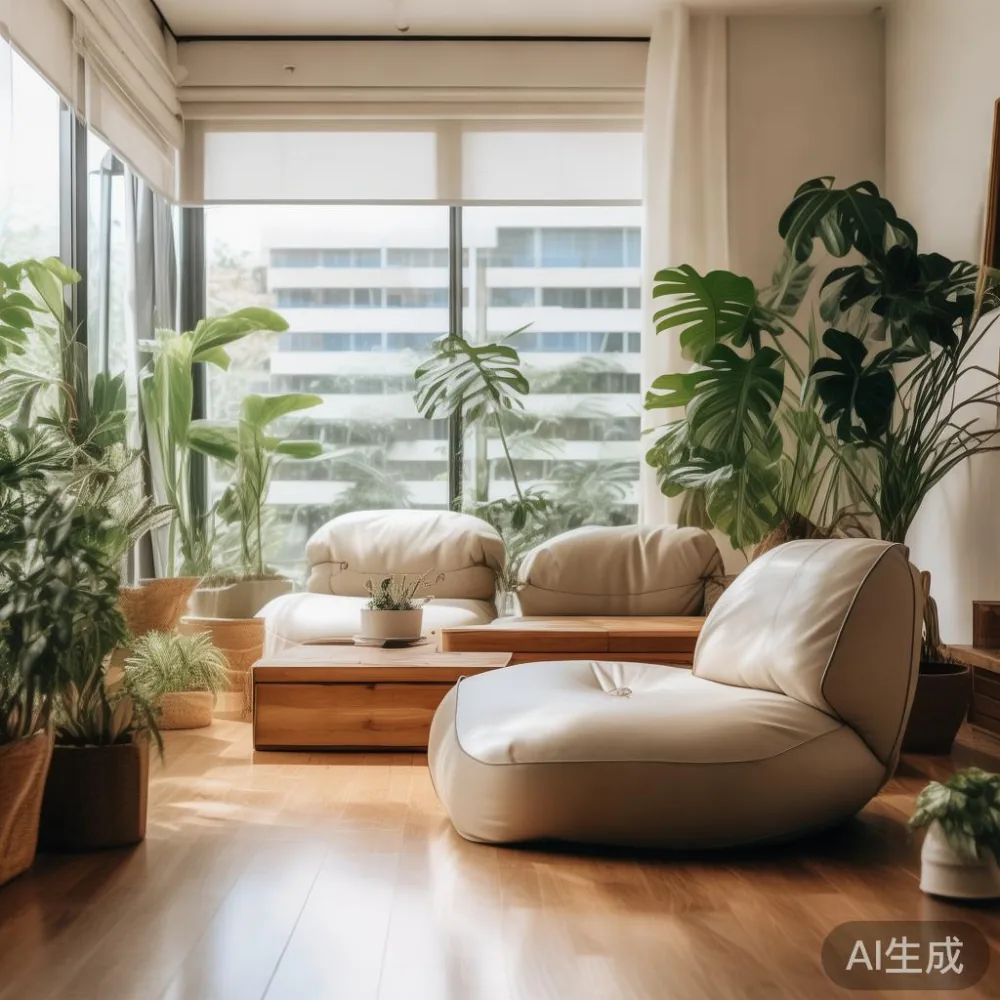
Choosing a solid wood bed frame for a warm minimal bedroom
The bed is the heaviest and most visually dominant object in the room, so it sets the temperature of everything around it. For a master bedroom of about 13 sqm, a king-size solid wood bed frame at 180 by 200 cm works, but a 160 by 200 cm queen is usually a better fit for most HDB layouts and leaves room for two nightstands. Weight matters for delivery: a queen solid oak frame weighs 38 to 45 kg, a king can hit 55 kg, and lifting it up a 12th-floor walk-up is a real cost. MIDHILL ships flat-packed with corner-protected cartons, which keeps the typical lift delivery to a single trip and around 5 to 8 working days for Singapore addresses. Look for frames with mortise-and-tenon joinery, slats no more than 7 cm apart, and a center support leg for queens and kings. Finishes that pair well with warm minimal walls in shades like Dulux Natural White or Nippon Jotun Linen include natural oak, smoked walnut, and a slightly warmer honey tone. Avoid very dark espresso finishes, which read heavy and clash with the soft beige and putty palettes most homeowners are painting right now.
Dining tables, marble tables, and nightstands that hold the look together
A warm minimal dining room usually needs a table between 140 and 160 cm long for four people, or 180 cm for six, with a clearance of at least 90 cm on every side so chairs can pull out without hitting walls. A solid wood dining table in white oak or ash, 140 by 80 cm, weighing roughly 32 kg, will seat four comfortably and slip through a standard HDB doorway. For homeowners who want a lighter visual weight, a marble table top on a solid wood base is a common post-modern light luxury choice: a 120 cm round Carrara marble top on a cross-base oak pedestal at around SGD 1,450 to SGD 1,950 gives the room a focal point without bulk. Be aware that a real 20 mm marble top can weigh 45 to 55 kg on its own, so delivery needs a two-person crew and sometimes a small trolley. Nightstands should match the bed frame in tone but can drop in size to 45 cm wide by 40 cm deep, which leaves enough floor space for a small coffee table for study corners if you work from home. A drawer nightstand at 50 by 40 by 55 cm is the practical sweet spot: room for a book, a phone charger, and a small lamp.
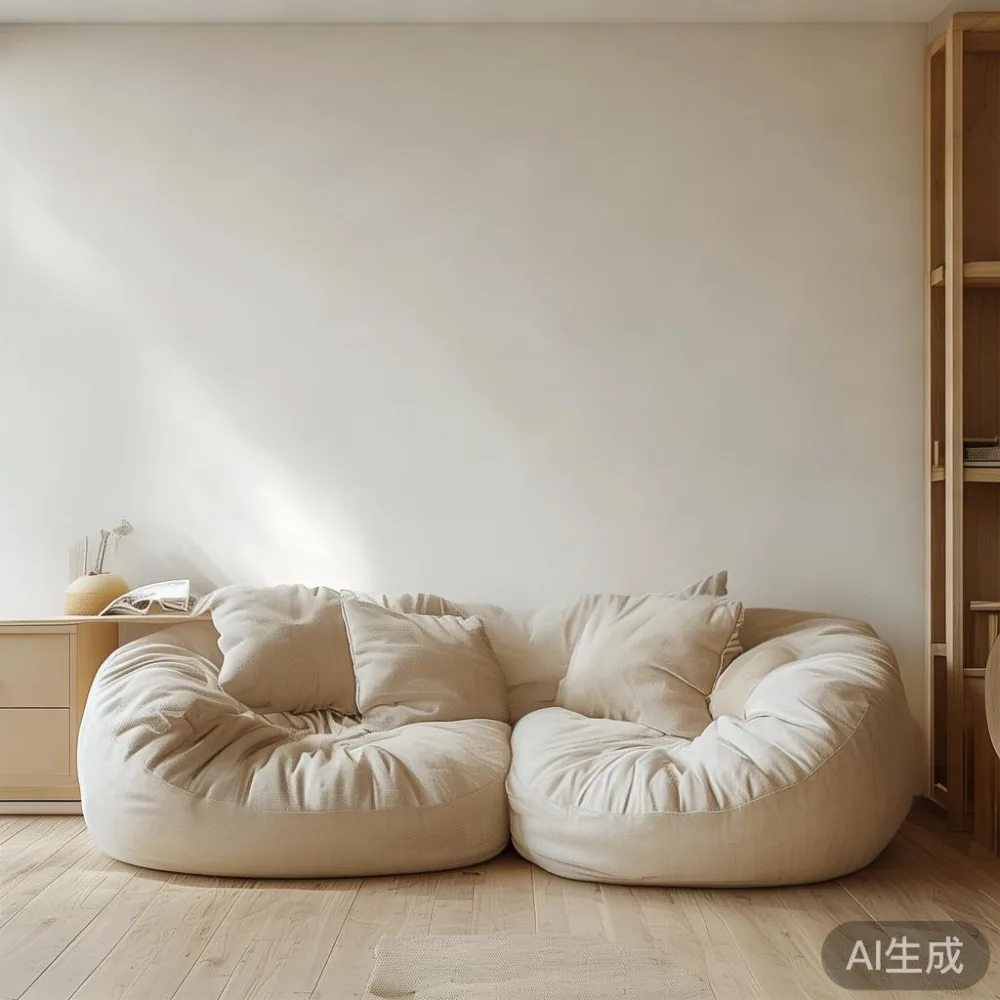
Wardrobes, sideboards, and the bean bag question
Storage is where most warm minimal rooms quietly fall apart. The trick is to choose wardrobes and sideboards with flat fronts, no visible handles, and a wood grain that either matches the floor or deliberately contrasts as a single accent. A 180 cm tall, 200 cm wide, 60 cm deep three-door wardrobe in solid ash weighs about 78 kg and almost always needs to be split for HDB delivery, so plan for a two-piece join on site. Freestanding wardrobes above 220 cm wide tend to look heavy in compact rooms; a modular 120 cm wardrobe plus a separate 80 cm wardrobe gives you the same volume but lets the eye rest. One question I get every week from friends renovating in Punggol is whether a bean bag belongs in a warm minimal living room. My answer is yes, with conditions. A well-made solid wood base or a structured fabric bean bag in oatmeal, sand, or charcoal slips naturally into a warm minimal layout because it adds softness without pattern, and it can be moved to a reading corner in under thirty seconds. The cheap foam-filled bean bag from a pasar malam does not fit the look and tends to lose shape within four months in Singapore humidity. Look for covers in cotton-linen blends with a 30,000 Martindale rub count and removable, washable cases. A good structured bean bag also solves a real HDB problem: extra seating for guests in a 75 sqm three-room flat, without dragging out folding chairs.
Care, humidity, and the 10-year question in Singapore weather
Solid wood furniture and Singapore humidity can be a difficult pairing if the wood is not dried and finished properly. The sweet spot for kiln-dried oak and ash in our climate is 8 to 10 percent moisture content, which prevents the seasonal cracking you see on cheaper imports. Keep pieces at least 10 cm away from air-conditioning direct vents and out of direct afternoon sun from west-facing windows in blocks like those along Tampines Street 86. A weekly wipe with a slightly damp microfiber cloth, followed by a dry cloth, is enough; avoid silicone sprays and generic furniture polish, which leave a waxy film that attracts dust in our climate. Most quality makers, MIDHILL included, offer a 10-year structural warranty on solid wood joinery and a lifetime refinishing service that handles surface scratches, water rings, and small dents for a fraction of replacement cost. For a warm minimal interior, that kind of long-term service matters more than the original finish, because the whole point of the look is pieces that quietly improve with age rather than date after three years.
Budgeting for a warm minimal room in SGD
A realistic budget for a fully furnished warm minimal living and dining area in a 92 sqm Singapore condo, using solid wood pieces and one marble accent, looks roughly like this: solid wood sofa at SGD 1,800 to SGD 2,800, solid wood dining table for four at SGD 1,100 to SGD 1,600, marble table accent at SGD 1,450 to SGD 1,950, solid wood bed frame queen at SGD 1,050 to SGD 1,500, two nightstands at SGD 280 to SGD 420 each, three-door wardrobe at SGD 1,800 to SGD 2,600, and one structured bean bag at SGD 220 to SGD 380. That puts a complete set somewhere between SGD 7,500 and SGD 11,500 before GST. Free shipping usually kicks in above US$350, which is roughly SGD 470, and most Singapore deliveries arrive within 5 to 8 working days. A 14-day return window covers finish and joinery issues, which is the practical safeguard most homeowners actually use. Prices move with freight rates and oak supply, so treat these as a working range rather than fixed quotes, and always confirm the moisture content, joinery method, and warranty in writing before paying a deposit. A warm minimal room is a long-term purchase, and the numbers above reflect what holds up after five years of use, not what looks good on day one.