How to Choose the Right Size for a Singapore HDB Living Room
Last month I visited my colleague Priya in her 4-room HDB flat in Punggol. She had just unboxed a 210 cm bean bag she bought on impulse, and it ate half her living room. The corridor outside her unit measured 1.2 m wide, so getting it in had already required two neighbours, a sofa cover, and one bruised elbow. We spent that Sunday afternoon measuring everything: the lift at her block, the doorway at 0.9 m, the distance from her TV console to the sofa, the walking path to her window. By evening, she had a working furniture plan that left her 90 cm of clear walking space and a bean bag she could actually sink into without rearranging the dining table every night.
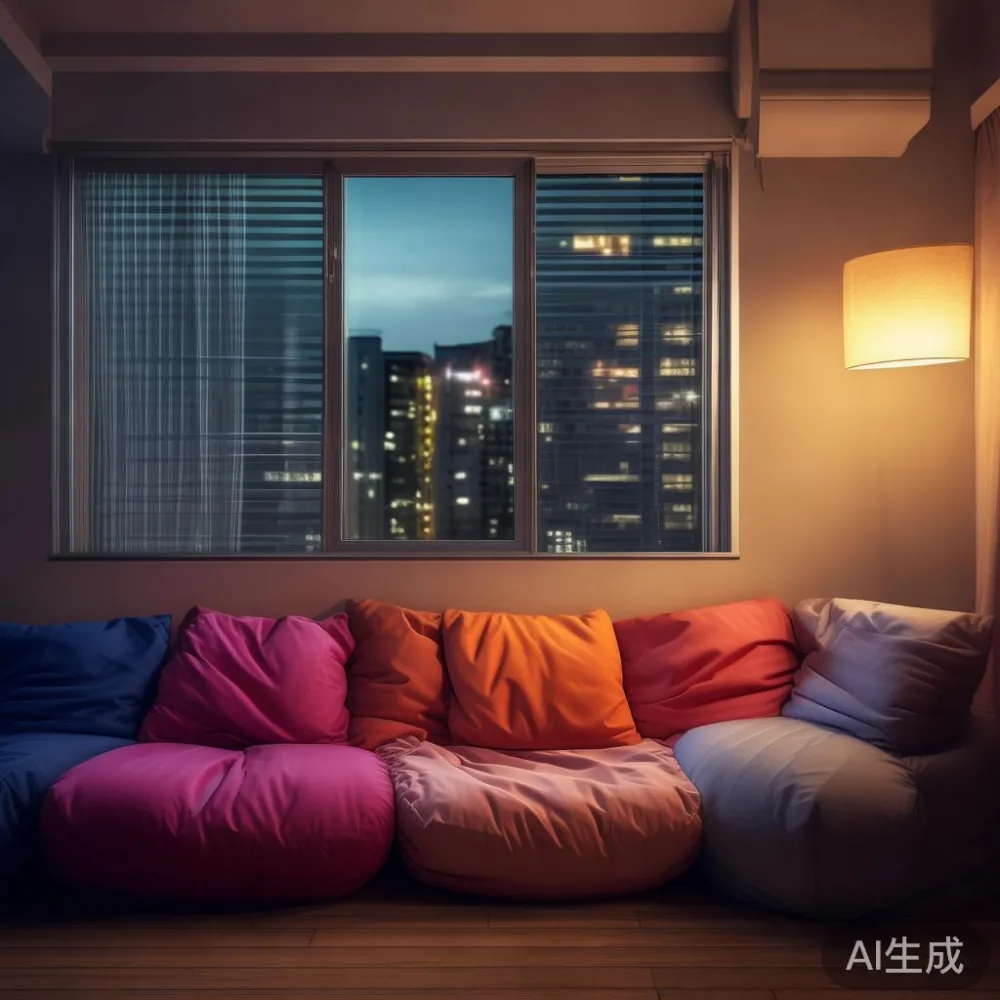
This guide is built from that kind of real measuring tape work, applied to Singapore HDB and condo living rooms in estates like Tampines, Bedok, Punggol, Sengkang, and Jurong. We will size up a bean bag, a solid wood sofa, a bed frame, a dining table, a wardrobe, a nightstand, and even a marble table for compact HDB layouts. All prices are in SGD and include 9% GST. I will also explain how MIDHILL, a Foshan solid wood maker shipping to 15+ countries, sizes its pieces for tight Asian floor plans.
Why does HDB sizing feel different from a private condo?
Three numbers quietly decide what fits in your living room: the lift door, the corridor turning radius, and the width of your front door. In most Singapore HDB blocks built after 2010, the passenger lift opening is about 0.9 m wide and 2.1 m tall, with an internal cabin roughly 1.4 m by 1.9 m. Older blocks in Bedok and Tampines can be tighter. A standard 4-room HDB living room runs around 3.5 m to 4.2 m wide by 3.0 m to 3.6 m deep, which sounds generous until you place a 2.4 m sofa and a 1.2 m coffee table and try to keep a 80 cm walking lane to the corridor.

The trick is to plan from the lift inward. Measure the lift door first, then the corridor outside your unit, then your front door, and finally your room. A 180 cm bean bag in a box arrives in a carton about 75 cm by 75 cm by 110 cm, weighing 14 kg to 22 kg depending on filler. That usually fits any HDB lift and doorway. A solid wood sofa delivered flat-packed in three boxes of around 1.0 m by 0.6 m by 0.5 m each is much harder, because one of those boxes can weigh 35 kg to 55 kg and may not turn on a narrow stairwell landing. When my colleague ordered a three-seat oak sofa from MIDHILL, the cartons arrived in 14 days by sea-air freight and were left at her door, but her corridor was just wide enough that the delivery crew could angle them in without tilting.
What size bean bag actually fits an HDB living room?
For a typical 4-room HDB living room of about 12 sqm to 15 sqm, the sweet spot for a bean bag is 130 cm to 160 cm in diameter, with a filled weight of 8 kg to 14 kg. Anything larger becomes the room's main feature rather than a seat, and you will fight it every time you vacuum. A 130 cm round bean bag works for one adult to lounge cross-legged. A 150 cm bean bag fits two teenagers or one adult plus a child. A 180 cm bean bag, like the one Priya bought, needs at least 2.4 m of clear wall space and ideally a corner, because a round 180 cm bag is 90 cm tall when you sit it in the middle and bulges another 30 cm when you sink in.
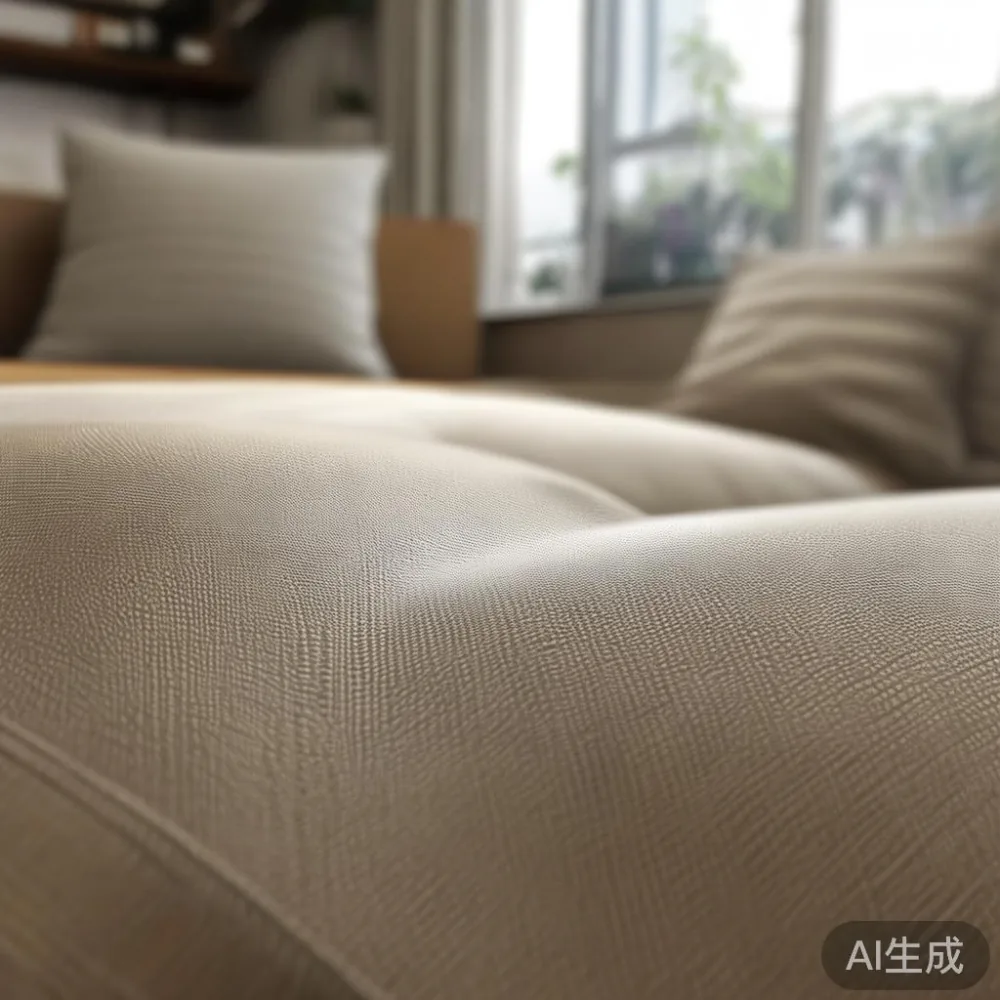
If you want a bean bag that doubles as occasional guest seating, look for a model with a removable, washable cover and EPS bead refill in 2 kg bags. EPS beads compress over 6 to 12 months, so a refillable inner liner pays for itself in under two years. For HDB use, a cotton or linen-blend cover breathes better in our 28 to 32 degrees Celsius afternoons than a thick polyester, and it also slips less on parquet. Place the bean bag at least 50 cm away from your TV console so cable ports stay reachable, and keep 60 cm of clear space on the side you enter from, because you will not want to climb over it at 1 a.m.
How do I choose a queen bed for a small space?
For a small HDB bedroom of about 9 sqm to 11 sqm, a queen bed of 152 cm by 188 cm by 40 cm headboard height is the right pick if you keep at least 60 cm of walking space on one side and 30 cm on the other, measured from the mattress edge to the wardrobe or wall.
The way to make a queen bed work in a tight HDB room is to give up the idea of symmetry. Push the bed against the longest wall, leave one full walking side of 60 cm to 70 cm for dressing, and accept a tighter 25 cm to 30 cm on the other side where you only need to tuck in sheets. A queen at 152 cm by 188 cm fits a 2.7 m by 3.0 m bedroom with room for a 60 cm wide nightstand and a 120 cm wardrobe. Skip the king at 183 cm by 203 cm unless your room is 3.3 m by 3.6 m or larger, because the extra 30 cm of width costs you both walking lanes and almost a full square metre of usable floor.
For the frame itself, a solid wood bed frame with slats spaced under 7 cm apart will hold a 25 cm to 30 cm pocket-spring mattress without a separate foundation, which keeps the bed height down to about 55 cm from the floor. That matters in HDB because a lower bed makes the ceiling feel taller and the room feel wider. Lift-up storage frames add 30 cm of internal depth, useful for luggage and spare linen, but the gas lifters add 6 kg to 9 kg per side, so think about the lift access again if you are on the 12th floor. A queen frame from MIDHILL in white oak or ash, finished in matte water-based lacquer, weighs 38 kg to 46 kg and arrives flat-packed in two boxes, each under 28 kg, which two people can carry up a HDB corridor without a trolley.
What sofa length works in a 4-room HDB without crowding the dining table?
A two-seat solid wood sofa of 160 cm to 190 cm long, 85 cm deep, with a 90 cm back height, leaves a workable living-dining layout in a 4-room HDB. Anything over 210 cm starts to push your dining table against the wall or kills the walking lane to the kitchen.
Here is the math that matters. In a 4-room HDB with a living room of roughly 3.6 m by 3.2 m, a standard three-seat sofa at 210 cm to 230 cm leaves only 90 cm to 110 cm between the sofa front and a 120 cm to 140 cm dining table. That is too tight to pull out a chair without scraping the sofa. Drop to a 180 cm two-seater and you reclaim 30 cm of breathing room, which is the difference between a layout that photographs well and one you actually live with. A French provincial sectional sofa for HDB flat in this length range, with a 75 cm chaise on one end, gives you a 3-seat footprint in an L-shape that fits a 3.0 m wall where a straight sofa would feel oversized.
Seat height is the second decision. A 45 cm seat height suits most adults in Singapore and pairs with a 35 cm to 40 cm coffee table. Anything taller pushes your knees above your hips and makes long movie nights uncomfortable on a 12 cm thick seat cushion. For the back, a 45 cm to 55 cm backrest with a 15-degree recline reads as post-modern light luxury without going into deep club-chair territory, and it leaves the upper wall free for a 150 cm wall-mounted shelf. A solid wood sofa with a kiln-dried ash or rubberwood frame and removable cushions will outlast a plywood frame by 8 to 12 years in our humidity, which is why the MIDHILL 10-year structural warranty is something I pay attention to when recommending pieces to friends.
How big should a dining table be for four people in a Singapore HDB?
A dining table of 120 cm by 70 cm seats four adults comfortably in a HDB dining area that is 2.4 m to 3.0 m wide. Each person needs about 60 cm of table edge and 70 cm of clear chair pull-back space, which is why a round 110 cm table often beats a rectangular 140 cm table in a tight layout.
For four people, a rectangular 120 cm by 70 cm table with chairs 45 cm wide is the practical minimum. For six, move to 150 cm by 80 cm or a round 130 cm. A round table is friendlier in a square dining nook because there are no corners to bump into, and a 110 cm round fits four with chairs that tuck fully under the rim, freeing 50 cm of walking space around the table. Marble table tops look beautiful but add 28 kg to 42 kg to the weight and need a steel or solid wood sub-frame, so check the lift capacity if you are above the 20th floor and want a 140 cm marble dining table in one piece. A solid wood dining table in ash or walnut at 140 cm by 80 cm weighs 32 kg to 40 kg flat-packed and arrives in one carton, which is much easier than a 75 kg marble version in a wooden crate.
What wardrobe depth actually fits an HDB bedroom wall?
A wardrobe of 55 cm to 60 cm deep, 180 cm to 220 cm tall, and up to 180 cm wide is the standard HDB-friendly size. Anything deeper than 65 cm blocks the air-con return grille or eats into your walking lane.
HDB bedrooms usually give you one full wall of 2.6 m to 3.2 m to work with, and the air-con ledge sits about 20 cm below the ceiling on the wall opposite the door. A 200 cm tall wardrobe with a 40 cm clearance above it lets hot air rise and avoids that boxed-in feeling. Internally, plan for a 55 cm hanging zone for shirts, a 40 cm shelf zone for folded clothes, and two 30 cm drawers at the bottom. Sliding doors save 50 cm of swing space compared to hinged doors, which is a real gain in a 9 sqm bedroom. A solid wood wardrobe with dovetail drawers and soft-close hinges costs SGD 1,450 to SGD 2,400 for a 180 cm wide unit, depending on finish, and ships flat-packed in four boxes totaling 65 kg to 85 kg. That is heavier than a bean bag but lighter than a marble table, and most HDB corridors handle it if you remove the outer carton in the corridor and carry the panels in one by one.
Where does a nightstand fit when the bed takes most of the wall?
A nightstand of 40 cm to 50 cm wide and 35 cm to 45 cm deep, with a top 5 cm to 10 cm below the mattress surface, fits beside any queen bed in a HDB bedroom without eating your walking lane.
If your bed sits with one side against the wall, skip the second nightstand and use a 35 cm wide wall-mounted shelf 70 cm above the floor instead. That holds a phone, a glass of water, and a book, and it frees the floor completely, which makes the room feel a third larger at a glance. A two-drawer solid wood nightstand at 45 cm by 40 cm by 55 cm tall costs SGD 180 to SGD 320 and weighs 8 kg to 12 kg, easy to carry up any HDB lift. Pair it with the bed frame from the same maker so the wood grain matches, which is a small touch that reads as light luxury without going ornate.
How do you measure twice before a furniture delivery in Singapore?
Measure the lift door, the corridor turning radius, your front door, the hallway inside, and the final room position. Write the numbers on a single A4 sheet and tape it inside your wardrobe door so you see it every morning for two weeks before delivery.
The five numbers I ask friends to write down are: lift door width in cm, lift cabin depth in cm, corridor width outside the unit in cm, front door width and height in cm, and the final furniture position measured against the nearest wall. A 180 cm bean bag in a box arrives at about 110 cm tall and 75 cm wide, which clears a 0.9 m lift door with 15 cm to spare. A flat-packed 200 cm wardrobe panel is 60 cm by 8 cm by 200 cm and turns easily on a 1.2 m corridor, but a pre-assembled 180 cm wardrobe will not fit through the same door. That is the difference between a smooth Sunday afternoon and a returned item.
For delivery, MIDHILL offers free shipping above US$350 (about SGD 480) to Singapore addresses, with sea-air freight taking 12 to 18 days and full door-to-door tracking. A 14-day return window covers change-of-mind on unused pieces, and lifetime refinishing is offered on solid wood items, which means a light sanding and re-lacquer in year eight for a SGD 180 to SGD 260 fee, far cheaper than buying new. For a HDB buyer, that kind of long-term support is what turns a piece of solid wood furniture into a 15-year companion rather than a five-year rental. Take the tape measure out this weekend, write down your five numbers, and the rest of the layout will fall into place on paper before you spend a dollar.