How Southeast Asian Humidity Affects Solid Wood Furniture
Humidity is one of the easiest conditions to overlook in Singapore, especially inside a compact HDB flat or condo. The outdoor air may feel consistently warm and damp, while an air-conditioned room feels markedly drier. That daily swing can affect solid wood, veneer, upholstery, and the filling inside a bean bag. Wood may expand, contract, cup, or develop small surface marks; covers may wrinkle; and compressed foam can lose its shape faster than expected.
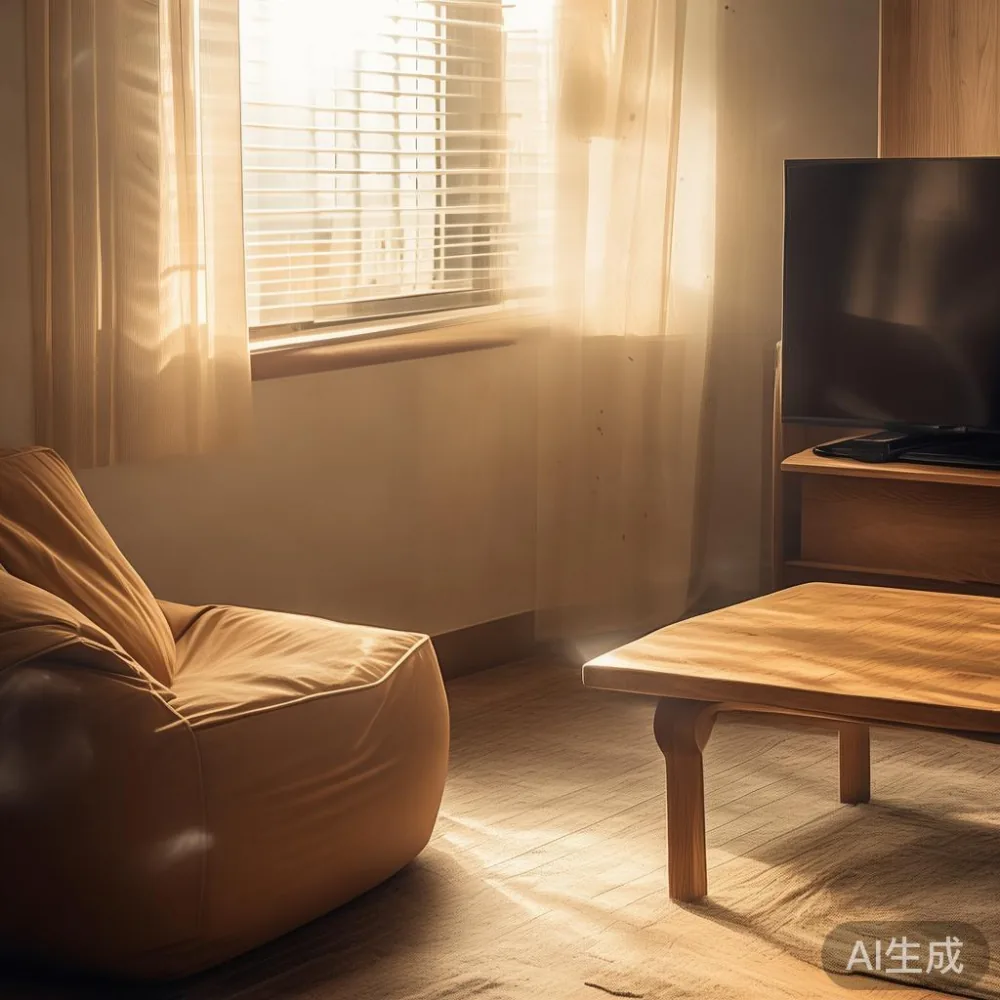
For furniture buyers in Tampines, Bedok, Punggol, and across Singapore, humidity should be considered before delivery as well as after purchase. Measurements, packaging, ventilation, acclimatisation, and realistic care instructions all influence how a piece ages. MIDHILL builds solid wood furniture for practical Southeast Asian conditions, and the right preparation can help a solid wood sofa, bed frame, dining table, wardrobe, or nightstand remain comfortable and visually calm.
What is the ideal humidity level for solid wood furniture in Singapore?
A relative humidity level around 45–55% is a practical target for most wooden furniture. A hygrometer placed near the furniture can help you monitor conditions, although it is more useful to observe changes over several days than to chase a single reading. Singapore frequently experiences daily relative humidity above 70%, particularly during the monsoon periods, while strongly air-conditioned interiors may fall below 40%.
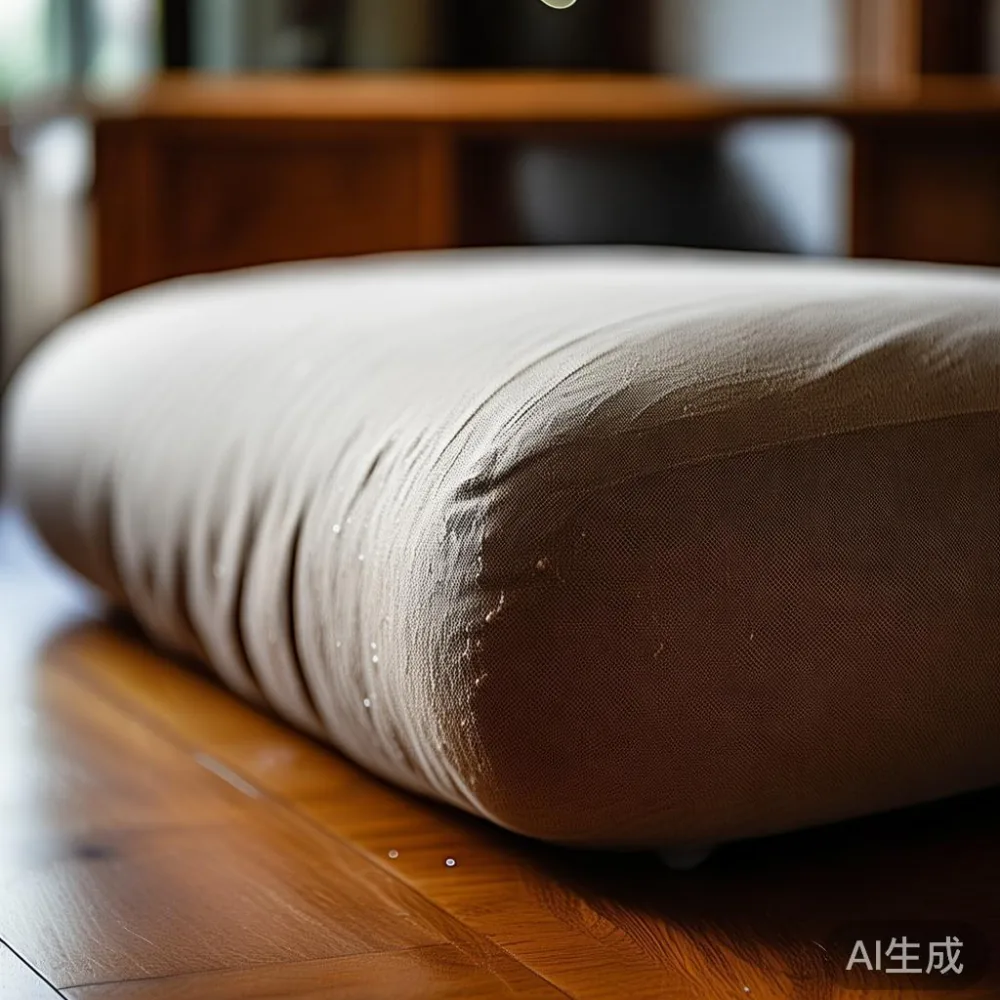
Wood is hygroscopic: it absorbs moisture when the surrounding air is humid and releases it when the air becomes dry. A solid oak table, for example, might show slight dimensional movement across its width under a large seasonal change. Small movements are normal, but repeated swings can stress joints, open minor gaps, and make finishes react unevenly. The aim is not to prevent every millimetre of movement, but to reduce sharp fluctuations.
Bean bag fillings respond differently from a rigid frame. A bean bag filled with polystyrene pellets can settle as the pellets compress and redistribute under load. Higher humidity can also make foam less resilient, while dry air may cause some foam to become brittle. For this reason, a bean bag should not be pressed tightly into a corner for long periods. Leaving approximately 10–15 cm of breathing space around its sides allows air to circulate and lets the filling recover when someone sits down.
How does humidity move through HDB flats and condos?
Many Singapore homes combine an air-conditioned bedroom with a humid living area. In an HDB flat, a solid wood dining table may sit close to the kitchen, while a bed frame may be beside an external wall. The kitchen can add both moisture and cooking oils, and the external wall can feel cool and damp during heavy rain. In a condo near the coast, salt-bearing particles may settle on surfaces, although airborne salt is generally a smaller concern indoors than persistent humidity.
Measurements and access deserve attention before a large item arrives. Common HDB lift cars measure around 100–140 cm wide and 200–220 cm deep, but older blocks vary. Corridors may be only 120–180 cm wide, with right-angle turns that reduce effective clearance. A boxed bed frame can measure 210–230 cm long, so it may need to be turned upright or opened before entering the lift. Measure the actual route rather than assuming the doorway is the limiting point.
For stairs, check the ceiling clearance at turns and remove the door if necessary. Confirm whether the courier can deliver to the unit lobby or only to the ground floor, and reserve a service lift where the building provides one. If the building charges a booking fee or requires a certificate, arrange those details before the delivery date. These checks are especially useful for a tall solid wood wardrobe, because the assembled height may exceed the boxed dimensions by several centimetres.
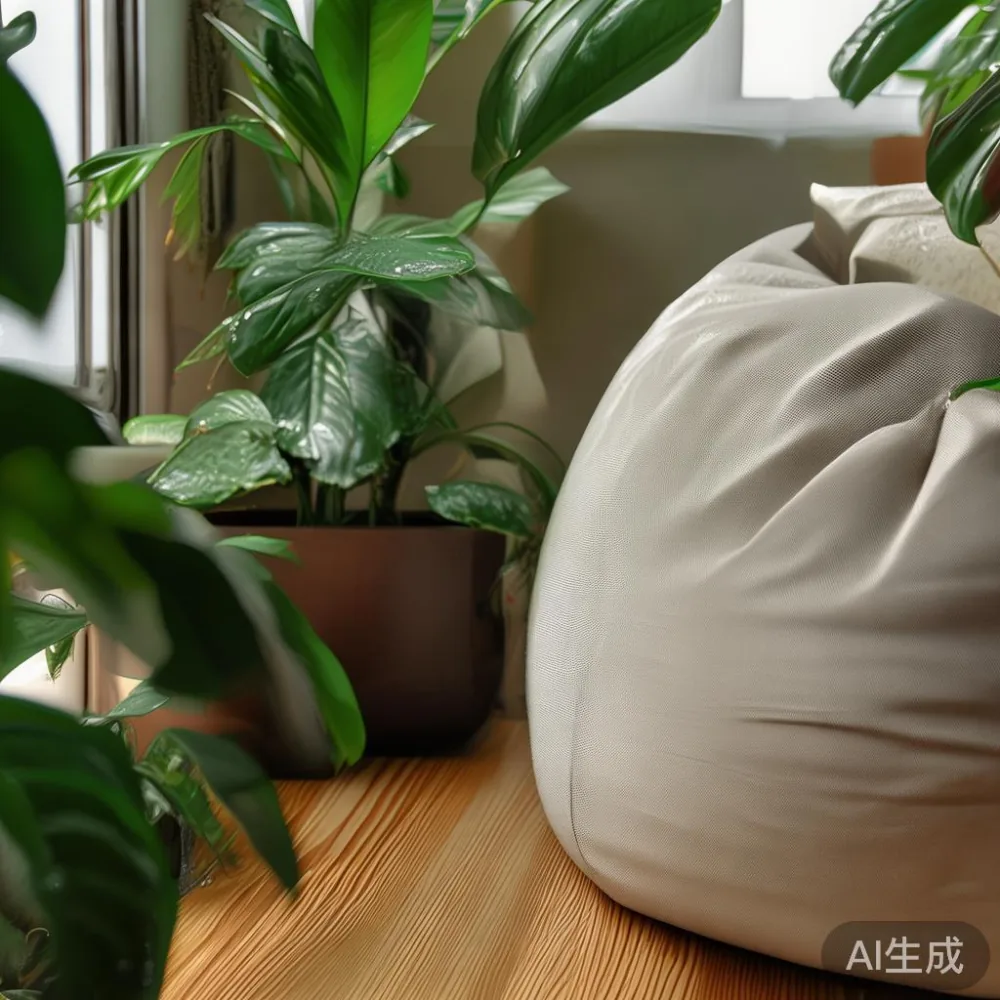
Humidity also gathers where airflow is weak. Avoid pushing a bean bag against a bathroom wall, placing a wardrobe directly against an external wall without a gap, or covering a dining table with a heavy cloth for days. A gap of 5–10 cm is useful where possible. Use a hygrometer in the bedroom and living room for at least 7 days before delivery if you want to understand how your space behaves under normal use.
How should new solid wood furniture acclimatise after delivery?
Let new wood adapt gradually instead of moving it immediately from a warm warehouse into a cold, air-conditioned room. Keep the furniture wrapped for approximately 24–48 hours if the wrapping is intact and the wood is not damp. If the packaging has been exposed to moisture, inspect it carefully and allow the pieces to ventilate before assembly. Do not install a bed frame immediately beside an air-conditioning vent or place a marble table in direct airflow.
For a solid wood sofa or solid wood bed frame, check that all screws are tightened but not over-torqued. Wood expands and contracts with humidity, so a rigid connection that is too tight may place unnecessary stress on the joint. During the first 2–4 weeks, inspect the frame, tabletop, drawer runners, and wardrobe doors. The humidity level in the room is more informative than the day of delivery: if the air remains around 50–60% and circulation is reasonable, the furniture is likely to settle normally.
For a bean bag, unbox it promptly so that trapped moisture and packaging pressure do not remain around the filling. Check for damp patches before use. If the bag contains polystyrene pellets, add or remove small quantities in stages of roughly 1–2 litres until the seated profile feels supportive. If it contains foam, rotate and reshape it gently rather than pulling one corner hard. Most bean bags need about 24–72 hours to recover after delivery.
A useful routine is to move every bean bag once a week. Lift it, vacuum or wipe the cover according to the maker’s instructions, and redistribute the filling. This helps prevent permanent flattening in the frequently used centre. Vacuum upholstery weekly and blot spills immediately with a clean cloth; do not saturate a fabric cover with water.
Can condensation or dampness damage a marble table?
Marble is less vulnerable than wood to dimensional movement, but moisture can still affect its setting, supporting surfaces, and cleaning routine. A marble table should not stand on a damp floor for long periods. Wipe condensation from the base and keep at least 3–5 cm away from walls where cleaning is possible. Use a neutral pH stone cleaner and a soft cloth rather than acidic household cleaners. If the table is in a dining area, keep coasters under drinks and avoid leaving wet vases or fruit juice on the surface overnight.
Humidity can make the protective treatment on marble uneven if the surface warms and cools repeatedly. Apply products only as directed and allow the finish to cure for the stated period, often 24–72 hours. Do not place a very hot pan directly on marble, even in an air-conditioned room. Temperature changes of more than approximately 20°C can create thermal stress in stone.
For buyers comparing wood and marble, think about the room rather than the product label alone. Wood offers warmth and visibly responds to seasonal humidity. Marble offers a cool, sculptural surface but needs care around water. A marble table may suit an open dining room, while a solid oak dining table may feel more relaxed in a family flat. Light-luxury design depends on proportion, finish, and lighting as much as material.
What furniture-care habits work during Singapore’s wetter months?
Run the air conditioner or dehumidifier sensibly rather than leaving the house completely sealed. A dehumidifier that can remove approximately 10–20 litres of moisture per day is useful in larger, persistently damp rooms, subject to the room size and current conditions. Keep doors and windows closed while it operates, and empty the tank every 1–2 days. Use the air conditioner’s dry mode where suitable, and clean its filters every 3–6 months so airflow is maintained.
Place furniture away from direct air-conditioning outlets. Constant cold airflow can lower the local humidity sharply, then the surrounding humid air can cause another change. Aiming a vent at a bed frame or wardrobe door may lead to warping or sticking over time. Maintain a moderate distance of about 1–2 metres where the layout allows.
For wooden surfaces, use a slightly damp cloth and dry it immediately. Do not use furniture polish containing silicone unless you are comfortable maintaining that layer. Avoid leaving paper, cardboard, or fabric pressed against wood for months, because trapped moisture and staining can transfer into the finish. Felt pads beneath a nightstand or wardrobe feet protect both the floor and the timber, but check them every 6 months because high humidity can affect adhesive pads.
Inspect the bean bag cover after heavy rain or air-conditioning outages. If the cloth smells musty, air it for 4–8 hours in a shaded, ventilated space. Direct sun can fade fabric, so use indirect daylight instead. For fabric, follow the care label; for leather, condition only as the manufacturer recommends. A cotton or bouclé cover may need professional cleaning if it has shrunk or developed persistent marks.
Is Italian light luxury wardrobe worth it?
That is a fair question for a humid city, because an imported wardrobe should offer more than visual appeal. When considering an Italian light luxury wardrobe, ask how the timber is finished, whether the back and sides are sealed, how the doors are adjusted, and whether replacement hardware is available in Singapore. A fitted wardrobe may need a ventilation gap of at least 5 cm at the rear where permitted. Confirm the final internal measurements before fabrication, especially around sliding tracks and electrical sockets.
The phrase “Italian” can describe styling, hardware, manufacturing, or a combination of these, so it should not substitute for technical details. Solid timber, plywood, and engineered components each behave differently around moisture. Look for stable joinery, finished edges, and adjustable hinges that can tolerate slight movement. For a humid Southeast Asian bedroom, controlled indoor humidity and sensible placement matter more than a decorative name on the label.
Consider what will actually be stored. For folded clothing, around 100–140 cm of hanging length suits many wardrobes. Deep drawers of 45–60 cm make better use of a family’s wardrobe space. If a corridor limits the installation to a narrow 90 cm opening, a hinged or sliding design may be more practical than several wide doors.
How do you choose furniture that suits humid Southeast Asian interiors?
Begin with the room’s daily conditions. Measure wall lengths, door openings, lift limits, and the path from the service entrance. Check whether furniture will sit beside an external wall, under a window, or directly under an air-conditioning vent. Note the highest humidity reading at night and the lowest reading in the afternoon. This simple record over 7 days is more useful than choosing solely by appearance.
For a bed, the dimensions should suit both the mattress and the room. A queen mattress commonly measures 150 × 200 cm, while a king measures 180 × 200 cm; the frame should match the mattress exactly. If you are comparing designs, a guide to how to choose American bed should cover centre support, headboard clearance, and the floor plan rather than rely on a style label.
For bedroom styling, how to style European light luxury bed in room decisions can create a calm setting without making a compact flat feel crowded. Pair a solid wood bed frame with one main colour, two cushion sizes, and a narrow bench if circulation allows. Keep at least 60–75 cm of clear walking space beside the bed where possible. A nightstand around 45–55 cm wide is often sufficient for a lamp, phone, and glass of water.
For the living room, compare the French sofa vs Nordic sofa options with family routines in mind. A French-style sofa may suit a formal dining or sitting area with symmetrical proportions, while a Nordic sofa often works well in a compact HDB living room. Measure the intended location before choosing a width of 180–240 cm. Keep roughly 40–50 cm between the sofa and coffee table, and avoid placing a bean bag so close that it touches the sofa base on all sides.
Dining furniture needs a similar practical check. If you are considering an Industrial for dining room theme, focus on timber tone, chair clearance, and stable proportions rather than adding too many metal accents. Allow at least 75–90 cm behind each occupied chair for movement. A table height near 75 cm is standard, with an allowance of about 30 cm per diner. Check that a tall dining chair can pass a lift corridor before approving the final dimension.
What should I check before a solid wood furniture delivery?
Ask for the delivered dimensions, not only the product-page dimensions. Check whether the wardrobe, bed frame, or dining table arrives assembled or flat-packed. A flat-packed solid wood bed frame should include labelled hardware and a clear assembly guide. Photograph the packaging on arrival, inspect for water marks, and retain the protective packaging until every piece has been checked.
MIDHILL provides a 10-year structural warranty, and its commitment includes lifetime refinishing, subject to the stated service terms. That long-term support is useful because humidity is not a one-time event. A surface can need attention after years of seasonal moisture, kitchen use, and air-conditioning changes. Confirm what refinishing includes, which parts are covered, and how a claim is documented before delivery.
Delivery arrangements should be equally clear. MIDHILL offers free shipping for orders over US$350, although the final Singapore delivery charge and GST should be confirmed at checkout. Delivery to many Singapore addresses typically takes around 7–14 business days, depending on production and customs clearance. Arrange a specific delivery window, provide the building’s access details, and ask whether the courier carries the item into the unit. For a bean bag, room-of-choice delivery can prevent awkward carrying through corridors; for a wardrobe, verify whether placement includes assembly.
Inspect the finished piece before accepting it. Look at grain transitions, joints, drawer movement, and surface finish under normal room lighting. For a bed frame, shake it gently after assembly and confirm that the centre support is firm. For a dining table, check that the surface sits level. For a wardrobe, align the doors and confirm that shelves do not rub. A nightstand should have stable feet and drawers that close without forcing. These simple checks, combined with attentive humidity control, protect the investment long after delivery day.
For additional product questions or delivery coordination, MIDHILL can be contacted at midhillco@gmail.com. Keep the order number, item name, and delivery address nearby so the furniture team can respond efficiently.