The Ultimate Guide to Buying a Bean Bag Without Sitting on It
In the world of urban living, where space is a premium and comfort is a non-negotiable, the humble bean bag has emerged as a hero. For residents of Singapore's HDB flats and condos, from the narrow corridors of Tampines to the compact layouts of Punggol and Bedok, finding the right piece of furniture that balances style, function, and practicality can be a challenge. The bean bag, with its flexible form and inviting texture, often seems like the perfect solution. But what happens when you find your dream bean bag online, and the reality is a showroom where you cannot test it out? How do you ensure the bean bag you order is the one you will love for years to come?
Understanding Your Space: The Singaporean Context
Before you even begin to consider the colour or fabric of your new bean bag, you must first understand the space it will inhabit. Singapore's housing, particularly in HDB estates, is known for its efficient use of space. This means doorways, lift landings, and living room dimensions are often more constrained than in other countries. A bean bag that looks perfect on a screen might be a logistical nightmare to get into your 4-room flat in Tampines.
Start by measuring your space with precision. Use a measuring tape to determine the exact width and length of the area where the bean bag will live. Remember to account for walking space around it; a bean bag that fills an entire walkway will quickly become an obstacle. The standard width of a corridor in many HDB flats is around 120 cm, and the internal doorways are typically about 80 cm wide. Your new bean bag needs to fit through these openings. If you live in a condo with a wider lift, like those in newer developments in Punggol, you might have a bit more leeway, but it's always better to be safe.

Weight is another critical factor. A large, high-density foam bean bag can weigh between 15 kg and 25 kg. Lifting a 20 kg object up a flight of stairs in an HDB block without a lift is a significant undertaking. If you live on the 10th floor, you need to consider whether you can manage the delivery and placement yourself or if you'll need help. This is where the practicalities of local life intersect with your desire for comfort. A bean bag should bring joy, not back strain.
What to Check Before Buying a Sofa You Cannot Sit On?
This is a common question, especially for those who primarily shop online. While you can't physically test the bean bag, you can scrutinize the specifications and materials to get a very good idea of what to expect. The key is to move beyond aesthetics and focus on the tangible qualities that define comfort and durability.
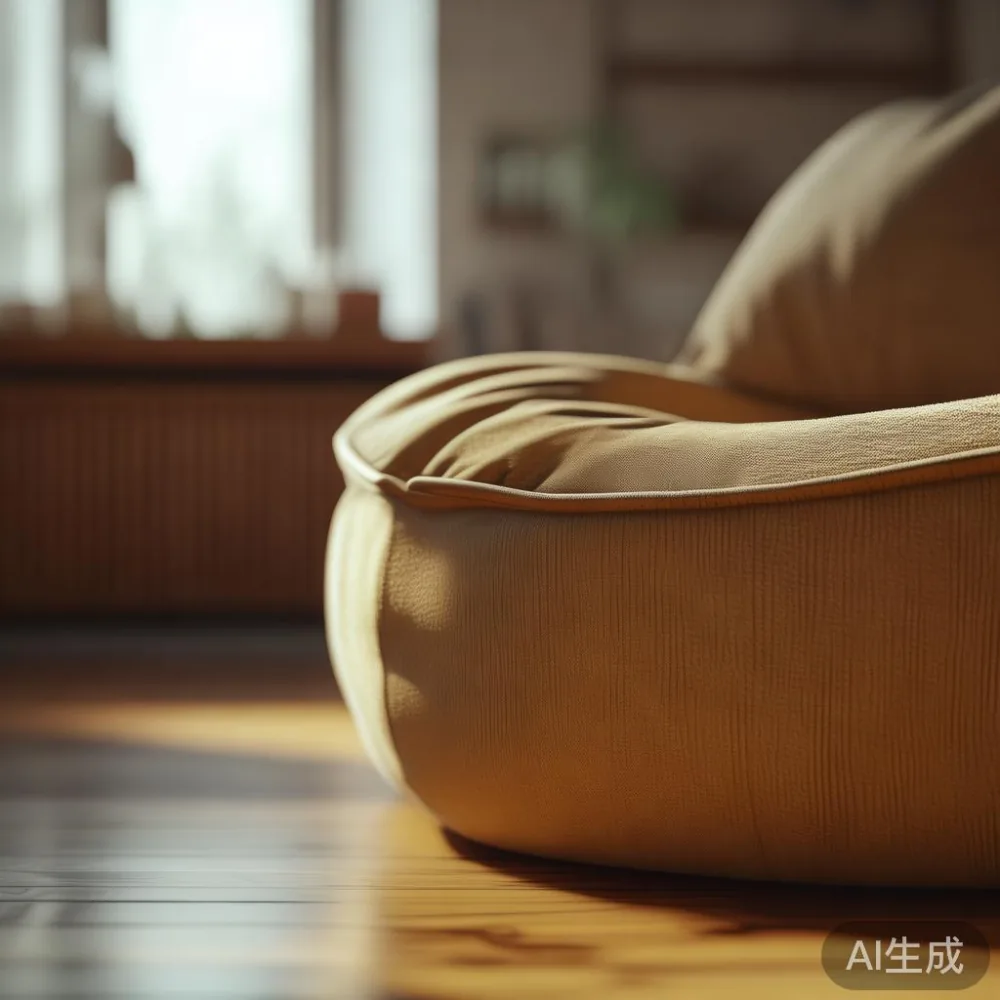
First, examine the fill material. This is the soul of your bean bag. High-quality bean bags are filled with shredded memory foam or EPS (expanded polystyrene) beads. Memory foam offers superior support and moulds to your body, while EPS beads provide a lighter, more buoyant feel. A bean bag with a mix of both can offer the best of both worlds. Avoid bean bags filled with low-quality foam scraps or beads that are too large, as they will flatten out quickly and lose their shape. Look for a bean bag that specifies a high-density foam, such as 25kg/m³, which will retain its supportive qualities over time.
Next, consider the outer cover. The fabric determines not only the look and feel but also the durability and ease of cleaning. Look for durable, double-stitched seams to prevent tearing. The cover should be removable and washable; a simple zippered cover that can be thrown into the washing machine is a massive plus for busy households. For Singapore's humid climate, a breathable fabric like cotton or linen is preferable to synthetic materials that can feel clammy. A bean bag with a faux suede or microfiber cover might look luxurious, but ensure it is breathable and easy to maintain.
The Bean Bag Material Deep Dive: Foam vs. Beads
The choice between foam and beads is one of the most important decisions you'll make when buying a bean bag without sitting on it. Each material offers a distinct feel and set of advantages, catering to different preferences for comfort and support.
A shredded memory foam bean bag provides a more structured, supportive experience. It contours to your body's shape, offering excellent lumbar support. This type of bean bag is ideal for reading or watching television for extended periods, as it reduces pressure points. The foam will not shift or clump like beads can, so the bean bag maintains its shape and support. However, it is generally heavier and more expensive than a bead-filled option. For those seeking a more substantial, 'solid' feel similar to a traditional sofa, a high-quality memory foam bean bag is the way to go.
On the other hand, an EPS bead-filled bean bag offers a classic, 'sinking-in' experience. The beads are lightweight and mould around your body, creating a feeling of weightlessness and deep relaxation. This is the traditional bean bag feel that many people love. Bead-filled bean bags are also typically more affordable and lighter in weight, making them easier to move and reposition. The downside is that beads can settle and require occasional fluffing to maintain their fullness. Over time, the beads can also compress, leading to a loss of support. A high-quality bean bag will use virgin EPS beads that are more durable and less likely to crush.
For the ultimate in versatility, consider a hybrid bean bag that combines shredded foam with EPS beads. This blend aims to provide the structured support of foam with the soft, enveloping feel of beads. It's a great middle-ground solution for those who can't decide between the two.
Dimensions and Logistics: Getting the Bean Bag Home
You've found the perfect bean bag, checked the materials, and confirmed it will fit in your living room. Now, you need to solve the final puzzle: how to get it from the delivery truck to your living room in Bedok. This is where the practicalities of Singaporean living come into sharp focus.
When you order online, the product description will list the dimensions of the bean bag in its packaged state. This is the box that will arrive at your doorstep. A large bean bag can come in a box that is 120 cm long, 60 cm wide, and 40 cm tall. You need to ensure this box can fit in your lift or be carried up the stairs. If you live in an HDB flat with a standard lift, the internal dimensions are typically around 110 cm x 140 cm. The box should fit comfortably.
Once the box is inside your home, the bean bag itself will be vacuum-sealed and compressed. The actual unpacked dimensions will be larger, but the compressed form is what you'll handle. After opening the bag, the bean bag will need time to expand. This can take anywhere from 24 to 48 hours, depending on the material and the ambient humidity in your home. Patience is key. Don't be alarmed if it looks small and flat at first; it will fluff up to its full size.
Finally, consider the price. A quality bean bag is an investment. Prices in Singapore can range from SGD 150 for a basic small bean bag to over SGD 800 for a large, high-end memory foam model. Factor in the cost of delivery. While many retailers offer free shipping for orders over SGD 350, smaller orders might incur a delivery fee of SGD 20 to SGD 50. Always check the delivery terms, including the estimated number of days, which can be from 3 to 14 business days depending on your location in Singapore.
Style and Integration: Making the Bean Bag Part of Your Home
A bean bag is more than just a piece of furniture; it's a style statement. It should complement the existing decor of your home, whether you live in a minimalist condo or a vibrant HDB flat. The key is to choose a bean bag that aligns with your aesthetic.
For a modern, clean-lined look, consider a bean bag in a solid colour like grey, black, or navy. A leatherette or smooth microfiber finish can add a touch of sophistication. If your home features a light luxury aesthetic, perhaps with a light luxury coffee table and marble accents, a bean bag in a soft, textured fabric like bouclé can add a layer of tactile luxury without overwhelming the space. French light luxury often emphasizes comfort and elegant curves, making a well-shaped, oversized bean bag a perfect fit for this style.
For those who love a more eclectic, bohemian vibe, a bean bag is a must-have. You can find options that fit into the top 10 Boho furniture trends, featuring rich earthy tones, macrame detailing, or unique patterns. A large, colourful bean bag can become the focal point of a living room, inviting conversation and relaxation. If you're furnishing a guest room, a stylish bean bag can serve as a versatile seating option, perhaps even described as a Vintage for guest room piece if it has a retro shape and fabric.
Remember, the bean bag should feel like a natural extension of your home. Consider how it will interact with other pieces. A bean bag placed next to a solid wood sofa creates a relaxed, casual contrast. It can also work well in a bedroom, providing a cozy nook for reading, perhaps near a bed frame and nightstand. The flexibility of the bean bag is its greatest strength, allowing it to adapt to various rooms and design schemes.
Longevity and Care: Ensuring Your Bean Bag Lasts
Purchasing a bean bag is an investment in your comfort. To ensure it provides value for years to come, it's important to understand its construction and how to care for it. A well-made bean bag is a long-term companion, not a temporary piece of furniture.
Look for quality indicators in the product description. A reputable manufacturer will mention details like double-stitched seams, high-quality zippers, and the density of the foam. A 10-year structural warranty, for instance, is a strong sign of confidence in the product's build. This warranty covers the integrity of the seams and the inner liner, protecting you against defects. Some companies also offer a lifetime refinishing service, which can be a valuable benefit if the outer cover becomes worn or damaged over many years of use.
p>When considering other furniture, the principles of quality are similar. For example, when choosing a best Modern wardrobe for 2026, you would look at the materials like solid wood or engineered wood, the hardware, and the warranty. The same attention to detail applies to a bean bag. It's about more than just the initial look; it's about the durability and the promise of the brand.Maintenance is straightforward but important. Most quality bean bags come with a removable, washable cover. Check the care label—some fabrics can be machine washed on a gentle cycle, while others may require spot cleaning or professional dry cleaning. Regular fluffing, especially for bead-filled bean bags, will help maintain their shape and support. Keeping the bean bag out of direct sunlight will prevent the fabric from fading over time. By following these simple steps, your bean bag will remain a comfortable and stylish part of your home for a long time.