How to Match Furniture to a Warm Minimal Interior (Without Making Your HDB Feel Cold)
I spent a Saturday last month walking through the Tampines Hub furniture fair with my colleague Priya, who had just collected the keys to a 4-room HDB in Punggol. The 92 sqm flat had pale cream walls, a 2.4 m lift-and-corridor-friendly lift opening of about 1.1 m wide, and a view straight into a kitchen that felt six degrees colder than the rest of the home. Within twenty minutes she had been talked into a glossy black marble top, a glass coffee table, and a pale grey three-seater with chrome legs. By the time we reached the lift, she already knew it was wrong. None of it would sit comfortably against the warm oak vinyl the previous owner had laid in the bedrooms. So before she spent another dollar, we sat down with a tape measure, a notebook, and a very specific brief: warm minimal, with a real solid wood sofa, not another shiny display piece.
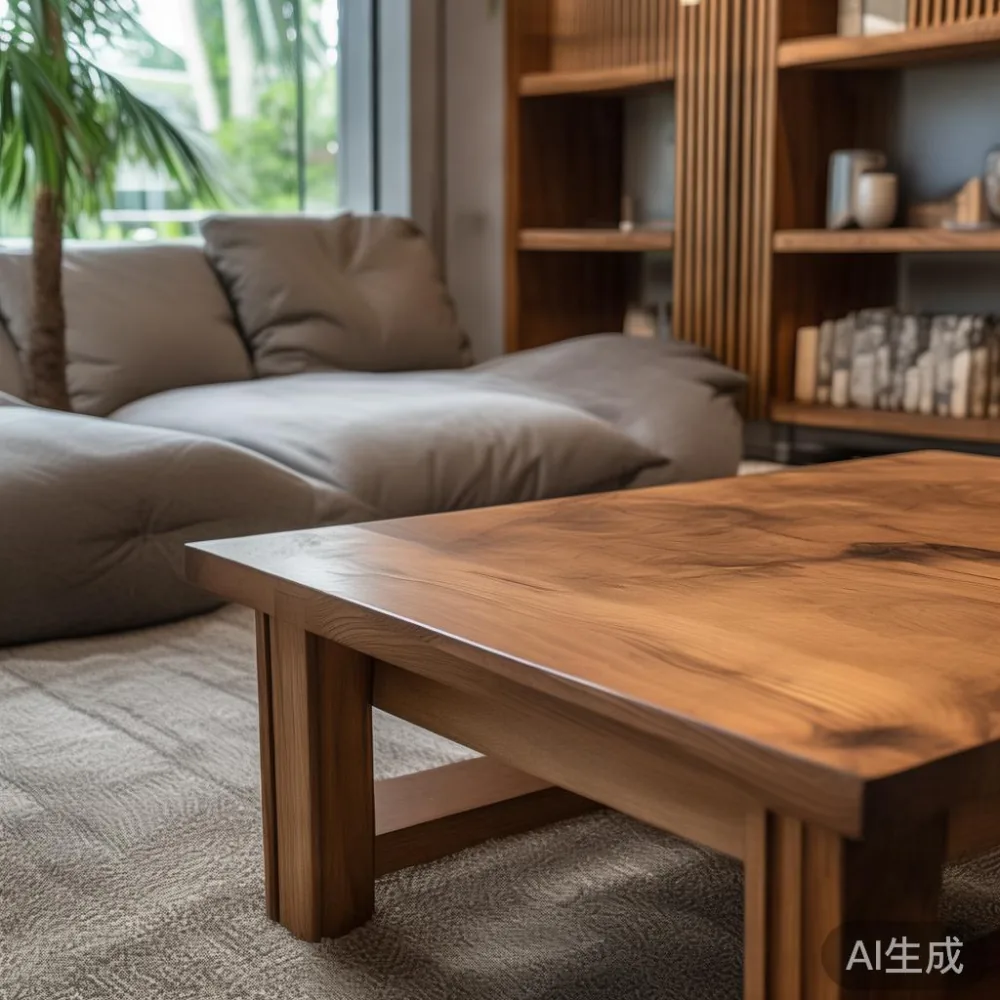
What does warm minimal actually mean in a 92 sqm HDB?
Warm minimal is not the same as Scandi minimal. Scandi minimal reads white, grey, and pale, with thin metal and pale oak. Warm minimal keeps the clean lines and the negative space, but pulls the palette toward honey oak, walnut, beige boucle, and chalky off-white. It also keeps textures warm — linen, unfinished oak, brushed nickel rather than chrome, honed marble rather than polished. In a Singapore HDB, where afternoon sun hits the east-facing living room and the air-con runs six to eight hours a day, warm minimal stops the space from feeling clinical.
The trick is restraint. One solid wood sofa in a kiln-dried oak frame, one bed frame in matching oak, one dining table in the same species, and one small marble table for the entry — that is enough. Anything more becomes a furniture showroom, not a home. Priya ended up with a 220 cm three-seater sofa that weighs 68 kg (lift-friendly because the heaviest single piece was under 80 kg), a 180 cm dining table that seats four comfortably and six at a push, and a 160 cm queen bed frame with a slatted base. Everything from the same species, everything matte, nothing glossy.
What palette of woods and stones works in a Bedok or Punggol flat?
Stick to two species of wood and one stone. The first species should carry the most weight in the room — that is usually the solid wood sofa frame or the dining table. The second species is the accent, used on a nightstand or the legs of a small side table. For Singapore light, I would avoid anything that reads pink or orange in afternoon sun; honey oak, ash with a slight grey-green cast, and walnut with a soft chocolate undertone all photograph warmly without looking dated in 2030.
For stone, a honed (not polished) marble table top in a soft cream or travertine tone reflects light without bouncing glare into the room. In Priya's flat, the entry marble table was 45 cm round and 50 cm tall — small enough to clear the corridor when movers tilt it past the staircase, and low enough that it does not block sightlines from the kitchen. She paid S$1,280 for the marble top on a slim oak base, and the whole unit weighs 14 kg, so it could go up the lift in one piece.
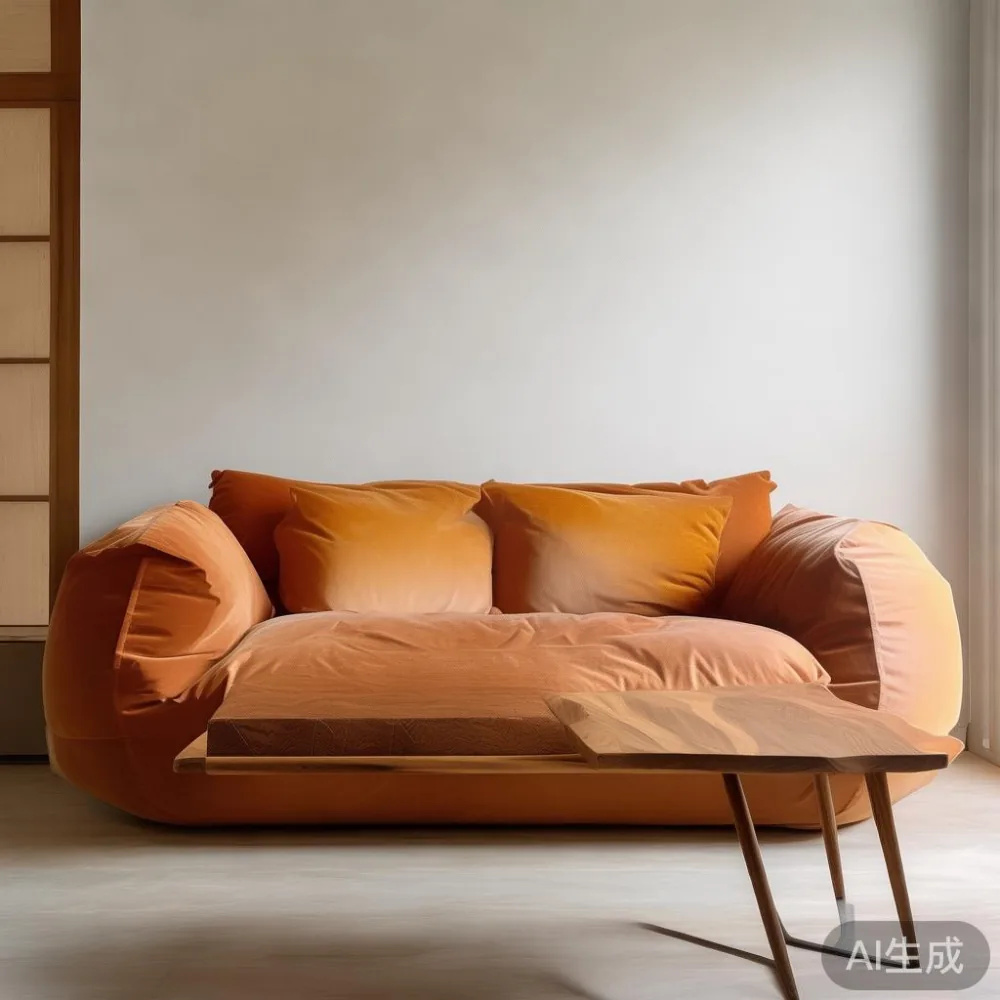
Which solid wood pieces actually justify the price in a Singapore home?
Buy solid wood where you sit, sleep, and eat. Skip solid wood where you store clothes. A solid wood sofa frame will outlast a fabric change three times over; a 10-year structural warranty on the frame is normal from any maker worth working with. A solid wood bed frame in queen (160 x 200 cm) or king (180 x 200 cm) is worth it because the slat system carries your sleep for a decade. A solid wood dining table in 180 to 200 cm seats four to six comfortably, and unlike a veneer top it can be sanded and refinished when the kids scratch it.
A wardrobe, on the other hand, can be engineered wood with a solid wood door front. Priya went with a 240 cm three-door wardrobe at S$2,450, where only the outer panels were solid oak and the carcass was laminated — saved about S$900 over a full-solid option, and no one will ever open the wardrobe and see the inside. The nightstand she chose was a small 50 x 40 x 55 cm oak unit at S$420, which matches the bed frame species exactly.
How do I choose a marble top for a home office?
For a Singapore home office, choose a honed marble top in cream or soft grey, 120 to 140 cm long, 60 cm deep, on a slim solid wood or black steel base, and keep the total weight under 35 kg so it clears your HDB lift without a special booking. If you want a French light luxury feel, pair a Carrara marble top with a matte black steel base and one slim oak drawer; if you prefer American light luxury, choose a thicker walnut base with a travertine top and visible grain. Post-modern light luxury works well too — a round 110 cm marble table on a brushed brass column reads warmer than chrome and still feels current.
What sizes actually fit a Singapore corridor and lift?
Measure twice, order once. A standard HDB passenger lift door opening is roughly 1.1 m wide and 2.1 m tall, with an internal depth of about 1.6 m. A standard service lift in newer condos like those in Punggol Northshore goes to 1.5 m wide and 2.4 m deep. Anything longer than 2.2 m in a single piece will not stand on flat floor, so a 220 cm sofa, a 200 cm dining table, or a 180 cm bed frame is the practical upper limit for a single lift trip. Our dining table was 180 cm and split into two boxes: top in one, legs in the other. The marble top arrived in a separate crate because stone is denser and heavier than oak.
For the corridor outside your door, measure between the lift and your unit. Most HDB corridors in Tampines and Bedok run 1.4 m wide; some Punggol BTO corridors are 1.5 m. Anything wider than 1.2 m on a single piece will need to be tilted, which is fine for a marble table top or a bed headboard but risky for a fully assembled wardrobe. Priya's wardrobe arrived in two flat-pack boxes of 32 kg each, and two movers carried it up in eighteen minutes. Delivery was free because her order crossed the S$350 threshold, and the GST was clearly broken out on the invoice at 9 percent.
How do you style a warm minimal room without it feeling empty?
Empty is not the goal. Warmth is the goal. Three rules I follow: one soft textile per seating zone, one piece of warm-toned wood visible from the door, and one stone or ceramic accent that catches the afternoon light. In the living room, a beige boucle throw on the solid wood sofa, a 120 x 180 cm wool rug in oatmeal, and the honed marble table by the entry already creates a complete picture. In the bedroom, a linen duvet in stone, the oak nightstand, and a single ceramic vase on top is enough. The wardrobe stays closed; closed storage is invisible storage in a warm minimal interior.
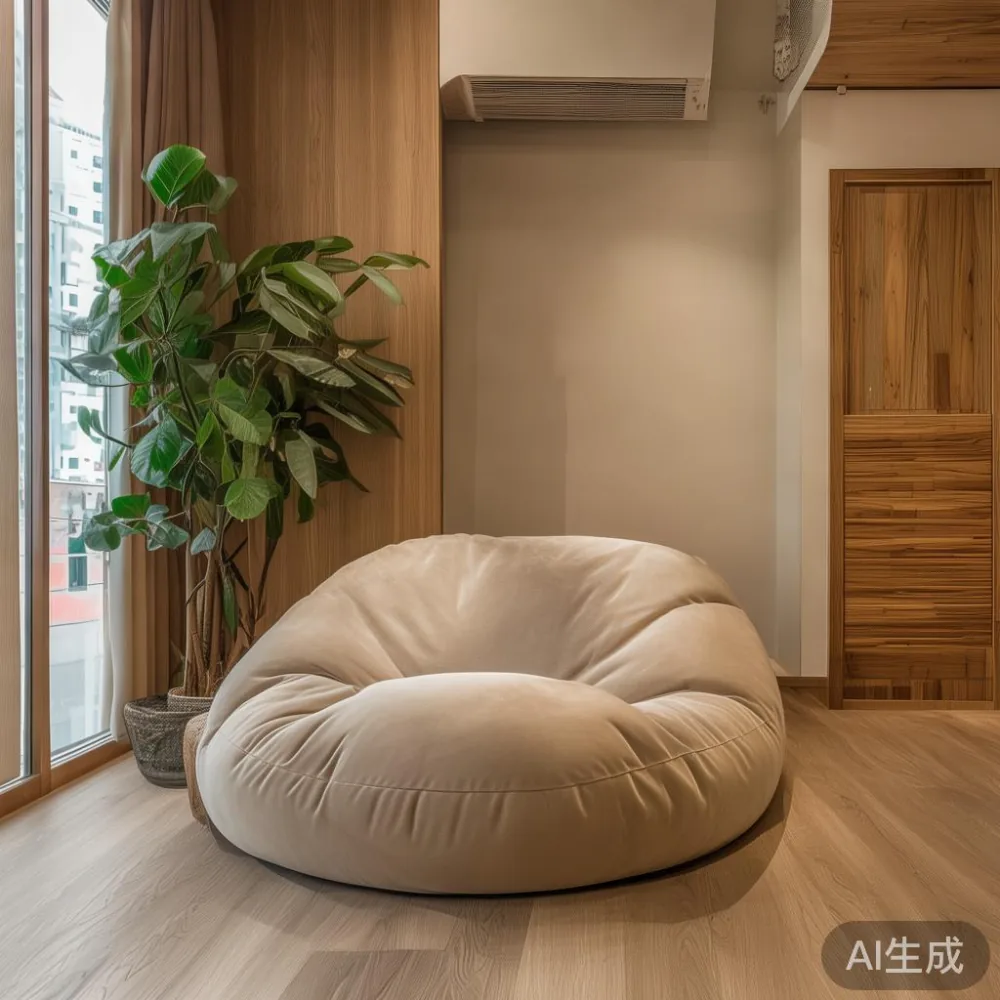
A word on seating that does not fit the solid wood brief: a well-made bean bag in boucle or linen is actually one of the easiest ways to add warmth to a corner that the sofa and armchair cannot reach. Priya placed a 90 cm boucle bean bag in the reading nook by the window, and it became the most-used seat in the flat within a week. A second smaller bean bag lives in her son's room at 70 cm, light enough for a seven-year-old to drag around the living room floor. Two bean bags in the whole flat is plenty; more than that and the room drifts back toward casual, away from minimal.
What about delivery, warranty, and after-sales in Singapore?
Ask before you pay. Any solid wood maker worth shipping to Singapore should give you a written structural warranty of at least ten years on sofa frames, bed frames, and dining table bases. Finishes and fabric should carry a separate warranty, usually two to five years. Lift-friendly packaging matters: flat-pack boxes under 35 kg per carton save you a S$60 to S$120 second-trip fee if the movers fail the first attempt. White-glove delivery to the door is standard; delivery into the room and assembly is usually S$80 to S$150 extra.
MIDHILL ships flat-pack from Foshan with a ten-year structural warranty and lifetime refinishing on solid wood tops — meaning if your dining table gets a bad scratch five years from now, you send a photo and they quote a sand-and-refinish at cost. For Priya, that single line in the warranty was the deciding factor between two otherwise similar oak dining tables at the same price. Returns within fourteen days are standard for unused pieces in original packaging, which matters if the marble table arrives and the veining does not match the sample you saw in the showroom.
One final note on money. Set a furniture budget of roughly 12 to 18 percent of the flat's value for a complete warm minimal set: one solid wood sofa, one queen bed frame with two nightstands, one dining table for four, one wardrobe, one marble table, and two bean bags. For Priya's Punggol 4-room, that came to S$7,200 including GST and delivery. She spent another S$1,100 on lighting, a rug, and linen, and called the room done.