How Humidity Affects Solid Wood Furniture in Singapore Homes
Singapore’s tropical climate changes solid wood furniture every day. Humidity rises during the monsoon periods, condensation appears on a 32-inch glass window, and a bedroom can hold 75% relative humidity even while the corridor outside remains warmer than 31°C. For residents of HDB flats in Tampines, Bedok and Punggol, as well as owners of compact condos, these conditions affect timber movement, finishes, hardware and comfort long before a visible crack appears.
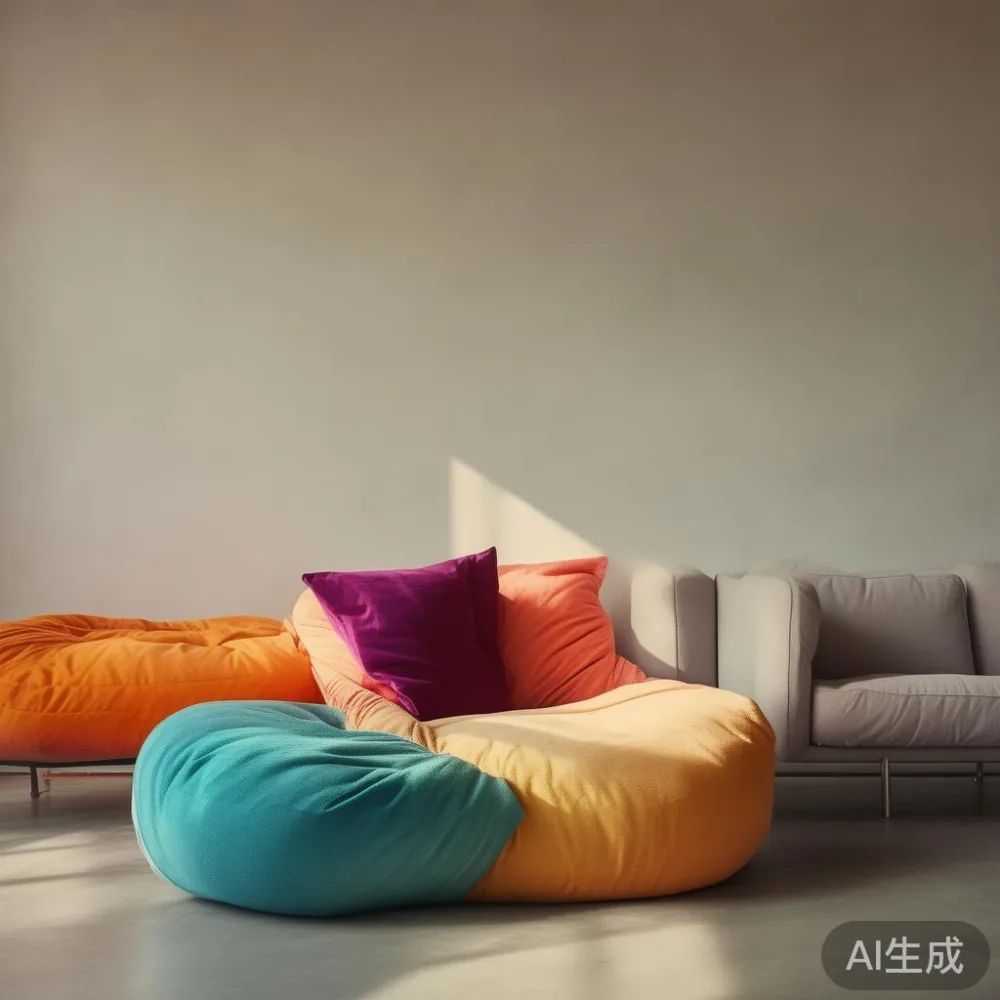
Bean bags face a different but related challenge. Their soft shells can trap moist air, while foam fillings gradually compress under a humid load. A solid wood base, by contrast, expands and contracts with changes in atmospheric moisture. The correct response is not to avoid wood or remove every bean bag; it is to understand how the materials behave, select suitable products and maintain them with a few measured routines.
At MIDHILL, established in 2008 and exporting to more than 15 countries, we build solid wood furniture for real living conditions. Our 10-year structural warranty reflects the joinery and frame design, while lifetime refinishing provides a practical route to renew surfaces affected by age, handling and tropical humidity.
How much humidity is normal in a Singapore home?
Outdoor relative humidity in Singapore commonly ranges from about 65% to 90%, with shorter periods above 90% during heavy rain and humid nights. Indoor readings are often lower because of air-conditioning, but they can still shift by 15 to 25 percentage points between a ventilated living room and a sealed bedroom.
A sensible indoor target for timber furniture and upholstery is approximately 45% to 65% relative humidity. This is not a demand for permanent air-conditioning. It means keeping large moisture swings away from the furniture, especially around windows, bathrooms and poorly ventilated corners. Use an inexpensive hygrometer placed near the floor and check it at roughly the same hour on 3 days each week. Place it about 30 cm from a wall so that it is not influenced by condensation.
Temperature matters too. A living area may move between 23°C and 31°C over a day. In a high-rise unit, a solid wood dining table close to a west-facing window could experience the daily cycle more strongly than a wardrobe positioned inside a corridor. Over 12 months, that repeated expansion and contraction can loosen joints, move door panels and make lacquered surfaces appear cloudy.
For Singapore households, direct coastal air is less important than the combination of heat, trapped vapour and slow ventilation. Air-conditioning helps because it lowers both temperature and moisture, but switching between a 24°C setting for 4 hours and a 28°C setting for 3 hours can create repeated surface changes. A stable 24°C to 26°C setting, combined with 10 to 15 minutes of ventilation after cooking or showering, is usually more manageable.
What humidity does to solid wood, veneer and marble?
Solid timber is hygroscopic: it absorbs moisture when the air is humid and releases it when the air dries. Movement depends on species and grain direction. Teak, oak and other stable hardwoods generally move less than softer timbers, yet even a 5 cm thick dining table top can gain or lose fractions of a millimetre across its width. Movement along the grain is much smaller than across it.
That is why a solid wood dining table should not be pressed tightly against a tiled wall or fitted with a rigid fixing at every point. Leave around 20 to 30 mm behind movable pieces where practical. The table should also stand at least 40 cm from a frequently opened balcony door, where warm outdoor air and room air meet.
Engineered components require similar care. A 18 mm MDF panel used inside a wardrobe may swell along exposed edges if moisture reaches the core. High-quality plywood with sealed edges is more stable, while fully sealed lacquer or veneer reduces exchange with the room. Avoid drilling new holes into an installed panel, because the added opening can admit moisture.
Marble behaves differently. A marble table does not expand much like timber, but heat and moisture can affect the resin used in some engineered slabs, while natural veins may react to acidic liquids. Wipe spills within 10 minutes and do not leave citrus juice, wine or acidic cleaners on the surface. A separate marble table should have stable support rather than being moved constantly between a dry bedroom and a humid balcony.
Metal hardware can corrode before the timber fails. A slightly damp environment may leave screw heads with fine rust around them. Check drawer runners, wardrobe hinges and bed frame bolts every 6 months. Tighten loose screws gently; overtightening can crush the timber. Applying a thin film of suitable lubricant to moving joints helps reduce friction and staining.
Can a bean bag be affected by Singapore humidity?
Yes. A bean bag has no rigid wooden frame in many designs, so the fill adjusts continuously as the body compresses it. In humid weather, moisture can enter the outer fabric and remain around the filling for longer, particularly if the bean bag is stored under a bed or pushed against a cool wall with a 2 cm gap. The result may be a faint damp smell, slower recovery after use or a surface that feels clammy.
Choose a removable, washable cover and check the care label before washing. Many polyester or cotton-blend covers can be washed at 30°C, but leather, velvet and memory-foam inserts have different instructions. For a bedroom bean bag, allow at least 5 cm of clearance on the side that touches the wall. Lift the bean bag at least once a week and rotate its position by 90 degrees so that one area does not carry the full load for years.
Do not overfill a bean bag simply because the cover feels thin. An underfilled bag may spread across a 180 cm by 180 cm area and become difficult to support, while an overfilled bag can place extra stress on its zipper and seams. Follow the stated fill quantity, and allow 10 to 15 minutes after opening the package for the filling to settle. For children’s rooms, remove small refill pellets and keep loose fill inaccessible.
Humidity also affects the timber platform beneath some bean bags. Stand it on a hard floor or washable mat rather than an untreated carpet, and keep it 10 cm away from a floor register if airflow is strong. If the platform begins to squeak, check whether the connector has loosened rather than immediately tightening the entire structure.
How should you protect a solid wood sofa and bed frame?
For a solid wood sofa with upholstered cushions, the main concern is the interface between fabric, foam and timber. Lift seat cushions every 2 weeks and let them breathe for 30 to 60 minutes. Vacuum upholstery with a soft brush attachment and keep moisture away from the frame. If a cushion has been near an open window during rain, move it 20 cm inward and dry it with gentle airflow rather than direct heat.
A bed frame needs space beneath it. In a typical 10 m² HDB bedroom, a 160 cm by 200 cm bed may leave less than 40 cm on two sides. This is workable, but humidity cannot dissipate if the frame is pushed tightly into a corner. Use 5 to 8 cm of rear clearance where possible, and leave a 20 cm gap from curtains that may transfer window moisture to the headboard.
Check the bed frame every 3 to 6 months. Listen for movement, inspect the centre support and look for daylight gaps at the joints. A minor gap of 2 to 3 mm can be caused by seasonal timber movement, while a wider or changing gap may indicate a loose connector. Keep the mattress support centred and avoid loading the footboard with daily items.
Textile care deserves equal attention. Keep fragrance diffusers, reed sticks and damp towels away from wood and upholstery. A room humidity reading taken beside a diffuser may not represent the rest of the room, and repeated direct contact can cause finish discolouration. For a calmer material palette, use cotton or linen throws and wash them every 2 to 4 weeks during the wet season.
How do you keep a dining table and wardrobe in good condition?
A dining table collects heat from cooking and moisture from dishes. In a kitchen-dining area, place it at least 1.2 m from the hob, or use a screen if the room is compact. Wipe the surface after meals, especially within the first 10 minutes, and use a placemat under a hot serving dish. Coasters should be at least 8 cm across to spread condensation and heat over a larger area.
For a dining table near an open kitchen, maintain steady ventilation. A window cross-ventilation arrangement can move 2 to 3 air changes per hour, while a wet kitchen may need its extractor running for 15 to 20 minutes after cooking. If condensation forms on the table near a glass wall, reposition it by 30 cm before adjusting the air conditioner.
A wardrobe requires airflow at its back and around doors. A freestanding wardrobe should normally have 5 to 10 cm behind it and 3 to 5 cm above, subject to the installation instructions. Built-in wardrobes need more careful planning because wall cavities can trap vapour. Inspect the edge banding and base every 6 months, particularly in a ground-floor Tampines flat or a Punggol unit near a wet bathroom.
There are several useful design approaches to how to style Japandi wardrobe in apartment layouts, including pale timber, restrained hardware and warm lighting. Those choices can make a bedroom feel open, but the mechanics still matter. Install a moisture strip behind the wardrobe where monitoring is needed, and avoid placing it directly against a cold bathroom partition.
Those comparing catalogues may also search top 10 French furniture collections for visual references. A French light luxury direction often pairs warm timber with curved edges, pale upholstery and a measured mix of classic and modern forms. The visual effect should be supported by correct installation rather than treated as a solution for dampness.
What is the right way to ventilate and clean wood furniture?
Ventilation works best as a routine, not an emergency response. In the morning, open windows for 10 to 15 minutes before the day becomes hot. In the evening, keep the air conditioner within a narrow range and close windows once outdoor humidity climbs above the indoor level. Avoid leaving a dining table beside a permanently open balcony door while rain is blowing sideways.
For routine care, dust with a dry microfibre cloth every week. Use a lightly damp cloth only if the finish permits it, then dry the surface immediately. Never soak timber edges, and do not spray cleaner directly onto a solid wood sofa, bed frame or dining table. Test an inconspicuous area first and wait 24 hours before treating the full surface.
Humidity readings should guide timing. If the room remains above 70% for more than 2 hours on several days, move the bean bag, lower cabinet doors and improve ventilation. If it repeatedly falls below 40%, investigate the air conditioner or heating setting rather than adding moisture with an uncalibrated humidifier.
Minor finish marks can be addressed through refinishing. A wax or oil finish may need attention every 12 to 24 months depending on exposure, while lacquer can last longer if stable. Apply care products in a ventilated area with gloves and a dust mask, and allow the surface to cure for the period stated on the product label. MIDHILL offers lifetime refinishing, which can be useful when a dining table or wardrobe has been exposed to years of Singapore humidity.
How can a Singapore buyer judge furniture quality before delivery?
Look at how a furniture maker handles moisture, not only how a piece appears in a photograph. Ask for the timber species, panel construction, finish type, warranty scope and expected care requirements. A credible 10-year structural warranty should cover frame or joinery failures under normal use, while a surface or finish warranty may have different terms. Clarify whether humidity-related finish maintenance is included and how replacement parts are supplied.
Measure the route before ordering. Standard HDB access corridors can be narrow, and a lift opening around 90 cm may reject a wardrobe assembled flat but unable to turn inside a stairwell. Give MIDHILL the unit block, floor and lift dimensions. A 180 cm tall wardrobe section may need to enter diagonally, while a 200 cm long bed frame may require an articulated carton or in-room assembly.
Plan the delivery day. Allow 1 delivery day within Singapore and another 1 to 3 days for in-room assembly or refinishing coordination, depending on the product and stock position. Orders over US$350 qualify for free shipping under the stated policy, although the final local quotation is shown in SGD and GST is applied where applicable.
For material direction, anyone researching Mid-century modern for dining room arrangements can compare solid timber dining tables with clean silhouettes and durable finishes. In practical terms, evaluate underside joinery, drawer dovetails, adjustable hardware and the stability of the surface at a 90 kg seated load. Confirm the actual table height too; around 74 to 76 cm suits most dining chairs.
Light-luxury design can still suit an HDB or condo footprint. French light luxury may use pale upholstery and curved profiles, American light luxury may focus on generous proportions, and post-modern light luxury may mix timber with restrained geometric details. The key is proportion: a 220 cm sofa can work in a 28 m² living room, while a 260 cm model may overwhelm a 20 m² space. Searching how to style light luxury sofa in room layouts can help with scale, but leave at least 60 to 90 cm between the sofa and coffee table for a usable path.
For a guest bedroom, European for guest room styling often centres on a compact bed frame, a slim nightstand and practical storage. Check that door and wardrobe clearances remain at least 60 cm where possible, and that the nightstand stands no closer than 10 cm to a cold exterior wall. If a marble table is used as a bedside surface, keep drinks on a separate tray and wipe them promptly.
Before accepting the furniture, inspect it in the final room for 24 hours. Look for condensation near windows, compare the hygrometer reading with the previous week, and check corners and joints. The 14-day returns period provides an opportunity to identify fit or finish issues, but major moisture-related damage should be reported promptly with photographs and measurements.
What care schedule works through Singapore’s wet seasons?
A simple schedule is more reliable than occasional intensive cleaning. Check humidity on 3 days each week, wipe wood surfaces every 1 to 2 weeks, and inspect hinges and bolts every 6 months. Air a bean bag cover and cushions every 2 weeks. During especially wet weeks, move the bean bag away from exterior walls and open the wardrobe for 15 minutes on dry mornings.
Use coasters, placemats and trays to separate drinks from timber and marble. Replace damp curtains after washing and keep wet laundry out of a bedroom wardrobe. A dehumidifier may help a room that stays above 70%, but select it by measured room volume rather than marketing claims and empty the tank every 2 to 3 days.
Most importantly, keep moisture changes gradual. Stable temperature, sensible ventilation and clean surfaces will protect a solid wood sofa, bed frame, dining table, wardrobe, nightstand or marble table far more effectively than waiting for visible mould or swelling. That is how furniture made for a tropical home can retain its proportions, finish and visual calm across Singapore’s changing seasons.