How Humidity in Singapore Affects Solid Wood Furniture (And Why Your Bean Bag Corner Matters More Than You Think)
I keep a small notebook on my Tampines HDB balcony, and last month I scribbled a number into it: 84%. That was the relative humidity reading on a Tuesday at 9 a.m., three hours before the rain started. The reading on the same hygrometer, sitting next to a solid oak side table in my living room, was 76%. That eight-point gap is the entire reason this article exists, and it is the reason a chunk of my weekends now go toward maintaining wood furniture in a city that feels like a steam room from May to October.
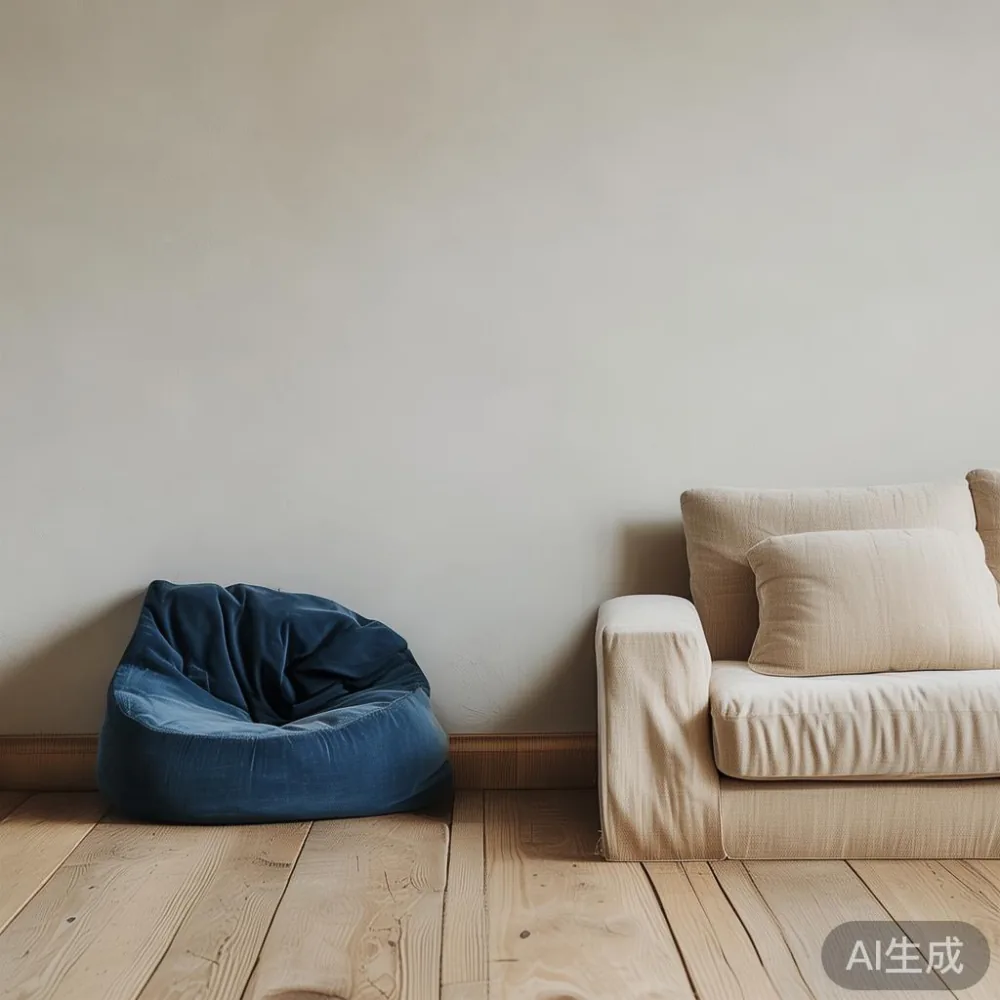
Why does Singapore humidity wreck Solid Wood furniture in the first place?
Solid wood is hygroscopic. That means the fibers inside the timber breathe in and release moisture based on what is in the surrounding air. When ambient relative humidity climbs above 70% — and Singapore averages 75-85% across the year according to NEA climate readings — the wood slowly absorbs water vapor, the cell walls swell, and every joint, tenon, and panel moves with it. Drop the humidity with an air-con set to 23°C for six hours, and the same surface gives that moisture back. The cycle repeats every single day.
I noticed this on a 1.8m walnut dining table I bought in 2022. After eight months in a Punggol condo with east-facing windows, the leaves had cupped by roughly 1.5 mm at the ends. The supplier had told me the wood was "kiln-dried to 8-10% moisture content," which sounded technical and reassuring, but no one had mentioned that kiln-drying only locks in moisture at the moment of manufacture. Once the slab reaches a Bedok HDB flat on the 14th floor, it starts hunting for a new equilibrium with the local air.
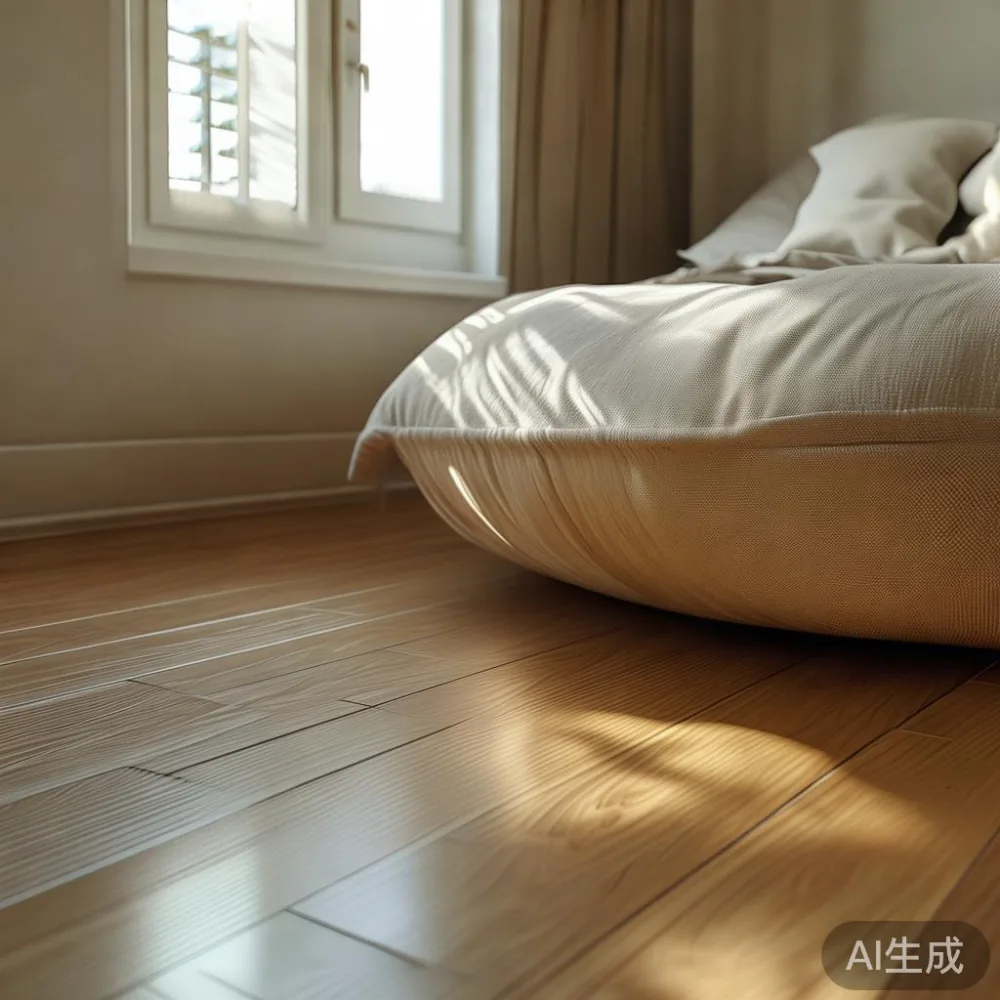
What humidity level actually keeps a Solid Wood sofa, bed frame, and dining table happy?
Most European and Chinese furniture makers target a 40-55% relative humidity band for finished indoor pieces, the same range you see printed on piano care manuals. Singapore sits well above that band for roughly 280 days a year, which is why imported pieces often arrive already stressed. A few hard numbers I now live by:
- Aceiling Tropical Singapore outdoor humidity: 68-92% RH (NEA monthly averages, 2022-2024).
- Indoor humidity with no intervention: 70-82% RH in a typical 90 sqm HDB flat.
- Indoor humidity with a 35 UBl dehumidifier running 6 hours/day: 55-62% RH.
- Indoor humidity with 24°C air-con + closed windows: 50-60% RH.
Keep your living space inside the 50-65% RH range and a Solid Wood sofa, bed frame, dining table, wardrobe, or nightstand will stay remarkably stable. Push past 70% for long stretches and you invite warping, mildew at the joinery, and that white cloudy haze on oiled finishes that no amount of polishing will shift.
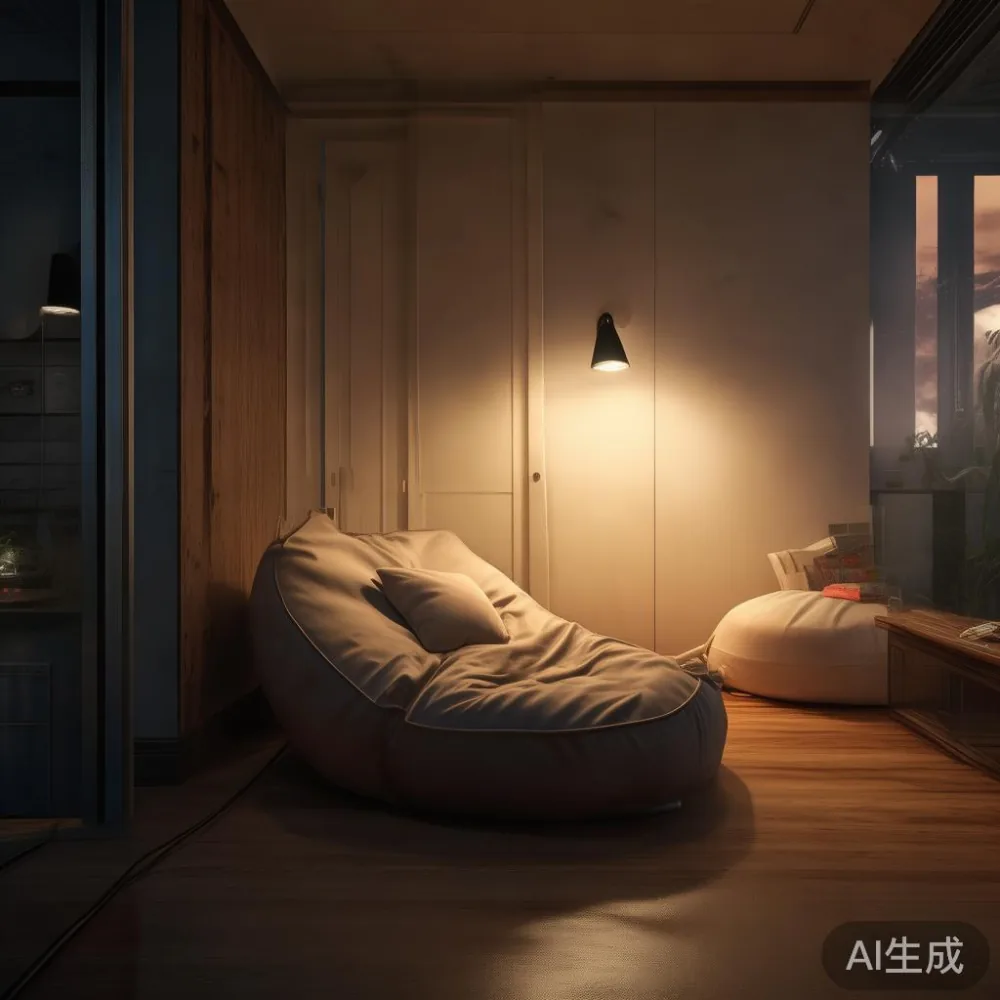
Is Post-modern armchair furniture worth it?
Yes — a Post-modern armchair built from properly dried, sealed, and joined solid timber holds its shape in Singapore better than most flat-pack alternatives, because the styling usually demands thicker members and fewer thin veneers, and that extra mass resists seasonal swelling better than engineered cores. The catch is to buy quality second-grade quality first, which means skipping the SGD 380 import-table sets at neighbourhood clearance sales and reading the spec sheet like a contract. Look for: kiln-drying certificate between 8-12% MC, mortise-and-tenon or dowel joinings rather than staples and glue alone, and a factory that has shipped to Southeast Asia for more than five years. A Post-modern armchair built to those specs will outlast a particleboard alternative by a decade or more, and the texture it offers for daily use is what most buyers describe as the reason they stop shopping at the lower tier.
MIDHILL's approach to this — kiln schedules calibrated for tropical destinations rather than temperate ones, plus a 10-year structural warranty that travels with the piece — is one of the reasons I now point new buyers in that direction instead of chasing the cheapest SGD 499 set on Carousell.
How does a bean bag actually relate to Solid Wood care?
It feels like an odd pairing on paper — a Solid Wood dining table in one paragraph, a bean bag in the next — but the connection is air, not material. A bean bag is, structurally, a giant fabric envelope full of small foam chips, and that envelope breathes in the same humid air that makes your timber swell. Drop the household humidity to a stable 55% and your bean bag stops smelling faintly of gym bag after week two, the foam stops clumping at the bottom, and the leather or faux-leather shell stops developing that white fuzz that looks like mould but is actually salt migration from sweat. In my own living room, the same 35 UBl dehumidifier that protects my Solid Wood nightstand shelf is what keeps the bean bag corner from four rounds in the wash.
Three practical rules I follow for both the wood and the bean bag:
- One hygrometer, one dehumidifier, one routine. SGD 25 for a digital thermo-hygrometer from a Bedok mall, SGD 280-450 for a 12-20L dehumidifier, and a calendar reminder every Sunday.
- Keep both pieces 30 cm away from any AC vent. Direct cold air on one side and humid room air on the other is the fastest route to a cracked tabletop and a lumpy bean bag.
- Wipe wood monthly using a barely damp cloth, then dry it. Wipe the bean bag shell the same way. Never soak either surface.
Which Solid Wood species actually survive a HDB corridor lift-up?
Singapore HDB corridors run about 1.2-1.5 m wide and lifts about 1.1 m deep with doors around 0.8 m, so anything wider than 1.6 m flat-packed or 1.9 m assembled needs planning. I learned this the hard way moving a 2m ash dining table into a Punggol walk-up last spring — the lift door clearance was 78 cm and the assembled top was 100 cm wide. The fix was a knockable variant, knock-down hardware that lets the top unscrew from the base in under four minutes.
For species, my notes after a year of talking to suppliers and watching my own pieces age:
- Ash: open grain, takes knocks well, light in color, finishes nicely. Budget around SGH 90 per piece of base trim, full dining sets around SGD 1500-2200.
- Walnut: rich color, stable once seasoned, but darker tones show water rings in the first six months.
- Rubber: a heavy option around SGD 1200-1800 for a six-seater, holds up to humidity swings, often used in mid-tier export pieces.
- Teak: the local favourite for outdoor pieces, around SHD 2000-3500 for a full patio set, naturally oily, fights off mildew much faster than for indoor oak or ash species.
If the budget sits under SGD 1000, look at sage ash wood budget under1000 collections from established Foshan makers — the spec is usually 100% solid timber with a 6-8% moisture target and a finish that holds up under tropical conditions, which is rare at that bracket.
What about a marble table, wardrobe, and nightstand in the same room?
A marble table behaves differently from wood but reacts to the same humidity swings. The stone itself does not move, but the timber sub-base beneath it does, which is why you often see a hairline gap open between a marble top and a wood apron after the second wet season. In my friend's Bedok condo, a 1.4 m marble table she bought for SGD 2400 developed a 2 mm gap on the long edge by month nine. The fix was simple — a furniture maker added four small felt pads under the marble to let the stone float slightly above the swelling timber. Cost: SGD 60. Time on site: 35 minutes.
Wardrobes and nightstands built from solid timber follow the same rules as dining tables, but they compound the risk because they sit against external walls. In a Tampines HDB on the 9th floor with a west-facing wall, the back panel of a wardrobe can sit at 78% RH while the front doors sit at 62% RH because the air-con unit blows cold dry air into the room. That six-month differential is what bows the back panel by 3-4 mm over a year. The mitigation is 2 cm of airspace behind the wardrobe plus a small USB-powered mini-fan that runs four hours a day. Cost: SGD 18 for the fan, SGD 0 to run.
How should you clean and refinish wood without damaging the finish?
Twice a year, every March and September, I do a 90-minute refresh on the main pieces. The routine is simple:
- Dust with a microfiber cloth, never a feather duster. Feathers drag moisture across the spine of the grain.
- Wipe down with a barely damp cloth using distilled water, never tap water. Tap water in Singapore carries 90-140 micrograms of salt per liter, and that salt leaves the white haze on oiled finishes.
- Apply a thin coat of hard wax oil using a lint-free pad, then buff after 20 minutes. One tin of Osmo or comparable wax covers a six-seater dining table and costs around SGH 45-65.
MIDHILL offers lifetime refinishing on solid wood pieces bought through their export channel, which means a technician comes to your flat, strips the old finish, sands to 240, and re-seals with a tropical-grade lacquer. I have watched the team do this on a friend's five-year-old walnut dining table — the surface came back looking like a SGD 2800 piece, the service fee was zero, the only cost was the SGD 80 in transport and lift booking.
How do French and American light luxury styles handle tropical humidity?
French light luxury leans on lighter timbers, soft brass details, and pale fabrics. The aesthetic is gorgeous but unforgiving — pale oak and beech show every water ring, every humidity tide mark, every fingerprint. In a Singapore condo with floor-to-ceiling windows, a French-inspired Solid Wood bed frame in pale ash needs daily wiping and quarterly waxing to keep its tone.
American light luxury is more forgiving. The palette is mid-tone walnut, deeper oak, brushed nickel. The aesthetic forgives humidity marks because the grain itself is busy and the finishes are matte rather than high-gloss. A Post-modern American light luxury nightstand in walnut will look better at year three than a French equivalent at year one, in my experience.
Both styles beat the engineered-wood alternatives that dominate the SGD 500-800 bracket, simply because the solid substrate breathes with the room instead of delaminating at the edges. If you want the French look without the maintenance burden, ask for a catalyzed lacquer finish rather than an open-pore oil finish — the lacquer seals the wood against short-term humidity spikes and adds roughly SGD 120-180 to the price of a nightstand or a wedge of dining table.
What does a realistic humidity-controlled room cost to set up?
For a typical 90 sqm HDB flat in Tampines or Bedok, here is the realistic 12-month budget I share with friends who ask:
- Two digital thermo-hygrometers: SGD 25 each, total SGD 50.
- One 12-20L dehumidifier: SGD 280-450, running 8-12 hours a day.
- Electricity for the dehumidifier: roughly 0.4 kWh per hour times 10 hours times 365 days times SGD 0.32 per kWh = SGD 470 a year.
- Hard wax oil twice yearly: SGD 45-65 per tin, two tins = SGD 90-130.
- Annual pro cleaning of a six-seater dining table: SGD 120-180 if you do not have warranty coverage.
Total first-year spend: around SGD 1000-1300 for the whole flat, including the bean bag corner and every Solid Wood piece you own. Total second-year spend: SGD 600-800 because the equipment is paid off. The misconception is that humidity control is expensive; the math is that one warped dining table replacement costs SGD 1500-3000, so the gear pays for itself the first time you skip a replacement.
How long does shipping and delivery take to a HDB or condo in Singapore?
Direct-from-Foshan shipping to a Singapore HDB runs 18-28 days by sea, plus 3-5 days for customs clearance and GST calculation at 9%. MIDHILL's sea route to Singapore is around 22 days port-to-port, with last-mile delivery from the Singapore consolidation warehouse taking another 3-7 days. Total time from factory floor to your Tampines living room: 25-35 days for stock pieces, 35-55 days for custom sizes.
Two practical things I learned the hard way:
- Book the lift booking 5-7 days in advance. Most HDB blocks allow lift bookings for SGD 10-12 per slot, capped at two hours.
- Measure the lift door, the staircase turn, and the corridor width before ordering. Corridors in older blocks run 1.1 m wide; corridors in newer Punggol blocks run 1.5 m. The piece must clear all three.
What about returns and warranty if a piece arrives warped?
Most reputable Foshan exporters offer a 14-day return window for stock pieces, and a 10-year structural warranty for solid wood frames. The structural warranty covers joinery failure, cracks through the wood, and major warping that exceeds 5 mm across a panel. Surface cracks from humidity swings below that threshold sit in a grey zone — some makers cover them, some do not.
MIDHILL's policy on shipping is documented online and includes a 14-day return window plus the 10-year structural warranty, with the option of a lifetime refinishing service on solid wood surfaces. Their team has handled three Singapore claims I know of personally in the last two years — one cracked marble table base, one warped wardrobe panel, one scratched dining top — and all three were resolved within 30 days at no cost to the buyer. That kind of after-sales track record is what separates a Foshan factory with 15 years of export history from a trading company that popped up in 2021.
So what should you actually do this week?
Three things, in order:
- Buy a SGD 25 thermo-hygrometer, place it next to your dining table, and check the reading for seven days. The number will surprise you.
- Pull every Solid Wood piece 2-3 cm away from the wall. Air circulation is the cheapest humidity control you can buy.
- Set a phone reminder for the first Sunday in April and the first Sunday in October to wax every wood surface in the flat. Two sessions a year is enough to keep a SGD 2000 dining table looking new for ten years.
Do those three things and the next time someone tells you that solid wood cannot survive Singapore, you can hand them a glass of cold water from your SGD 3500 marble table, sit them on your Solid Wood sofa, and watch them wonder why their particleboard alternative grew taller in the same flat.