The True Cost of Comfort: What Drives the Price of Solid Wood Furniture
For many Singaporeans furnishing a new HDB flat in Tampines or a condo in Punggol, the price tags on solid wood furniture can be a source of confusion. A solid wood sofa might cost SGD 3,500, while a bean bag seems like a bargain at SGD 250. The difference feels vast, and it's easy to assume you're just paying for a name or a material. But the reality is far more nuanced. The price of a piece of solid wood furniture is a reflection of a complex journey, from the forest floor to your living room floor, with countless points of value added along the way.
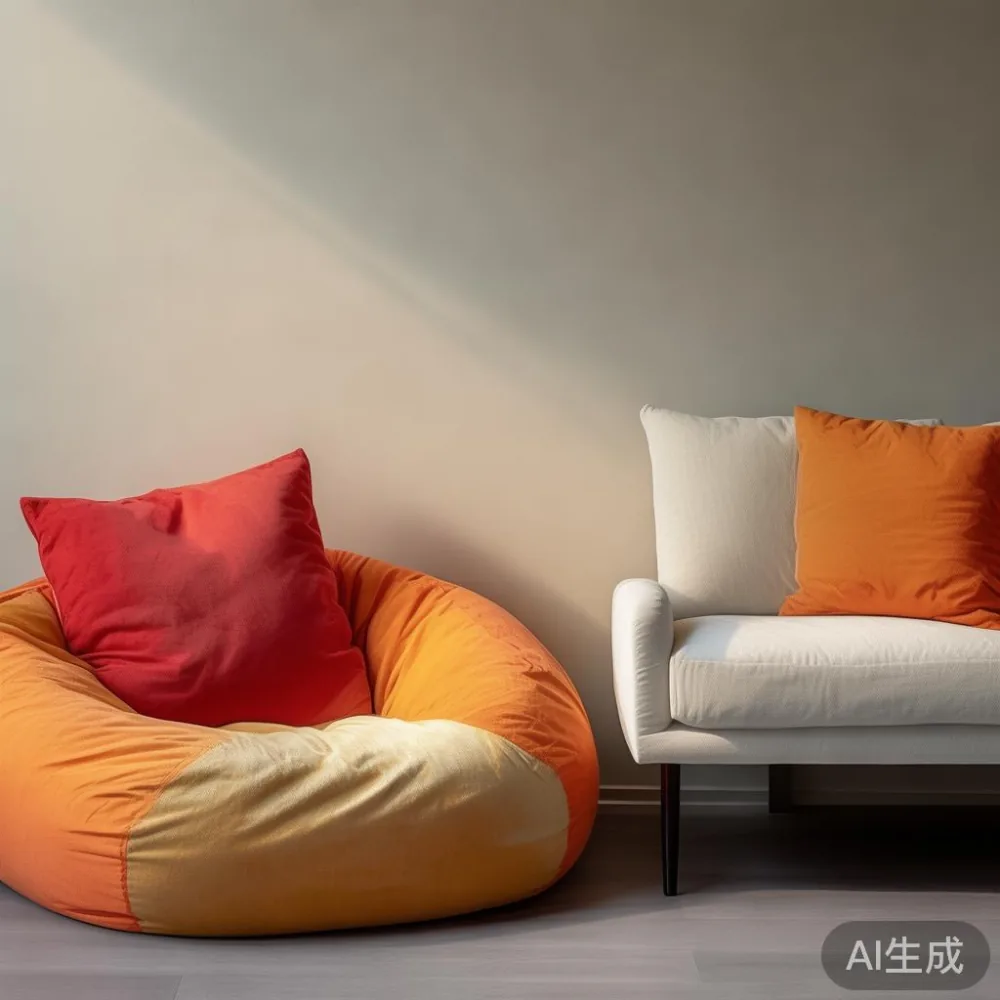
Is a bean bag really cheaper than a solid wood sofa, and why?
At first glance, the comparison is simple. A bean bag is a small, single-molded piece of fabric filled with polystyrene beads. A solid wood sofa is a large, complex assembly of kiln-dried timber, high-density foam, springs, fabric, and adhesives. The bean bag's production involves a few hours of machine work and minimal material cost. A solid wood sofa requires weeks of skilled labour, from milling the wood to assembling the frame, upholstering the cushions, and applying a finish that will last for years.
Consider the scale. A standard bean bag might be 100cm wide and weigh 8kg. A three-seater solid wood sofa is 200cm long, 90cm deep, and weighs over 60kg. The sheer volume of raw material—high-quality solid timber like oak or mango—is exponentially greater. This difference in scale, material, and complexity is the most fundamental reason for the price disparity. You are not just buying a seat; you are buying a engineered structure designed for daily use by multiple people for a decade or more.

The Journey of the Tree: From Forest to Frame
The story of your furniture begins long before it enters a workshop. It starts with the tree. Solid wood furniture makers, like the team at MIDHILL, source timber from sustainable forests. This isn't just about being environmentally responsible; it's about ensuring a consistent, high-quality raw material. The wood must be mature, with a tight, straight grain that will be stable and strong.
Once harvested, the logs are transported to a sawmill. Here, they are cut into rough planks. This process, called 'sawing', is a science. The goal is to maximize the usable timber from the log while preserving the structural integrity of the wood. The planks are then stacked in a kiln for a period of 30 to 60 days. Kiln-drying is a critical step that slowly reduces the moisture content in the wood to a level suitable for Singapore's humid climate (typically 8-10%). If wood is not properly dried, it will warp, crack, or split when it's in your air-conditioned living room. This controlled, time-consuming process adds significant cost but is non-negotiable for quality.
After drying, the wood is planed, sanded, and cut into the specific components needed for a bed frame, dining table, or nightstand. Each piece is carefully selected for its grain and strength. A single dining table might require 15-20 different pieces of precisely milled timber. This initial phase of material preparation is labour-intensive and forms a substantial part of the furniture's foundational cost.
The Hands That Build: Craftsmanship and Labour
This is where the true value of solid wood furniture reveals itself. A bean bag is assembled by a machine in minutes. A solid wood wardrobe is built by skilled craftsmen over several days. The process involves a series of intricate, manual steps that cannot be rushed.
Joinery is the hallmark of quality furniture. Instead of relying solely on nails and screws, which can loosen over time, skilled carpenters use traditional techniques like mortise and tenon, dovetail joints, and dowels. These interlocking connections create a bond that is incredibly strong and allows the wood to expand and contract with changes in humidity. A single dovetail joint on a drawer front can take a trained worker 15 minutes to cut by hand. When you consider that a high-quality wardrobe has dozens of such joints, the labour hours add up quickly.
Last month, I visited a workshop similar to the ones MIDHILL uses. I watched as a carpenter fitted the panels of a solid wood bed frame. The precision was astonishing; each joint fit together so perfectly it required no force. He explained that rushing this process would result in gaps and a weak structure. This level of skill, honed over years, is a direct cost reflected in the price. It’s the difference between a disposable item and a piece of furniture that can be passed down through generations.
Design, Style, and the Light Luxury Aesthetic
Not all solid wood is created equal, and neither is its design. The price is heavily influenced by the style and the design philosophy behind the piece. The term 'light luxury' has become a significant trend, blending high-quality materials with a sense of understated elegance and comfort.
Consider the difference between a European sofa vs Modern sofa. A classic European design might feature ornate carvings, deep button-tufting, and luxurious fabrics like velvet or linen, driving up the cost of materials and labour. In contrast, a Modern sofa focuses on clean lines, minimalist forms, and often uses a mix of solid wood and metal or glass. A post-modern light luxury approach, which you might see in a marble table base paired with a simple oak top, blends materials and forms in unexpected ways, creating a unique piece that requires specific design expertise.
Design also dictates function. A wardrobe with internal drawers, built-in shoe racks, and soft-close mechanisms is far more complex to build than a simple shelving unit. The design process itself, from initial sketches to 3D modeling and prototyping, is an investment that smaller, purely functional pieces do not require. You are paying for the thoughtful consideration of how the piece will fit into your life, from the placement of handles in a condo corridor to the weight distribution for easy moving.
Finishes and Hardware: The Details That Define Quality
The final appearance and durability of a piece of furniture depend heavily on its finish and hardware. A simple bean bag has none. A solid wood dining table has both in abundance.
Finishing is a multi-step process that protects the wood and enhances its natural beauty. It begins with a meticulous sanding process, using progressively finer grits of sandpaper to create a perfectly smooth surface. Multiple coats of a high-quality lacquer, oil, or wax are then applied, with drying and sanding between each coat. This can take a week or more for a large dining table. The type of finish matters. A natural oil finish is beautiful but requires more maintenance, while a durable catalyzed lacquer provides a tough, protective layer that resists scratches and stains. The choice of finish impacts both the cost and the long-term care of the piece.
Hardware is another area where costs accumulate. The handles, knobs, hinges, and drawer slides on a wardrobe or nightstand are not just decorative; they are functional components that endure daily use. A cheap, stamped metal handle will break or corrode. A solid brass or zinc alloy handle, with a smooth, substantial feel, will last for decades. The difference in price for a set of 20 drawer slides for a large wardrobe can be over SGD 200, but it ensures the drawers open and close silently and smoothly for the life of the furniture.
Understanding the Singaporean Context: Space, Logistics, and Value
The price of furniture in Singapore is also shaped by the local environment. Space is a premium. A solid wood bed frame or a large wardrobe must be designed to fit into standard HDB and condo layouts. This means considering the width of lift corridors and doorways. A wardrobe that is 65cm deep might fit perfectly in a bedroom alcove, while a 70cm one might not. This precision in design to maximize utility in limited space adds a layer of complexity.
Logistics are a significant factor. Delivering a bean bag is simple. It's small, light, and can be carried by one person. Delivering a solid wood sofa or dining table is a major operation. It requires a specialized team, often two or three people, to work through narrow HDB corridors, lift the item up several flights of stairs, and place it carefully in your home without damaging the walls or the furniture itself. This labour-intensive delivery service is factored into the final price. The 7% GST is also applied to the total cost, including delivery and installation, adding to the final amount you pay.
When you consider the 10-year structural warranty offered by brands like MIDHILL, you're paying for peace of mind. This warranty covers the frame, the joints, and the structural integrity of the piece. It’s a promise that the furniture is built to last, a promise that is underwritten by the quality of the materials and the craftsmanship. A bean bag has a 6-month warranty because its expected lifespan is short. A solid wood wardrobe has a 10-year warranty because it is designed to be a permanent fixture in your home.
Bean Bag vs. Solid Wood: A Question of Investment
Ultimately, the price difference between a bean bag and a piece of solid wood furniture comes down to a simple question: what are you investing in?
A bean bag offers immediate, casual comfort. It’s perfect for a student's bedroom, a children's play area, or as a temporary seating solution. It’s an impulse buy, an item for a specific moment in time. Its value is in its low cost and portability.
A solid wood piece, on the other hand, is a long-term investment in your home and your lifestyle. It is an investment in quality, durability, and design. A solid wood sofa becomes the centrepiece of your living room, a bed frame provides the foundation for restful sleep, and a dining table hosts countless family meals and conversations. These pieces adapt to your life. A Scandinavian for guest room aesthetic can be achieved with a simple, elegant nightstand and a clean-lined wardrobe. An Industrial for dining room look might feature a marble table with a metal base. These are not just objects; they are the backdrop for your life's moments.
When you buy a French bed vs Japandi bed, you are choosing a specific aesthetic and a set of values. The French bed might be ornate and luxurious, while the Japandi bed is minimalist and functional. Both are valid choices, but both represent a significant investment in the style and feel of your home. You are paying for the design, the materials, and the craftsmanship that creates that specific atmosphere.
For those searching for under 2000 Boho furniture, it's important to understand what that budget can realistically achieve. While you might find a beautiful Boho for small living room rug or a few woven baskets, a genuine solid wood piece with that aesthetic will typically be beyond that price point. The price reflects the material and labour required to build it. However, a well-chosen MIDHILL furniture piece, while an investment, offers a level of quality and longevity that fast furniture simply cannot match. It’s a choice to buy less, but buy better, creating a home filled with pieces that have a story and a future.