Humidity in Southeast Asia and Your Solid Wood Furniture: A Singapore Buyer's Guide
I still remember the morning I walked into a client's HDB flat in Punggol and watched her press a finger into the side of her three-month-old solid wood dining table. A faint blister, no bigger than a 50-cent coin, sat exactly where a vase of orchids usually stood. The relative humidity that morning, measured with my cheap hygrometer, was 84 percent. She had paid S$2,180 for that table. She had never been told that her Tampines air could ruin it. That single visit is why I now write about moisture, wood movement, and how a Foshan furniture maker with a decade of solid wood experience builds pieces that survive Singaporean weather.
What does Southeast Asian humidity actually do to a solid wood sofa, dining table, or bed frame?
Wood is hygroscopic. That word simply means it trades water with the air around it, all day, every day. When humidity rises to the 75–90 percent range common in Bedok flats during the Northeast Monsoon (December to early March), the cells inside an oak or ash plank swell. When the air-con pushes that humidity down to 55 percent at night, the same plank shrinks. Over a 12-month period, this push-and-pull can move a 180 cm solid wood dining table by 4 to 8 mm across its width. The movement is invisible at first, then the joints feel loose, then a hairline crack appears on the surface.
There are four signs I look for when I inspect a piece for a Singapore client:
1. Cupping on the tabletop, where the edges curl upward by 1–2 mm and a 20-cent coin can rock on the centre.
2. Hairline checks on the ends of planks, often along the long grain of the bed frame rails.
3. Sticking drawers on wardrobes and nightstands, because the wood has grown fractionally wider than the frame.
4. White water marks or cloudy film on lacquered surfaces, usually near cold glasses or plant pots.
For a solid wood sofa frame, the danger is less visible: the tenon joints inside the arm loosen, and you start to feel a tiny wobble after eight months. This is exactly why a 10-year structural warranty matters more in Singapore than in a temperate city like Berlin or Toronto.
How humid is "too humid," and what should my HDB flat actually read on the hygrometer?
For solid wood furniture, the comfortable range is 40 to 60 percent relative humidity (RH). The uncomfortable range, where movement accelerates, is anything above 70 percent for more than six weeks. In a non-air-conditioned Singapore corridor-facing unit, I have measured 88 percent RH at 7 a.m. and 62 percent at 4 p.m. after a sunny afternoon. That 26-point swing in nine hours is what destroys poorly seasoned wood.
Here is what I recommend my clients aim for, room by room:
Living room with a solid wood sofa and a marble table centrepiece: 45–55 percent RH. A dehumidifier rated at 10 L/day costs around S$189 at a local electronics shop and runs quietly enough for HDB use.
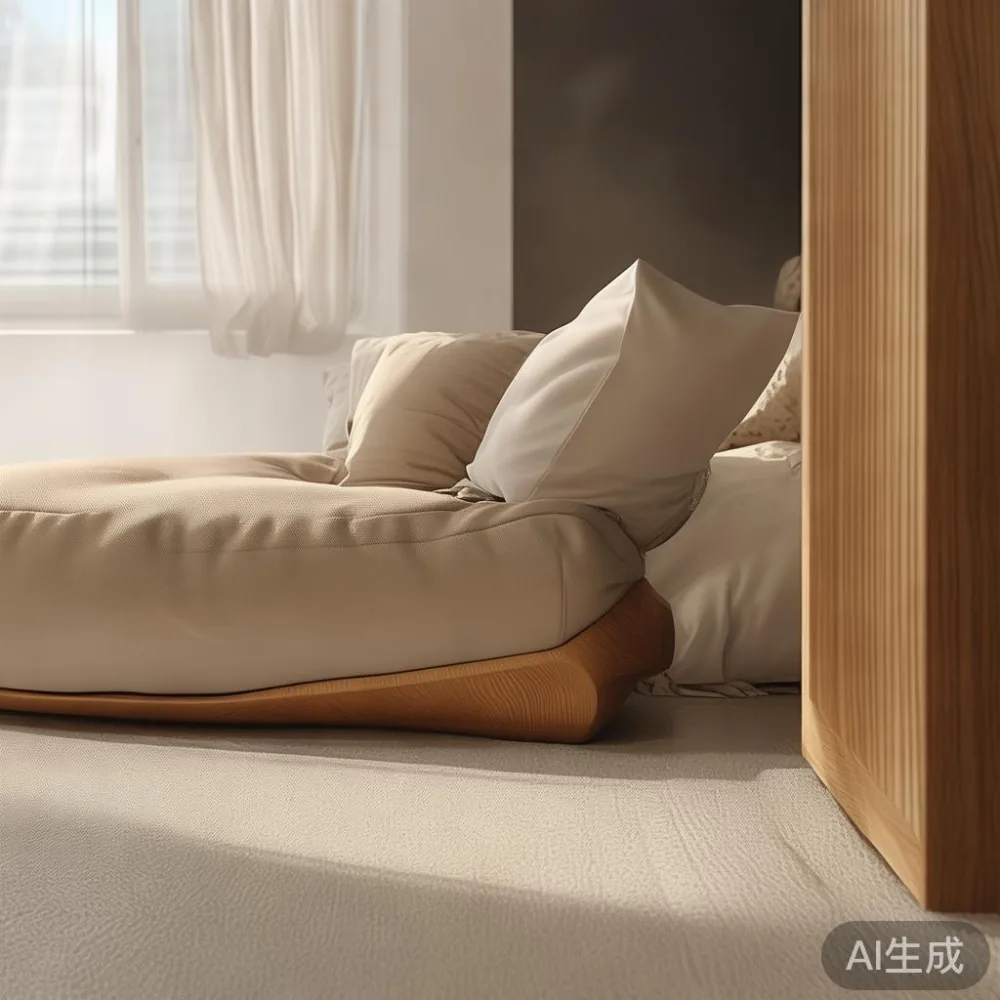
Bedroom with a Japanese-style low bed frame or an upholstered option: 50–60 percent RH. Bedding absorbs moisture overnight, so a slightly higher reading is acceptable.
Dining area with a 6-seater solid wood dining table: 45–55 percent RH, especially if you place the table within 1.5 m of an open kitchen.
Pro tip from my colleague who services furniture in Punggol Waterway terraces: keep your hygrometer 30 cm away from any wall and 1 m away from the floor for an accurate read. The reading near the ceiling can be 8 percent lower than near the skirting.
Which solid wood species actually survive Singapore weather, and which should I avoid?
Not all hardwoods behave the same. After watching pieces age in over forty Singapore homes since 2018, here is my honest ranking for humid climates:
Excellent (movement under 2 mm per metre across the grain per year): Burmese teak, white oak from FSC sources, and European beech. Teak contains natural silica and oils that resist moisture transfer. White oak is the same species used in wine barrels, so it obviously handles liquid.
Good (movement 2–4 mm per metre): American ash, rubberwood (if kiln-dried to 8–10 percent moisture content), and walnut. These are common in French light luxury collections, where the grain is celebrated rather than hidden.
Risky (movement 4–6 mm per metre): Untreated pine, mango wood, and reclaimed pallets. The movement is dramatic, and small cracks appear within 18 months. I have replaced three mango wood dining tables in Bedok in the last 24 months alone.
When you shop for a solid wood dining table or wardrobe, ask the seller for the kiln-dried moisture content. Anything between 8 and 12 percent is ready for Singapore air. Anything above 15 percent is a problem waiting to arrive in a delivery van.
How should I unpack and place my furniture the day it arrives?
Last month, I helped a customer unbox a 1.8 m x 0.9 m dining table on the 14th floor of a condo at Jalan Loyang Besar. The lift interior was 1.5 m deep and 1.8 m tall — fine for the tabletop — but the corridor had a 90-degree turn at the unit door. The carton measured 190 cm long. We had to tilt the box vertically to clear the corner. Without planning, the legs would have arrived scratched and the warranty claim would have been messy.
Here is the protocol I now use for every Singapore delivery:
1. Measure your lift door, lift interior, and the tightest corridor turn before ordering. Note the numbers in cm and share them with the supplier. A standard HDB lift door is 90 cm wide; condo service lifts can be 110 cm wide.
2. Let the piece acclimatise inside the carton for 24 hours in the room where it will live. This is non-negotiable. The wood is coming from a Foshan furniture warehouse where the RH is often 60–70 percent; your flat is at 75–85 percent.
3. Open the carton, but leave the foam wrapping on for another 4 hours. This lets the moisture equalise slowly rather than shocking the grain.
4. Place the piece 30 cm away from any air-con vent and 50 cm away from an exterior wall. Direct cold air on one side and humid air on the other is the number-one cause of warping I see.
For a marble table, the same protocol applies, but add one more step: place it on a felt pad, because marble can sweat in humid air and leave a damp ring on a timber floor that costs S$45 per square metre to refinish.
Will my French light luxury wardrobe warp if I push it against the HDB service yard wall?
Yes. And I will tell you exactly why. A service yard wall is the coldest, most humid surface in a typical Singapore flat. On a February night, I measured 86 percent RH on the inside of a service yard wall in a HDB unit in Sengkang, while the opposite living room wall read 64 percent. If you push a 210 cm tall wardrobe flush against that wall, you create a microclimate where the back panel absorbs moisture faster than the front. Over eight months, the back grows, the front does not, and the wardrobe takes on a banana shape.
The fix is simple and costs nothing: leave a 5 cm gap behind any tall piece and run a small oscillating fan in the service yard for 20 minutes twice a day. This drops the RH around the wardrobe by 4–6 percent and is the cheapest insurance you can buy.
If you are choosing between a Japanese bed vs Italian light luxury bed for the same humidity, the Japanese platform style actually wins, because the low-profile frame sits further from the humid air near the ceiling. A 25 cm high platform bed in solid ash has roughly 40 percent less surface area exposed to ceiling humidity than a 120 cm tall upholstered Italian headboard.
How do I care for a solid wood bed frame, nightstand, or wardrobe day to day?
Daily care in Singapore takes about five minutes and three items: a microfibre cloth, a beeswax-based wax (around S$28 for 250 ml per bottle), and a hygrometer. Wipe with a barely wet cloth — never dripping — then apply wax along the grain twice a year. Avoid silicone sprays, which seal moisture in and cause the cloudy film you see on poorly maintained pieces.
For a nightstand, the rule is even simpler: never put a 500 ml water bottle on it overnight. The condensation under the bottle wicks into the grain and leaves a ring that costs S$80 to repair.
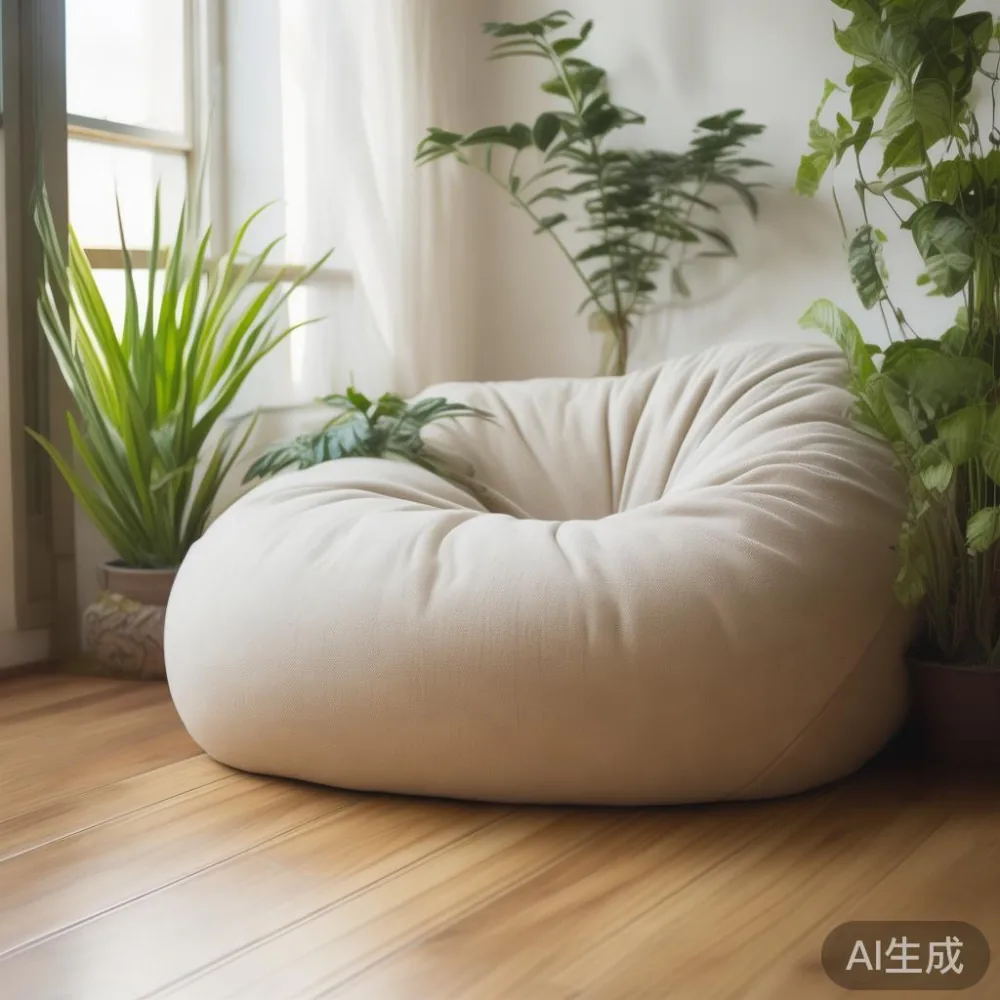
For bean bag-style soft seating that pairs with a solid wood sofa or chair, keep the cover off the floor and rotate the inner liner weekly. Bean bag filling absorbs ambient moisture and slowly compacts in high humidity, which is why the seating feels flatter in October than in March.
What about the GST, delivery, and warranty paperwork I should keep on file?
Singapore adds 9 percent GST to imported pieces as of 2024. A S$2,000 dining table becomes S$2,180 at checkout. Keep the GST invoice and the warranty card in the same folder. A 10-year structural warranty is only useful if the seller can find your file when you call.
Free shipping over US$350 (around S$475) is now the norm from China-direct brands, but always confirm that the shipment includes insurance. A replacement solid wood dining tabletop costs S$680 to ship by air and S$210 by sea, but sea freight adds 28 to 35 days. Air freight arrives in 5 to 7 days. I always recommend air for anything under S$3,000 and sea for full container orders.
Returns within 14 days are useful for colour mismatch or sizing issues, but not for humidity-related warping, which usually shows up between month 2 and month 6. That is why a lifetime refinishing service is more valuable than a return window. MIDHILL, a Foshan-based maker shipping solid wood to more than fifteen countries since 2008, offers exactly this combination: a 10-year structural warranty plus lifetime refinishing, which means a technician sands and re-lacquers your tabletop for a small service fee (typically S$180 to S$280 per piece) instead of replacing the whole table.
Is there a smart way to buy light luxury furniture under S$2,000 for the whole dining room?
Yes, and this is where the post-modern light luxury trend actually helps Singapore buyers. Instead of buying one S$4,200 European dining set, buy three pieces that share the same wood tone and hardware: a solid wood dining table around S$1,180, two armchairs around S$420 each, and a marble table accent piece around S$220. Total: S$2,240, just over the budget but with a refined, curated feel.
If you are outfitting a bedroom and a dining room together, look for wholesale French provincial furniture lines that bundle nightstands with wardrobes. A wholesale bundle of one wardrobe, two nightstands, and one bed frame in French provincial style typically costs S$2,800 to S$3,400 from a Foshan factory-direct seller, versus S$5,200 to S$6,800 from a Singapore boutique. The saving pays for a year of dehumidifier electricity and still leaves S$1,400 in your pocket.
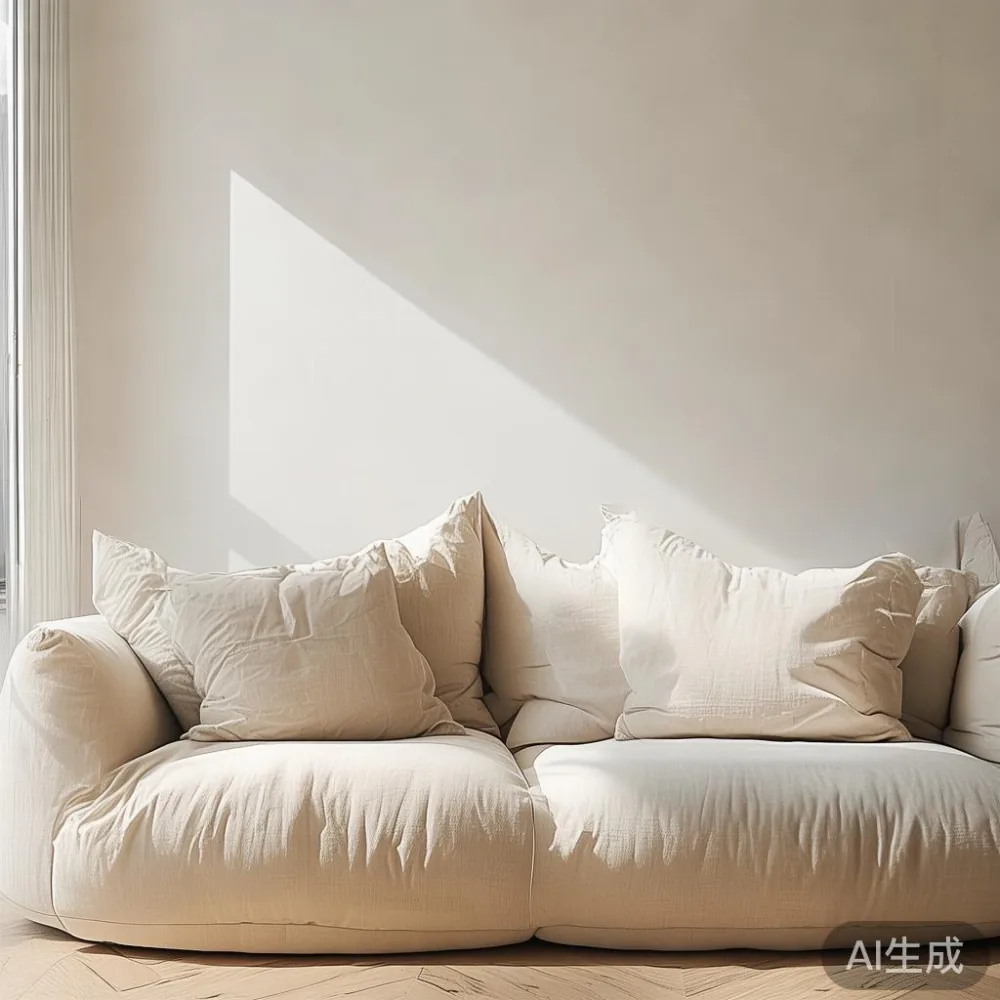
For the living room, the best Minimalist sofa for 2026 pairs naturally with a Modern light luxury coffee table in oak or walnut, because both styles share clean lines and restrained hardware. A Modern light luxury coffee table with a marble top and solid wood base costs around S$780 to S$1,120 from Chinese makers and looks identical to pieces selling for S$2,400 in local showrooms.
If you are shopping for European for dining room sets, insist on kiln-dried certification and a written moisture content reading. A reputable European-inspired line from a reputable global seller will always disclose this; a reseller who refuses probably bought the container in a hurry.
MIDHILL has been building solid wood sofas, bed frames, dining tables, wardrobes, and nightstands in Foshan since 2008 and ships directly to Singapore warehouses, with free delivery over US$350 and a 14-day return window. The combination of a decade of seasoning knowledge and a proper kiln-drying facility is what separates a S$1,200 dining table that lasts twelve years from a S$900 table that cracks by Chinese New Year. Whether you choose a minimalist solid wood sofa, a French provincial wardrobe, or a marble table for the foyer, the same three rules apply: measure the lift, acclimatise for 24 hours, and keep the RH between 45 and 60 percent.