Solid Wood vs Veneer: A 5-Year Cost Comparison for Singapore Furniture Buyers
A bean-bag chair feels easy to buy — you pick a colour, you plop it down, and the living room gets a little softer. The decision gets complicated the moment you bring home a solid wood dining table, a wardrobe, or a bed frame that is supposed to anchor the entire flat for the next half a decade. I learned this the hard way. Last month I visited a friend in Punggol who had re-furnished her 1,055 sq ft HDB resale flat twice in five years. The first time, she bought veneered engineered-wood pieces from a mall brand in Tampines. The second time, she went with solid wood furniture from MIDHILL, a Foshan-based maker shipping directly to Singapore. The receipts on her kitchen counter told a clearer story than any showroom pitch.
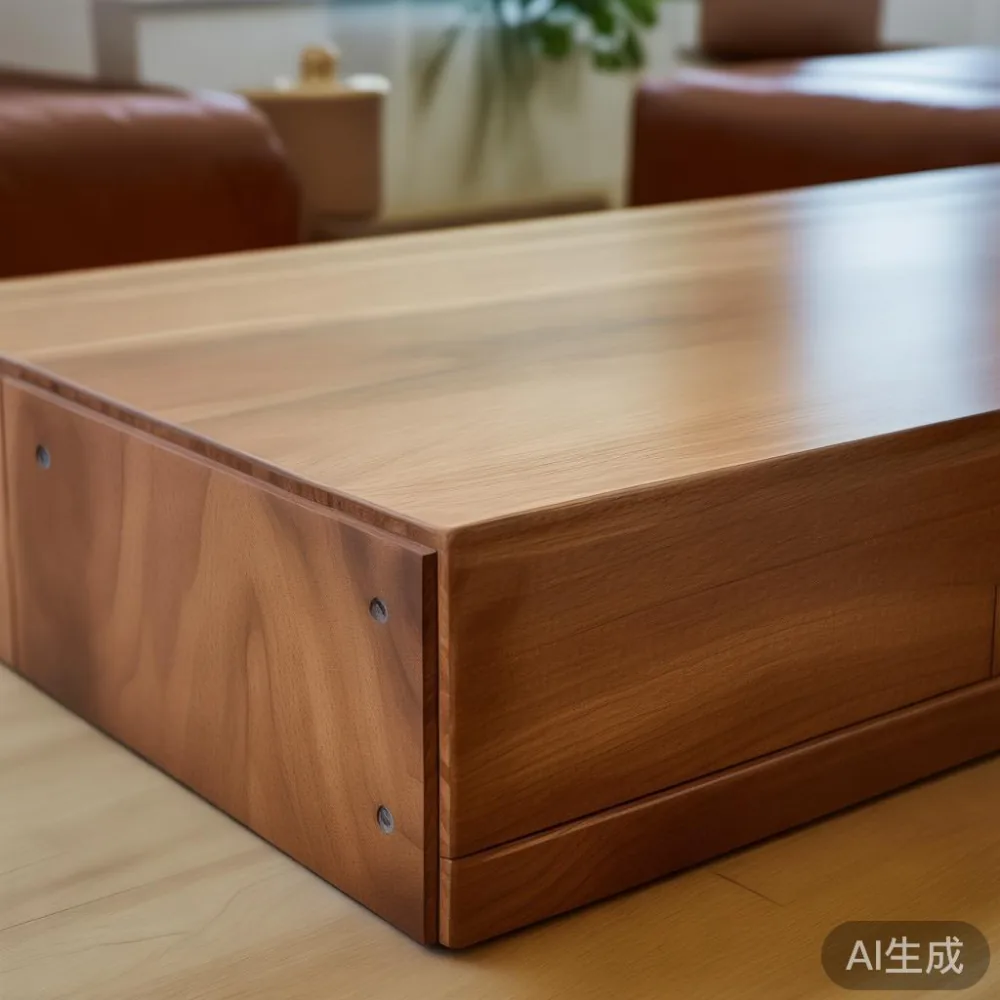
What is the real 5-year cost difference between veneer and solid wood furniture in Singapore?
The real 5-year cost difference between veneer and solid wood furniture in Singapore usually lands between SGD 2,800 and SGD 6,400, depending on how many pieces you replace. A typical bedroom set (bed frame, two nightstands, and a 3-door wardrobe) costs around SGD 1,600 in engineered panels with melamine veneer in year one, and another SGD 1,400 to SGD 2,200 to replace damaged sections between years three and five. The equivalent solid wood bedroom set costs roughly SGD 3,800 to SGD 5,200 in year one and zero replacement cost across the same window, assuming normal use. Add a 180 cm solid wood dining table at SGD 2,400 and a comparable veneer table at SGD 950 plus SGD 450 replacement after year two, and the five-year gap widens quickly.
Why does veneer furniture fail faster in HDB flats and condos?
Singapore is a tough environment for thin materials. Two structural realities make the difference. First, lift widths in most HDB blocks run between 1.1 m and 1.5 m, and corridor passages narrow further around 0.9 m, so flat-pack panels arrive in long pieces that get stressed during transport. Second, average daily humidity in Singapore swings between 65% and 88% across the year, with no real dry season. Engineered panels with a 0.3 mm to 0.6 mm melamine or paper veneer layer handle that swing poorly. Once the edge band lifts — usually between months 18 and 30 — moisture creeps into the MDF or particleboard core, the surface bubbles, and a bed frame leg or a wardrobe side panel starts to sag.
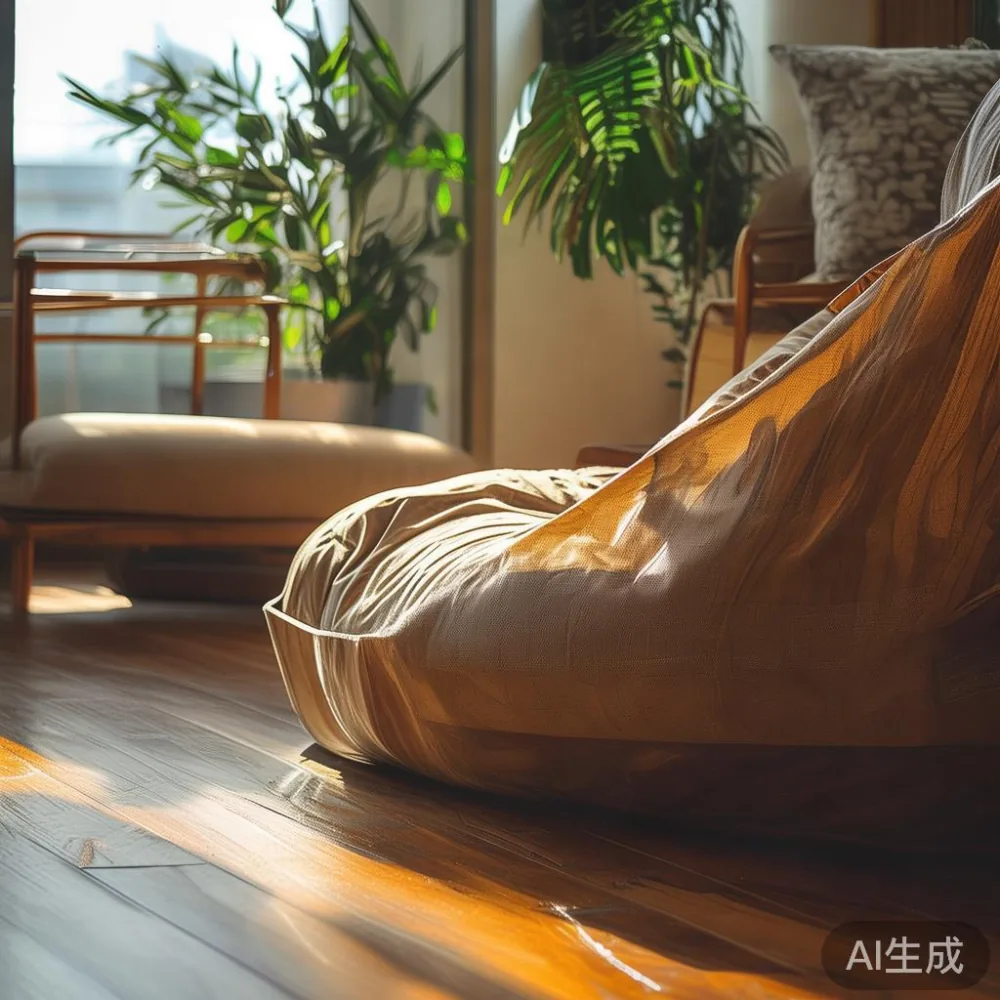
Solid wood reacts to the same humidity, but it reacts as a single piece. A 4 cm thick rubberwood dining table can be refinished rather than a 0.6 mm decorative sheet used to coat an MDF dining table from premium manufacturers. That distinction is the entire economic argument in one sentence: veneer is replaced, solid wood is repaired.
What does a 5-year receipt book actually look like for each option?
I sat down with my Punggol friend and we wrote it out, including GST 9% on every line. Here is the realistic shape, in Singapore dollars:
Veneer path (Bedok mall brand, 4-piece bedroom set + 180 cm dining table + 4 dining chairs):
- Year 1 purchase: SGD 2,550 (1,600 bedroom set + 950 dining table and chairs)
- Year 2 wardrobe door re-edge banding: SGD 180
- Year 3 bed frame centre rail sag, full replacement: SGD 950
- Year 4 dining table top delamination, replaced: SGD 450
- Year 5 dining chair wobble, replaced two of four: SGD 220
- 5-year total: SGD 4,350
Solid wood path (MIDHILL direct shipping from Foshan to Singapore, free above US$350, around SGD 490 threshold):
- Year 1 purchase: SGD 5,400 (3,800 bedroom set including a solid wood bed frame, two nightstands, 3-door wardrobe + 2,400 dining set + 200 freight top-up)
- Year 2: SGD 0
- Year 3: SGD 0
- Year 4: lifetime refinishing touch-up on dining table, SGD 0
- Year 5: SGD 0
- 5-year total: SGD 5,400
The veneer path looks cheaper in year one by SGD 2,850. By year five, the gap closes to roughly SGD 1,050, and the veneer owner owns a tired-looking second set while the solid wood owner still owns the original set. A solid wood wardrobe at 60 cm depth by 200 cm height by 180 cm width weighs around 95 kg; the veneer equivalent weighs 48 kg, which is exactly why it fails — there is not enough mass to hold a hinge straight for six months.
How does American light luxury change the way these numbers feel?
The American light luxury aesthetic leans on thick proportions, soft neutrals, and a sense of weight. A solid wood sofa frame at 220 cm length by 95 cm depth, with a 12 cm arm height and kiln-dried hardwood rails, fits that aesthetic almost by definition. A veneer sofa at the same dimensions can mimic the silhouette, but the 18 kg frame feels hollow when you sit, and customers notice. French light luxury pushes the same direction with marble tables and curved lines: a 120 cm round marble table on a solid wood base weighs between 78 kg and 92 kg, holds its alignment through five Singapore monsoons, and still looks deliberate rather than tired.
This is why light luxury buyers in Tampines and Bedok condos keep landing on solid wood even when the sticker price stings. The piece has to feel grounded. A 35 kg solid wood nightstand next to a 45 kg solid wood bed frame reads as a designed pair. A 14 kg hollow-core nightstand next to a 45 kg solid wood bed frame reads as a mistake within a year. Post-modern light luxury takes the same principle and turns it playful: tapered solid wood legs on a dining table, exposed joinery on a wardrobe door, an honest 4 cm edge profile on a marble table top rather than a printed 0.3 mm stone-look laminate.
How do I choose a standing desk for a home office?
Pick a standing desk with a solid wood or powder-coated steel frame, a minimum top thickness of 2.5 cm, a motor rated for at least 120 kg, and a width between 120 cm and 160 cm to fit two monitors at 60 cm each. The frame material matters more than the top material for longevity, and a desk with a 10-year structural warranty on the frame will outlast three veneer desks with melamine surfaces. If you want to compare back to the living room, the same logic applies: a solid wood dining table or solid wood bed frame is a structural anchor, while a veneer piece is a surface.
What about the bean-bag pieces in a Singapore home?
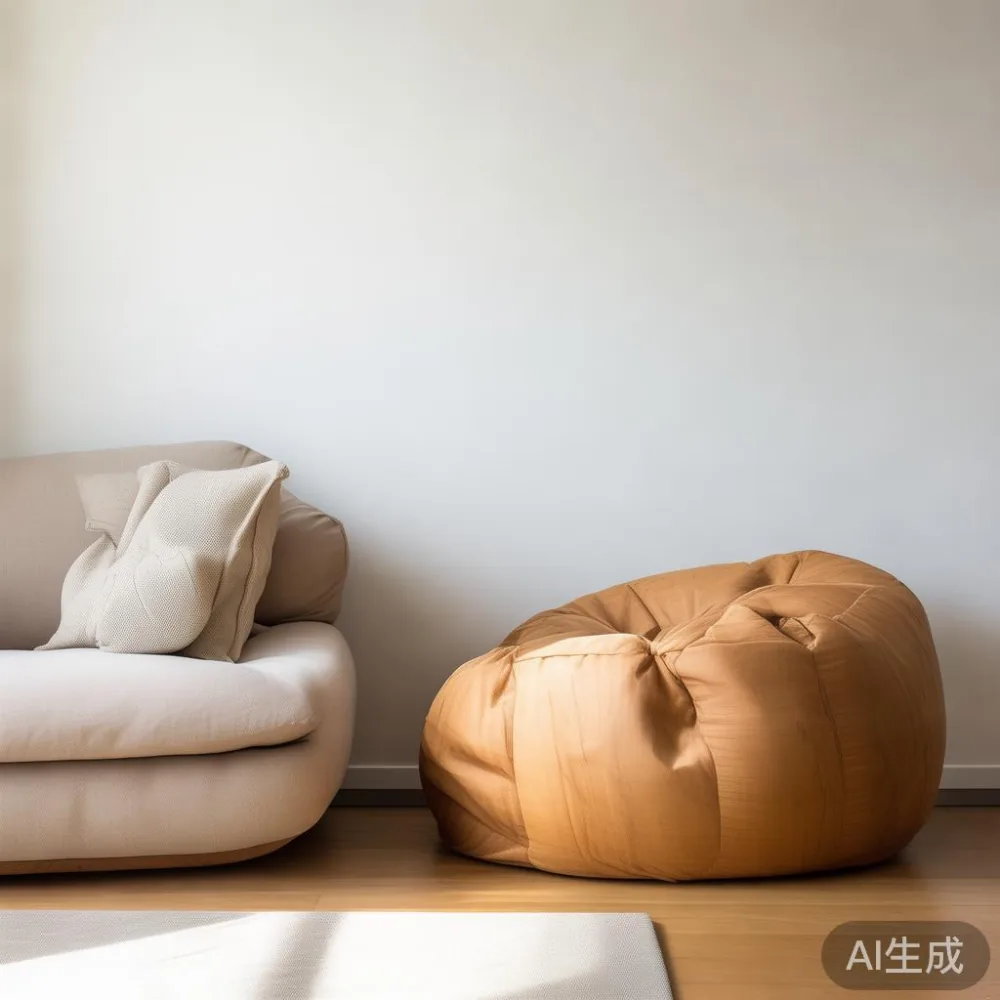
The bean-bag category behaves differently from a solid wood dining table or a wardrobe, and that is worth saying out loud. A bean-bag chair is a soft good — fabric or leather over a filler, usually 2 kg to 6 kg, easy to move from a 1.55 m wide HDB corridor into a 12 sq m bedroom. Two or three of them in a 990 sq ft BTO layout costs roughly SGD 380 to SGD 720 total, and they last three to five years with normal use before the filler compacts. The mistake is treating the bean-bag as a substitute for a solid wood sofa frame. A solid wood sofa frame at the same seat price holds its shape for a decade; a bean-bag needs refilling or replacement in the same window.
For a Tampines family with two young kids, the smart five-year mix is often one solid wood sofa frame plus a bean-bag or two in the play corner. For a Punggol couple in a 1,023 sq ft condo, a solid wood dining table with four solid wood dining chairs plus a single bean-bag reading chair covers seating without crowding the 2.8 m ceiling-to-floor curtains.
Does MIDHILL actually deliver to Singapore, and how long does it take?
Yes, MIDHILL ships from Foshan to Singapore with consolidated sea freight that usually lands in 18 to 28 days from order confirmation, door to door. Orders above US$350 (around SGD 490) ship free. The pieces arrive flat-packed but properly jointed — mortise and tenon on the bed frame, dovetail on the nightstand drawers, full-length rails on the wardrobe. Assembly in a 1,200 sq ft Bedok HDB took my friend and her husband one full Saturday for the bedroom set plus the dining table. MIDHILL also offers lifetime refinishing on solid wood pieces and a 10-year structural warranty, which is what made the five-year receipt book above possible. A 14-day return window covers the initial unboxing stage if a panel is damaged in transit.
What is the honest verdict after five years and SGD 5,400?
Pay the SGD 2,850 extra in month one, and your wallet thanks you in year three. Pay the lower sticker price in month one, and your wallet pays the difference in years three and four anyway, just in smaller bites that are easier to ignore. The receipt book is the receipt book. A solid wood dining table, a solid wood bed frame, a solid wood wardrobe, and a pair of solid wood nightstands are the four pieces where the math turns clearly in favour of solid wood over any five-year window. A marble table in the living room or a bean-bag in the play corner are personal and stylistic — buy what you like. For the structural anchors that hold a Tampines HDB, a Bedok condo, or a Punggol resale flat together, the five-year cost of solid wood is lower than the five-year cost of veneer, and the home looks less tired at month sixty.