Selecting the Perfect Bean Bag Size for Your Singapore HDB
A bean bag can make a compact Singapore living room feel comfortable without taking over the walking route between the entrance, kitchen and balcony. The right size depends on the room dimensions, the number of users, the available storage and the way the HDB lift, corridor and doorway will accept the delivery. In Tampines, Bedok and Punggol, a carefully measured bean bag often works better than a broad sofa that blocks circulation or a lightweight chair that feels temporary beside a solid wood dining table.
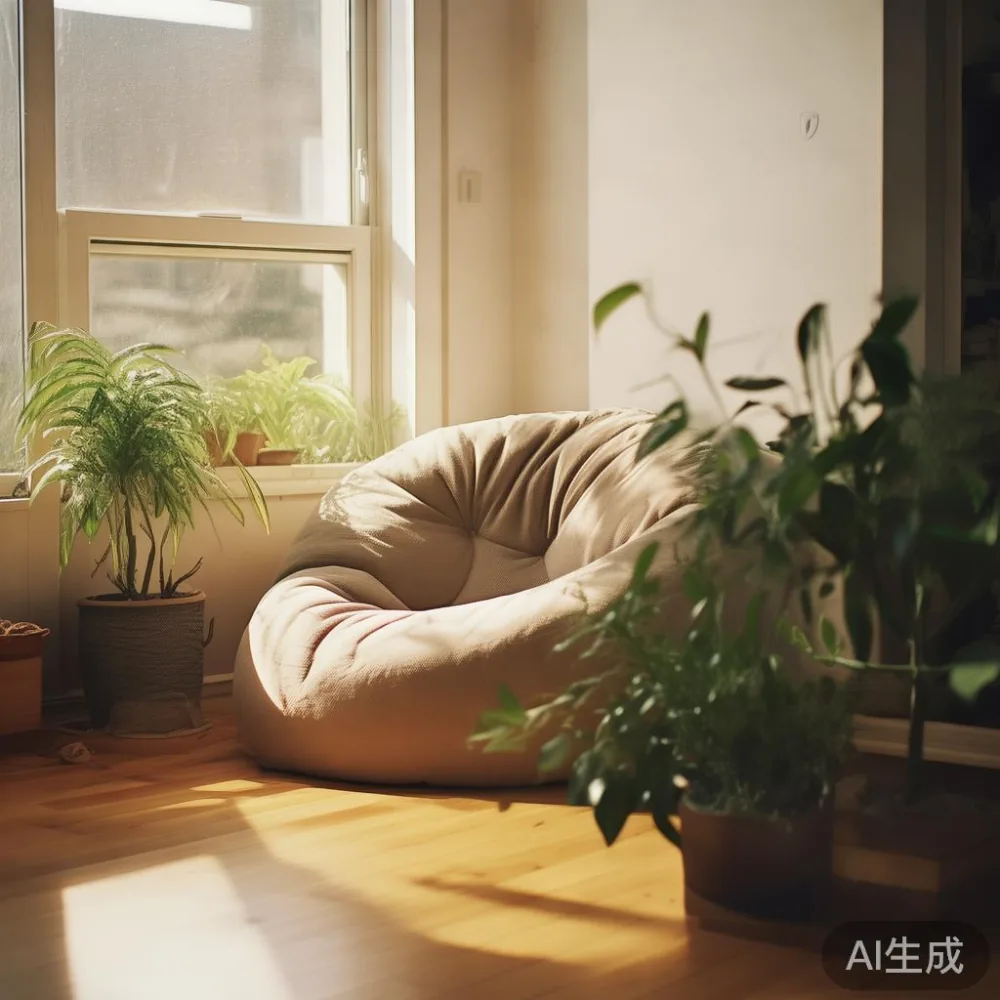
For a home with a 3.8 m by 3.2 m living room, a 90 cm-wide bean bag may suit one adult or a young child. A 110 cm model gives an adult more room to stretch out, while a 130 cm or 150 cm model works for two people who do not mind sitting closely. Those are useful starting points, not fixed rules: body shape, filling type and the intended posture all affect the final comfort.
This guide focuses on one furniture category, the bean bag, while comparing its footprint with practical room planning. It also considers common Singapore delivery constraints, GST and how a French light luxury, American light luxury or post-modern light luxury room can use the right bean bag without visual clutter.
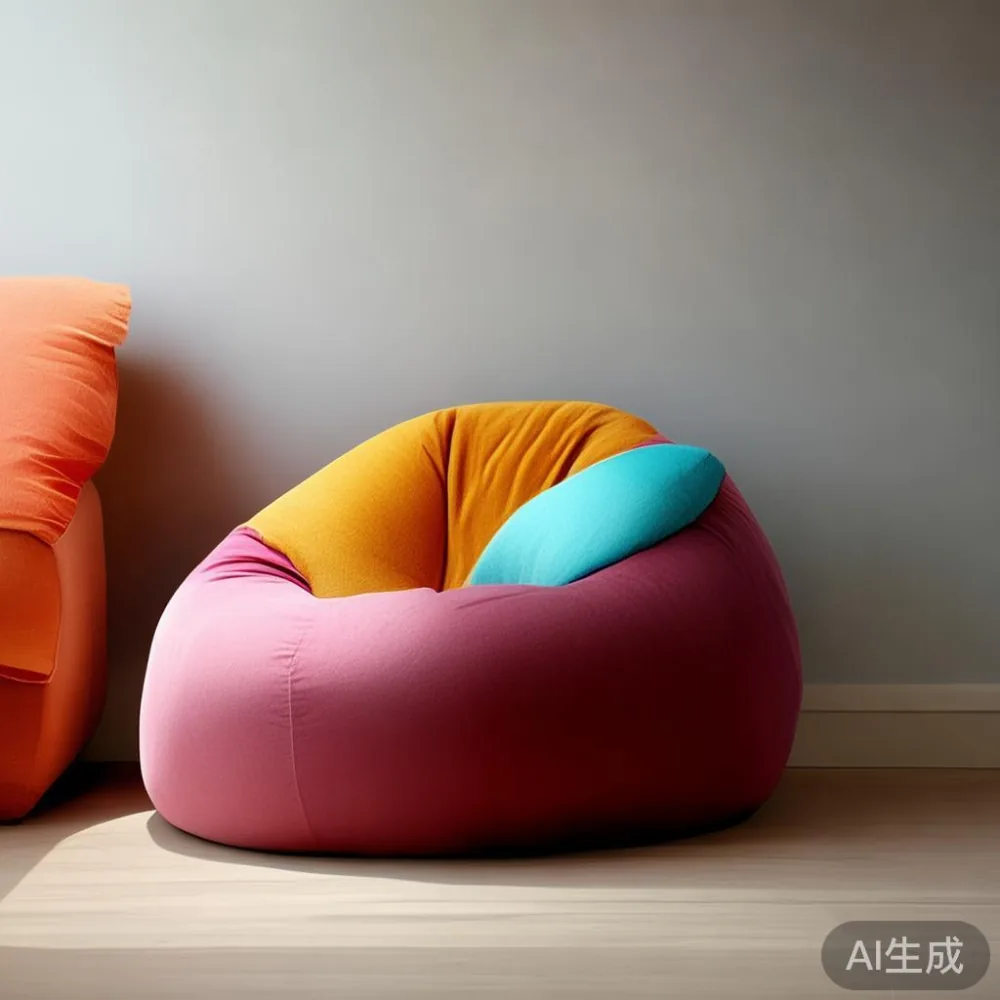
What size bean bag fits a typical HDB living room?
Start with the usable floor area, not the room’s advertised dimensions. In many HDB layouts, a sofa, coffee table and television console already occupy 35–45% of the living-room floor. A bean bag placed beside the sofa should leave at least 75 cm of clear route space where people walk daily. If the main route is between the sofa and dining area, measure that narrowest point before ordering.
For a compact room of roughly 20–25 sq m, choose a bean bag between 80 and 110 cm wide. A 90 cm width is a sensible choice for one reader, while a 100–110 cm width can accommodate two smaller users. For a larger 28–35 sq m living room, a 120–150 cm bean bag can act as the main casual seat, provided it leaves 90 cm of circulation space around the main route.
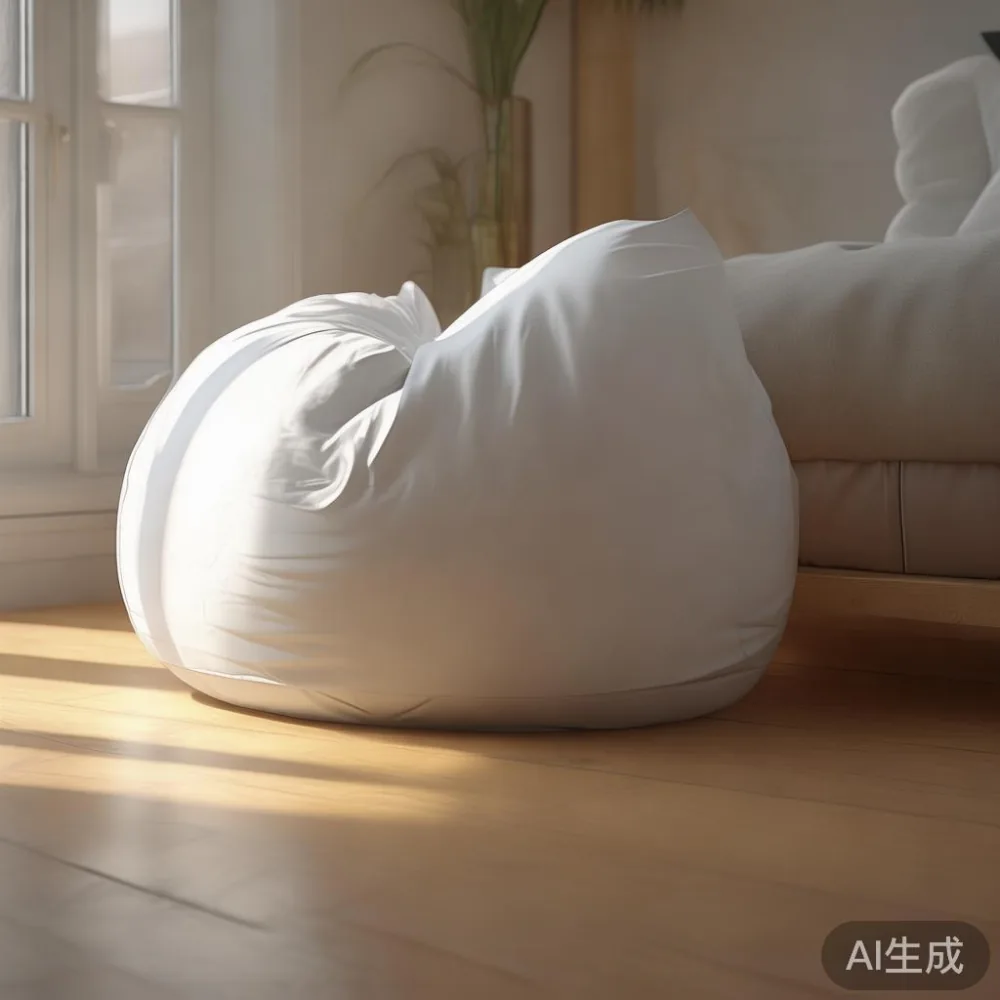
Do not assume that a bigger bean bag is automatically more comfortable. A 150 cm model can fill a 3.5 m wall and still feel cramped if it sits opposite a deep sofa. A 100 cm model with a firmer base may create a better seat for a tall adult than a wide, low model. Ask for the compressed dimensions as well as the settled dimensions: a filled bean bag may expand to 15–25 cm after delivery.
Height matters too. A low bean bag, around 35–45 cm high, suits children, short adults and relaxed floor sitting. A medium height of 45–60 cm is easier for an adult to rise from, particularly for someone recovering from an injury or anyone who finds deep seating uncomfortable. Measure the nearest dining chair height too. If the bean bag is next to a dining table with a 45 cm seat, a 45–55 cm bean bag can look more intentional.
A practical rule is to place a 90 cm-wide bean bag at the end of a 180–220 cm sofa, or use a 110–130 cm bean bag as a standalone chair in a room with at least 75 cm on each side. Avoid placing it directly in front of the television unless the viewing distance remains about 1.8–2.5 m. For a condo with an open living-dining area, a 120 cm model can divide the spaces while maintaining a 90 cm passage to the balcony.
How do you measure a room before ordering a bean bag?
Use a tape measure and record three numbers: the wall width, the room depth and the narrowest walking gap. Draw the sofa, television console, dining table and sideboard to scale if possible. Leave 60 cm for a person to pass sideways and 75–90 cm for a comfortable route. The same measurement should be taken at the HDB lift, corridor turns and apartment door.
Singapore access details deserve early attention. Standard HDB and condo corridors can narrow to around 90–120 cm at a turn, while a lift door may offer only 80–90 cm of usable opening. A bean bag delivered in a compact carton is often easier to move than a rigid chair, but the carton still needs to clear the threshold. Ask the supplier for the packed length, width and weight before paying for delivery.
For example, a 110 cm bean bag packed into a 70 × 45 × 55 cm carton can fit through many apartment doors if it is turned carefully. A 150 cm bean bag packed into a 95 × 55 × 65 cm carton may require the lift to be reserved or the carton to be angled around a corridor corner. If the retailer offers delivery in Singapore, choose a date when someone at home can guide the courier and protect the walls.
Lift bookings can add 1–3 days to the schedule, and a delivery window may vary by 30–60 minutes. Confirm whether the courier carries the carton upstairs, removes the packaging and places the bean bag in the intended room. A delivery charge of S$25–S$80 is common for a normal HDB delivery, while a scheduled two-person service may cost S$60–S$150. These are planning ranges rather than universal quotes.
In a Bedok flat with a narrow corridor, I once watched a delivery being checked before a sofa was brought upstairs. The lift opening was 82 cm at one corner, and the sofa carton measured 86 cm. The delivery team removed a loose protective panel, turned the carton and used a second trolley, saving the move. That experience is a reminder to measure the smallest opening, not just the room.
What bean bag filling and weight suit Singapore homes?
The filling determines whether a bean bag feels soft, supportive or difficult to move. Memory foam gives a smoother, more controlled shape and usually suits an adult who wants to sit for 30–90 minutes. Shredded foam has a more relaxed texture and can be fluffed by hand. Plastic pellets are light, often weighing 8–20 kg for a 90 cm model, but they can create a slouchy seat and make repositioning noisy.
For one adult, look for a filled weight around 12–20 kg. A two-person bean bag may weigh 20–32 kg. These figures can vary with the shell and filling, so ask for the actual filled weight rather than guessing from the model name. If the bean bag must be moved by one person, keep the weight near 15 kg; if it stays in a corner, 25–35 kg may provide a settled appearance and resist repeated flattening.
Consider humidity and ventilation. Singapore’s humidity often reaches 70–85%, so the outer fabric should breathe and the filling should not be sealed in a way that traps moisture. A removable, washable cover is useful in a family home. Check that the zipper has a wide opening, ideally 25–40 cm, because a tiny opening makes refilling or flattening frustrating.
A structured shell can keep the bean bag from spreading under the television console, while an unstructured design suits a reading corner. For a room with a marble table, avoid placing the bean bag so close that its edge touches the table. Keep 30–45 cm between the bean bag and a marble table, both to prevent accidental knocks and to make cleaning easier. Marble is durable but can chip at an exposed edge if a heavy object is dragged against it.
The material also affects the visual style. A matte woven cover in oat, taupe or muted sage can sit beside French light luxury furniture. A darker, tailored cover can support American light luxury styling. A low, rounded silhouette can fit a post-modern light luxury room when paired with clean lines and restrained colours.
How should a bean bag work with other furniture?
A bean bag should have a role, not merely occupy a gap. In a living room, it can replace one occasional chair, serve as a reading seat beside a window or become a child-friendly perch near a television. Decide whether it is for one adult, two adults, a child or a guest room before choosing the size.
For a 3-bedroom HDB flat, a 100–120 cm bean bag in the living room can provide overflow seating without competing with a solid wood sofa. If the sofa seats three people, a 90 cm bean bag is enough for occasional use. If the sofa seats two and visitors often stay overnight, choose 120–140 cm and add a 45 cm-high side table within reach.
In a Tampines condo with an open dining area, a 110 cm bean bag can mark the transition between the sofa and dining table. Keep 90 cm between the bean bag and the nearest dining chair. A round dining table may suit a tight corner better than a rectangular one; allow 60 cm behind each seated person and 75 cm along the main route.
A wardrobe, bed frame or nightstand elsewhere in the home should not be used as a reason to choose an oversized bean bag. If the room also contains a solid wood dining table, match the bean bag’s visual weight rather than its function. Warm oak, walnut or teak tones can be balanced by a woven cover. A marble table can provide a cool contrast, but the bean bag should remain the softer, lower element.
For guest rooms, a 90 cm bean bag can be more useful than a bulky spare sofa if the floor area is limited. A search for Modern for guest room may produce ideas for a reading corner, yet the bean bag should still leave 60–75 cm beside the bed and 75 cm at the door. If the guest room is only 7–9 sq m, a 80–90 cm model is usually easier to manage than a 130 cm model.
In a Punggol home where children use the living room, place the bean bag away from the television cables and leave 30 cm behind it for ventilation. A bean bag near a bed frame can become a step for play, so choose a model that can be moved safely or reposition it when the room changes function.
Is a bean bag comfortable for adults and children?
Comfort depends on posture more than appearance. A child may prefer a 30–40 cm-high bean bag because it is easy to sit and roll on. A 90 cm model with 15–20 kg of filling can suit a child aged 6–10, provided the cover cannot be opened by a very young child. An adult may prefer a 45–60 cm-high bean bag with a firmer centre.
Test the bean bag before committing to a large size. Sit for 10 minutes, then check whether your feet touch the floor. If the seat is too low, add a firm cushion or choose a taller model. For two people, make sure each person can sit without one person constantly sliding forward. A wide 140–150 cm bean bag can accommodate two adults, but the filling may settle unevenly after several months.
Back support is another consideration. A bean bag is not a replacement for a supportive office chair, and it should not be used as the only seat for a person with a chronic back condition. A lumbar cushion can improve comfort for short periods. If someone needs firm support for 4–6 hours of use, a dining chair or solid wood sofa is more suitable.
For a child’s bedroom, a smaller bean bag avoids dominating a 2.7 m by 3 m room. Keep the model at least 45 cm from a bed frame or nightstand. For a playroom, a washable cover and a weight around 10–16 kg make cleaning easier. Test the cover with a damp cloth if the supplier allows it, and ask whether the fabric can be dry-cleaned or machine-washed.
How much should a bean bag cost in Singapore?
Prices vary with size, fabric and filling. A basic 80–90 cm bean bag may cost about S$70–S$140 before GST. A 100–120 cm model with memory foam or a tailored cover may cost S$150–S$280. A larger 130–150 cm design with premium fabric, a reinforced base and a washable cover may reach S$300–S$500.
GST is normally 9% in Singapore, so a S$200 item becomes S$218 before delivery. A S$280 item becomes S$305.20. Delivery may add S$25–S$80 within a standard HDB building, while a scheduled lift or two-person delivery can add S$60–S$150. Ask whether the quoted price includes GST and delivery rather than comparing only the headline amount.
For occasional searches such as for sale Vintage furniture, the word “vintage” may refer to an older bean bag rather than a newly made one. Check the condition of the cover, the seams, the zipper and the filling. A used bag may cost S$20–S$70, but it may need new filling and cleaning, so compare the total cost with a new model.
Check the return policy before ordering. A 14-day return period is useful if the colour or firmness differs from your expectation, but the bean bag may need to be returned in its original packaging. Confirm whether a compressed or used bean bag can be returned and whether the delivery fee is refundable. Keep the receipt, warranty details and product dimensions for at least 10 years if the seller offers a structural warranty.
MIDHILL, a Foshan solid wood furniture maker established in 2008, exports to more than 15 countries and supports Singapore buyers with a 10-year structural warranty, lifetime refinishing and free shipping over US$350. Those details are broader than a bean bag guarantee, so ask for the bean bag’s own care and warranty terms in writing. A supplier with a clear service policy is easier to plan around.
What delivery questions should I ask before ordering?
Ask for the filled size, packed size, filled weight, cover material, filling type, care instructions, delivery days, return conditions and GST treatment. A normal Singapore delivery may take 3–7 working days for stock, while a made-to-order bean bag may take 2–4 weeks. Confirm the expected dispatch date rather than accepting an vague “soon” message.
For an HDB building, provide the block, floor and lift information only through the supplier’s requested channel. Avoid sending personal contact details in a public message. MIDHILL lists midhillco@gmail.com as a contact address, so use it to request written specifications and keep a copy of the reply.
Plan for a delivery day when someone can receive the parcel. Keep 10–15 cm around the lift and corridor where possible, remove mats and shoes that could catch the trolley, and protect the door edge with cardboard. If the lift cannot be reserved for the chosen date, ask whether the courier can deliver to the lobby instead.
When the parcel arrives, inspect the carton for punctures before opening it. Check the cover seams, zipper and corners within the first 10 minutes. Photograph any damage and report it the same day. Allow 24–48 hours for memory foam to settle after unpacking, and rotate or fluff the filling according to the care instructions.
Which bean bag style fits a small Singapore interior?
A small room benefits from a defined shape. A cylindrical bean bag with a flat base uses the corner more efficiently than a round model that rolls. A square design can align with a sofa or bed frame, while a low rectangular model can serve as a short ottoman. Choose a colour close to the wall when the room is narrow, then add contrast through a patterned cushion or a small table.
French light luxury works with a softly textured cover in cream, stone or pale grey, especially beside a solid wood dining table. Keep the pattern quiet and avoid more than 3 visible accent colours in one corner. American light luxury may use a darker linen or charcoal cover with warmer timber furniture. For a post-modern light luxury room, a sculptural bean bag can be the one curved object among straight-lined pieces.
Japandi for small living room searches often show neutral colours, low furniture and uncluttered layouts. A bean bag fits that direction if its height is controlled and its footprint is modest. A 100 cm-wide model in oatmeal fabric can sit beside a 180 cm solid wood sofa while keeping the room open. A 150 cm bean bag may suit a larger reading zone, but not a 9 sq m room with several doors.
Do not let a design trend erase practical needs. A pale fabric shows dust in a humid home, while a dark fabric may show lint. Ask for a removable cover and check whether replacement covers are available within 5–7 years. For a high-traffic HDB living room, a washable synthetic blend may be easier to maintain than delicate linen.
If the room also contains a marble table, a solid wood dining table or a bed frame, use the bean bag to balance hard surfaces rather than imitate them. A soft cover makes the room comfortable, while a stable base prevents accidental movement near a nightstand or cabinet. The right bean bag should complement the home’s daily use, not become another obstacle.
What is the right final size for my room?
Choose a 90 cm bean bag for one adult or one child in a room under 20 sq m, a 100–120 cm bean bag for one adult who wants more room or two smaller users, and a 130–150 cm bean bag for two adults or a larger reading area. These ranges assume a settled height of 40–55 cm and a clear route of at least 75 cm.
The final check is simple: place a paper outline of the bean bag on the floor, mark the 75 cm walking route, then sit in the imagined position. If the outline crosses the route, reduce the width by 10–20 cm or change the location. If the bean bag fits but looks too low, select a firmer filling or a 5–10 cm taller design.
For most Singapore HDB and condo living rooms, a 100–110 cm bean bag with a 45–55 cm settled height, washable cover and 15–22 kg filled weight offers a balanced starting point. Confirm the room, access and delivery measurements before paying. That careful 10-minute planning step can prevent a 20 cm measurement error, a blocked corridor and a bean bag that has to be returned after delivery.