Before You Buy a Sofa You Cannot Sit On: A Singapore Bean Bag Guide
A sofa that looks generous in a showroom can become awkward furniture in a Singapore home. The seat may feel too deep, the arms may block a narrow HDB living room, and the delivery crew may fail to get the carton through a lift or corridor. A bean bag avoids some of these problems because it is flexible, light, and visually compact, but it still requires careful measurement and realistic planning.
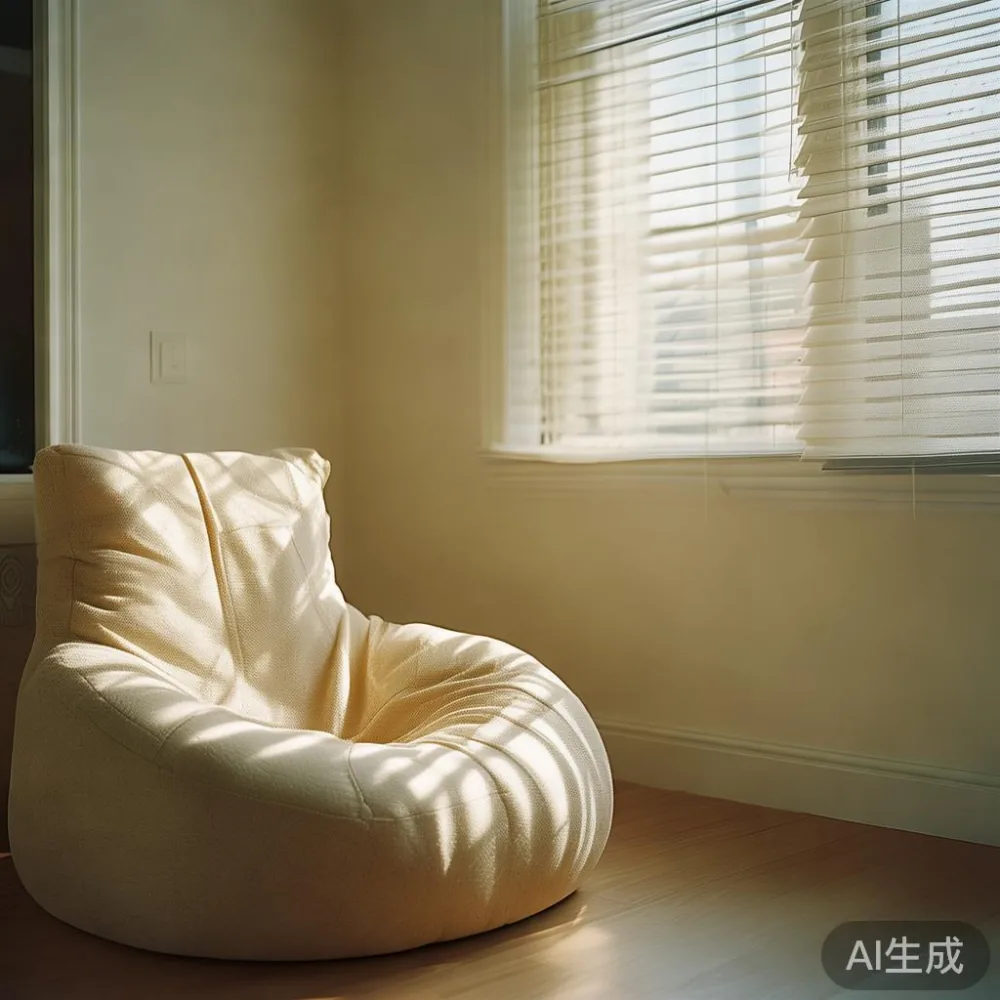
MIDHILL, a Foshan solid wood furniture maker established in 2008 and exporting to more than 15 countries, designs furniture around practical dimensions, material quality, and long-term use. Its 10-year structural warranty and lifetime refinishing policy reflect a workshop-based approach. For Singapore buyers, those details matter, especially when a sofa or bean bag must work within the tight dimensions of an HDB flat in Tampines, Bedok, or Punggol.
This guide explains how to check the fit, access route, comfort, materials, and cost of a bean bag before purchase. It also considers how larger pieces such as a solid wood sofa, bed frame, dining table, wardrobe, nightstand, and marble table should be coordinated without making a small apartment feel crowded.
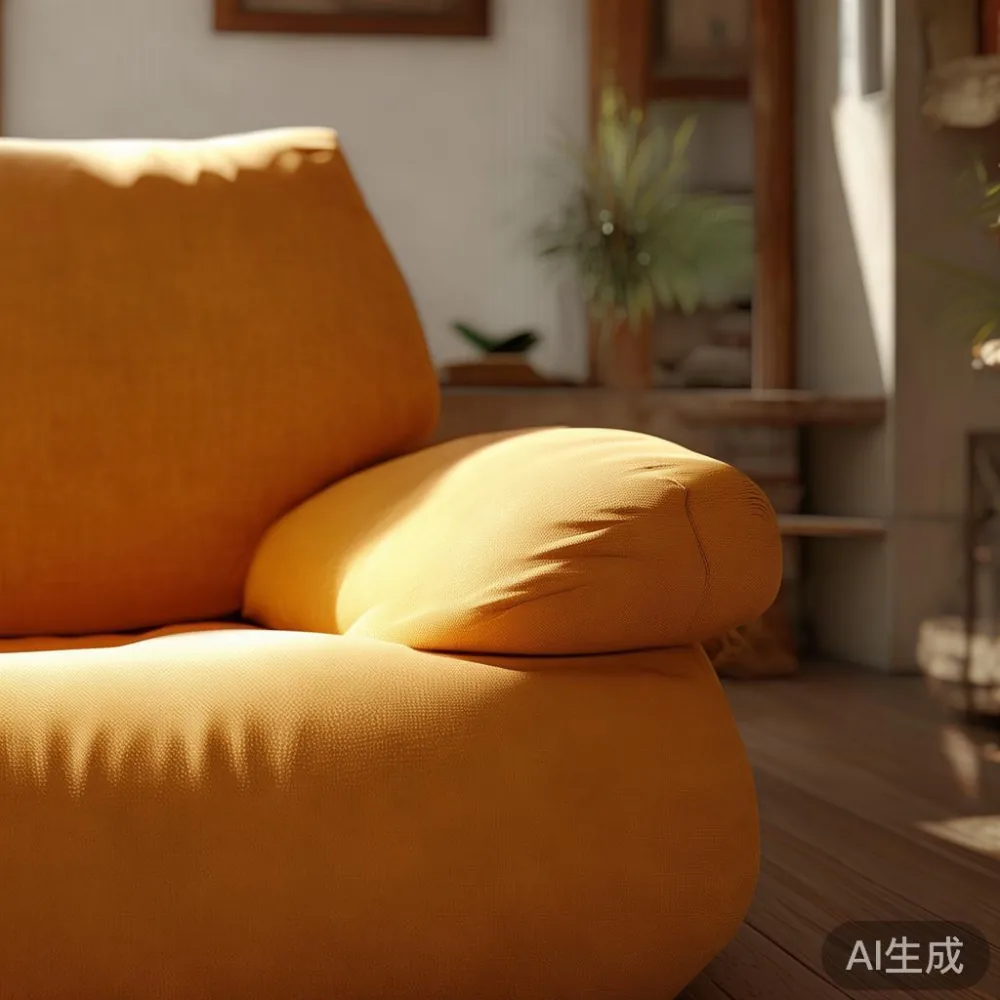
What dimensions should I check before buying a bean bag?
Begin with the room, the intended seating position, and the path from the lift to the bean bag. A product photograph can make a 90 cm-wide seat look like a lounge chair, so compare the published dimensions with a tape measure rather than relying on appearance alone.
For a typical Singapore HDB living room, leave at least 60 cm of clear walking space beside a bean bag if people will pass it frequently. Allow 75 cm in front when it doubles as a guest seat. A large 180 cm bean bag needs around 180 cm of usable floor width and may require 210 cm once the cover is spread or the filling shifts. A compact 100 cm version can work in a 300 cm-wide living room, but it should not block the television console, a dining table, or the main route to the balcony.

Measure the occupied floor area, not just the empty room. In a compact flat, a bean bag placed beside a 220 cm solid wood sofa may look attractive in a catalogue yet leave too little space for a 90 cm passage. Check the distance from the front door, lift lobby, and kitchen before deciding where the bean bag will live.
Also consider the viewing distance from the television. A low bean bag can be comfortable for reading, but it may not support an upright posture for a long film. If it is mainly a lounge seat, record the intended use: floor sitting, occasional guest seating, reading, or an alternative to a formal sofa.
For larger furniture, use the same method. A bed frame needs space to open and for the mattress to be lifted, while a dining table needs approximately 90 cm behind each seated person. A wardrobe should have at least 60 cm in front of its hinged doors, and a nightstand needs room for a lamp and a glass of water. A light luxury coffee table should sit at least 35 cm from a sofa for easy reach, even when the table is narrow.
Will the bean bag fit through the lift and corridor?
Access is often more decisive than style. Ask the retailer for the packed dimensions and weight of the bean bag, including the carton, protective bag, and outer box. A filled bean bag may weigh 18 kg for a compact model, 30 kg for a medium model, and 45 kg or more for a large model. Some listings show the product weight but omit the packaging, which can create a false impression at the lift lobby.
Singapore lift doors are commonly around 90 cm wide in older HDB blocks, while the internal car depth may be approximately 130-150 cm. Condo service lifts can be larger, but the route from the basement car park may include a 120 cm door or a narrow turning corner. Measure the narrowest point on the entire route: car gate, passenger lift, corridor, staircase, and apartment entrance.
Corridor widths vary widely. A 110 cm corridor can accommodate a compact boxed bean bag carried on its side, while a 90 cm corridor may require the carton to be angled carefully. Large sofas and wardrobes are more complicated because their rigid frames do not bend. Before buying a solid wood sofa, ask whether it arrives assembled or in modules. A modular frame may be easier to carry, while a single 180 cm frame may not turn into the lift even if it fits its length.
One practical habit is to photograph the lift plate and note the door measurement on installation day. I visited a customer’s Bedok flat last month with a 35 kg bean bag, and the lift was wide enough, yet the first delivery attempt failed because the carton was 118 cm long. The original route had a 105 cm service-lift door at a side corridor. We opened the larger passenger lift instead and saved the delivery fee. This is why access should be checked before the item is dispatched.
Confirm the delivery days, installation service, and any lift surcharge in writing. A promised 7-day delivery in Singapore is less useful if the crew cannot begin before 9:00 am or needs a 4-hour parking permit. Leave the route clear for at least 30 minutes before delivery and reserve the passenger lift if your building requires it.
How do I test a bean bag without buying the wrong size?
Test a bean bag for at least 10 minutes, not 30 seconds. Sit in the intended position, lean back, and try to rise without using your hands against the sofa. Check whether the filling supports the lower back or forces a slouched posture. A good adult should be able to sit comfortably for 45-60 minutes if the product is designed for long lounging.
Check the height before filling settles. A 40 cm-high bean bag suits children and short adults better than someone who normally sits at a 45 cm-high seat. A 55 cm model offers a more upright position, but it occupies more visual space. If the bean bag will be used beside a dining table, make sure the edge does not interfere with a tucked-in chair or a passer-by’s legs.
Look for an inner liner, a concealed filling opening, and a removable cover. These features affect cleaning more than appearance. A machine-washable outer cover with a 30-degree care instruction is useful in humid Singapore conditions, while a fixed cover may be harder to maintain. Spilled water should be removed promptly; test the surface with a damp cloth before committing to a pale fabric.
Do not assume that a soft seat is supportive. Press the centre, then press the edges. Excessive movement may indicate loose filling or insufficient foam around the core. A well-made bean bag should return to shape within roughly 20-30 seconds, although the exact recovery time depends on the filling and its density.
Ask whether the filling can be replenished, separated, or replaced. If the product uses beans, mixed foam, or a layered core, the seller should explain how each component behaves after six months of use. A bean bag is a functional seat, not merely a decorative cushion.
What should I compare when choosing between a bean bag and a sofa?
A bean bag is flexible, movable, and usually less expensive to carry than a rigid frame. A sofa provides more defined seating, easier standing, and a more formal appearance. The right choice depends on how the space is used, not on which style is fashionable.
The comparison is partly captured by the question American sofa vs Modern sofa: an American sofa tends to use deeper cushions and a lower, relaxed profile, while a Modern sofa often has clearer lines and firmer support. A bean bag belongs more closely to the relaxed end of that spectrum, but without fixed arms or a back frame. If two people regularly sit down together, a 150-180 cm sofa may be more practical. If the room already has a solid wood sofa, a 100-120 cm bean bag can add a casual reading zone without taking over the room.
Consider the household profile. Families with children may prefer a washable bean bag because it can absorb minor spills and move out of the way during floor play. Older adults may need a firm edge and a 45-55 cm seat height to stand more easily. Pets create another issue: choose a tightly woven cover and check the seam construction. Two cats can add 4-7 kg quickly, so the rated load should have a reasonable margin.
For a coherent light-luxury interior, mix one refined fixed piece with one relaxed element. A 200 cm French light luxury sofa paired with a simple bean bag, a light luxury coffee table in pale stone, and a slim solid wood nightstand can feel intentional. The bean bag should remain a deliberate counterpoint, not an unrelated shape dropped into the room. Searches for how to style European light luxury sofa in room often overlook this balance, yet texture and proportion matter more than matching every item.
A light luxury TV console should also be considered as a spatial boundary. Keep the bean bag at least 40 cm away so the loose edge does not press against cabinet doors. If the bean bag sits opposite the console, a 90 cm coffee table can define the zone while preserving at least 35 cm of walking clearance.
What materials and construction details deserve a closer look?
For bean bags, check the outer fabric, seam quality, liner, filling, zip or closure, and warranty. Look for double stitching around high-stress areas and a base that will not slide on tile. Full-grain or tightly woven upholstery can last longer, but no fabric is spill-proof. Ask for the actual fabric composition rather than a vague description such as premium or luxury.
For the fixed furniture in the room, material coordination can be more demanding. A solid wood sofa should have kiln-dried timber, stable joints, and hardware designed for repeated movement. A bed frame needs a centre support for wider mattresses, and a dining table should have a stable base suitable for a 90-120 cm top. A marble table needs careful weight distribution; its stone slab may weigh 45-70 kg even when the design looks visually light. A wardrobe should include adjustable shelves and hinges that clear the relevant door angles. A nightstand should be proportioned to the bed and able to hold at least 5 kg on its top.
MIDHILL’s experience in solid wood production is relevant when planning those larger pieces, particularly because a sofa frame, bed frame, and dining table must be built for daily use rather than display. The 10-year structural warranty provides a useful benchmark, and lifetime refinishing can extend the appearance of properly maintained wood. It does not mean every surface will remain untouched, so ask about care, moisture exposure, and what the warranty covers.
The design language can also connect with contemporary references. In 2026 Italian light luxury furniture, restrained proportions, tactile upholstery, and natural stone are often used to create calm rather than visual excess. A bean bag can echo that softness while a solid wood frame or marble table provides structure. If you are building a bedroom, the question how to style Japanese wardrobe in apartment is best answered through vertical alignment, closed storage, and a light, uncluttered palette rather than by adding more furniture.
How much should a bean bag cost in Singapore, and what is included?
Budget in Singapore dollars and separate the product from delivery or installation. A compact bean bag may cost SGD 180-320, a medium model SGD 320-550, and a large or specially filled model SGD 550-950. Premium upholstery, a replaceable core, or modular construction can raise the price. Compare the covered dimensions, filling specification, warranty, and care terms before treating two quoted prices as equivalent.
For fixed furniture, the total project cost may include delivery, lift charges, assembly, protection, and installation. A solid wood sofa may range from SGD 1,800 to SGD 4,500 depending on width, timber, upholstery, and detailing. A bed frame can fall between SGD 900 and SGD 2,500. A dining table may cost SGD 900-3,200, a wardrobe SGD 1,200-3,800, and a nightstand SGD 180-650. A marble table may range from SGD 850 to SGD 3,000. These are planning ranges, not substitute quotations.
Singapore GST is normally 9% and should be shown clearly on a local invoice. Confirm whether the displayed online price includes GST; an 18% difference can affect a multi-piece order. Other possible costs include a SGD 20-80 lift booking, a SGD 30-150 doorstep carry above the ground floor, and assembly at roughly SGD 40-120 per item. A retailer offering free shipping over US$350 may still apply a separate Singapore delivery schedule, so verify the local terms rather than assuming the international threshold covers the lift.
Compare the refund and return policy with the delivery promise. For a bulky sofa, a 14-day return period is useful only if the piece can be re-packed and collected without damage charges. Bean bags are easier to return if their covers are removable, but the filling and hygiene condition may still affect eligibility. For MIDHILL, the stated 14-day returns period should be checked against the product category, and a custom-upholstered order may require special handling.
What should I confirm before the order is dispatched?
Ask for a written order summary containing the product dimensions, packed dimensions, weight, material, finish, delivery days, installation charges, and access requirements. If the bean bag uses a specific textile, request a swatch or close-up image in daylight. If it is paired with a light luxury coffee table, check that the height difference remains comfortable: a table 5-8 cm above the bean bag’s seated hip level is usually more usable than a very low surface.
Confirm the delivery window in calendar days rather than a vague arrival estimate. Singapore deliveries commonly take 5-14 working days for stock items, while made-to-order pieces can require 6-10 weeks. A promised date should account for lift reservations, building access rules, and any production inspection.
At the door, inspect the carton before the crew unwraps the item. Photograph the packaging, corners, seams, and timber surfaces if a fixed piece has arrived. Do not sign a “no damage” note without checking. For a bean bag, confirm that the cover is aligned and the filling is distributed evenly. For a solid wood sofa, bed frame, dining table, wardrobe, nightstand, or marble table, check joints, drawer movement, door alignment, leg level, and surface finish.
Finally, plan maintenance. Vacuum the bean bag every 1-2 weeks, rotate it monthly, and avoid direct sunlight near windows in western-facing HDB units. Wipe wooden surfaces every 3 months and refinish according to use. Keep stone surfaces free of standing moisture. These simple habits, combined with measured access and realistic dimensions, are the real test of whether a sofa you cannot comfortably sit on is still a piece of furniture worth keeping.