Bean Bag Price Insights: The Factors Behind Solid Wood Costs
Solid wood furniture is often priced as though every piece with a wooden frame belongs in the same category. In reality, a 160 cm bed frame made from kiln-dried oak can cost several times more than a 180 cm pine bed frame, even when both are described simply as “solid wood”. The difference comes from timber grade, moisture control, joinery, finish, dimensions, hardware, and the number of skilled hours required to make and deliver the piece.

For Singapore households, the calculation also includes GST, lift access, delivery timing, and the limits imposed by an HDB flat or condo corridor. MIDHILL makes furniture in Foshan and has exported to more than 15 countries since 2008, but a sensible buyer should still compare specifications rather than rely on a country-of-origin label or a polished product photograph.
This guide explains where the money goes, why a bean bag may use different materials from a dining table, and how to judge whether a price reflects genuine construction rather than inflated branding. All prices below are in SGD and include Singapore GST where stated.
What determines the price of solid wood furniture?
The largest cost is usually the timber itself, but “solid wood” covers many grades. Visual-grade hardwoods such as white oak, walnut, and ash use more input material per cubic metre and require stricter sorting than lower-grade timber. A dining table with 6 cm-wide boards may use around 20–30% more wood than an open-frame version using 3 cm components. That extra material affects purchase price, weight, transport, and installation time.
Tree species matter. Rubberwood and pine can be practical choices for a bed frame, nightstand, or wardrobe carcass, while teak, oak, and walnut command higher raw-material prices because of availability, drying behaviour, grain consistency, and market demand. “Teak” alone is not a quality certificate, however. Confirm whether the boards are solid, finger-jointed, or veneer-backed, and ask for the actual timber species used on visible faces.

Dimensions also influence cost. A 220 cm dining table needs longer boards, more supports, and more joinery than a 140 cm table. A 60 cm-wide wardrobe may need deeper boards and larger doors than a 45 cm unit. Weight is another practical guide: a solid oak dining table may weigh 65–95 kg, while a similar pine table may weigh 35–60 kg. Heavy pieces need careful handling, but excessive weight is not automatically superior.
Is light luxury wardrobe worth it?
That question depends on the doors, interior fittings, hardware, and installation conditions. A 180–220 cm wardrobe with solid wood framing, 18–22 mm shelves, soft-close hinges, and durable drawer runners may justify a higher price if the family needs corrosion-resistant hardware and long-term adjustability. But an oversized carcass in a corridor narrower than 65 cm can be expensive to deliver and awkward to assemble.
In an HDB flat, the lift door may be 80–90 cm wide and the common corridor around 120–150 cm. In a Tampines or Bedok tower, a 200 cm wardrobe can often enter diagonally, whereas a 240 cm flat-pack unit may need to be disassembled before reaching the landing. Condo corridors may be narrower or have turns at right angles. Measure the actual route before ordering, including the lift, lobby, stairs, and bedroom doorway.
For clients comparing a European light luxury wardrobe with a simpler local unit, the more useful comparison is cost per usable feature: price divided by the number of hanging rails, shelf bays, drawer volumes, soft-close systems, and years of expected use. MIDHILL offers a 10-year structural warranty and lifetime refinishing, which can be relevant when comparing long-term ownership costs rather than sticker price alone.
Where do joinery, finish, and hardware add to the cost?
Joinery is where timber and workmanship meet. Mortise-and-tenon joints, dowelled drawer boxes, and bridle joints can resist movement better than relying only on screws and brackets. A properly fitted drawer should have less than 3 mm of visible side play. CNC cutting can improve repeatability, while hand fitting can improve the fit of irregular components; neither should be confused with solid wood by itself.
Finish is frequently overlooked. Water-based polyurethane or matte lacquer may require 4–6 coats, sanding between stages, controlled drying, and careful edge treatment. A stained oak dining table in a warm walnut tone can take 10–14 days to prepare, while a simpler clear-coated piece may take 5–8 days. Colour matching across a table top, apron, and legs adds production time because separate batches can shift slightly in tone.
Hardware can add S$80–S$600 per fitted storage piece. Soft-close hinges, full-extension runners, and reinforced swing mechanisms cost more than basic hinges, but they are useful where doors are opened daily. Metal fittings also need attention in Singapore’s humid conditions. Look for plated steel, aluminium, or stainless components appropriate for the use, rather than assuming every concealed fitting is equal.
How much should a solid wood bed frame, dining table, and nightstand cost?
A broad Singapore guide, including GST, is useful for early budgeting. A basic pine or rubberwood bed frame for a standard HDB mattress size may begin around S$260–S$450. A better-finished oak or ash bed frame with a slatted base and reinforced centre support may sit around S$650–S$1,300. A 200–220 cm solid wood dining table may range from about S$1,400–S$2,900, while a larger or more finely finished version can reach S$4,000–S$6,500.
A 45–55 cm solid wood nightstand commonly falls around S$220–S$650, depending on timber, drawer construction, and finish. A wardrobe may range from S$900 for a compact 100–120 cm unit to S$3,800 or more for a 220–280 cm fitted design. These figures describe solid wood furniture in general, not a quotation for every project.
For a solid wood sofa, the frame may use kiln-dried hardwood, plywood, or another engineered component while the visible arms and frame details remain timber. A 190–220 cm three-seat sofa may range from S$1,900 to S$5,500 depending on cushion density, upholstery, frame construction, and finish. A marble table may cost S$1,800–S$4,500 because the stone slab, edge profile, base, and protected delivery all affect the final figure.
European light luxury bed vs Mid-century modern bed: what are you paying for?
The European light luxury bed vs Mid-century modern bed comparison is partly about visual language, but it is also about construction. European light luxury often uses generous proportions, upholstered or panelled headboards, curved edges, and pale oak or walnut tones. Mid-century modern beds often use tapered legs, slimmer profiles, and visible joinery. A post-modern light luxury design may combine sculptural lines with traditional solid wood components.
Style does not automatically mean a higher price. A large upholstered headboard can add S$400–S$1,200, while tapered legs may add only S$80–S$250. More valuable is knowing whether the bed has a centre support rail, 12–16 slats, floor clearance of roughly 20–30 cm, and fasteners tested for repeated load. For mattress ventilation and cleaning, slats spaced at 7–10 cm are often practical, although the mattress maker’s instructions should take priority.
The phrase how to style European light luxury bed in room naturally brings up scale and colour, yet layout constraints should be checked first. A 180 cm bed needs at least 60 cm of clear space on each side for bedside access, and a queen bed may require a bedroom at least 3.2–3.6 m wide for comfortable circulation. In compact Punggol or Tampines units, replacing a bulky bed frame with a slimmer design may improve usability more than a decorative finish does.
Does a bean bag belong in a solid wood price comparison?
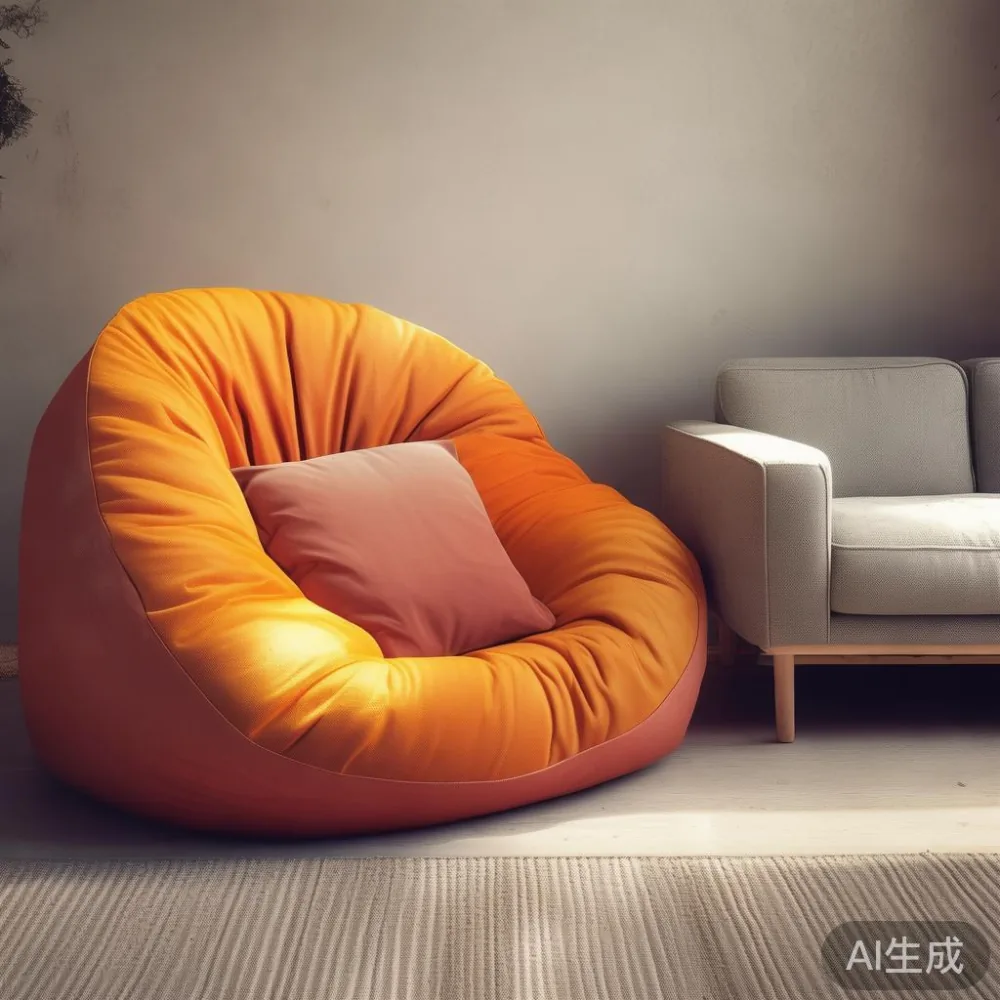
Yes, because a bean bag exposes a common pricing confusion: outer material, filling, shell construction, and cover are separate cost drivers. A bean bag does not necessarily contain a solid wood frame. Many use a sewn textile shell, polyester fibre fill, foam, or a combination. A 90 cm bean bag may hold 90–140 litres of loose filling, while a larger lounge model may need 180–250 litres.
Good bean bags use a double-stitched base, a removable washable cover, concealed filling access, and enough reinforcement around the seams to contain shifting material. A cotton or linen cover with reinforced piping may add S$60–S$250, while a high-resilience foam core can add S$300–S$800. These figures make a bean bag useful when evaluating furniture pricing: the product name sounds simple, yet the specification can change the cost sharply.
A bean bag also offers practical advantages in small Singapore rooms because it can be moved without a frame. That flexibility is particularly useful in a condo living room where the lift and corridor limit furniture dimensions. Its disadvantages are different: loose filling can settle, the shell can wear at seams, and a low seat may be difficult for older users. For a main seating solution, a solid wood sofa may provide firmer support and a longer service life; for occasional seating, a well-made bean bag can be economical and compact.
Why do light luxury TV consoles and marble tables cost more than expected?
A light luxury TV console may combine solid wood framing, lacquered or veneered doors, concealed cable routes, and adjustable interior shelves. Fluted fronts, rounded corners, and aligned shadow gaps require accurate machining and finishing. A 180–220 cm unit may range from about S$1,200 to S$4,000. Before ordering, check that the internal shelf spans the intended television and equipment, and ensure ventilation space around devices.
Marble tables add another layer of cost. Natural stone varies in pattern, thickness, and defect level. A 120 cm round marble table may have a slab around 20–30 mm thick and weigh 45–80 kg. The base must be engineered to support that load safely, and delivery may need two people, a lift reservation, and protection against corner chips. A marble top can be beautiful beside a dining table, yet it is not automatically the right surface for heavy daily use in a busy family home.
European sofa vs Nordic sofa is another useful comparison. Nordic sofas generally favour clean profiles, pale textiles, and restrained detailing. European light luxury sofas may use deeper seating, tufting, curved arms, or timber trim. The European sofa vs Nordic sofa price gap often comes from frame specification and upholstery complexity, not simply the number of cushions. Seat density, removable covers, and warranty terms provide more useful evidence than a style label.
What delivery, GST, and warranty costs should Singapore buyers include?
Singapore GST is 9% in 2025. If a product is advertised without GST, add 9% before comparing it with an inclusive price. A S$1,000 pre-GST item becomes S$1,090, while a S$2,500 pre-GST item becomes S$2,725. This difference can alter a decision between two nearly identical pieces, so confirm the tax treatment in writing.
Delivery should be treated as part of the product. A normal in-city furniture delivery may take 7–14 days after production, while made-to-order items commonly need 30–60 days. Lift bookings, carrying stairs, extra assembly, and narrow-corridor handling may carry separate charges. MIDHILL provides free shipping on orders over US$350 for qualifying international orders; Singapore delivery terms should still be confirmed for the exact item and address.
Returns also affect the calculation. MIDHILL allows 14-day returns under its stated policy, but buyers should verify condition requirements, assembly charges, and exceptions before ordering. A 10-year structural warranty gives useful protection against defects in eligible wooden components, while lifetime refinishing can reduce the future cost of restoring a well-made surface. Warranty length is meaningful, but the scope of coverage, exclusions, and claim process matter more than the headline alone.
How can you compare quotations without overpaying?
Ask each supplier for six measurements: dimensions, clear internal dimensions, timber species and grade, board thickness, joinery method, and finish type. Request a photograph of the underside, drawer joints, back panels, and connection points. Weight should be disclosed too, because it can indicate material use and help you plan delivery.
Compare like-for-like quantities. A dining table quotation should state whether S$2,900 includes delivery, GST, assembly, and a 60 cm top, or describes a smaller 140 cm model. A wardrobe price should specify the number of shelves, hanging space, drawer width, and whether the doors are included. A bean bag quotation should state the litres of filling, cover material, seam construction, foam core, and whether the filling bag is removable.
Look for restrained light luxury design rather than expensive ornament. French light luxury often introduces pale woods, tactile upholstery, curved profiles, and subtle metal details. American light luxury may lean towards generous upholstery, warm timber, and generous proportions. Post-modern light luxury can mix strong geometry with crafted wood. The right direction is the one that suits the room, traffic pattern, and maintenance routine.
There is plenty of interest in sources such as top 10 Japanese furniture lists, but rankings do not reveal timber moisture content, joinery, or delivery feasibility for a HDB bedroom. Foshan furniture manufacturing offers a broad range of factories and efficient export logistics, yet origin alone does not determine quality. A precise specification and a realistic installation plan remain more valuable than a generic “imported” claim.
Last month I visited a supplier workshop near Foshan and watched an inspector check a batch of dining-table frames. The key test was not how glossy the sample looked; it was whether joints stayed square after humidity exposure and whether drawer boxes remained aligned. One rejected frame had been left with excess moisture, causing a 2–3 mm twist. That small issue would have become a rocking table after reaching a Singapore home.
The most informative price is the one that leaves room for accurate materials and competent labour. Solid timber can be affordable; decorative branding can be expensive. Measure the room, inspect the specification, include GST and delivery, and choose the construction that will still work after 10 years of daily use.