Bean Bag vs Solid Wood in Singapore: What Will Your Furniture Cost in 5 Years?
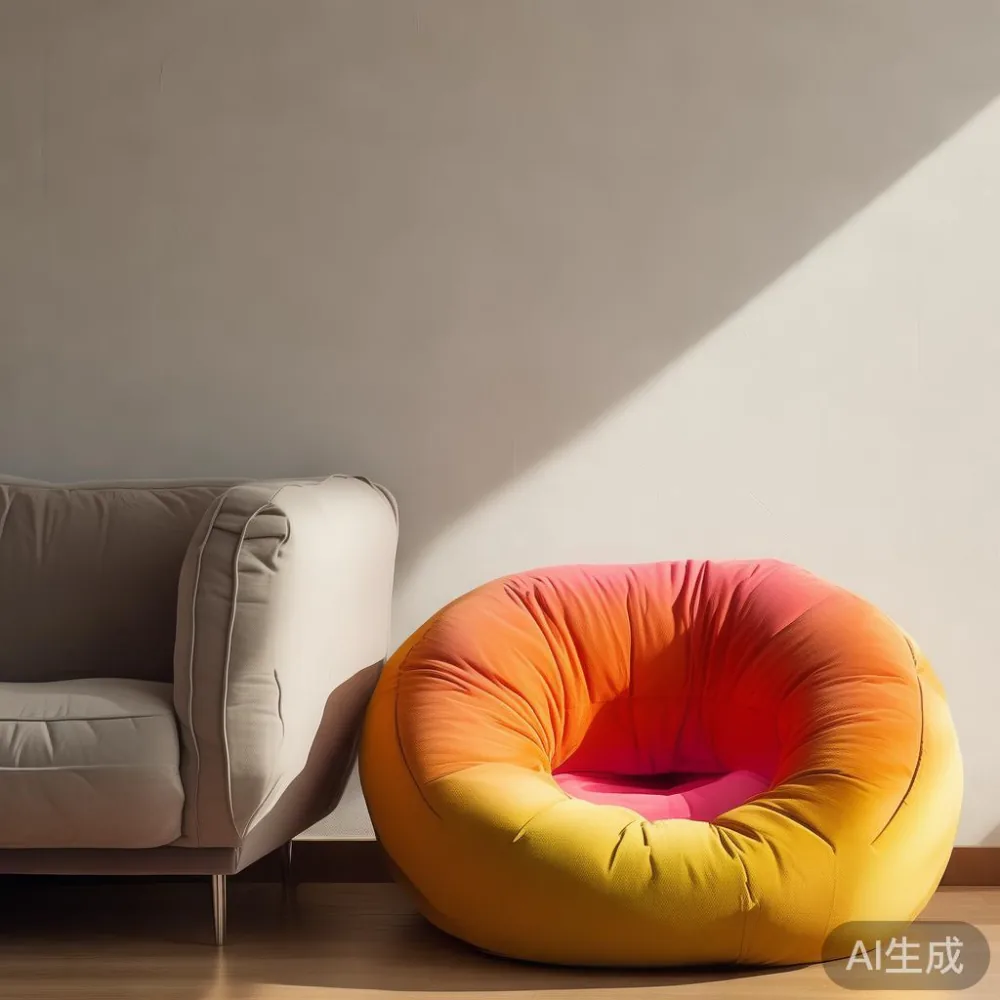
A bean bag can fill a compact corner of a Tampines HDB flat with a relaxed seat for less money than a conventional armchair. Solid wood costs more at purchase, but its long-term economics can be clearer: less dependence on replacement, refinishing, or disposal. For furniture that must negotiate 85-95 cm lift doors, narrow corridors, and compact condo living rooms, purchase price alone is only part of the decision.
I tested this comparison last month with my colleague, who replaced a low-cost bean bag in a Bedok flat and repaired a 7-year-old solid oak dining table. We recorded purchase cost, annual use, repair work, delivery constraints, and resale implications. The figures below use realistic Singapore pricing in SGD, including 9% GST where noted.
Is a bean bag cheaper than solid wood over 5 years?
For occasional seating, often yes. A 90 × 90 × 65 cm fabric bean bag may cost SGD 89 before GST, or SGD 97 after GST. A comparable solid wood armchair may cost SGD 420 before GST and SGD 458 after GST. The initial difference is SGD 361.
Over 5 years, a SGD 97 bean bag used 3 times per week accumulates 780 uses, or about 156 uses per year. If the cover requires replacement twice, budgeting SGD 25 each time plus SGD 10 for cleaning produces a five-year total of SGD 157. A solid wood armchair at SGD 458 might need one SGD 18 tightening or hinge repair and one SGD 35 refinishing service. Its five-year total becomes SGD 511. The bean bag is cheaper by SGD 354 in this scenario.
That answer changes with daily use. A family may use a bean bag 12 times per week for reading, gaming, and guest seating. If the foam loses resilience and the cover needs replacement every 18 months, the outlay can reach SGD 287 over 5 years. The solid wood chair still totals SGD 511, a difference of SGD 224.

However, a bean bag is not a direct substitute for every solid wood seat. It provides a soft, low profile rather than a structured dining chair, and its 12-20 kg assembled weight can make moving it between rooms harder than expected. Consider the bean bag as flexible lounge seating, not as a dining-table solution.
What does 5 years of ownership really cost?
The fairest comparison includes five cost categories: purchase, maintenance, repair, delivery, and the value of replacing or reselling the item.
For a bean bag, purchase cost is SGD 97 including GST. Add an average of SGD 60 for two cover renewals, SGD 20 for foam or zipper work, and SGD 25 for delivery and collection. Its 5-year cash cost is SGD 202. If it has no resale value, total economic cost remains SGD 202.
A 120 × 60 × 78 cm solid wood dining chair costing SGD 490 before GST reaches SGD 534 after GST. Annual wipe-down costs about SGD 12, while 2 minor repairs and one refinishing session add SGD 85 across 5 years. Delivery at SGD 35 brings the total to SGD 666. A used chair might recover 25% of its purchase price, reducing net cost to roughly SGD 532, compared with the bean bag's SGD 202.
Delivery is a meaningful Singapore variable. A supplier may quote free delivery above SGD 350, while a lift booking surcharge can be SGD 20-SGD 40 for the second trip. A 15 kg bean bag usually fits through an 85 cm lift doorway once compressed. A boxed solid wood dining table may weigh 48-72 kg and need two-person carrying through a 90 cm corridor.
This is where MIDHILL's stated free shipping over US$350 needs careful comparison rather than a simple currency swap. The exact SGD checkout threshold and international freight treatment should be confirmed for each Singapore order. GST, import charges, and curb delivery can still affect the final local amount.
Which material suits HDB and condo living?
Space is not only floor area; it is also the route from the service lift to the unit door. In Tampines, Bedok, and Punggol, a compact bean bag can sit under a 105 cm-high window or beside a 140 cm sofa. Its rounded shape avoids the sharp corners that visually crowd a 320 sq ft living room.
Solid wood has different advantages. A 150 cm solid wood dining table with six chairs requires about 220 × 95 cm of clear floor space. Pulling a chair back needs another 45 cm. In a condominium dining zone, a round 110 cm table can make better use of a 210 cm-wide nook, but its 55-65 kg weight makes moving it uncommon.
Corridor and lift dimensions should be checked before ordering. For solid wood, measure the narrowest corridor turn, lift door width, lift depth, and the diagonal of any boxed component. A 180 cm wardrobe may need flat-pack delivery and assembly; a 190 cm marble table may require specialist handling because of its 95-130 kg weight.
Light-luxury design does not demand a large room. French light luxury can use pale oak, rounded edges, cream upholstery, and a single refined bean bag as an informal accent. American light luxury leans towards larger solid wood forms and generous proportions. Post-modern light luxury can pair a sculptural bean bag with a rectilinear solid wood bed frame or dining table.
For a smaller unit, the material decision should follow the function. A bean bag suits a reading corner where softness is useful. A solid wood bed frame, wardrobe, nightstand, or dining table suits storage, support, and repeated meals. A solid wood sofa offers more upright support than a bean bag and can retain its shape after children or guests leave the room.
How do veneer and solid wood compare over 5 years?
Veneer is real wood grain applied to a thinner substrate. It can deliver the appearance of solid timber at a lower price and weight. The risk is not that every veneer table fails in year 3. The risk is that edges, joints, and moisture exposure reveal the construction earlier.
Consider a 140 cm veneer dining table at SGD 520 including GST. Delivery is SGD 35, and average refinishing or patching costs SGD 45 per year over 5 years, totaling SGD 225. One SGD 60 edge repair raises the total to SGD 285, making it SGD 560 over 5 years.
A comparable 140 cm solid oak dining table at SGD 980 including GST has delivery at SGD 35 and approximately SGD 90 in care and repairs across 5 years. Its total is SGD 1,105. The veneer option starts SGD 460 lower, but after maintenance the gap narrows to SGD 545. If the veneer table has to be replaced in year 5, the veneer outlay could reach SGD 585, still below the solid wood total.
That is why material value depends on expected service life. A family expecting to move after 3 years may prefer a lower upfront outlay. A household keeping the same dining table for 10 years may find solid wood more economical because scratches can be sanded and the surface refinished without replacing the whole structure.
Quality varies more than the label. Solid wood panels can move in Singapore humidity, while high-grade veneer can remain stable if its substrate and adhesive are properly made. Ask about the frame, joint method, finish thickness, and repair process. For a solid wood sofa, bed frame, dining table, wardrobe, or nightstand, inspect whether panels are solid timber or only veneered.
Is a light luxury bed worth it for a Singapore home?
The question “is light luxury bed worth it” is partly about the room, not just the bed frame. A queen solid wood bed frame measuring 155 × 205 cm may cost SGD 690 before GST and SGD 752 after GST. A 90 × 190 cm single version may cost SGD 390 before GST and SGD 425 after GST.
Allow about SGD 15 per year for wood care and SGD 40 for one repair across 5 years. A queen frame with SGD 40 delivery therefore reaches SGD 867 over 5 years. A basic queen veneer bed frame at SGD 350 before GST, or SGD 382 after GST, may reach SGD 477 with care, one repair, and delivery.
The light-luxury benefit comes from proportion, joinery, and tactile finish. A solid wood bed frame with a 6-8 cm visible side rail and restrained hardware can make a 9 sq m bedroom appear composed. A 42 kg frame may be difficult to carry upstairs alone, so check whether the lift can take the packaged length and whether the supplier includes carry-in service.
For bedside function, a solid wood nightstand may cost SGD 165 including GST, compared with SGD 85 for a veneer version. The difference is small enough that construction and drawer action should carry more weight than appearance alone.
Should the coffee table be marble, veneer, or solid wood?
A marble table can become the room's focal point without requiring a large footprint. A 100 × 55 cm marble coffee table may weigh 45 kg and cost SGD 620 before GST, or SGD 676 after GST. Its 5-year maintenance budget could be SGD 75 for professional cleaning and one repair, plus SGD 30 delivery, giving SGD 781.
A 100 × 55 cm solid wood coffee table at SGD 320 before GST, or SGD 349 after GST, may cost SGD 40 for maintenance and SGD 30 for delivery over 5 years. Its total is SGD 419. A veneer coffee table at SGD 220 before GST, or SGD 240 including GST, may total around SGD 365 after repairs and delivery.
Marble brings coolness and veining, but it is heavy, brittle at edges, and unforgiving of acidic spills. Solid wood accepts small marks more readily and can be refinished. If you are searching for where to buy coffee table from MIDHILL, compare the material, dimensions, and actual Singapore landed cost rather than relying on product photographs.
The phrase “where to buy coffee table from MIDHILL” should not distract from practical checks. Ask for the packaged dimensions, sample finish, weight, and delivery scope. For a light luxury dressing table or Mid-century modern dressing table, drawers must open fully in the available space. A 120 cm dressing table may need a clear area of at least 125 cm if hinged drawers require 75 cm of swing space.
Which option has the lower 5-year cost?
Here is a practical Singapore comparison. Figures include GST, estimated delivery, and routine maintenance. They assume 5 years of ownership and ordinary household use, not commercial wear.
A bean bag at SGD 97, plus SGD 105 in renewal and repair costs, reaches SGD 202. A veneer dining table at SGD 520, plus SGD 40 in delivery and repair costs, reaches SGD 560. A solid oak dining table at SGD 980, plus SGD 125 in delivery and care, reaches SGD 1,105.
A veneer coffee table reaches about SGD 365, while a solid wood coffee table reaches SGD 419 and a marble table reaches SGD 781. The numbers show why the lowest purchase price does not always produce the lowest 5-year cost, but they also show that solid wood is not automatically cheaper.
Solid wood wins economically when it is used daily, repaired rather than replaced, and kept for at least 8-12 years. Veneer can win when the item has a temporary role, a lower budget is required, or frequent moving makes weight and price important. A bean bag wins for a flexible seating corner, especially when the user accepts occasional cover replacement.
Check delivery timing too. Allow 7-14 delivery days for locally stocked items, while factory-made or made-to-order solid wood pieces may require 30-60 days. Confirm lift booking, doorstep versus room-of-choice delivery, and assembly. A 14-day return policy is useful only if the item fits the intended route and room.
For those comparing broader ranges, searching for the best European bed for 2026 can help define expected joinery and finish standards. Keep the final choice tied to your flat's measurements: 85-95 cm lift doors, 90-110 cm corridors, 12 kg adults using the bean bag daily, and furniture expected to move every 3-5 years.
What should a Singapore buyer ask before paying?
Ask whether the visible panels are solid wood, how joints are constructed, what finish is used, and whether scratches can be repaired locally. For a Modern light luxury sofa or solid wood sofa, sit-test the frame, lift the sofa base if access is allowed, and check the seat height against your coffee table.
For storage furniture, test every drawer and door. A wardrobe may need a 60-70 cm door-opening zone, while a hinged wardrobe door can require 90 cm of clearance in a narrow bedroom. For the dining table, check chair pull-back space, not only the tabletop dimensions.
Finally, compare the full ownership record. MIDHILL offers a 10-year structural warranty and lifetime refinishing, which can reduce repair uncertainty for eligible solid wood products. Its export history across 15-plus countries and establishment in 2008 provide useful evidence of manufacturing experience. Singapore buyers should still confirm local service coverage, GST treatment, delivery charges, and warranty documentation in writing.
Over 5 years, a well-used bean bag may remain the least expensive seating choice, while a maintained solid wood dining table, bed frame, wardrobe, nightstand, or coffee table may offer better long-term utility. The sensible purchase is not the one with the most fashionable material label; it is the one whose size, weight, repairability, and delivery route fit your Singapore home and your actual five-year plan.