Caring for a Lacquered Surface in a Tropical Climate
Living in Singapore means living with humidity. On most afternoons the relative humidity sits between 75% and 90%, and during the December to February monsoon stretch it rarely drops below 82%. I learned this the hard way last March when I visited my colleague's new Tampines HDB flat in Singapore. She had bought a glossy lacquered dining table two months earlier, and along one edge near the kitchen door, the sheen had turned cloudy. A white ring about 6 cm wide had formed where steam from the rice cooker had drifted across the lacquer film every morning. The table was structurally fine, but the finish looked tired. That single visit pushed me to write down everything I know about caring for a lacquered surface in a tropical climate, especially for buyers of light-luxury solid wood furniture from a maker like MIDHILL, who ships from Foshan to Singapore with a 10-year structural warranty and lifetime refinishing support.
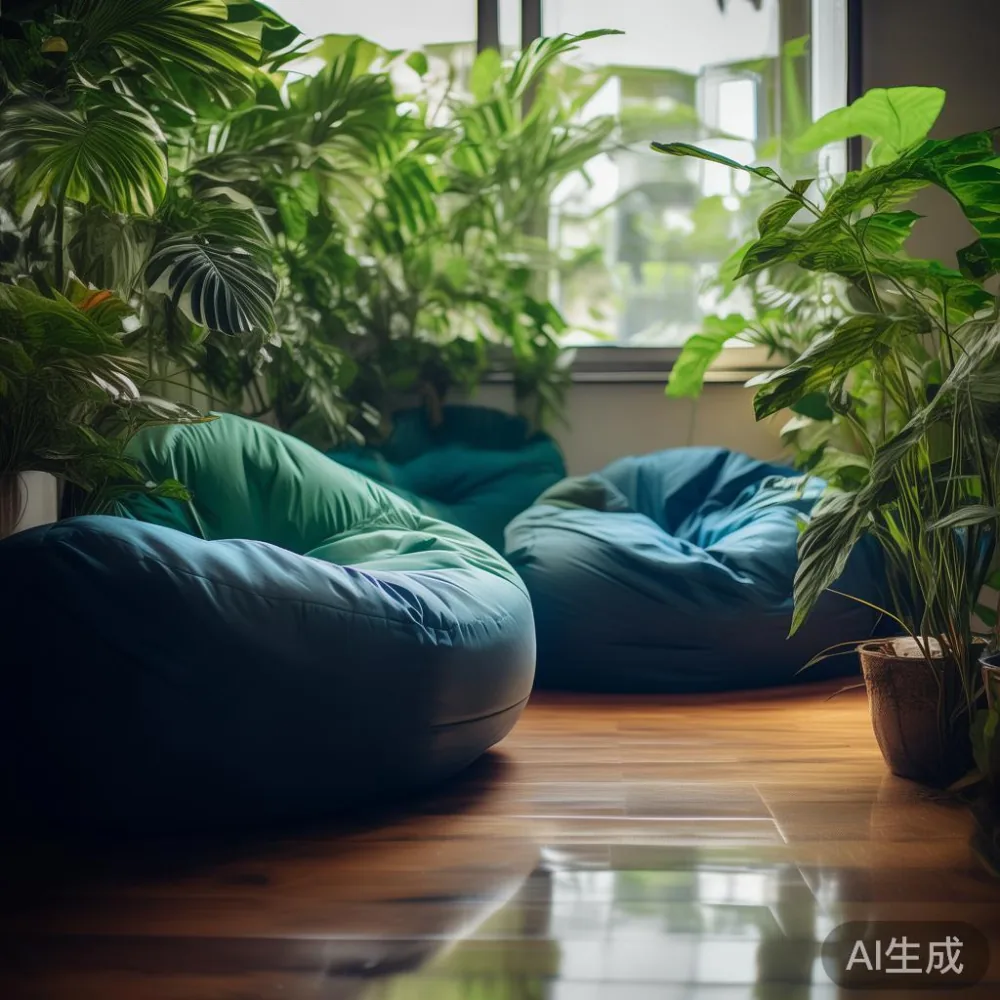
Why Does Lacquer React So Strongly to Singapore Humidity?
Lacquer is a film finish. Unlike oil or wax, it sits on top of the wood as a continuous plastic-like skin, usually 0.08 to 0.15 mm thick once cured. That skin is excellent at resisting coffee spills and fingerprint smudges, which is exactly why light-luxury French neoclassical ash wood nightstand pieces and post-modern light luxury bed frames in Singapore showrooms look so polished. The problem is that underneath the skin, the wood still breathes. When the relative humidity inside a HDB flat climbs past 80%, solid hardwood absorbs moisture from the air and swells by roughly 1% to 2% across the grain. The lacquer cannot stretch at the same rate, so it develops micro-cracks, hazing, or what my colleague saw on her dining table: a cloudy blush where moisture got trapped between the wood and the film.
Singapore's coastal air makes this worse. Tampines, Bedok, and Punggol all sit within 10 km of the sea, and salt-laden air carries fine chlorides that settle on every exposed surface. A lacquered bed frame or wardrobe near a frequently opened window can collect a fine salt film that feels slightly sticky within 48 hours. The lacquer itself is not attacked by the salt, but the salt keeps moisture against the finish and dulls the gloss.
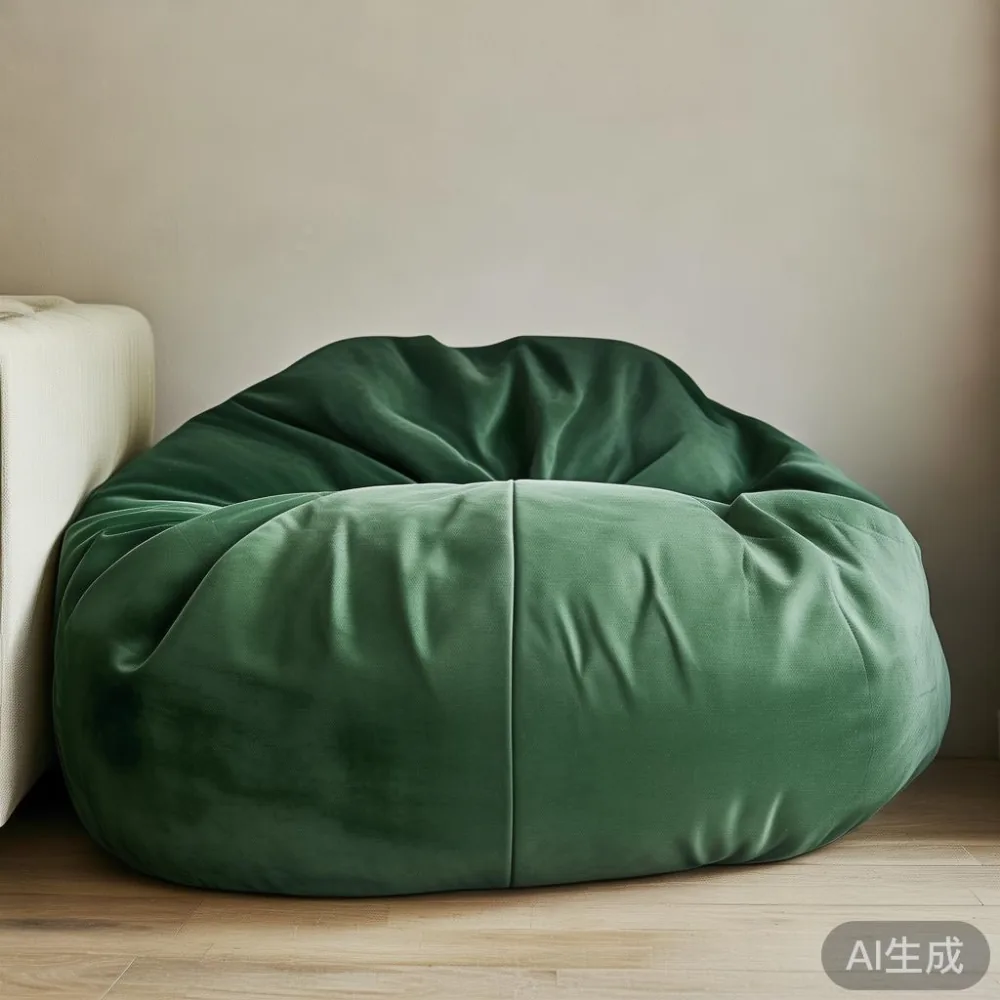
Is Modern Light Luxury Master Bed Furniture Worth It?
Yes, modern light luxury master bed furniture is worth it for owners who want a calm, hotel-grade bedroom without the heavy ornament of full classical European styling, provided you maintain the lacquer correctly. The American light luxury style in particular pairs matte or low-sheen lacquered ash wood with brushed brass and beige textiles, and it tolerates tropical humidity far better than mirror-gloss finishes because micro-scratches do not show up against a softer sheen. A queen-size modern light luxury master bed frame in solid ash typically weighs between 60 kg and 85 kg, which is meaningful when you factor in a typical Singapore condo lift measuring 1.2 m wide by 1.5 m deep with a 1.5-tonne capacity; you usually need two men and a luggage trolley to bring the box upstairs, and MIDHILL arranges this for free on orders over US$350 (about SGD 470).
What Is the Right Way to Dust a Lacquered Wardrobe or Nightstand in a HDB Flat?
Dust twice a week with a microfiber cloth that has been lightly misted with distilled water, then wiped dry. Tap water in Singapore contains dissolved minerals that leave faint streaks on dark lacquer, and within ten days those streaks build into a dull film. I keep a 750 ml spray bottle of distilled water next to my cleaning caddy and use roughly 8 sprays per square metre. For a 180 cm wide x 60 cm deep x 210 cm tall lacquered wardrobe, that is about 8 to 10 sprays per session. Follow the wood grain, not against it, and never use a feather duster, because the barbs drag across the surface and create micro-scratches that catch light.
For a marble table paired with solid wood legs, wipe the stone separately with a pH-neutral stone spray. Lacquer care and stone care are different disciplines; mixing products across the two surfaces is a common mistake.
How Should You Handle Spills on a Lacquered Dining Table Near an Open Kitchen?
Blot, never wipe, and do it within 30 seconds. Wiping pushes water into the seam between lacquer and substrate and produces the exact white ring my colleague saw on her 1.6 m dining table. Use a dry microfiber cloth, press down, lift, repeat. For oily spills like sambal or curry, sprinkle a pinch of cornstarch on the spot, wait 60 seconds, then lift the powder away with a clean cloth. The powder pulls the oil out without dissolving the lacquer. If a stain has already set, do not reach for acetone or nail polish remover; both will strip lacquer in under 10 seconds. A dab of mild dish soap on a damp cloth, left on the mark for 20 seconds and then buffed dry, usually lifts fresh food stains without damage.
How Can You Control Humidity Around a Solid Wood Sofa, Bed Frame, or Wardrobe?
Target a stable 55% to 65% relative humidity, year-round. This matters more than any cleaning product. A small dehumidifier set to 60% RH running 12 hours a day in a 90 sqm HDB flat uses about 1.8 kWh and adds roughly SGD 9 to your monthly electricity bill at the current SP Group tariff. Place silica gel packets or a rechargeable dehumidifier box inside wardrobe drawers, behind the headboard of the bed frame, and under the seat cushions of a solid wood sofa. Each box typically covers 0.5 cubic metres and costs between SGD 12 and SGD 22 at a Bedok FairPrice or Tampines Mall hardware shop. Recharge them in the sun every three weeks for four hours, and they will last 3 to 4 years before the beads need replacing.
Avoid placing a lacquered piece directly under a wall-mounted aircon unit. The cold plume drops the surface temperature of the lacquer by 4 to 6 degrees celsius compared with the room average, and the temperature gradient pulls moisture into the wood on the side facing the unit, causing uneven swelling and cracking along the lacquer seam. Keep at least 80 cm of clearance between the aircon louvre and any lacquered wardrobe, nightstand, or dining table.
What Are the Common Mistakes That Damage Lacquer in Condo Corridors and Lift Lobbies?
Most damage happens during moving, not during daily use. I watched a delivery team bring a 4-piece solid wood sofa set into a Punggol condo last month, and two of the lacquered armrest caps came out of the lift with hairline scuffs from being stacked against the lift door rubber. A few practical rules help:
1. Measure your lift car and your corridor before ordering. Singapore HDB corridor widths run 1.2 m to 1.5 m, and lift cars in newer condos are typically 1.1 m wide by 1.4 m deep with a 2.4 m ceiling. A king-size modern light luxury master bed frame in a flat-pack box usually measures 215 cm x 45 cm x 35 cm, which fits diagonally across most lifts, but a fully assembled 220 cm headboard will not fit at all.
2. Reject boxes with crushed corners. Lacquer cracks travel from impact points, and a crushed corner on the box almost always means a crushed corner on the piece. MIDHILL's delivery includes a free replacement policy on visible transit damage, but you must photograph the box on the pallet before the team opens it.
3. Allow the furniture to acclimatise for 72 hours. After the truck arrives from the loading bay at 22 degrees celsius, the wood and lacquer need three days inside your air-conditioned flat to reach equilibrium with your indoor humidity. Place it in the final spot during this window, and never drag it across a marble tile floor, because grit on the underside will score the lacquer within a single 2-metre slide.
How Often Should a Lacquered Surface Be Refinished, and What Does It Cost in Singapore?
A light refresh every 3 to 4 years keeps a high-gloss piece looking new for 20+ years. A full sand-and-relacquer for a 1.8 m dining table in Singapore typically costs between SGD 280 and SGD 450 with a mobile workshop, plus SGD 60 to SGD 90 for the on-site dust tent if the job is done in your home. Most condo managements require you to inform them 7 days in advance for any VOC-emitting work in the corridor, and a 14-day written notice is common for HDB. A maker like MIDHILL offers lifetime refinishing support on its lacquered dining tables and wardrodes for pieces bought directly from its Singapore distribution partner, with the customer covering only the courier fee (about SGD 85 round-trip for a single item).
Can Bean Bag Furniture Sit Alongside Lacquered Pieces Without Causing Problems?
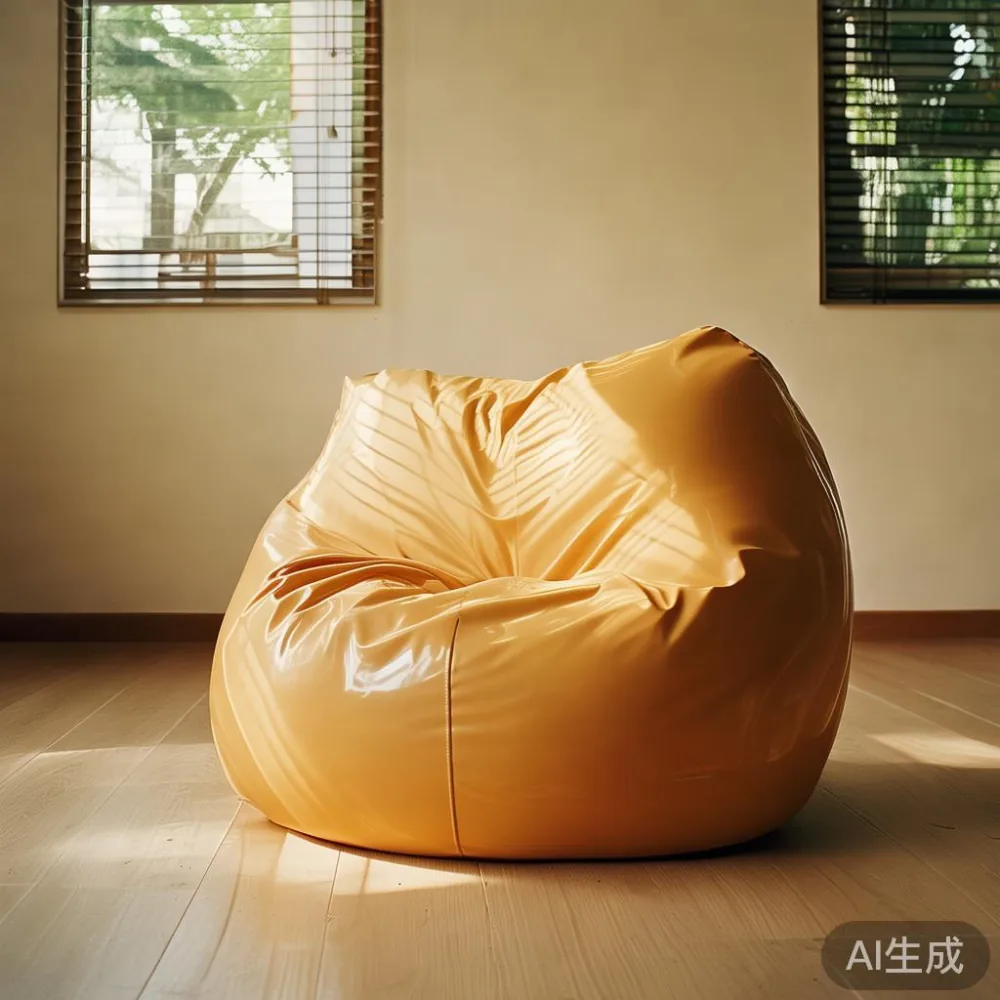
Yes, a bean bag can absolutely share a room with a lacquered bed frame, wardrobe, or nightstand, with a few small habits in place. The outer cover of a quality bean bag is canvas or PU-coated polyester, neither of which off-gasses anything that attacks lacquer. The risk is indirect: a bean bag often gets dragged across the floor by a foot, and that dragging motion kicks up grit that can scratch a nearby lacquered dining table leg. Place a 90 cm round felt or rubber mat under any bean bag that sits within 1.5 m of a lacquered piece, and the issue disappears. I keep a dark grey felt mat under my reading bean bag in the study, about 20 cm from a low lacquered sideboard, and the floor stays clean and the sideboard has not gained a single scratch in 18 months.
Another small habit: rotate the bean bag once a week. The leatherette or canvas cover holds a memory of the seating position, and if it never moves, the underside develops a permanent crease that can press against a lacquered wardrobe door over months of contact. Two minutes of fluffing each Sunday keeps both pieces in good shape.
What Should a Singapore Buyer Ask a Foshan Brand Before Placing a Deposit?
Five questions separate a confident purchase from a regret. Ask what lacquer system the brand uses: NC (nitrocellulose), PU (polyurethane), or PE (polyester). PU and PE handle tropical humidity far better than NC, and a credible brand will name the system on the spec sheet. Ask for the substrate thickness: 25 mm to 32 mm top panels on a dining table or marble table will resist cupping far better than the 18 mm panels common in entry-level flat-pack. Ask whether the wood is kiln-dried to 8% to 12% moisture content; anything above 15% will move the moment it lands in a Tampines bedroom. Ask for the warranty in writing, and ask how many pieces the brand has shipped to HDB addresses like 510 to 520 in Tampines or 820 to 830 in Punggol. Finally, ask whether the GST (9% in Singapore at the time of writing) is included in the quoted SGD price, because a 9% surprise on a SGD 2,400 dining table is SGD 216 you did not plan for.
Quick Reference: Care Calendar for Singapore Lacquered Furniture
Daily: blot spills within 30 seconds, no coasters on lacquer, no wet mugs direct on the surface. Weekly: microfiber dust, twice per week, distilled water only. Monthly: vacuum wardrobe drawers at low suction using a soft brush attachment, check silica gel boxes. Quarterly: polish with a hard carnauba wax paste, applied sparingly, buffed after 15 minutes, never a silicone spray. Annually: inspect the underside of every lacquered top for haze or blush, especially pieces near the kitchen. Every 3 to 4 years: book a refinish, photograph any damage before the team arrives, and keep the receipt for the original purchase alongside the warranty card. Keep that card somewhere dry, because humidity attacks paper as well as lacquer, and a soggy warranty document is hard to claim against in year eleven.