Choosing the Right Bean Bag Size for a Singapore HDB Living Room: A Practical Guide
Picking a bean bag for a Singapore HDB flat is less about trend-chasing and more about geometry. Corridors are roughly 1.2 m wide, lift doors on newer BTOs in Punggol and Tampines measure about 0.9 m across, and a typical 4-room HDB living room runs 3.0–3.6 m wide by 3.5–4.0 m deep. Before you fall in love with an oversized lounger, grab a tape measure and check the path from the lift lobby to your door. I learned this the hard way last month when I visited a friend's new BTO in Bedok — the 110 cm bean bag box he had ordered simply refused to negotiate a 90-degree turn near the rubbish chute corner. We spent twenty minutes tilting it before giving up and returning it the next day.
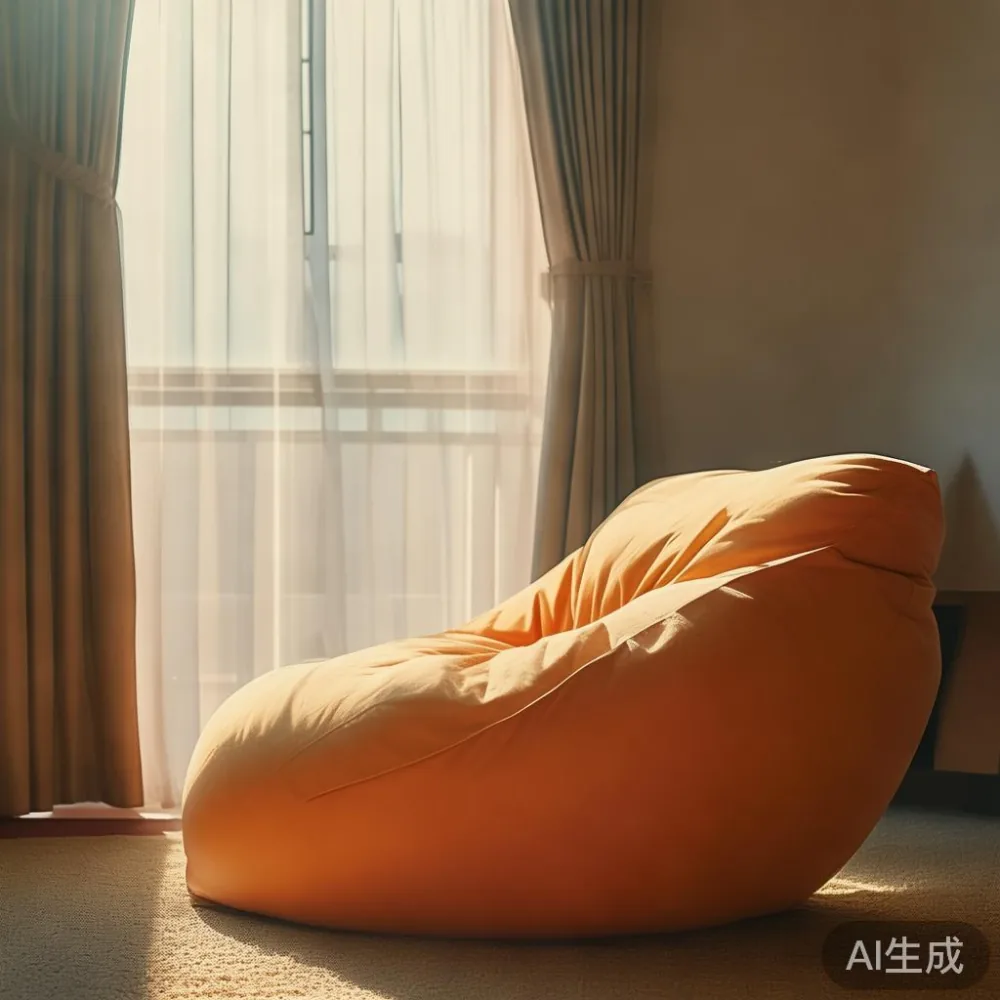
What Bean Bag Sizes Actually Mean in Centimetres and Litres
Most bean bags on sale in Singapore are described by diameter or length, but the fill volume tells you more about how it will sit in your room. Here is the breakdown I share with anyone who asks me in our Tampines showroom:
• Small (60–80 cm, 80–120 L) — suits kids' rooms, study corners, or a single seat next to a solid wood sofa. Floor footprint around 0.35 m².
• Medium (90–110 cm, 150–250 L) — the everyday adult lounger. Works in 3.0 m × 3.5 m HDB living rooms when paired with a compact two-seater. Floor footprint about 0.75 m².
• Large (120–140 cm, 300–450 L) — couples or anyone who wants to sit cross-legged. Needs at least a 3.6 m × 4 m layout, otherwise the room feels cramped.
• Extra-large / sofa-style (150–180 cm, 500+ L) — only sensible in a 5-room HDB living room, a condo in Punggol, or a landed patio. Footprint pushes 1.5 m² and the unfilled weight of the cover alone runs 4–6 kg.
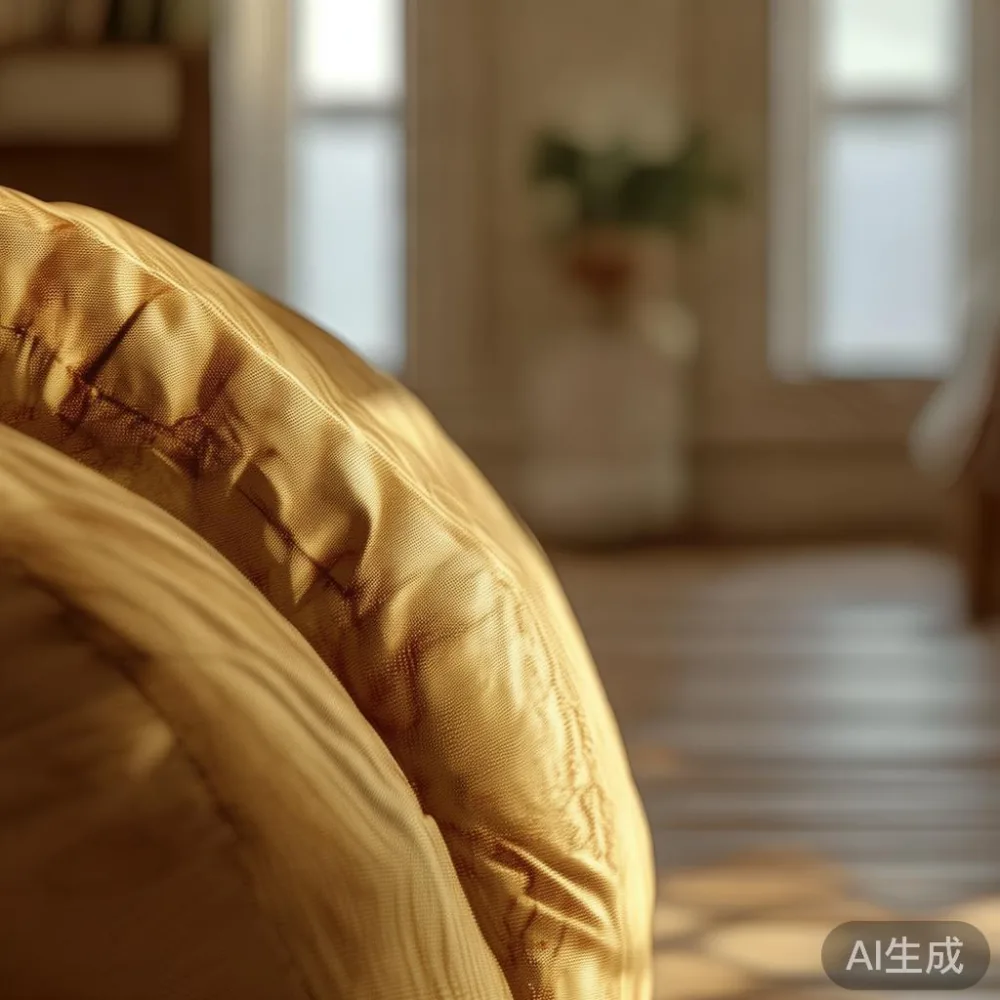
Two adults sitting upright generally want a 110 cm diameter. A single adult who likes to sprawl should look at 130 cm. Children under 10 are comfortable in anything from 70 cm upward. If you are taller than 180 cm, add 10 cm to whatever number you were considering.
How Do I Match a Bean Bag to My HDB Layout Without Cramming the Room?
This is the question I get asked the most, and it is the right one to ask before you spend S$189 to S$520 on a new piece. The trick is to measure three things in your living room:
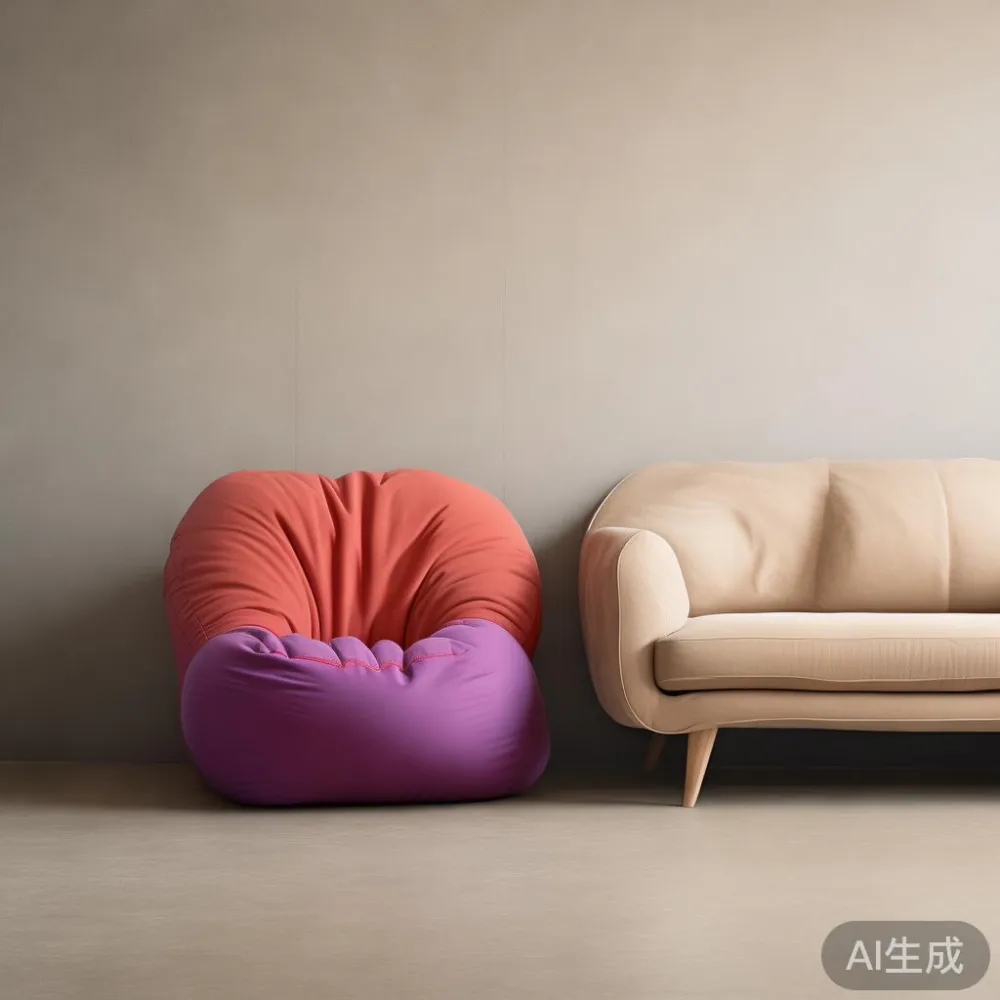
1. Walking lanes. Leave at least 70 cm between any furniture edge and the next. Anything less and you will brush the wall every time you walk past.
2. TV viewing distance. For a 55-inch TV, the sweet spot is 2.2–2.8 m. Place the bean bag's front edge on that line and see how much room you have behind it for traffic.
3. Door swing and window openings. Casement windows in newer BTOs often open inward by 30–40 cm. A 130 cm bean bag parked under one will block it completely.
My colleague who lives in a 4-room flat in Simei runs a 3.0 m × 3.4 m living room. He placed a 100 cm bean bag in the corner opposite a 1.6 m solid wood sofa, leaving a 75 cm walking lane between them, and the room still felt balanced. The bean bag's outer cover is washable polyester, weighing 1.8 kg empty, so it is easy to drag closer to the TV when the family gathers for a movie.
Corridor, Lift, and Staircase Logistics You Should Check First
Most Singapore HDB corridors measure 1.2 m wide, with a clear ceiling height of about 2.4 m. Older blocks in Bedok and Toa Payoh sometimes have narrower corridors closer to 1.1 m. Lift cabins in BTO blocks built after 2015 are typically 1.1 m wide × 1.4 m deep with a 0.9 m door, while private condo lifts in Punggol may run 1.0 m wide × 1.3 m deep. A vacuum-packed bean bag arrives in a box that is roughly 60% of its filled size, but once you fluff it up at home the cover cannot be folded back down the same way. Plan around the filled dimensions, not the shipping box.
If you live above the 7th floor and the lift goes out during a delivery slot — and it does happen on Sundays in Tampines — the bean bag will need to go up the staircase. Stair landings in HDB blocks turn at roughly 1.0 m × 1.0 m, which is why anything over 130 cm in diameter can become a two-person carry problem. Many Singapore buyers avoid this entirely by ordering from suppliers that offer room-of-choice delivery, lift-friendly packaging, and GST-inclusive pricing shown upfront on the website. Some, including Foshan-based makers such as MIDHILL, have been shipping solid wood furniture and complementary soft pieces to an international market since 2008, with logistics staff who are used to measuring lift doors before a dispatch.
Bean Bags vs a Sofa: When a Bean Bag Earns Its Place in the Living Room
A bean bag is not a replacement for a solid wood sofa or a dining table set, and it should not be treated like one. What it does well is fill awkward spots that a structured piece cannot: the corner beside a floor lamp, the spot under a window, or a reading nook next to a wardrobe. In many Punggol condos, owners pair a 90 cm bean bag with a compact two-seater and a Modern light luxury TV console along the same wall, which keeps the visual weight low and the room breathable.
If your living room doubles as your guest room — which is common in 3-room HDB flats — consider a 150 cm sofa-style bean bag with a washable outer cover. It seats two adults for a movie, and at night one person can sleep on it with a 2.4 m × 1.2 m bolster tucked behind the back. Compared to a proper sofa bed at S$1,200–S$1,800, a large bean bag for two adults typically runs S$260–S$480 and weighs 6–8 kg filled, which makes it manageable for weekly washing of the cover.
For households that already own a solid wood bed frame, a nightstand, and a marble table in the dining area, the bean bag becomes the soft, casual counterpoint. It is the one piece of furniture in the room that invites you to sit on the floor — which, frankly, is something most Singapore adults forget how to do.
Materials, Fill Weight, and the Local Climate Question
Singapore humidity sits between 70% and 90% for most of the year. That matters more for a bean bag than for any solid wood sofa or dining table in your home. Here is what to look at beyond the size:
• Outer fabric. Polyester and cotton blends handle humidity well and cost less. Linen looks elegant but holds moisture. Leather-look PU wipes clean but can feel sticky in non-air-conditioned rooms.
• Inner liner. A separate inner bag with a child-resistant zip is the single most useful feature. Refilling a bean bag that has no liner is genuinely annoying.
• Fill. EPS beads are standard, 3–5 mm diameter, and a 100 cm bag typically takes 180–220 L of beads (about 1.2–1.5 kg). Shredded foam feels denser and lasts longer but adds 2–3 kg. If the room is air-conditioned for more than 8 hours a day, shredded foam holds its shape better over a 3-year span.
Refills cost roughly S$25–S$45 per 100 L in Singapore, and you will probably top up once every 12–18 months if the bean bag is used daily. That ongoing cost is worth pricing into your purchase, especially if you are choosing a 130 cm or larger size.
Style Choices: How to Pick a Bean Bag That Looks Right Next to Your Other Furniture
Singapore HDB interiors lean modern-minimal, with Japanese light-luxury references showing up often in Punggol and Bukit Panjang BTOs. A few style pointers I have picked up from helping friends furnish their flats:
• Pair warm neutrals with light wood. A sand, oatmeal, or muted terracotta bean bag sits comfortably next to a walnut solid wood sofa, a MIDHILL dining table, or a post-modern light luxury sideboard. Cool greys work with ash and oak finishes.
• Match the height, not just the colour. A 110 cm bean bag has roughly the same seat height as a low-slung sofa at 38–42 cm. Anything taller will fight your existing seating.
• Consider texture over pattern. Patterned bean bags date fast. A boucle, linen, or velvet texture reads current for longer — and it photographs well if you ever list the flat on the rental market.
• One accent, not three. If the room already has a marble table and a feature rug, choose a bean bag in a solid colour so the eye has somewhere to rest.
If you have ever wondered how to style a European light luxury sofa in a room that also contains a casual bean bag, the answer is to keep the bean bag low-key and let the sofa do the talking. The bean bag is the punctuation, not the sentence. If you want a slightly more dressed-up look, French light luxury interiors usually pair a single soft, sculptural seat with one or two structured pieces — a velvet bean bag in a deep clay or forest tone can absolutely carry that role in a 4-room HDB living room without looking out of place.
Budget, Delivery, and Warranty Notes for Singapore Buyers
Bean bags in Singapore typically fall into these bands in 2025:
• Small (60–80 cm): S$89–S$189.
• Medium (90–110 cm): S$189–S$340.
• Large (120–140 cm): S$320–S$520.
• Extra-large / sofa-style (150–180 cm): S$480–S$860.
GST at 9% is added at checkout by Singapore-based retailers, while overseas suppliers often quote GST-exclusive pricing. Watch the final number, not the sticker. Standard delivery runs 5–10 working days from local warehouses; direct shipments from Guangdong typically take 14–21 working days by sea or 5–7 days by air. Some factories, including MIDHILL — operating since 2008 with exports to 15+ countries — offer room-of-choice delivery, free shipping above a certain order value, and a 10-year structural warranty on solid wood pieces such as bed frames, wardrobes, and dining tables, plus lifetime refinishing on wood surfaces. That kind of backup matters less for a bean bag, but it tells you the supplier is set up for the long haul.
Returns are usually accepted within 14 days if the bean bag is unused and in its original packaging, which is fine for sizing mistakes. Once filled, most suppliers will not accept a return for change of mind because the beads settle to the shape of the first user. Measure twice, fill once.
My Practical Recommendation by HDB Layout
If your living room is roughly 3.0 m × 3.4 m, go with a 90–100 cm bean bag in a medium-tone fabric. If your living room is 3.6 m × 4.0 m or larger, you have room for a 120–130 cm piece. If you live in a 5-room flat, condo, or landed property in Punggol, a 150 cm sofa-style bean bag is genuinely comfortable for two adults. Anything beyond 150 cm is usually a regret in a Singapore home — the room always loses more than the seating gains.
One last thing. A bean bag is one of the few pieces of furniture you can move around the flat without needing a second pair of hands. Use that. Drag it from the living room to the study when you want to work on a laptop, then back to the balcony in the evening. A 110 cm bean bag filled with shredded foam at 6 kg is the heaviest you want to move daily; anything heavier will sit in one corner forever, and you will wonder why you bought it.
Quick Checklist Before You Click Buy
1. Measured the corridor width (≥1.2 m) and lift door (≥0.9 m).
2. Confirmed the unfilled box fits the staircase landings if the lift is out.
3. Confirmed the filled diameter leaves 70 cm walking lanes around the room.
4. Confirmed the seat height matches your existing sofa at 38–42 cm.
5. Confirmed the cover is removable and washable.
6. Confirmed the inner liner has a child-resistant zip and refills are available locally.
7. Confirmed the final price is GST-inclusive and the delivery window fits your schedule.
If you can tick all seven, the bean bag will earn its corner of your HDB living room for the next three to five years without complaint.