Bean Bag Bliss: Sizing Up Your Singapore HDB Living Room
The Singaporean home is a study in efficient living. With space at a premium, every piece of furniture must earn its keep. In the compact living rooms of HDB flats from Tampines to Punggol, the bean bag has emerged as a champion of comfort and flexibility. But choosing the right size is more than just a matter of preference; it's a careful calculation of space, function, and family dynamics. Getting it wrong means a cramped walkway or an oversized, unusable blob. Getting it right unlocks a new level of relaxed, modern living. This guide will walk you through the process, providing concrete measurements and practical advice to help you select the ideal bean bag for your home.
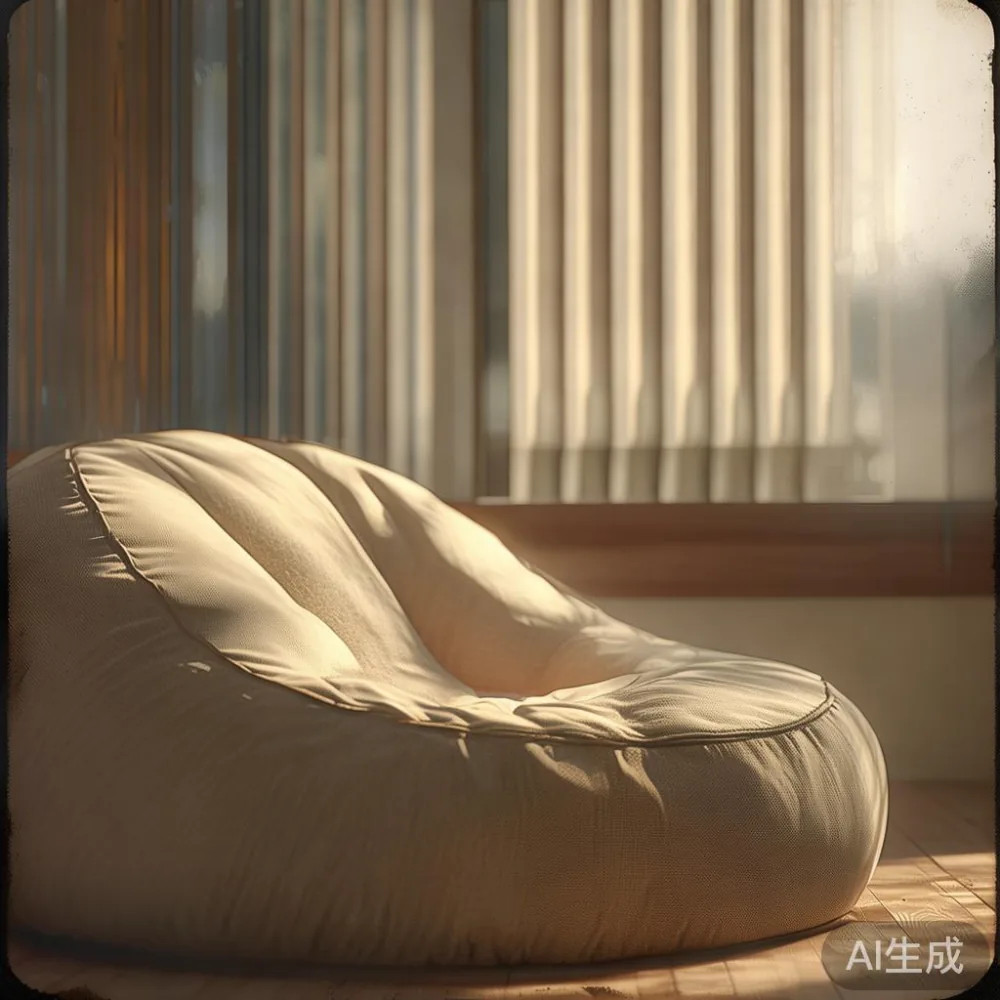
Understanding Your HDB Living Room Dimensions
The first step is to know your space. A standard 4-room HDB flat in Singapore, common in estates like Bedok or Sengkang, typically has a living room with approximate dimensions of 4.5 metres by 4.2 metres (450cm x 420cm). This gives you a total floor area of about 18.9 square metres. However, this space is shared with other furniture items like a solid wood sofa, a marble coffee table, and possibly a TV console. The actual footprint available for a bean bag is significantly smaller.
Before you even think about a bean bag, measure your living room. Use a measuring tape to get the exact length and width. Don't forget to account for permanent features like built-in cabinets or the corridor leading to the kitchen. A common mistake is to measure only the open area, forgetting about the walkways needed to access other rooms. A comfortable walking path should be at least 60cm wide. You also need to consider the width of your lift if you live on a higher floor. Standard HDB lifts are approximately 110cm wide by 210cm deep, so ensure your bean bag can be maneuvered through this space. A bean bag that is 120cm wide will not fit. Always measure twice and buy once.
How Much Space Should a Bean Bag Actually Occupy?
Once you have your room dimensions, the next question is how much of that precious floor area a bean bag should take up. A good rule of thumb is to allocate no more than 25-30% of your total living room space to a single piece of accent furniture like a bean bag. For our standard 18.9 sqm living room, this means the bean bag should ideally cover an area of about 4.7 to 5.7 square metres. This translates to a footprint of roughly 150cm x 150cm to 180cm x 180cm when it's fully expanded and occupied.
The key is to think about the bean bag's "functional footprint." An unoccupied bean bag might look small, but when someone sits in it, it spreads out. A small 100cm bean bag might expand to 120cm in width when in use. A large 150cm bean bag could expand to 170cm. You must plan for this expanded state. Imagine drawing a circle on your floor where the bean bag will sit. Is there still enough room to walk around it comfortably? Can you easily move from the sofa to the dining table without squeezing past? This visualisation is a powerful tool. A bean bag should complement the room, not dominate it. It should add to the sense of space, not subtract from it.
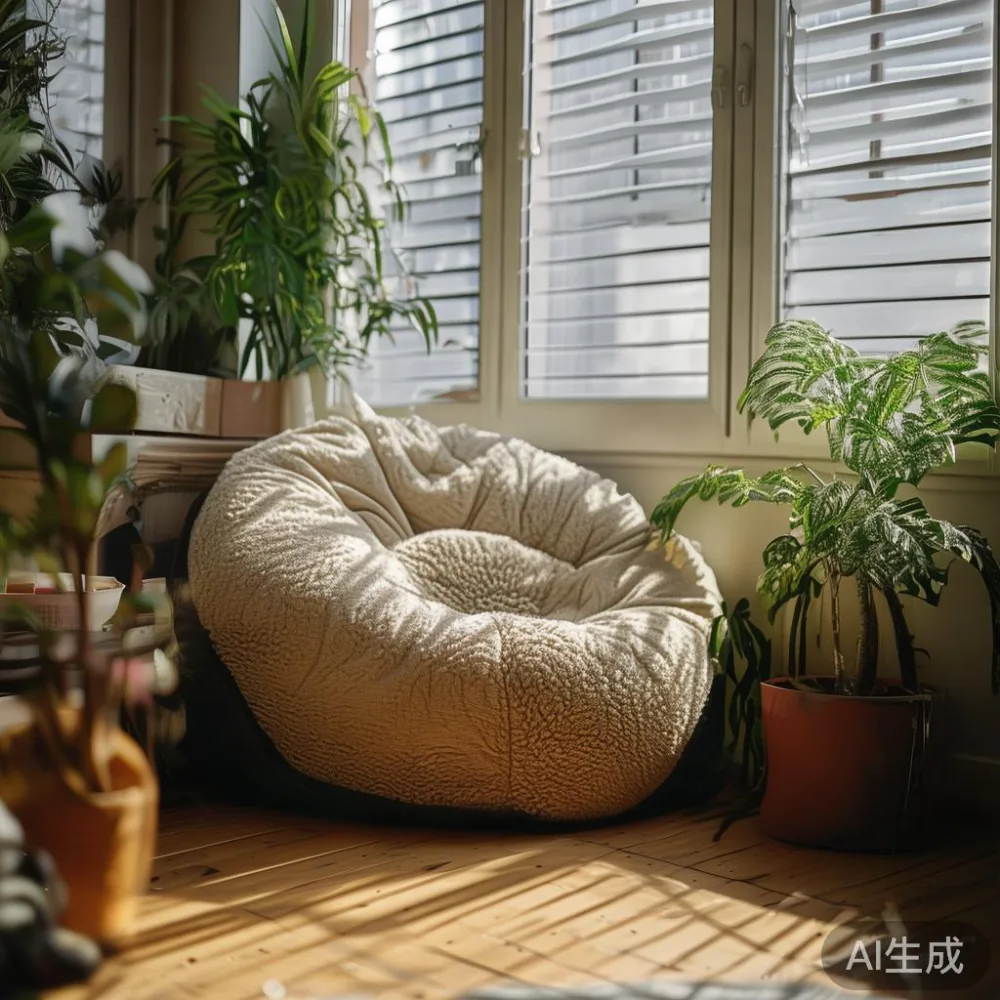
What Size Bean Bag Is Right for Your Family?
The ideal size for your bean bag is intrinsically linked to who will be using it. A single person living in a studio apartment in Tampines has vastly different needs than a family of four in a 5-room flat in Punggol. Let's break it down by user profile.
For an individual: A compact bean bag is perfect. Look for options around 90cm to 110cm in diameter. This provides ample space for one adult to sit or lounge comfortably without overwhelming a smaller room. It's easy to move, clean around, and tuck into a corner when not in use. A colleague of mine, who lives alone in a 2-room rental flat, recently purchased a 100cm bean bag. He told me it transformed his living space, giving him a dedicated spot for reading and watching movies without sacrificing his floor space. The footprint is just right for his lifestyle.
For a couple: A medium-sized bean bag is the sweet spot. A 120cm to 140cm bean bag allows two people to sit side-by-side or share the space for cuddling. It creates a cozy, intimate nook for movie nights or shared relaxation. This size is versatile enough for most standard HDB living rooms. It’s large enough for two but not so large that it becomes a permanent fixture blocking the path. This is the size you might see featured in magazines promoting light luxury for bedroom concepts, adapted for the living area.
For a family with children: A large bean bag is often the most practical choice. A 150cm to 180cm bean bag can comfortably fit two adults and one or two children. It becomes a shared space for the whole family to pile onto for story time, movie marathons, or just general play. The generous size means there's room for everyone, preventing arguments over who gets the comfy spot. It also serves as a giant, soft cushion on the floor, which is safer for kids than a hard coffee table corner. This size is excellent for creating a central, family-focused gathering point in the living room.
How to Measure and Test a Bean Bag Before Buying
You've read the numbers, but nothing beats a hands-on approach. If possible, visit a furniture showroom to physically test different bean bag sizes. Sit in them. See how they feel. Pay attention to how much they expand under your weight. Bring a tape measure to the store. Measure the bean bag's width and height while it's unboxed and while you're sitting in it. This will give you a real-world sense of its footprint.
If you're shopping online, the product description is your best friend. Look for detailed specifications. Reputable sellers will provide the exact dimensions of the bean bag in its unflattened state, the diameter when fully inflated, and the recommended filling weight. A standard large bean bag might require 7 to 9 kilograms of filling, which impacts its size and firmness. Consider the delivery logistics too. A bean bag is typically delivered as a cover and a separate bag of filling. The cover might be vacuum-sealed to be as small as a 50cm x 30cm box, making it easy to bring home. However, the filling bags can be bulky. Factor in the delivery days, which can range from 3 to 7 business days, and ensure someone is home to receive the package.
Think about the placement. Will the bean bag be in a corner, against a wall, or in the centre of the room? A corner placement can sometimes accommodate a slightly larger bean bag as two sides are already "contained" by the walls. A central placement requires more clearance on all sides. For those looking for a specific aesthetic, you might be searching for for sale Nordic furniture or perhaps a style that complements your existing solid wood sofa. The bean bag's shape and fabric should align with your interior design vision.
Can a Bean Bag Fit in a Small Living Room?
Absolutely. In fact, for a small living room, a bean bag can be a more space-efficient solution than a traditional armchair. The key is choosing the right size and style. For a truly compact space, like those found in older 3-room flats, a small 90cm bean bag is your best bet. Its circular shape doesn't protrude into the room as much as a rectangular armchair with armrests would.
Another clever strategy is to choose a Coastal for small living room theme, which often features lighter colours and more breathable fabrics. A bean bag in a light linen or cotton blend can visually expand the space. You can also consider a pouf-style bean bag, which is more structured and less likely to sprawl. For a more permanent feel, some manufacturers offer bean bags with wooden or marble bases, which improves them off the floor and makes them feel more like a piece of furniture than a floor cushion. This approach aligns with the French light luxury trend of combining comfort with elegant, structured forms.
Remember that a small bean bag doesn't have to be a compromise on comfort. Modern bean bags use high-density memory foam filling that provides excellent support and retains its shape better than traditional polystyrene beads. You can achieve a high level of comfort without sacrificing an inch of precious floor space. The flexibility to move it out of the way when you need extra space for guests or activities is a significant advantage over a fixed armchair.
What About Future Trends and Longevity?
When making a significant purchase, it's wise to think about longevity. While a bean bag is a casual piece of furniture, it can still be a long-term investment. Consider the quality of the fabric and the durability of the zipper. A good quality cover should be removable and washable, which is a practical feature for any Singaporean home dealing with humidity and dust. Look for fabrics like canvas, velvet, or high-grade polyester that are built to last.
From a design perspective, the bean bag continues to evolve. You can find options that incorporate elements of post-modern light luxury, featuring interesting textures, geometric shapes, or a mix of materials like faux fur and leather. If you're planning to refresh your bedroom as well, you might be interested in exploring 2026 light luxury furniture trends that blend comfort with sophisticated design. A well-chosen bean bag can fit right into this forward-thinking aesthetic. For those who prefer a more industrial look, you might search for the best Industrial sofa for 2026 and find that a bean bag in a distressed leather or canvas fabric can complement it beautifully.
It's also worth noting that furniture in Singapore is subject to 9% GST. When budgeting, ensure the price you see includes this tax. A quality bean bag is an investment in your daily comfort. Brands like MIDHILL, which have been crafting furniture since 2008, understand the importance of durable, well-designed pieces. Their focus on quality ensures that your bean bag will remain a comfortable and stylish part of your home for years to come, offering a simple solution to the challenge of living comfortably in a compact space. For any inquiries, you can reach them at midhillco@gmail.com. The right bean bag is out there; you just need to find the perfect fit for your home.