The Singaporean Challenge: Preserving Your Lacquered Furniture's Beauty
Living in Singapore, with its relentless humidity and year-round warmth, presents a unique set of challenges for homeowners, especially for maintaining furniture with fine finishes. A beautifully lacquered piece, whether it's a statement-making MIDHILL dining table or a sleek modern bean bag, can transform a space. However, the very conditions that make our city-state so vibrant can also threaten that pristine, high-gloss surface. The constant moisture in the air can lead to cloudiness, water spots, and even peeling if not properly cared for. This guide provides practical, actionable advice for preserving the lustrous beauty of your lacquered surfaces, ensuring they remain a centrepiece of your home for years to come.
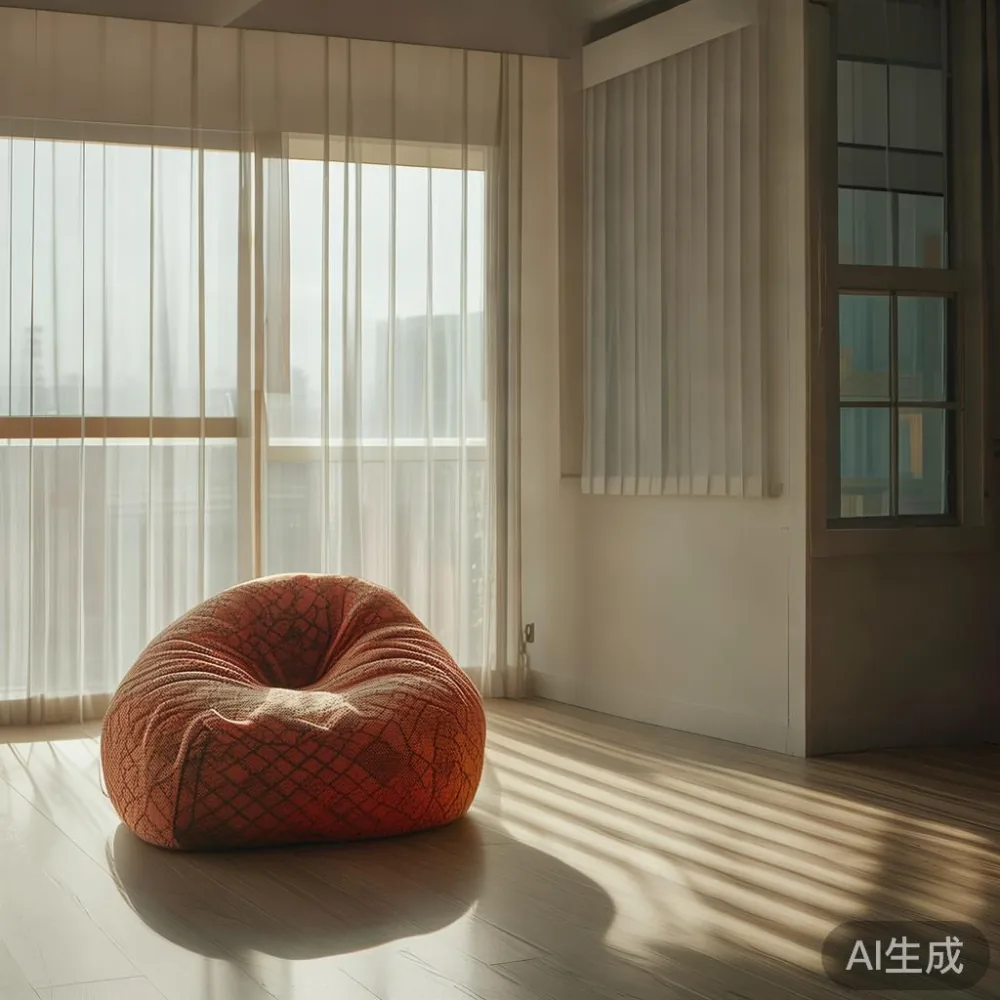
Understanding Your Lacquered Finish
Before we discuss care, it's helpful to understand what a lacquered finish actually is. Lacquer is a clear, durable coating applied over a wood base. It's known for creating a deep, reflective, mirror-like sheen that highlights the natural grain and colour of the wood. This finish is often found on high-end solid wood sofa options and elegant nightstand designs. While incredibly beautiful and tough, lacquer is not invincible. Its primary weakness in a tropical climate like Singapore's is its sensitivity to moisture and rapid temperature changes. A cold drink placed directly on a lacquered surface in an air-conditioned room can condense, creating a water ring. Conversely, moving that piece from an air-conditioned living room to a humid balcony can cause the finish to expand and contract, potentially leading to cracks. Understanding this vulnerability is the first step towards preventative care.
Can a Bean Bag Survive Singapore's Humidity Better Than Lacquered Wood?
This is a common question for those furnishing smaller spaces like a 45-square metre HDB flat in Tampines or a compact condo in Punggol. While a bean bag offers unparalleled flexibility and comfort, it serves a different purpose. A high-quality, leather or premium fabric bean bag is designed for casual use and is generally more forgiving of spills and humidity. However, it lacks the structured elegance and durability of a proper piece of solid wood furniture. The choice isn't about which is 'better' but which is right for the function and aesthetic of the space. For a formal dining area or a sophisticated living room, a lacquered MIDHILL dining table is the clear winner. For a media room or a child's play area, a bean bag might be more practical. The key is to place each type of furniture in an environment where its strengths can be fully appreciated.
Daily and Weekly Care Rituals for Your Lacquered Surfaces
Maintenance is the cornerstone of preserving a lacquered finish. A simple, regular routine can prevent most common issues. For daily cleaning, use a soft, lint-free microfiber cloth. A dry cloth is sufficient for removing dust. For light smudges or fingerprints, lightly dampen the cloth with distilled water. Avoid tap water, as the minerals can leave behind a dull film. Wipe in a gentle, circular motion, following the grain of the wood if it's visible through the lacquer. Once a week, give your lacquered pieces a more thorough cleaning. Use a dedicated furniture polish or a specialized lacquer cleaner. Apply a small amount to the cloth, not directly onto the furniture, to avoid over-saturation. A product like a high-quality French light luxury furniture cream can provide a gentle nourishment and enhance the shine without any harsh chemicals. Remember, the goal is to clean, not to strip the finish. Always buff the surface with a clean, dry cloth afterward to achieve that signature high gloss.
Dealing with Singapore's Specific Environmental Factors
Singapore's environment is the single biggest factor in furniture care. The high humidity, averaging between 70% and 90%, is the primary enemy. To combat this, position your lacquered furniture away from direct sources of moisture. This means keeping it at least 50 cm away from air-conditioning units, which can drip condensation, and at least one metre away from windows that are frequently opened during a rainstorm. In a high-rise condo in Bedok, where wind can be strong, ensure your windows are closed when it rains to prevent splashes. If you live in an HDB flat, be mindful of the lift and corridor widths. A large solid wood sofa or wardrobe might require careful negotiation through these spaces, and bringing it into a humid corridor temporarily exposes it to moisture. Plan your moves on a dry day. For added protection in particularly damp areas like a walk-in wardrobe, consider using a dehumidifier. A small 20-litre capacity dehumidifier running for 4-6 hours a day can significantly reduce the ambient humidity around your valuable furniture.
The Spill and Stain Emergency Plan
Accidents happen. A glass of iced teh tarik knocked over, or a drop of curry sauce from your dinner plate—these are real threats in a Singaporean home. The key to dealing with a spill on a lacquered surface is speed. Do not let the liquid sit. Immediately grab a soft, absorbent cloth or paper towel and blot the spill. Do not rub, as this can spread the liquid and push it into the wood grain or under the lacquer. For water spills, blotting is often enough. For sticky substances like food or drinks, you may need to use a damp cloth with a tiny drop of mild dish soap. Wipe the area immediately after with a cloth dampened only with distilled water to remove any soap residue. For stubborn stains, a specialized wood cleaner might be necessary. My colleague recently tested a popular marble cleaner on a lacquered surface by mistake and found it left a hazy film that required professional buffing to remove. This highlights the importance of using products specifically designed for your furniture's finish.
Long-Term Preservation: Polishing and Restoration
Even with the best care, a lacquered finish can lose its lustre over time, especially in our climate. The good news is that it can often be restored. Every 6 to 12 months, depending on usage and exposure, consider applying a high-quality carnauba wax polish. This will fill in minor micro-scratches and restore the deep shine. Apply a thin layer with a soft cloth, let it haze over for a few minutes, and then buff vigorously with a clean, dry cloth. For deeper scratches or a dulled finish that polishing cannot fix, professional refinishing may be required. A reputable service can sand down the existing lacquer and apply a new, durable finish. This is a significant investment, but for a piece like a French bed vs Nordic bed comparison winner, a timeless European light luxury sofa vs French provincial sofa centrepiece, or a how to choose Italian light luxury sofa dream piece, it's a worthwhile one to preserve its value and beauty. Always ensure the service provider has experience with high-end lacquered finishes.
Styling Tips for Lacquered Furniture in Singapore Homes
Caring for your furniture also involves how you style it and what you place around it. The reflective nature of lacquer can amplify a room's light, making spaces feel larger and brighter, which is perfect for Singapore's often compact apartments. In a modern condo in Punggol, a glossy black lacquered nightstand can create a stunning contrast against a light-coloured wall. To prevent damage, always use coasters under glasses and placemats under hot dishes. Avoid placing potted plants directly on the surface, as water can seep through the saucer. When arranging your living room, think about traffic flow. A large solid wood sofa should have at least 80 cm of walking space around it for easy movement. For those exploring how to style Japanese sofa in apartment themes, pairing a minimalist, low-profile sofa with a lacquered MIDHILL dining table can create a beautiful balance of textures and styles. If your budget is under $2000 for a under 2000 Scandinavian furniture setup, focus on a few key statement pieces like a lacquered coffee table and complement them with simpler, more affordable items.
Investing in Quality: A Worthwhile Expense
When considering a top 10 Mid-century modern furniture list, it's important to look beyond aesthetics. The quality of the materials and finish is paramount. A well-made piece with a high-quality lacquer finish is an investment. It's designed to last for decades, not just a few years. Brands like MIDHILL, established in 2008 and exporting to over 15 countries, often offer extensive warranties that speak to their confidence in their craftsmanship. A 10-year structural warranty and a lifetime refinishing policy are indicators of a product built to withstand the test of time and the rigours of a tropical climate. The initial cost may be higher than mass-produced furniture, but the longevity and reduced need for replacement make it a financially sound choice over the long term. For example, a MIDHILL dining table might cost SGD 2,500, but with proper care, it could easily serve your family for 20 years or more, far outliving a cheaper alternative that might need replacement in 5 years.
Final Thoughts on Tropical Furniture Care
Owning lacquered furniture in Singapore is a pleasure that comes with a small responsibility. By understanding the material, adopting a simple cleaning routine, and being mindful of the environment, you can ensure your pieces retain their stunning beauty. Whether it's a bean bag for casual relaxation or a grand solid wood sofa for entertaining, each piece contributes to the character of your home. The humid air may be a constant factor, but with the right knowledge, it doesn't have to dictate the state of your furnishings. A little care goes a long way in preserving the shine and elegance that makes lacquered furniture so desirable. Enjoy your beautiful, well-maintained home, knowing that your furniture is as cared for as the rest of your living space.