How Humidity in Southeast Asia Affects Wood Furniture
Singapore’s warm, humid climate can change solid wood furniture faster than many owners expect. Moisture moves through timber as relative humidity rises and falls, causing finished surfaces to swell, check, open at joints or become harder to maintain. The issue matters in Tampines, Bedok and Punggol HDB flats, where the same living room may face afternoon condensation, air-conditioning cycles and a noticeably drier bedroom at night.
Humidity does not automatically ruin furniture. It becomes a problem when wood arrives wet, finishes are applied under the wrong conditions, or a dense piece is placed against a wall with poor airflow. Good furniture design, suitable timber and controlled indoor conditions can keep a solid wood sofa, bed frame, dining table, wardrobe, nightstand or marble table serviceable for decades.
That is the practical lens used by MIDHILL, a Foshan solid wood furniture maker established in 2008. Its export experience across more than 15 countries, 10-year structural warranty and lifetime refinishing service reflect a long-term approach to furniture that must cope with different climates. The figures below also help Singapore buyers compare dimensions, care routines and delivery expectations in SGD.
How much does humidity affect solid wood furniture?
Relative humidity, expressed as a percentage, measures the amount of water vapour in air. At 60% relative humidity, wood generally contains a moderate level of moisture. In Singapore, indoor readings can vary by more than 20 percentage points between a window-side dining area and an air-conditioned bedroom. Those repeated movements stress the material.
Wood expands across its grain when it gains moisture and contracts when it loses moisture. For a dining table with a 180 cm top and a 75 cm height, even a small dimensional change is noticeable at a joint or edge. A wide wardrobe may show doors sitting less neatly against its carcass; a bed frame may make more noise as rails and panels respond; a nightstand may develop small surface checks if its finish has aged.
Changes are less dramatic in stable conditions. A suggested indoor range is 45–65% relative humidity, measured with a small digital hygrometer. The target is consistency, not simply keeping every number low. A room held steadily at 58% is usually easier for timber than one moving repeatedly from 45% to 80%.
Typical Southeast Asian furniture-care guidance places indoor humidity around 40–70%. Below 40%, very dry air can cause shrinkage and stress cracks; above 70%, mould risk rises on damp surfaces and condensation may form near metal fittings. During heavy rain, check a hygrometer rather than guessing from the floor or windowsill.
The risk also depends on timber. Teak and iroko have a reputation for dimensional stability, while oak, ash and some rubberwoods show clearer movement. Veneer can cup if its face and back layers respond differently, and engineered boards may weaken at repeated edge-wetting. Solid wood is not moisture-proof, but well-seasoned stock, sound joinery and a suitable finish improve its response.
Why are HDB flats and condos especially worth watching?
Singapore apartments are efficient but frequently expose furniture to sharp microclimates. East-facing units in Bedok may receive warm morning light and monsoon dampness. Tampines HDB homes often have long corridors, compact living rooms and service routes that make oversize deliveries less convenient. Punggol families may use bedrooms for study, sleep and air-conditioned storage throughout the day.
The building itself matters. A unit next to a stairwell or lift lobby can collect warm moisture, while a room beside a west-facing window can heat up in the afternoon. Corridor and lift dimensions should be checked before ordering a tall wardrobe or broad bed frame. A 60 cm-wide corridor may require a wardrobe packed into modules no wider than 55 cm, with carton corners kept below 60 cm. Many HDB lifts measure around 120–140 cm across the door and roughly 210–220 cm deep, but older blocks and building-specific restrictions can differ.
Measure the route from the loading point to the flat, including turns at the void deck, parking bay and lobby. Record the narrowest doorway and the lift door. For example, a 190 cm-long bed frame should not be assumed to fit diagonally; check the actual carton dimensions with the supplier. Allow at least 5 cm clearance when turning a large carton in a confined corridor.
Air movement helps. Keep solid wood pieces at least 5 cm from exterior walls where space permits, and around 10 cm from air-conditioning outlets. Do not push a wardrobe tightly into an exterior corner for years. Use shelving that allows ventilation behind it and avoid leaving damp clothing against wood surfaces.
The dining area also deserves attention. During a family meal, steam and food oils add temporary moisture to a dining table. Wipe spills promptly with a soft, slightly damp cloth, then dry with a clean cotton cloth. It is better to use a coaster and a stable placemat than to leave a hot serving dish directly on the finish.
What finish should humid-climate buyers choose?
A solid wood finish has two jobs: it slows moisture exchange and protects the surface from daily wear. Hardwax oil gives a natural appearance and can be maintained with small applications, although it may need more frequent attention in humid rooms. Water-based lacquer dries quickly, resists staining and is practical for a frequently used solid wood sofa frame or bed frame, but careful preparation remains important.
Conversion varnish creates a tougher coated surface and is often suitable for busy dining settings. Its repair process can be more involved. Whatever the system, confirm that the supplier controlled moisture during finishing and that all faces, including undersides and end grain, received adequate treatment.
For a marble table, humidity is only one part of the care equation. Marble can react with acidic liquids, while the timber or metal support still needs stable indoor conditions. Place coasters under drinks and keep the table away from open windows during squalls. A polished stone top should not be treated as an absorbent surface, yet water rings can still appear if a wet glass is left in place.
Light-luxury design can work well here. French light luxury often uses pale woods, soft profiles and restrained cream upholstery. Post-modern light luxury may combine clean solid wood forms with curved or asymmetric details. In either case, colour choice affects how movement appears: fine checking is easier to notice on very dark finishes and on high-gloss surfaces.
Italian light luxury for dining room planning also benefits from tactile, moisture-tolerant materials such as teak, paired with rugs and curtains that moderate direct sun. Avoid placing a pale timber dining table directly below a rain-exposed window. Decorative objects can soften the visual effect of grain movement, but they should not conceal dampness or mould.
How should I prepare a new solid wood piece for Singapore?
New furniture should acclimatise after delivery. Leave packaging intact if the maker instructs you to do so, and allow the piece to adjust near its final position for roughly 3–7 days. Do not place wrapped furniture against an exterior wall or immediately beneath an air-conditioning vent. After unpacking, inspect joints, drawer runners, surfaces and fixings before accepting the delivery.
Ask for the wood species, finish type and expected moisture range if this information is not stated. For a solid wood dining table, a moisture content around 8–12% may suit many interior conditions, although the maker should match the production method and documented use. If the timber was manufactured for a much drier market and arrives at 6% moisture, it may expand after entering a humid flat.
Do not test a finish with water poured onto the surface. Instead, use the maker’s approved care guidance and a damp cloth in the area where damage would already be acceptable. Clean with pH-neutral products, avoid abrasive pads and keep silicone sprays or furniture polishes away from joints unless their use is specifically approved.
Check after the first 30, 90 and 365 days. Look at edges, doors, drawer sides and the area behind the piece. A tiny movement that settles is different from a growing gap or fungal mark. Record hygrometer readings at the same times each day. Three readings taken at 8 am, 2 pm and 10 pm over 7 days provide more useful information than one glance.
How do I style an American bed in an apartment?
When considering how to style American bed in apartment layouts, begin with clearance rather than decoration. A queen bed measuring 155 × 205 cm needs about 60 cm on each side for bedside access in many HDB bedrooms; against one wall, allow roughly 90 cm at the foot. Confirm the mattress size before selecting a frame, since bed frame outer dimensions can be 5–10 cm wider than the mattress.
Low-profile solid wood frames create visual space in compact rooms, but they need airflow underneath. Keep the base around 10–15 cm above the floor where practical and do not trap the frame beneath fitted storage. For loft or study functions, place a narrow nightstand within 45 cm of the pillow edge so books and a glass are reachable.
An upholstered headboard can add American light luxury character, especially with oatmeal, taupe or muted blue textiles. Select breathable fabric and clean it every 2–4 weeks. For more restrained French light luxury styling, use pale linen-look textiles, one pendant light and uncluttered bedside surfaces. Avoid standing lamps too close to the wood, and ensure the frame is not pressed against a wall that stays damp.
Search terms such as for sale American furniture often lead to oversized showpieces, so compare listed dimensions with the actual room. MIDHILL’s solid wood bed frames can be specified for apartment proportions, but buyers should still request carton measurements and installation guidance. A 10-year structural warranty adds reassurance, yet normal care still includes avoiding overload and excess humidity.
How do I style a European wardrobe in a room?
For anyone asking how to style European wardrobe in room arrangements, modular widths are the practical starting point. In an HDB bedroom with an alcove measuring 240 cm, a 180 cm plus 60 cm arrangement can be more versatile than a single 240 cm unit. The narrow module can hold hanging items, while the wider section can include shelves and drawers. Check that the long panel can turn at the bedroom door.
European styling often depends on full-height storage. Wardrobes that reach 220–240 cm reduce visual clutter, but the top should not be sealed against persistent moisture. Leave around 5 cm behind freestanding units where possible and avoid placing them directly beside bathroom walls. In a condo bedroom with an ensuite, improve ventilation after hot showers and keep the door ajar long enough to reduce condensation.
Use matching handles, mirror panels or framed doors to create a calm composition. For French light luxury, pale oak tones, arched details and cream textiles can suit a 9–12 sqm bedroom without making it feel crowded. If searching through top 10 Japanese furniture examples, notice their disciplined storage planning rather than copying products whose dimensions will not fit Singapore walls.
Interior drawers and rails should run smoothly after acclimatisation. Small changes in panel fit can occur as timber adjusts, so avoid wedging doors tightly shut. If a wardrobe has a solid wood frame and engineered interior panels, keep weight distributed and do not overload the top shelf with spare mattresses.
Are bean bags and soft seating suitable for humid homes?
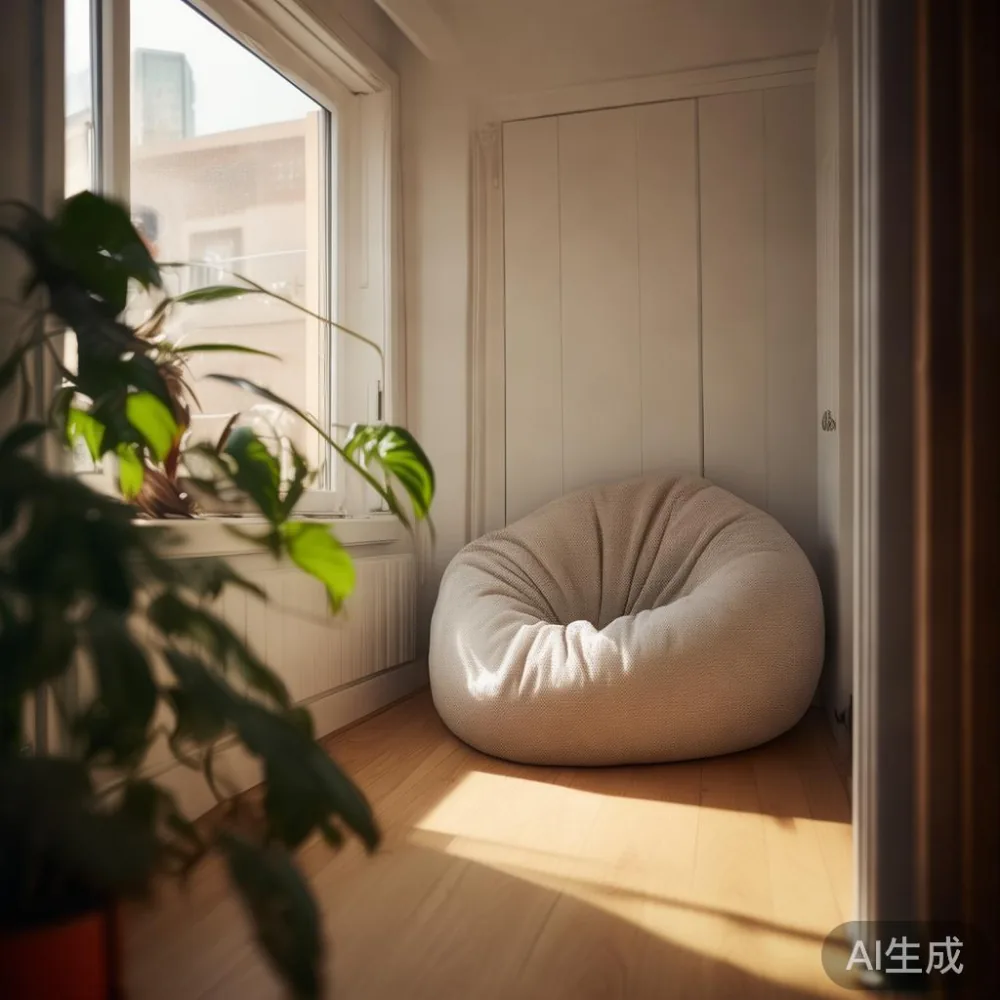
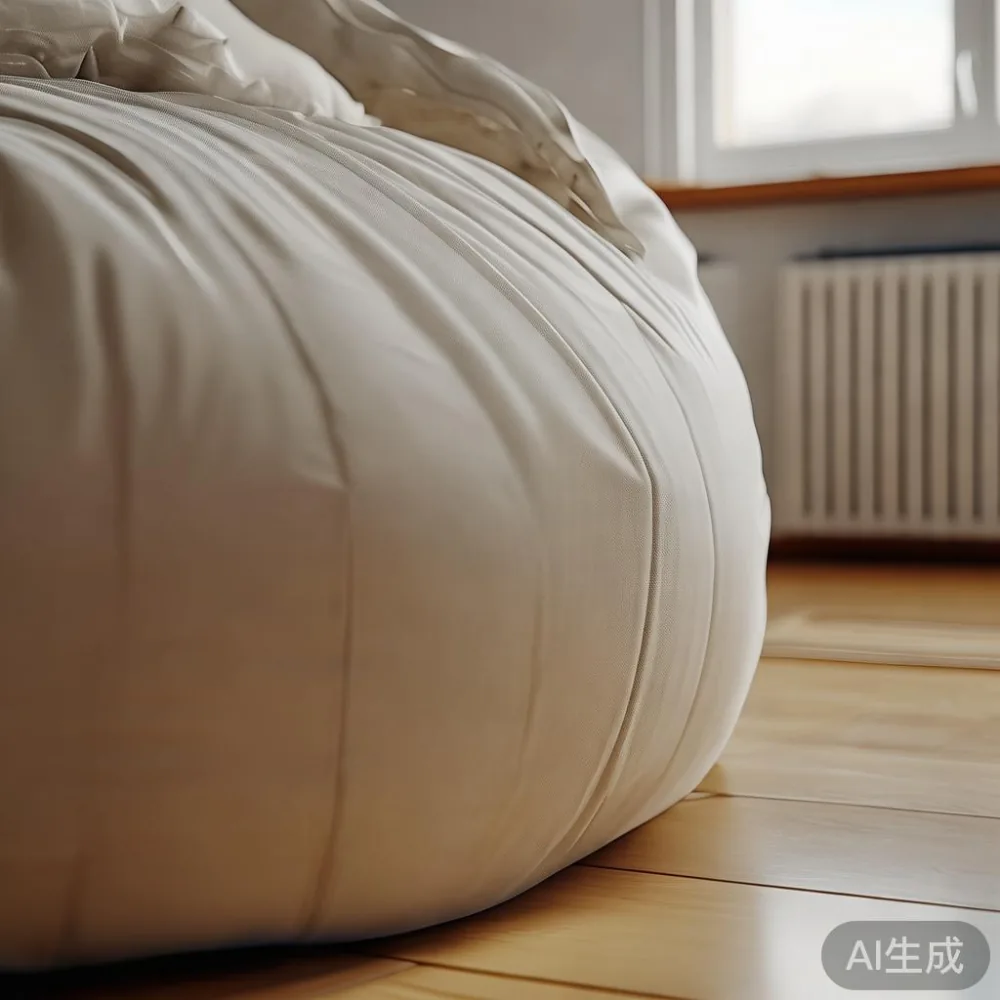
Bean bag seating is attractive for children’s rooms, study corners and compact flats, but humidity requires closer attention to its filling and outer shell. A bean bag may use EPS beads, foam or a shredded fibre core. EPS is not strongly moisture-sensitive, yet the cover, stitching and fibre filling can still be affected by damp air. The fabric should be removable and washable where possible.
Position the bean bag away from open windows, exterior walls and bathroom doors. In a Tampines flat near the corridor, do not leave it in a damp entryway. Use a washable cover, vacuum every 1–2 weeks and follow the maker’s washing temperature. For a child’s room, clean spills immediately and allow the core to dry fully before replacing the cover.
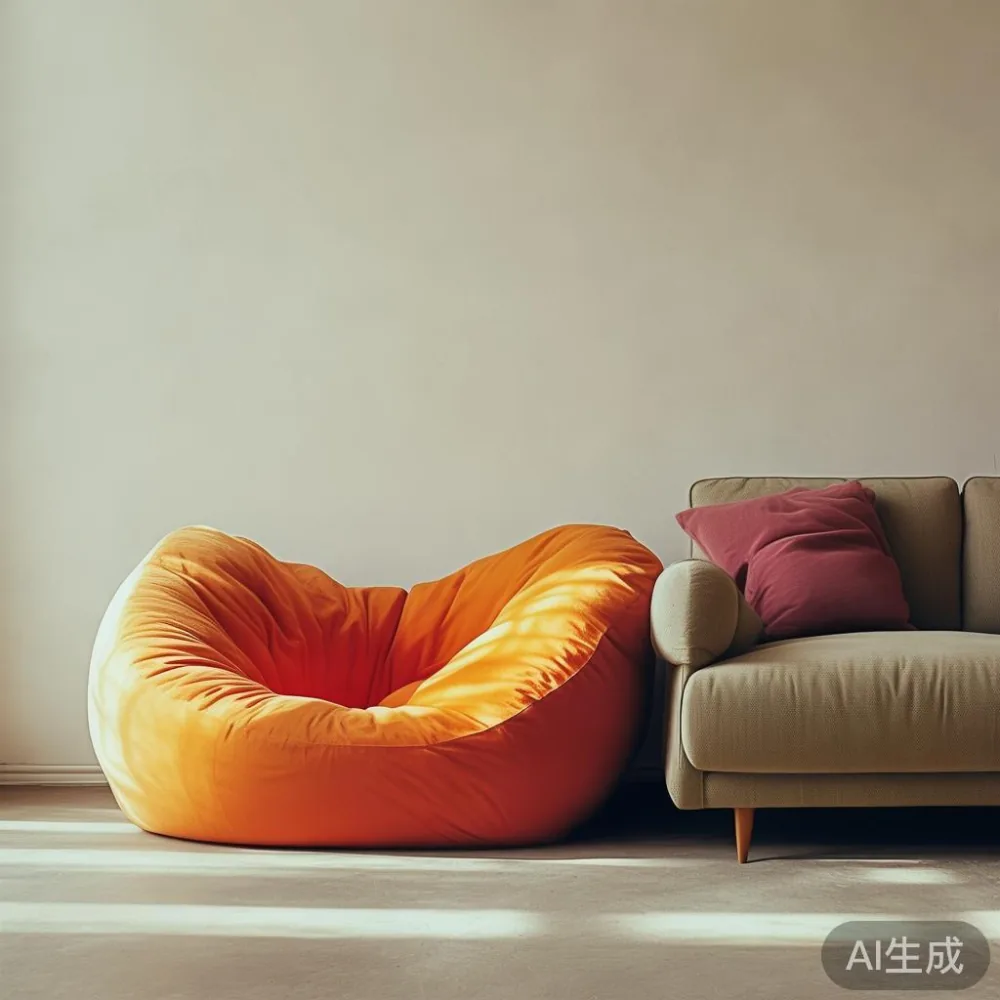
A bean bag can complement a solid wood sofa or bed frame without competing with the timber. Choose a restrained cover in sand, clay or warm grey, then add one woven texture. The bean bag should function as movable seating, not as an indefinite moisture trap against the wardrobe or bed.
For studies on 2026 Mid-century modern furniture arrangements, a wood-framed lounge chair may offer a firmer surface with better dimensional stability than an all-foam seat. A bean bag remains useful where quick rearrangement matters. In any case, avoid direct contact with damp flooring and inspect the underside every 3 months in monsoon periods.
How does delivery and after-sales care work?
Delivery planning is part of moisture control. A furniture order should arrive in protective packaging suited to the route from the supplier, not simply brought into the unit at speed. Confirm whether the service is curbside, room-of-choice or lift-to-door. Singapore GST should be shown clearly on the quotation, with the total stated in SGD so there is no ambiguity about the final payable amount.
Allow approximately 7–21 delivery days for many ready-made or configured pieces, though made-to-order furniture can take longer. Ask for the production lead time, the delivery window and whether assembly is included. A 180 cm dining table may need 2 people and about 20–30 minutes to assemble; a solid wood bed frame may take 45–60 minutes; flat-pack wardrobes can take 2–3 hours.
Inspect before the delivery team leaves. Check the solid wood dining table for stains, the wardrobe for door alignment and the nightstand for loose runners. Photograph any packaging damage before unpacking further. MIDHILL provides a 10-year structural warranty, lifetime refinishing and a 14-day return policy, while its stated shipping offer applies to orders over US$350; the equivalent threshold shown on its Singapore sales channel should be confirmed at checkout.
After delivery, retain the care instructions and finish record. Annual inspection of joints, hinges and runners is sensible; more frequent checks suit coastal, upper-floor or persistently humid conditions. Light cleaning every 1–2 weeks, an annual finish review and prompt spill removal reduce stress on the furniture.
What should Singapore buyers check before ordering?
Ask precise questions about climate suitability. The supplier should identify the wood species, panel construction, joinery, finish and recommended humidity range. A seller claiming that solid wood needs no environmental care is offering an incomplete answer. Even teak, which performs well in humid conditions, benefits from sensible placement and stable indoor humidity.
Measure the room, doorways, lift and corridor route. Confirm delivery days in SGD, including GST and assembly. Check the return terms, warranty exclusions and what happens to a piece that arrives with transit damage. For a bedroom set, request the complete assembled dimensions; for a wardrobe, request module weights and carton sizes; for a dining table, ask whether the top is solid timber or a listed veneer and whether the finish is water-based or conversion varnish.
Do not wait for visible mould. Use a hygrometer, maintain airflow and treat new furniture as a material that will gradually adapt to its surroundings. This approach lets solid wood retain its warmth and character without ignoring the climate. It also supports the neat proportions expected in Singapore apartments, where every centimetre of clearance and every controlled level of humidity affects how long the furniture remains usable.