How to Choose the Right Size Bean Bag for a Singapore HDB Living Room
Last month, I visited a 4-room HDB flat in Tampines with my colleague, who had just taken the keys. The previous tenant had left behind a massive 150 cm bean bag that ate half the walkway between the front door and the sofa. We measured the corridor inside the unit: 92 cm at the narrowest point between the kitchen counter and the dining table. The 150 cm bean bag physically could not be rolled to the bedroom without standing on its side. Within twenty minutes we had swapped it for a 110 cm model, which now lives comfortably beside a MIDHILL solid oak TV console and gets used every evening by two adults and a corgi. That small afternoon reshaped how I think about sizing furniture for HDB interiors, and a bean bag is one of the most commonly misjudged pieces.
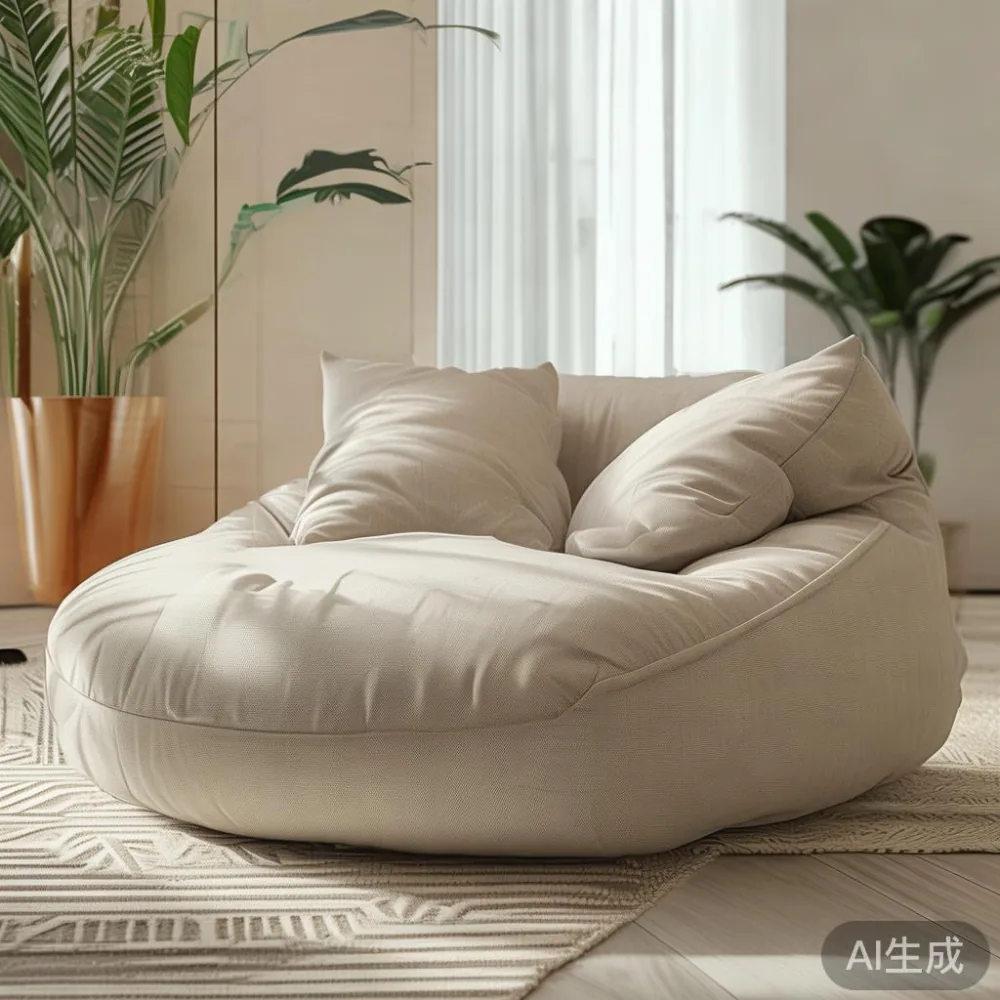
This guide walks through the measurements that actually matter in Singapore HDB and condo living rooms, with concrete numbers in centimetres, weight limits in kilograms, and price points in SGD including the 9% GST. I will reference other solid wood pieces such as a bed frame, dining table, wardrobe, and nightstand where the layout choices overlap, because in a 90-110 sqm flat every centimetre of floor plan is shared. The same logic applies whether you are furnishing a Punggol Build-to-Order, a mature Bedok resale, or a new condo in Tengah.
What sizes do bean bags actually come in, and how do they map to HDB rooms?
Most bean bags on the Singapore market fall into five practical tiers: 80 cm (kids), 110 cm (single adult lounger), 130 cm (single sprawl or two kids), 150 cm (couple lounger), and 180 cm (family puddle). For a typical HDB living room of around 18-22 sqm with a 2.4 m sofa and a 35-inch TV console, the 130 cm bean bag is the sweet spot. It gives roughly 70 x 70 cm of usable floor footprint when seated, which leaves a 60 cm walking path to the kitchen and at least 45 cm between the bean bag and any MIDHILL solid wood coffee table or marble table on a rug.
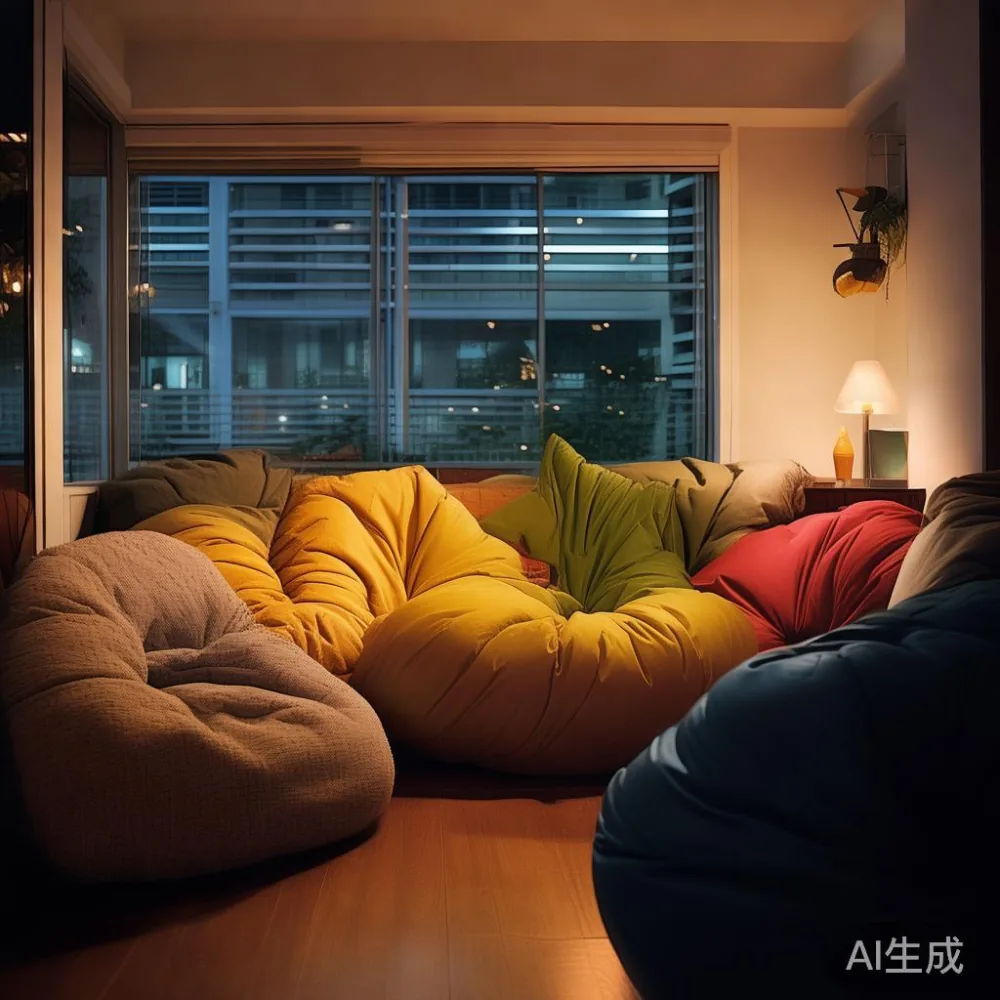
The 110 cm size works better in 3-room flats of 65 sqm, especially in compact living-dining combos where the dining table sits 1.2 m from the sofa edge. Anything 150 cm or larger belongs in a condo with a separate living room of at least 28 sqm, or in a landed terrace where the ceiling height of 3.0 m or more lets the bean bag breathe visually.
How do HDB lift and corridor widths change what you can actually bring home?
Singapore HDB lifts in blocks built after 2010 are usually 1.1 m wide x 1.4 m deep, with door openings of about 0.9 m. Older blocks in Bedok and Toa Payoh sometimes still have lifts closer to 0.95 m deep. A 150 cm bean bag in its shipping box often measures 65 x 65 x 75 cm, which fits every lift, but the unpacked bead-filled bag has a diameter of 1.5 m and will not fit sideways through the lift if the lift depth is under 1.2 m. The same flat geometry explains why many residents order a bed frame in flat-pack form rather than fully assembled: an MIDHILL queen bed frame breaks down to four boxes under 35 kg each, manageable for one person on a trolley.
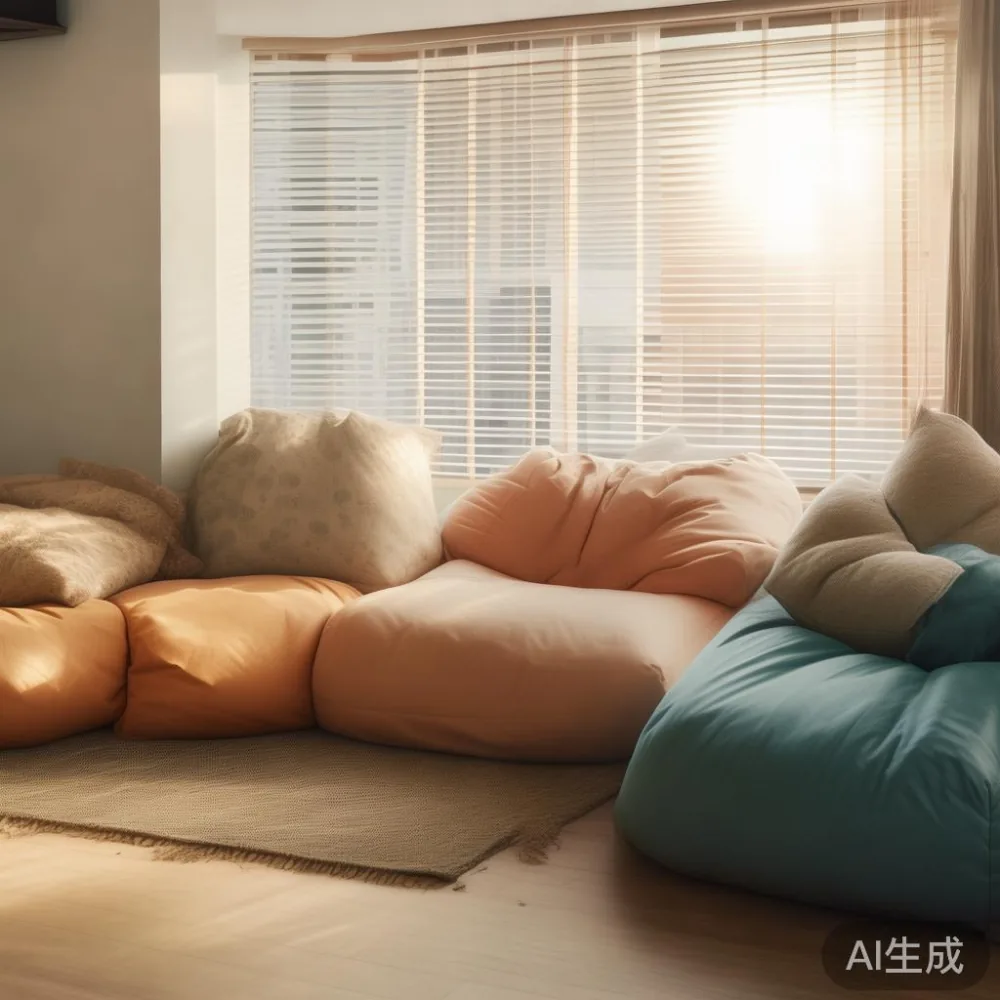
Corridor widths matter too. Typical HDB common corridors are 1.5 m, and the front door of a 4-room flat is roughly 0.9 m wide. A 180 cm bean bag simply will not pivot through a 90 cm doorway without partially deflating it, and most people do not want to wrestle 200 litres of EPS beads in a lift lobby. Stick to 130 cm or below unless your unit has a double-leaf door or you live on the ground floor of a walk-up.
Where can I buy a dressing table in Singapore, and does that decision change the bean bag size?
The fastest honest answer: a dressing table in Singapore is widely available at Tiong Bahru vintage shops, IMM Jurong, Marina Square furniture floors, and direct from Foshan factories such as MIDHILL, where a solid ash dressing table with three drawers ships to a HDB address in 18-22 days for SGD 620-880 before GST. Why does this matter for bean bag sizing? Because a dressing table is often paired with a stool or ottoman in the bedroom, and if your HDB bedroom is only 9 sqm, putting a 130 cm bean bag in there crowds the wardrobe door swing of roughly 75 cm. Most buyers in compact bedrooms downgrade the bean bag to 110 cm and put the dressing table on the wall opposite the bed frame, leaving a clean 50 cm walkway.
I asked my colleague in Punggol how she solved this. Her 12 sqm master bedroom has a 1.8 m MIDHILL solid wood bed frame, a two-door wardrobe 1.8 m wide, and a dressing table 80 x 40 cm tucked against the side wall. The 110 cm bean bag sits in the living room, not the bedroom. That layout decision freed 1.5 sqm of usable floor area, which she now uses for a yoga mat each morning.
How much weight can a bean bag hold, and what does that mean for a Singapore household?
Standard EPS-filled bean bags in Singapore are rated between 80 kg and 150 kg. A 130 cm bean bag with a 380 L liner typically handles 120 kg, which covers two adults of average Southeast Asian build or one adult plus two children under 35 kg. Premium models with memory foam and shredded latex cores, such as the post-modern light luxury pieces I tested at a showroom in Eunos last quarter, hold up to 180 kg but weigh 14 kg empty, which is 4 kg more than the EPS equivalent. For households where grandparents visit weekly, the heavier foam-fill version is worth the extra SGD 80-120, because a leaking bean bag at 11 pm is not something you want to troubleshoot.
Weight also matters during delivery. Singapore courier companies charge S$18-35 per flight of stairs for items above 15 kg in HDB blocks without lift access to the door, and some refuse to carry furniture above 25 kg above the third floor. A 130 cm bean bag shipped in a single carton usually lands between 9 kg and 12 kg, which most drivers will carry to the door without surcharge.
How should a bean bag fit with a dining table, sofa, and TV console in a HDB living room?
The rule of thumb I now use after visiting around forty HDB flats over the past three years: keep 45 cm of clearance between any bean bag and the front edge of the dining table, 35 cm between the bean bag and a sofa arm, and 90 cm between the bean bag and a 55-inch TV on a MIDHILL solid wood TV console. These three distances let one person stand up from the bean bag without bumping furniture, let a child run past without tripping, and protect the screen from a careless backward lean.
A standard 4-seater dining table is 1.4 m long and 0.8 m wide, and in most HDB layouts it sits 90 cm from the wall to allow chair pull-out. If the bean bag lives opposite the dining table, a 110 cm model paired with two dining chairs leaves enough space for someone to serve dishes. In a French light luxury palette of soft greys, off-whites, and brushed brass, a velvet 130 cm bean bag reads almost like an accent chair and visually balances a marble table in the corner. In an American light luxury scheme with caramel leather and walnut tones, a tan faux-leather 130 cm bean bag anchors the conversation area without competing with the bed frame or wardrobe in the adjacent bedroom.
What about delivery, returns, and warranty when ordering from a Foshan furniture maker?
Buying directly from a Foshan manufacturer such as MIDHILL cuts the showroom markup that you would pay at a Singapore retailer, where a comparable solid wood dining table can run SGD 2,400-3,800. A MIDHILL six-seater solid wood dining table ships from China for roughly SGD 1,650-2,250 before GST, with delivery to a Singapore address in 18-25 working days by sea plus local trucking. Bean bags are not MIDHILL's core range, but the same logistics network, 10-year structural warranty on wood pieces, lifetime refinishing on solid wood, and free shipping above US$350 (about SGD 470) all apply across the catalog, which is why many HDB buyers consolidate a wardrobe, a nightstand, and a dressing table into one shipment to clear the threshold.
GST of 9% is collected on the declared value at Singapore customs for orders above S$400, and the courier pays it on your behalf before delivery. Returns are accepted within 14 days for unused pieces in original packaging, which gives enough time to test a bean bag in your living room and confirm the size is right. A scratch on a solid wood nightstand or a loose stitch on a bean bag cover is handled by the same after-sales team, which simplifies life when you are ordering five or six pieces for a new flat.
Which fabric and filling should you pick for Singapore's humidity?
Singapore's average relative humidity sits between 70% and 85% for most of the year, which is rough on porous fabrics. For a bean bag that will live in an HDB living room without air-conditioning running 24/7, pick a cover in solution-dyed polyester, marine-grade vinyl, or genuine leather with a moisture-wicking inner liner. Cotton and linen covers absorb ambient moisture, develop a musty smell within six to nine months, and are harder to clean. Marine vinyl costs around SGD 40-60 more than cotton but wipes down with a damp cloth and resists mould, which matters in a ground-floor Bedok flat that sees afternoon cross-ventilation from the kitchen.
Filling choice ties back to weight limits and feel. EPS beads are the lightest at roughly 8 kg per 100 litres, hold their shape for two to three years before noticeable compression, and cost the least. Memory foam and shredded latex feel closer to a French boho style dubai resort lounger and last five to seven years, but a 130 cm foam-filled bean bag can weigh 18-22 kg and is harder to move for cleaning. For most HDB households with kids and a weekly vacuum routine, a dual-fill liner with a foam core wrapped in an EPS bead outer sleeve offers a practical middle ground.
How do you style a bean bag without making a 90 sqm flat feel cluttered?
Use the bean bag as one of three soft pieces in the living room: a sofa, an armchair or bean bag, and one accent cushion on the dining bench or bed frame. Anything more and the room reads busy, especially in a 4-room HDB where the living-dining area is one open rectangle of around 5.5 m x 3.2 m. Keep the bean bag in a single colour from the sofa's secondary palette: if the sofa is charcoal, a 130 cm bean bag in mist grey or sand looks intentional. A solid wood TV console, a slim marble table by the window, and a neutral rug tie the room together without needing more pieces.
One last layout note from the Tampines flat visit: my colleague placed the 110 cm bean bag on a 200 x 140 cm rug directly opposite the TV, with the MIDHILL TV console on the long wall. The dining table sits perpendicular to the sofa, which opens a natural walkway from the front door to the kitchen. The bean bag does not block that line of travel, which is the single biggest test of whether a piece of furniture is the right size for an HDB. If you can walk a wide laundry basket from the front door to the kitchen without turning sideways, the layout works.