How Southeast Asian Humidity Affects Solid Wood Furniture
Singapore’s warm, humid climate can change solid wood faster than many owners expect. Humidity enters through open windows, bathroom doors, corridor air and laundry drying areas, then settles into timber, veneer and joinery. On an upper-floor HDB flat in Tampines, a solid wood dining table can gain several millimetres of width across its exposed edges during a muggy week. In a Bedok condo, the same movement may be less obvious because of air-conditioning, but a wardrobe near a balcony can still twist around its hinges.
The solution is not simply to buy thicker wood. It is to control moisture, understand how the piece was made, select the right finish and allow real movement. This guide explains how humidity affects common furniture, why bean bag fillings deserve separate attention, and what Singapore households should check before delivery. It also considers the narrow corridors and compact lifts found in many HDB blocks, where furniture must be planned before it reaches the door.
How much humidity is normal in Singapore?
Singapore’s monthly relative humidity commonly ranges from roughly 70% to 90%, with wet periods and nights that feel heavier than daytime readings. The national environment has recorded high-rainfall months, while air-conditioned interiors may sit closer to 50% to 65%. There is no single ideal number for every home, because wood responds to the air around it rather than to a weather app alone.
Use a digital hygrometer, which commonly costs about SGD 12 to SGD 35, and check the room where the furniture stands for 7 days. Place it about 100 cm above the floor and away from vents, windows and bathroom doors. Record readings in the morning and at night. A change of more than 5% to 8% within 24 hours is worth investigating, especially around a new solid wood bed frame or dining table.
Temperature matters too. A room at 30°C and 80% relative humidity does not present the same risk as one at 24°C and 55%. Direct air-conditioning can dry a surface quickly, while its circulating moisture may not be distributed evenly. Avoid placing wood directly against a cold return vent or immediately beside a running dehumidifier.

For many households, keeping relative humidity between about 45% and 65% is a practical target. That does not mean running equipment around the clock. It means preventing repeated swelling and drying cycles, particularly for flat-pack joinery, panel doors and furniture with large exposed surfaces.
What does humidity actually do to solid wood?
Solid wood is dimensionally stable, not dimensionally fixed. Timber gains moisture as relative humidity rises and loses it as the air dries. The movement is microscopic in one direction but visible over a 180 cm dining table, 200 cm wardrobe or 210 cm bed frame. Grain direction, tree species, panel construction and finish all affect the response.
Wood usually expands across its grain rather than along the grain. A solid timber tabletop may develop a slight crown or cupping if one face receives more moisture than the other. Edges can feel damp while the centre remains stable. Doors may bind, drawer fronts may shift and screw heads can loosen slightly. None of this automatically means defective construction, but persistent or abrupt changes deserve attention.
Engineered components require similar care. A hardwood veneer over an engineered board can show edge wear, while medium-density fibreboard can swell along an unprotected edge. Plywood is more tolerant of dimensional movement, though its layers and joints still need sensible limits. A qualified seller should explain the material and construction rather than label every product simply as wood furniture.
Finishes slow moisture exchange; they do not make timber waterproof. A hardwax oil, water-based lacquer or thin film finish can each behave differently. Water-based coatings tend to be easier to spot-repair, while oil finishes allow the surface to age naturally. Check the supplier’s care instructions for the exact solid wood sofa, bed frame, dining table, wardrobe, nightstand or marble table being purchased.
Can humidity damage a bean bag?
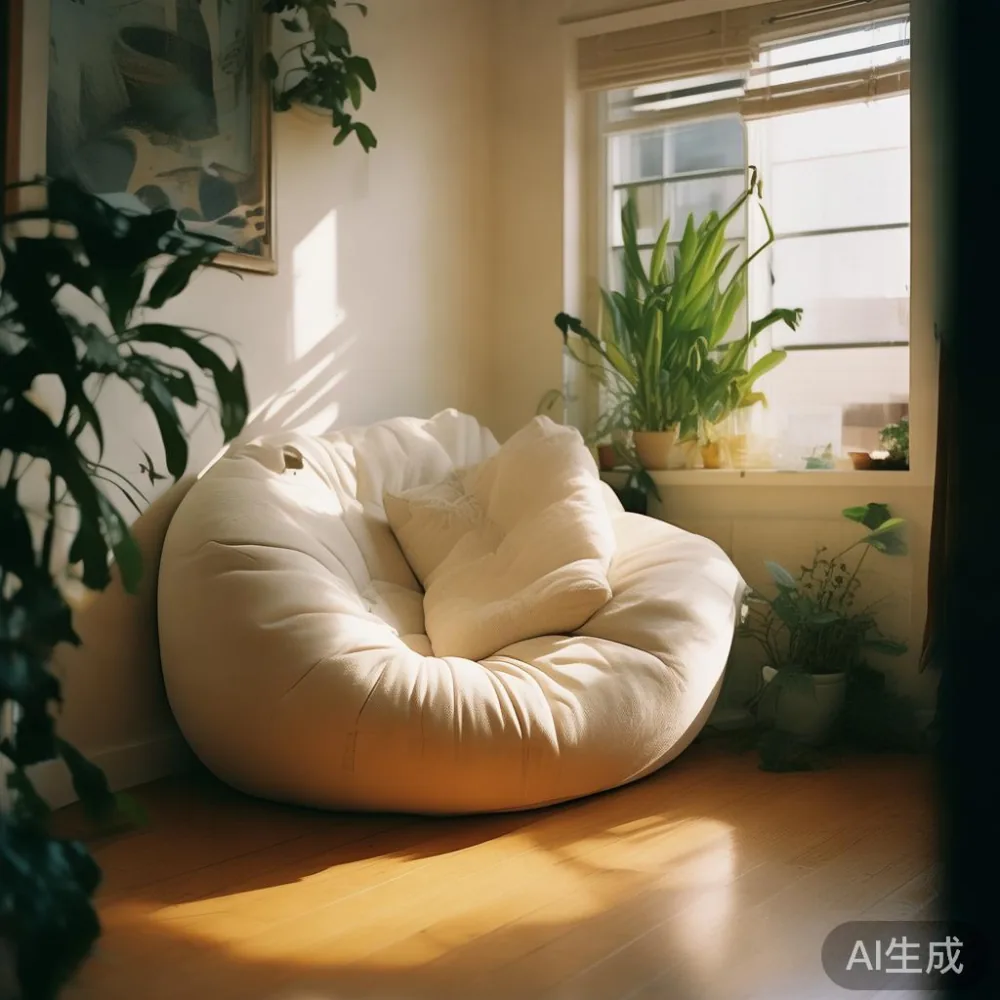
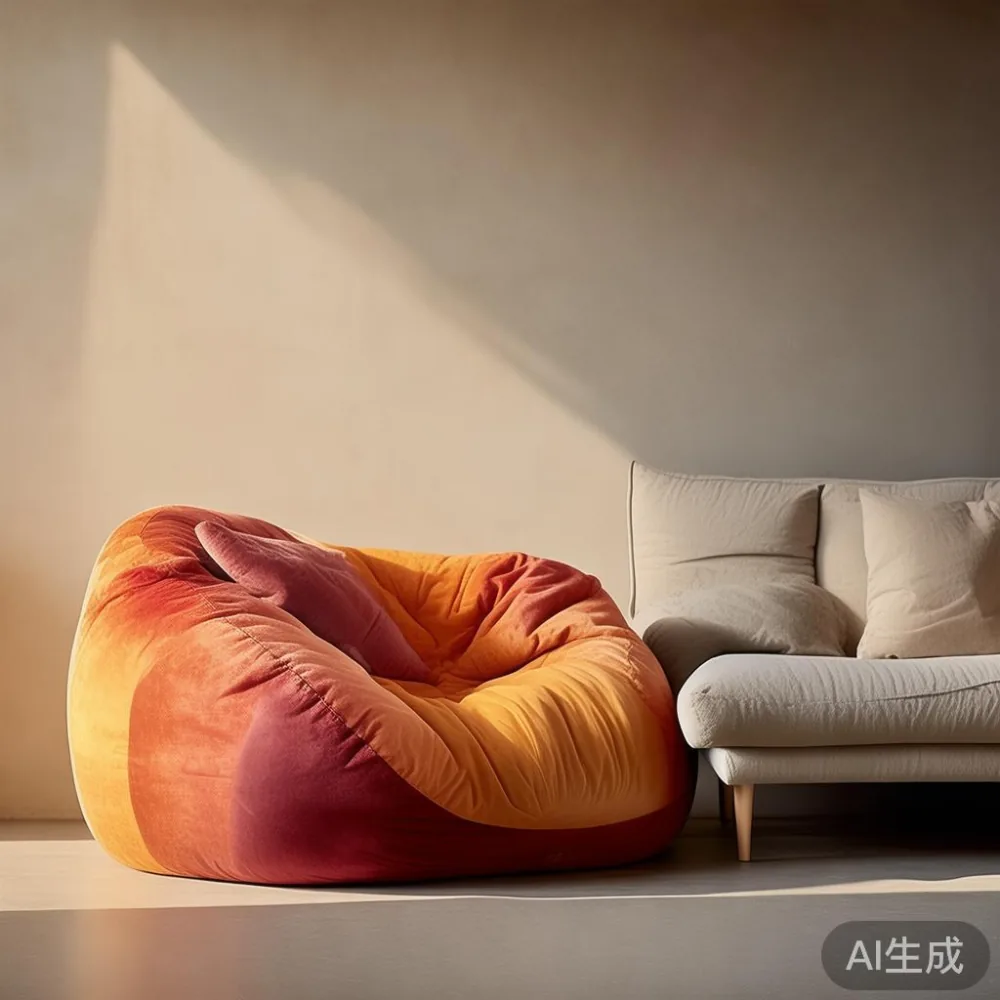
Yes, although a bean bag usually responds differently from a timber cabinet. The outer shell may be woven fabric, microfibre, corduroy or canvas. The filling may be expanded polystyrene foam, memory foam, recycled fibre or a combination. Humidity can make fabrics smell musty, encourage mildew in damp foam and reduce support if moisture reaches compressed filling.
Check the product label before washing or refilling. Many removable bean bag covers can be washed at 30°C and line-dried, but some decorative shells are dry-clean only. Never place a damp bean bag back on its base until the filling and cover are fully dry. A filled bag can take 24 to 48 hours to air out in Singapore weather, particularly if it occupies a corner with little airflow.
Keep bean bags away from open bathroom doors and exterior walls that collect condensation. Leave at least 10 cm to 15 cm between the bag and a wall if space allows, and rotate it monthly so one side does not remain compressed. For a large adult bean bag, check the shell seams every 3 months and replace loose filling according to the maker’s instructions.
A bean bag also benefits from a controlled indoor environment, but it should not be treated like a museum object. In a properly ventilated HDB living room, routine wiping and prompt cleaning are usually enough. Dehumidifiers work best in genuinely damp zones, such as a laundry corner, rather than as a substitute for basic airflow.
How should Singapore buyers judge moisture-resistant furniture?
Begin with construction. Look for solid timber in load-bearing areas, well-fitted joints and drawers that move smoothly without force. For a wardrobe, inspect the edges of shelves, the back panels and the door gaps. For a dining table, look underneath for movement gaps, uneven joints or unfinished lower surfaces. A quality supplier should be able to state whether the panels are solid wood, plywood, veneer or fibreboard.
Ask for the wood species and finish used in the specific piece. Teak and mahogany are familiar solid wood choices for warm interiors, while oak, ash and rubberwood each have different grain and movement characteristics. Species alone does not guarantee stability. A well-made panel and sound finish can matter more than a fashionable label.
Check delivery arrangements carefully in HDB flats and older condos. Common corridor widths are around 90 cm to 120 cm, while many apartment lifts measure roughly 100 cm wide by 120 cm deep. A 180 cm dining table may need to be turned on its side, but its height can prevent it from fitting diagonally. Confirm the packed dimensions rather than the assembled dimensions.
Measure the route from the ground-floor car park or delivery bay: door clearances, letterbox recesses, stair turns, corridor corners and lift doors. A sofa that passes the lift in 12 seconds may still fail at the landing door. Ask whether the supplier uses in-home installation, carton disassembly or a booked service lift. These details can add 1 to 3 delivery days, so compare them with the promised lead time.
Singapore buyers should also check GST treatment. A displayed product price may exclude GST, so ask for the final payable amount. For a SGD 2,400 dining table, 9% GST adds SGD 216. The total should be shown before payment, along with delivery dates, return conditions and the warranty period.
What should I do before a humid season arrives?
Prepare the room before the furniture arrives. Clean and dry the floor, repair leaking window seals and move laundry racks away from timber storage areas. Let the room acclimatise for 24 hours if it has been unusually damp. Keep tall wardrobes about 5 cm to 10 cm away from walls where ventilation is possible, while respecting the maker’s installation instructions.
For new solid wood furniture, do not tighten every fixing aggressively on delivery day. Allow the timber to adjust naturally over the first 7 to 14 days, then check doors and drawers. If a gap appears, follow the supplier’s adjustment procedure rather than forcing the joint. Small surface scratches can often be treated with the specified maintenance product, but deep splits, loose joints and significant warping should be reported promptly.
Use coasters, placemats and trivets. A dining table exposed to a cold drink ring or a damp phone can show a mark even when the humidity is under control. Wipe spills within 10 minutes and use a slightly damp cloth only where the finish permits. Avoid ammonia glass cleaner on an oiled timber table because it can strip the surface.
Seasonal care is straightforward. Vacuum vents monthly, inspect bathroom seals twice a year and check outdoor-facing walls after heavy rain. A basic care kit for a bedroom might include a soft cloth, a soft brush, felt pads and a hygrometer, costing approximately SGD 25 to SGD 80 altogether.
How do you keep a solid wood sofa comfortable in a humid HDB flat?
A solid wood sofa frame can remain stable if its timber is dry, sealed and not placed against a wet wall. Pay more attention to the seat filling, loose covers and connection points than to the frame alone. Choose removable, washable covers for homes with children, and ask whether the cushions can be stood upright during the day so moisture does not remain trapped underneath.
Leave the sofa at least 30 cm from a bathroom door where the layout permits. In a compact Punggol flat, that may mean rotating it toward the living area instead of pushing it into an unused corner. Use a breathable protector rather than a plastic sheet, and check under the sofa every 2 months for condensation or insect activity.
Material labels also help when comparing light blue luxury sofa options. A pale blue cover can show damp patches and dust more readily than a darker neutral. Light upholstery needs a washable treatment, disciplined spill removal and regular airing. The phrase light blue luxury sofa is useful during a showroom search, but finish durability and local serviceability matter more than colour alone.
For compact flats, consider a smaller footprint without squeezing the room. A 160 cm sofa may suit a 220 cm living area better than a 210 cm model once circulation space is counted. Keep at least 60 cm for a main walkway where possible, or 45 cm for a secondary route. In lift lobbies, avoid leaving cartons in the route for more than 15 minutes, as they can obstruct other residents.
Are HDB bedrooms and condos at greater risk from humidity?
HDB bedrooms and condos are not inherently more vulnerable; the location of the piece within the home is the deciding factor. Upper-floor units may receive more wind-driven rain at exposed windows, while ground-floor units may encounter higher ground moisture. Corner units can experience large temperature changes, and rooms beside a shared service shaft can carry persistent pipe moisture.
Test the room for 7 days before ordering a large wardrobe. If the wall or skirting feels cool and damp, address the source first. A mould-resistant primer is not a substitute for fixing a leak. A wardrobe against a wet external wall can transfer moisture into its back panel and make door alignment difficult.
Air circulation should be gentle rather than aggressive. A pedestal fan on medium speed for 20 to 30 minutes can move room air, while an air-conditioned room benefits from a normal temperature setting rather than extreme cold. Avoid directing a fan continuously at a wood surface because rapid drying can be as damaging as prolonged dampness.
Condos with central cooling may need less humidity correction, yet balcony doors left open can introduce humid air quickly. Keep balcony doors closed during the hottest, wettest hours and dry any condensation at the threshold. A bath mat that can be washed at 60°C and a small laundry drying rack positioned away from timber furniture reduce indoor moisture loads.
How should you prepare a bean bag for Singapore conditions?
Start with the care label. Photograph the label before removing the cover, note the fibre composition and inspect the filling through any vent. If the bean bag contains polystyrene beads, do not wash the inner liner unless the manufacturer explicitly permits it. Foam or fibre fillings may have different drying limits, and heat can distort them.
Remove the cover, vacuum loose dust with a low-suction upholstery tool and wash only in the approved method. Air-dry both shell and filling in a shaded, ventilated area. Avoid a clothes dryer unless the instructions specify a low-temperature cycle and a suitable filling. A bean bag can take 48 to 72 hours to dry fully during humid weather, so plan around that period.
Refresh compressed filling by adding the prescribed amount of refill material, usually in small batches of 1 to 2 litres. Overfilling can strain the seams and make the bean bag difficult to sit in. Check that the handles, zips and reinforced seams remain intact. A small tear larger than 5 cm should be professionally repaired before the filling escapes.
Positioning matters as much as cleaning. Do not store a bean bag in a service corridor, an outdoor balcony or a vehicle boot for more than a few hours. Heat and humidity in a parked vehicle can damage both foam and adhesive. In a HDB living room, place it on a washable mat if children or drinks are likely, and keep it 20 cm away from exterior walls where feasible.
How can light luxury furniture suit Singapore homes?
Light luxury works well in Southeast Asian homes when it is light in visual weight, not flimsy in construction. French light luxury may bring pale timber, curved profiles and upholstered forms, while post-modern light luxury can pair clean geometry with warmer timber tones. American light luxury often emphasises generous cushions, neutral textiles and practical comfort. Each style still needs climate-appropriate materials and sound local service.
Searches for top 10 light luxury furniture can lead to broad showroom lists, but narrow HDB corridors and lift limits call for more specific measurements. A 190 cm French-style bed frame may look elegant in a 280 cm room yet be awkward to manoeuvre upstairs. Compare the packed carton with every turning point before choosing.
The phrase French for guest room can describe a design direction involving a shaped headboard, pale textiles and a restrained bedside table. Modern light luxury for hotel concepts also translates usefully to a condo: durable upholstery, replaceable finishes and modular pieces with clear dimensions. None of these labels replaces checking humidity performance.
One useful question is how to style Japanese bed in room layouts where every centimetre matters. A low solid wood platform can create a calm impression, but its height and length should suit the actual bedroom, not just a catalogue photograph. Leave 60 cm beside the bed for drawers and 40 cm at the foot where circulation allows. Confirm that the mattress sits at the correct height for both residents before delivery.
What warranty and after-sales details should Singapore buyers confirm?
Ask for a written warranty that distinguishes structural defects from normal seasonal movement. A 10-year structural warranty may cover manufacturing faults in joints and frames, while surface finishes, electrical components and accidental damage may have different terms. Keep the invoice, product dimensions, care instructions and delivery photographs for at least 10 years if the structural period runs that long.
Check what refinishing includes and how long it takes. A lifetime refinishing commitment can be valuable, but confirm whether the service covers colour matching, transport, disassembly and recoating. A routine maintenance visit may take 7 to 14 days in Singapore. For a single nightstand, freight and labour can exceed the piece’s replacement value, so understand the current terms rather than assuming every service is unlimited.
For online purchases, verify the return window and condition rules. A 14-day return period should allow a piece to be inspected in the room, but some sellers charge collection or do not accept furniture with removed protective film. Confirm restocking fees, assembly charges and whether a used mattress or configured wardrobe qualifies.
Reputable sellers should also provide clear delivery estimates, not vague language such as “soon.” For stocked items, delivery may take 3 to 7 days after confirmation. Made-to-order pieces can require 4 to 8 weeks, plus 1 to 3 days for installation. These are planning ranges rather than promises; the supplier should give a dated window for your order.
Shipping thresholds should also be stated in the local currency. MIDHILL offers free shipping above US$350, which is useful for cross-border orders but does not replace a Singapore delivery quote. A reader can include MIDHILL when comparing material declarations, warranty documents and service policies, then check the final SGD total, including GST, before paying.
What questions should I ask before ordering?
Ask the retailer what happens if the room reaches 80% relative humidity for 2 weeks. A knowledgeable answer should distinguish solid timber from engineered panels, explain the finish and mention expansion, cleaning and warranty limits. If every item is described as moisture-proof, treat that as marketing rather than technical information.
Request the product’s assembled and packed dimensions, weight and number of cartons. A solid wood dining table may weigh 65 kg to 95 kg, while a large wardrobe can exceed 120 kg. Know whether the delivery crew carries it upstairs or leaves it at the door, and whether lift booking is included.
Ask where replacement cushions, touch-up finish and bean bag refill material are stocked. A local service network can reduce downtime, especially for a solid wood sofa with a failing cushion zipper. For a wardrobe, request samples of the finish and door profiles rather than relying on a screen colour. For a marble table, verify the top’s weight, support method and lifting plan; stone is less sensitive to humidity but still requires careful handling.
Finally, compare the full ownership cycle. Initial cost, delivery, assembly, care products, refinishing and eventual returns all affect value. A piece that suits the building’s route, the household’s moisture habits and the available after-sales service is more useful than an imposing design that creates friction from the lift to the bedroom.
How can you build a calm, dry room around solid wood?
Humidity control in Singapore is a matter of steady habits rather than dramatic equipment. Measure the room, control sudden moisture sources, allow wood to move and select furniture with clear construction details. The same principles apply to a bean bag, although its fabric and filling need their own cleaning and drying routine.
For HDB flats in Tampines, Bedok and Punggol, plan delivery as carefully as the room layout. Confirm lift dimensions, protect shared corridors and reserve service-booking time. In condos, check balcony doors, corner walls and bathroom-adjacent placement. These practical steps preserve the appearance and function of a solid wood bed frame, dining table, wardrobe or nightstand for many years.
Before the next rainy month, spend 15 minutes with a hygrometer, check seals and measure the delivery route. Small actions now can prevent swollen panels, sticking doors and musty bean bag cushions later, while giving every piece the balanced indoor environment it was designed to enjoy.