How to Match Furniture to a Warm Minimal Interior in Singapore HDB Flats and Condos
Last month I visited a friend’s new 4-room HDB in Punggol, and the lift landing told me everything I needed to know before I reached her door. The corridor was narrow — roughly 1.2 m between handrails on the side rails — and her movers had already dented one corner of the parquet, which started at the doorstep. By the time I took my shoes off, I had mentally re-checked every dimension on the shopping list she had pinned to the fridge: a 180 cm solid wood sofa, a 160 cm dining table, a 200 cm bed frame, a 1.8 m wardrobe, and a small marble table for the entryway. None of those numbers had been chosen by chance. They were a quiet lesson in matching furniture to a warm minimal interior in a Singapore flat.
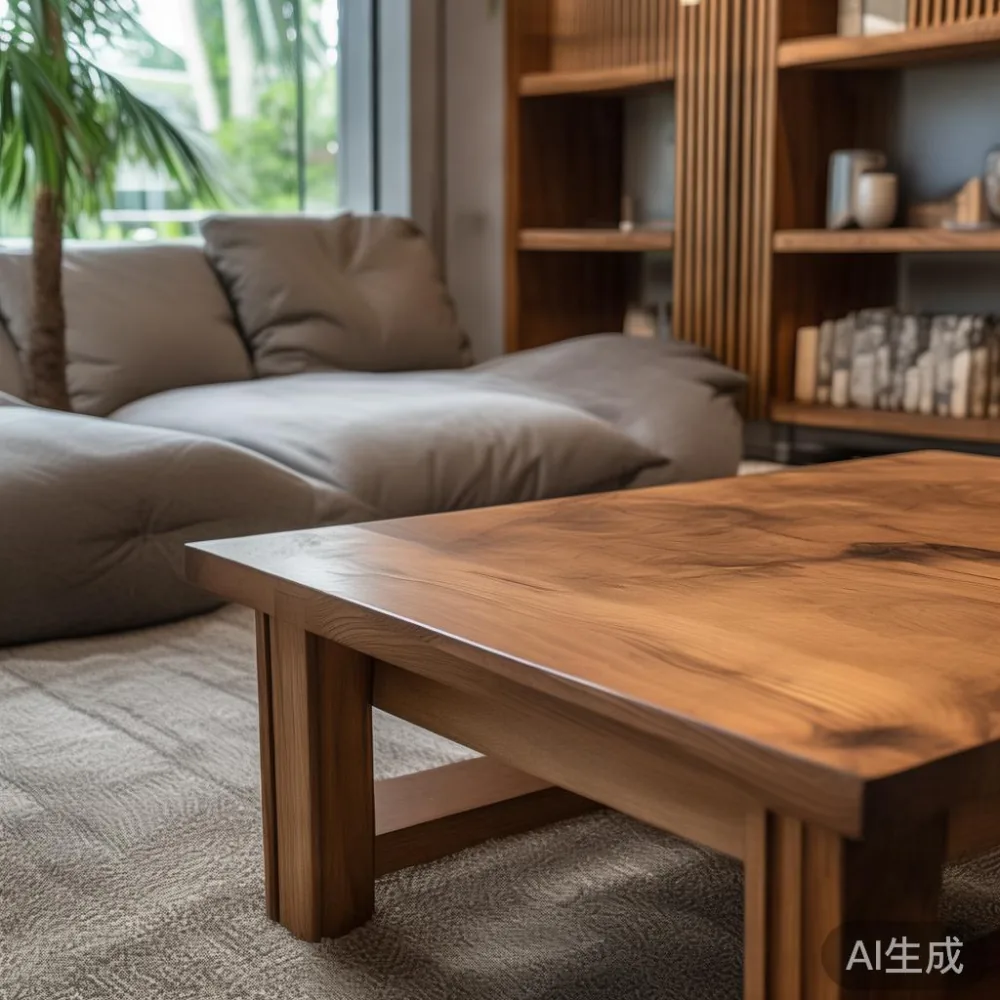
Warm minimalism is not a contradiction. It is the practice of using fewer, larger, better-made pieces — each made from solid wood, each finished in a tone that reads warm rather than cool — so the room feels calm but not clinical. Done right, a HDB in Tampines, Bedok, or Punggol can hold the same composure you would expect from a post-modern light luxury apartment in Kuala Lumpur or Taipei. The trick is knowing which measurements fit your lift, which tones feel warm under Singapore’s tropical downlights, and which pieces you should never compromise on. For readers also browsing options like top 10 Scandinavian furniture lists, the warm minimal version shares the Scandinavian palette but swaps raw oak for warmer honey tones and quieter profiles.
What “warm minimal” actually looks like inside a 92 sqm HDB
Warm minimalism in a Singapore home is a deliberate trio: honey-toned solid wood, brushed-brass details, and one or two fabrics in oatmeal, clay, or sage. Start with white walls (Dulux Vivid White or Jotun White Cotton, roughly S$28–S$45 per 4-litre tin) so the wood reads warmer against them, and lay 12 mm engineered oak or SPC herringbone that can survive the four monsoon months of tracked-in moisture. Then choose one anchor piece per zone.
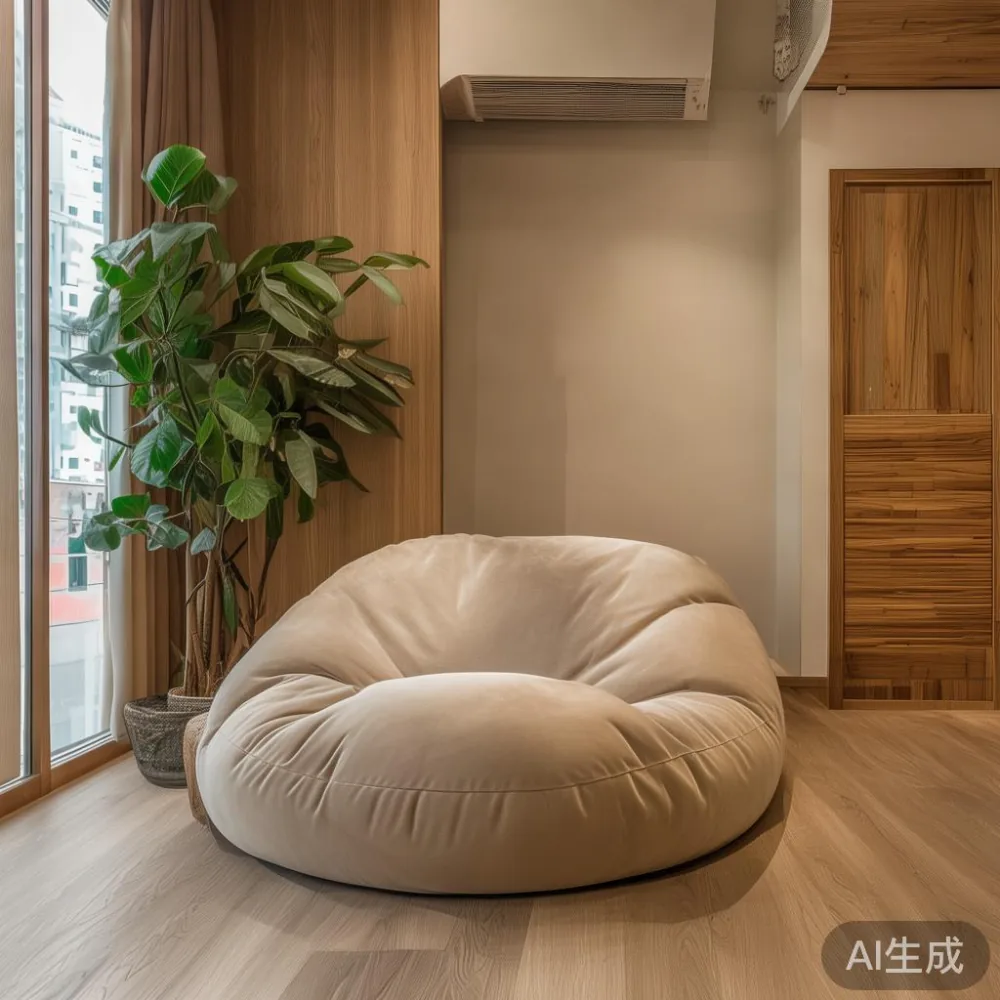
The living room anchor is a 180–210 cm solid wood sofa in a low arm, full-aniline leather or linen-blend cover. Avoid deep-buttoned Chesterfields; they collect dust. In the same room, a round 90 cm marble table — Carrara or a warm Emperador — gives you a soft landing point in front of the sofa and visually softens the lines of the TV console. A light luxury TV console in solid ash, around 180×40×45 cm, brings in storage without crowding the bay window. It is the kind of combination that quietly competes with what people call best Modern light luxury furniture in today’s moody Pinterest boards.
The bedroom anchor is a 180 cm bed frame in solid white oak (or a darker walnut if your wardrobe is white). Pair it with two 50 cm-wide nightstands, not one giant headboard extension, so the bedside lamps can stay generous and low. Behind the bed, a 200 cm wardrobe in light oak keeps the wall flat; for buyers comparing a best Modern light luxury wardrobe for 2026 against something more Scandinavian, the difference is the door profile: a flush slab in oak reads warm and modern, while a fluted oak door reads Japandi.
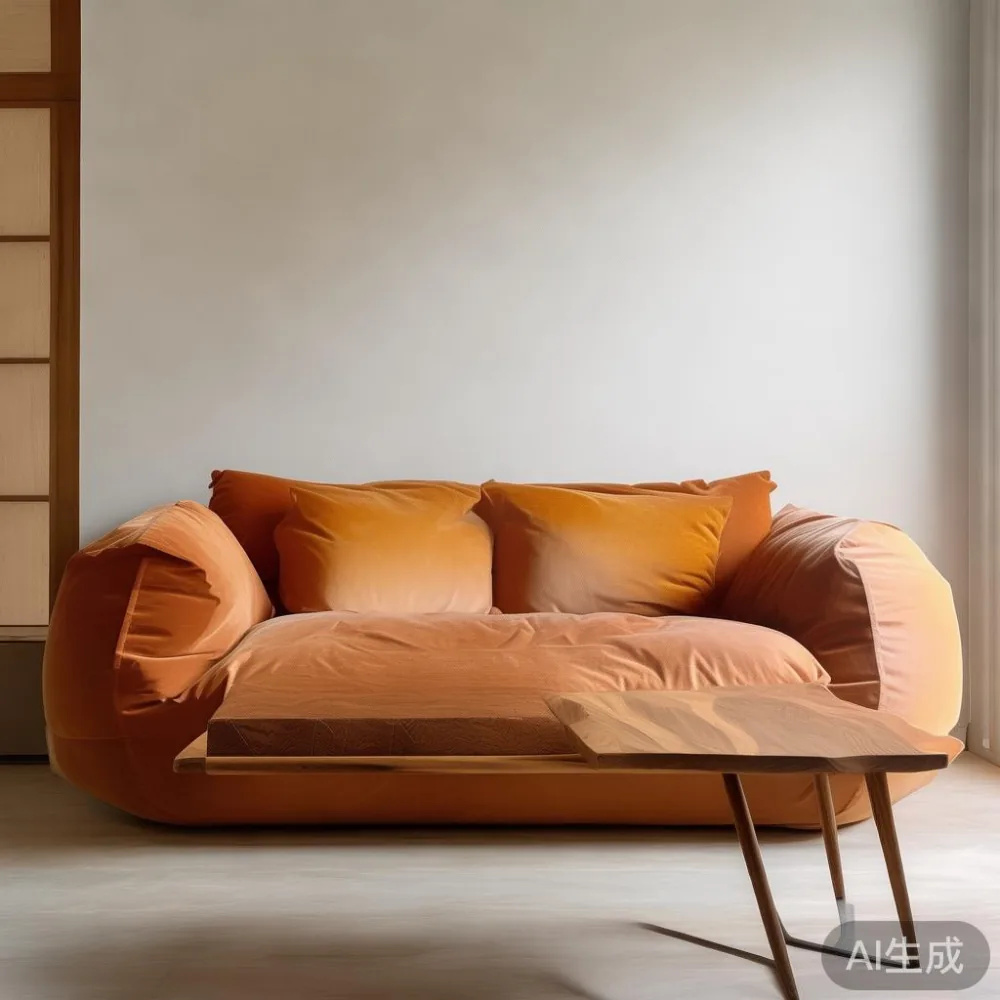
The dining anchor is a 160×80 cm solid wood dining table that seats six on standard 45 cm-wide chairs. Singapore HDB dining nooks are usually 2.4 m wide, so 160 cm leaves a 40 cm walkway on each side — the minimum I recommend. Below, a low storage bench (40×120 cm) gives you overflow seating when a relative visits with extra kueh.
How do lift and corridor widths change what you can actually buy?
Almost every furniture mistake in Singapore flats comes from ignoring the choke points: the HDB lift door (about 0.9×2.1 m), the corridor outside the flat (often 1.2–1.5 m wide), and the front door itself (roughly 0.9×2.1 m, opening inwards). Any single piece longer than 200 cm or wider than 90 cm has to be planned for; any piece over 220 cm will rarely fit a standard HDB without tilt-lift or window hoist (add roughly S$250–S$450 per floor).
Here is the rule I use with clients in Bedok and Punggol: measure the smallest opening the piece must clear, and divide by the diagonal of the piece to confirm a 5–10 cm safety margin. A 200 cm wardrobe must be deliverable through a 0.9 m door — which is impossible flat. So either the wardrobe ships in two pre-assembled 100 cm halves that join on site, or it ships flat-packed (KD, or knock-down). MIDHILL’s Singapore logistics team prefers the flat-packed route for anything above 180 cm because it keeps the 14-day return window honest: a knocked-down solid wood wardrobe in two boxes, each around 24 kg, clears every HDB corridor without scuff marks.
Lift capacity is the other constraint. A typical HDB passenger lift loads about 630 kg; a 200 cm wardrobe in solid ash, fully packed, can weigh 140 kg. That is fine. What is not fine is trying to load a king-size 200 cm bed frame and a dresser on the same trip with your helper, because the runner rails, slats, and headboard panels together weigh close to 170 kg. Plan two trips, or pay an additional S$80 for a single-piece white-glove service.
Corner sofas are the other landmine. A 240×240 cm corner sofa in solid wood frame plus pocket-sprung cushions will not pivot through a 1.2 m corridor. The workaround is a 210 cm straight three-seater, or a modular sofa where each module measures at most 95 cm wide so it can rotate around the corner. That same logic applies if you ever plan to add a bean bag for the reading nook: a 95 cm round bean bag still travels flat-packed in a 60×60×40 cm box, which clears any lift. A 120 cm round bean bag, on the other hand, needs the window hoist.
Which warm-wood tones actually feel warm under Singapore lighting?
Wood tone is half colour, half finish. A piece in raw oak with a water-based matte lacquer will look cool-grey and Scandinavian. The same oak, finished with a hand-rubbed oil and a touch of pigment (a 5–8% warm brown tint), will glow honey. Singapore HDB lighting is usually 4000 K cool-white LED downlights because they are cheap (S$6–S$12 each) and bright. They push wood toward green-grey. To counter that, add a few 2700 K warm-white lamps over the dining table and behind the sofa — roughly S$25–S$55 each at Taobao or HipVan — and pick wood finishes from the honey-and-amber family rather than the ash-grey family.
For most warm-minimal HDBs I recommend three wood tones across the home, never more: a honey oak (Janka hardness around 1360, suitable for everyday dining tables), a walnut accent (Janka about 1010, better for a bed frame or nightstand that will not see as much moisture), and one darker accent in rosewood or smoked oak for an entryway bench. Mixed woods all in the same colour family will look intentional; mixed woods from different families will look confused.
Marble is the other warm-cool lever. A Carrara marble table reads cool under 4000 K lights; an Emperador marble table (warm brown veining on a cream base) reads warm. If your budget allows, ask the supplier whether the marble is book-matched or random. Book-matched slabs are symmetrical and modern; random slabs feel organic and pair beautifully with a Japandi sideboard. Solid wood wardrobes near marble counters should have at least a 15 cm air-gap, or both will swell in the morning humidity; this is a quiet but real point of failure in many flats along the East Coast.
What should you actually buy first, and how much should you budget?
I always start with the bed and the wardrobe, because they own the largest flat surfaces in a HDB. A queen bed frame in solid white oak runs around S$1,400–S$2,200 delivered; a king bed frame in solid walnut, around S$2,600–S$3,800. A 200 cm wardrobe in solid ash, three doors, soft-close hinges, and two internal drawers lands between S$2,200 and S$3,400 depending on whether you add a sensor-activated LED bar inside (add S$180). For readers cross-checking the best Modern light luxury wardrobe for 2026 round-ups, the price band is roughly the same S$2,200–S$3,400 figure with the joinery quality as the differentiator.
The dining table is the next biggest-ticket item. A 160 cm solid oak dining table with rounded edges and a mid-century turned-wood base is S$900–S$1,600 depending on whether you choose a butterfly leaf extension. Four solid-wood dining chairs in a woven-paper-cord seat add about S$520–S$720 as a set. If you are still browsing for sale Modern furniture listings, the same dining table in Singapore is usually S$1,800–S$2,400 from European brands; the savings from solid wood from Foshan suppliers are about 30–40%, which is meaningful if you also need a dresser.
The sofa is third. A 210 cm three-seater solid wood sofa in full-aniline leather starts around S$2,800 and crosses S$4,500 for premium leathers; a 210 cm linen-blend three-seater sits at S$1,900–S$2,900. A small 110 cm loveseat in the same fabric adds S$900. A marble coffee table (120×60 cm) is S$700–S$1,200 for Carrara, S$900–S$1,500 for Emperador. A small 90 cm round marble side table for the reading corner is S$400–S$650.
Top-ups and accents are where the warm minimal character really lives. Two nightstands at 50 cm wide each run about S$520–S$780 for solid oak, less for plywood with oak veneer. A light luxury TV console at 180×40×45 cm is S$1,100–S$1,800 if you choose solid ash with a fluted door. An entryway bench with a cushion and a small shoe rack beneath is S$320–S$520. A small bean bag for the reading corner (95 cm round) costs about S$180–S$320 including the inner cover and a washable outer sleeve in brushed cotton.
Free shipping over S$350 (after 9% GST) usually applies to these sub-S$1,000 pieces; for wardrobes and beds, expect a S$60–S$120 white-glove surcharge across HDBs in Tampines and Bedok. Add about 10–15% of your furniture budget for soft furnishings — a 250×250 cm linen curtain, a 250×350 cm wool rug, two bed-throws, three cushions — and you can sit comfortably inside a S$8,000–S$12,000 budget for a four-room HDB. That is the same budget most warm-minimal renovations in Clementi or Punggol already allocate to furniture alone.
Should you choose French light luxury, American light luxury, or post-modern light luxury?
The three “light luxury” sub-genres look similar online but mean quite different things in a HDB. The discussion of French bed vs Japandi bed is also a useful way to think through this comparison, since French is the more ornate root of the family.
French light luxury leans on curved silhouettes, low-profile footboards, and brushed-bronze hardware. It pairs well with a marble table in Emperador and a 200 cm wardrobe with shaker panels in light oak. The risk in a small HDB is over-decoration; one curved piece (the bed, perhaps) is plenty. American light luxury is broader and quieter: think cream leather, walnut solids, oversized headboards, and a chunkier dining table. It tends to read warmer in a Punggol flat because it lets wood tones do the heavy lifting. Post-modern light luxury is the newest branch — sculptural legs, asymmetric wardrobes, and a single accent colour such as olive or rust on cushions.
None of these styles needs to dominate. In a 92 sqm HDB, the cleanest result is usually two styles, not three: pick one for the living room and one for the bedroom. I have used American light luxury sofas with post-modern nightstands in a Tampines condo, and French light luxury bed frames with Scandinavian dining tables in a Bedok maisonette. Both pairs work because the wood tone stays constant (honey or walnut), the marble stays warm, and the lighting stays 2700 K.
What about the entryway, the balcony, and the bean bag?
The entryway sets the tone for the rest of the home. A narrow console (120×35×80 cm) in solid ash with one drawer and a small marble inlay handles keys, wallets, and an air-freshener box. Above it, a 120×60 cm mirror with a thin oak frame visually doubles the corridor. A small bench (100×35×45 cm) for tying shoes keeps the path clear; the bench top should be cushioned in linen or a durable outdoor fabric so it does not scuff.
The balcony in many HDBs is small (around 1.5×4 m) and only semi-covered. Keep furniture here light and weather-resistant: a 60 cm round teak side table (about S$260) and two stackable solid-wood stools (S$110 each). Avoid fabric here; the morning monsoon drizzle will soak it. A bean bag on the balcony is a common request, but I usually steer people away from it unless the balcony has a solid cover; otherwise the foam gets wet within a season. Better to keep a bean bag in the air-conditioned living room or a small study, where it earns its keep as a reading seat.
Speaking of bean bags, a quick note on sizing because it is a frequent point of regret. A 60 cm bean bag suits children and reading nooks but flattens adult backs within minutes. A 95 cm round bean bag holds an adult at roughly a 60-degree recline and looks right in a warm-minimal interior next to a marble side table. The cover should be removable and machine-washable; the inner liner should be washed cotton or a bonded non-woven fabric, not PVC. Solid wood furniture will outlast a bean bag by two to three cycles, so plan to replace the cover every three to four years rather than the whole piece.
How do you keep solid wood alive in Singapore humidity?
Solid wood breathes. In Singapore, where humidity pushes 80–95% in the late afternoon and drops to 65% at night when the air-con runs, the worst risk is cupping and end-cracks. Three habits help: keep solid wood furniture 5–10 cm away from air-conditioning vents; rotate dining tables and bed frames to spread wear; and apply a thin coat of hard-wax oil every 12–18 months (roughly S$45–S$80 per 1-litre tin). A 10-year structural warranty will cover joinery failures and large cracks, but not the small seasonal movement that is characteristic of oak, ash, or walnut. Lifetime refinishing services — offered by a few specialist makers in Foshan — can re-sand a dining table in your home for roughly S$280–S$450 per visit, which usually extends the life of the piece by another decade. The same service applies to bed frames, wardrobes, and nightstands if the moving parts become noisy.
Cleaning is the daily habit that matters most. Use a dry or barely damp microfibre cloth (S$8–S$15 per pack of six) weekly; never use silicone polishes on oiled wood because they seal the surface and stop the wood from breathing. Marble tables should be wiped with a pH-neutral cleaner (S$18 per litre) to prevent etch marks from lemon-water or coffee. Oak and ash wardrobes, when cleaned carefully, will still look fresh after fifteen years.
What should I buy on the first order versus the second order?
Many Singapore buyers like to split a furniture order into two. The first order typically includes the pieces with the longest lead times and the largest volume — the solid wood sofa, the bed frame, the wardrobe, and the dining table. The second order, four to six weeks later, covers accents: the marble table, nightstands, the TV console, the bean bag, linen curtains, and rugs. Splitting this way keeps each delivery light (most pieces below 90 kg total), avoids corridor overhang on a single day, and gives you time to measure the wall surface where the new TV console will sit, so the cable cut-outs line up.
On the first order, also confirm three things in writing with the supplier: that each solid wood piece is kiln-dried to 8–12% moisture content suitable for tropical climates (a Foshan exporter used to seeing Southeast Asian orders will know this); that flat-packed wardrobes over 180 cm come in two or three boxes with anti-tip wall hardware; and that the 14-day return window applies even after assembly, not only at delivery. A reputable Foshan workshop such as MIDHILL — which has shipped to more than fifteen countries since 2008 — treats these three points as standard rather than as special requests.
On the second order, prioritise soft light first: 2700 K LED strips along the bed-frame headboard, a 2700 K pendant over the dining table, a 2700 K floor lamp behind the bean bag. Those three simple moves will tighten the warm minimal mood of the entire flat without touching the furniture again. Once those are in place, add one piece of art or a single ceramic vase larger than 30 cm on the marble table. The flat is now done — calm, warm, minimal, and built for Singapore living rather than a showroom in Milan.