Bean Bag Veneer vs Solid Wood: A 5-Year Cost Comparison for Singapore Homes
Choosing furniture for a Singapore home often comes down to two familiar materials: veneer and solid wood. The decision can affect appearance, maintenance, resale value and the annual cost of ownership. For a bean bag, the comparison is more practical than it may first appear. A bean bag has a soft, upholstered shell, so the wood may appear only on the base, legs, side supports or nearby occasional tables. Yet those visible parts still determine whether the piece feels stable, how it ages and how much attention it needs over five years.
This comparison uses realistic figures for Singapore households, including HDB flats in Tampines, Bedok and Punggol, as well as private condos. Prices are shown in SGD, and GST is treated as a separate line where relevant. A lift and corridor should be checked before delivery, especially because a large bean bag may arrive compressed in a carton rather than as a rigid sofa. The figures are planning estimates, not quotations. Wood species, dimensions, finishes and delivery conditions can change the final amount.
What Does Veneer Mean for a Bean Bag?
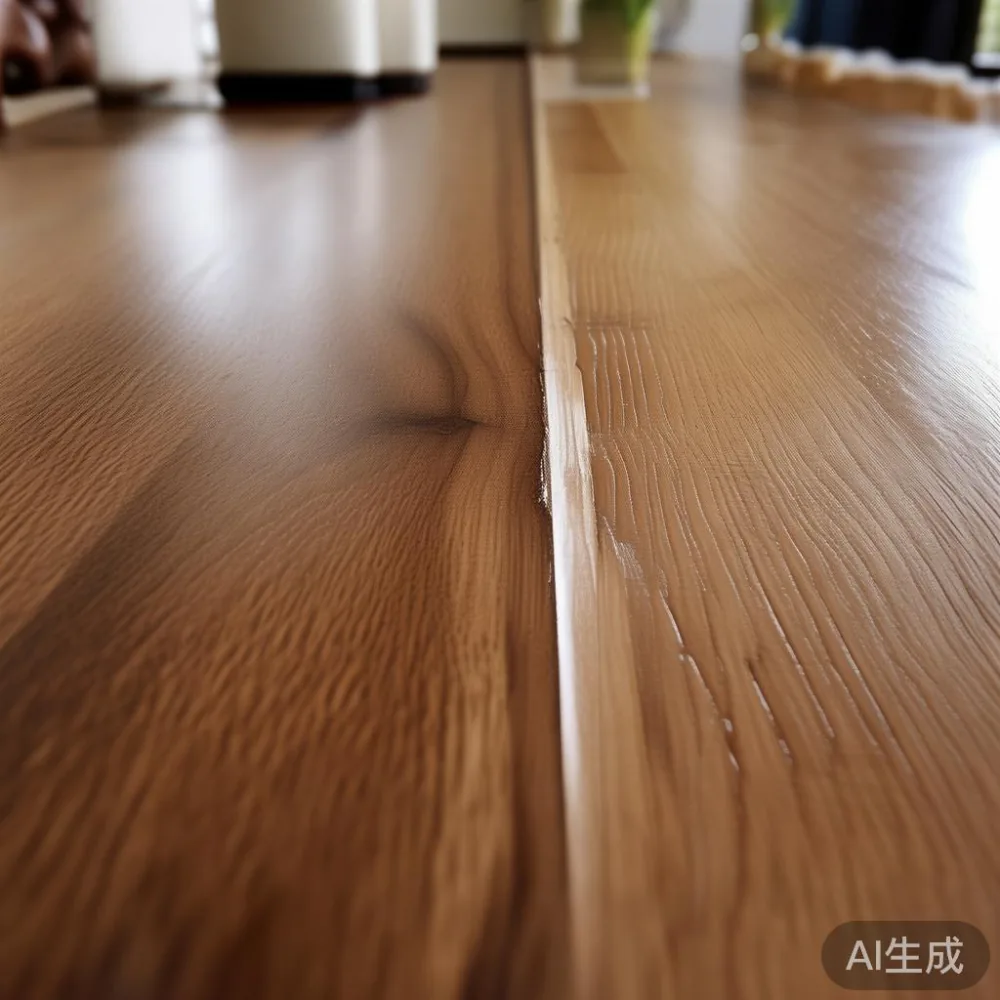
Veneer is a thin layer of wood, usually about 0.6 mm to 1.2 mm thick, bonded to a chipboard, MDF or plywood core. It is widely used because it creates the colour and grain of timber without requiring a large solid timber billet. For a bean bag base, veneer may cover a rectangular platform or curved side panels. The result can be visually attractive and comparatively light, which helps when moving the bean bag through a corridor or fitting it into a compact HDB bedroom.
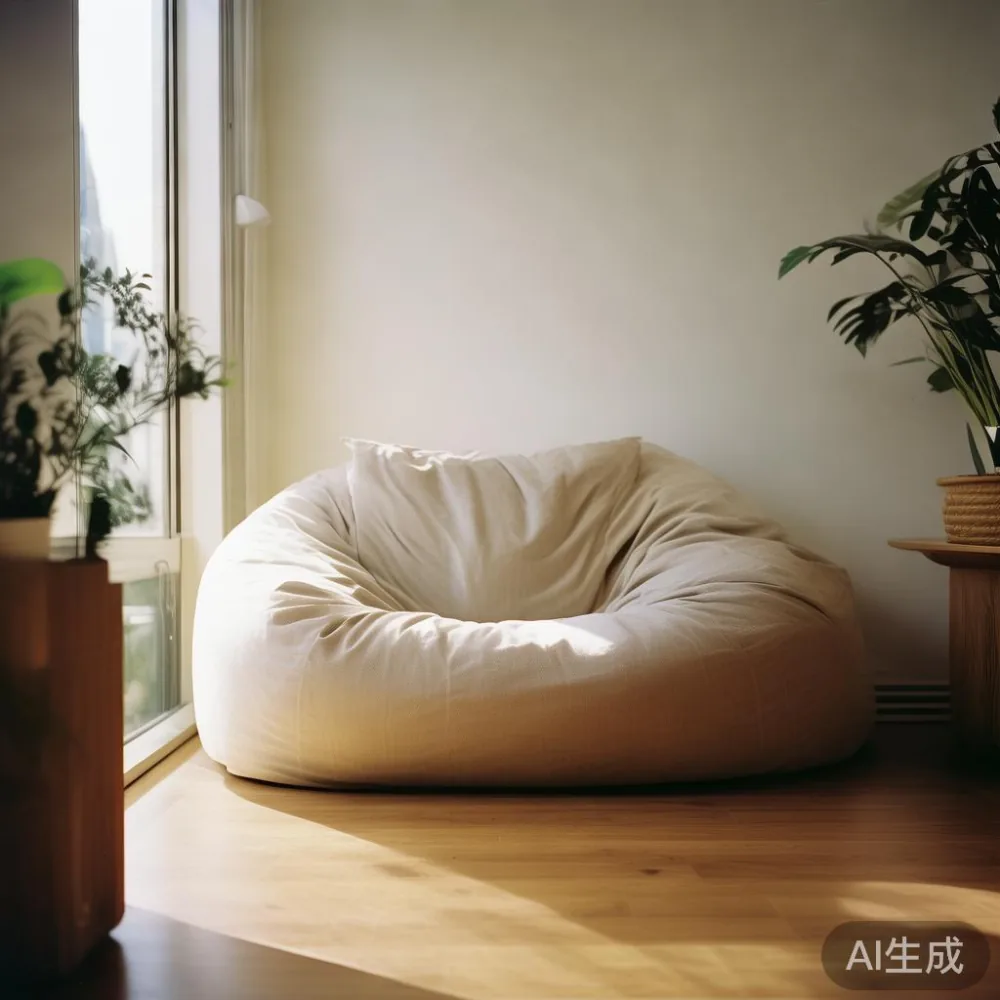
Solid wood uses timber through the visible component. A solid wood base, frame or leg is not merely a decorative strip over another material. It can be repaired, sanded and refinished if the finish becomes worn. That repairability is one reason solid wood can make sense over a five-year period, although the initial cost is often higher.
For context, imagine a 110 cm-wide bean bag with a 95 cm-deep base and a 35 cm-high timber platform. A veneer version might weigh 18 kg, while a comparable solid wood platform could weigh 31 kg. The heavier item may need two people and a clear lift route. A 90 cm-wide door opening and a 110 cm corridor turn can make the difference between an easy delivery and a more complicated one.
What Will Veneer and Solid Wood Cost Over 5 Years?
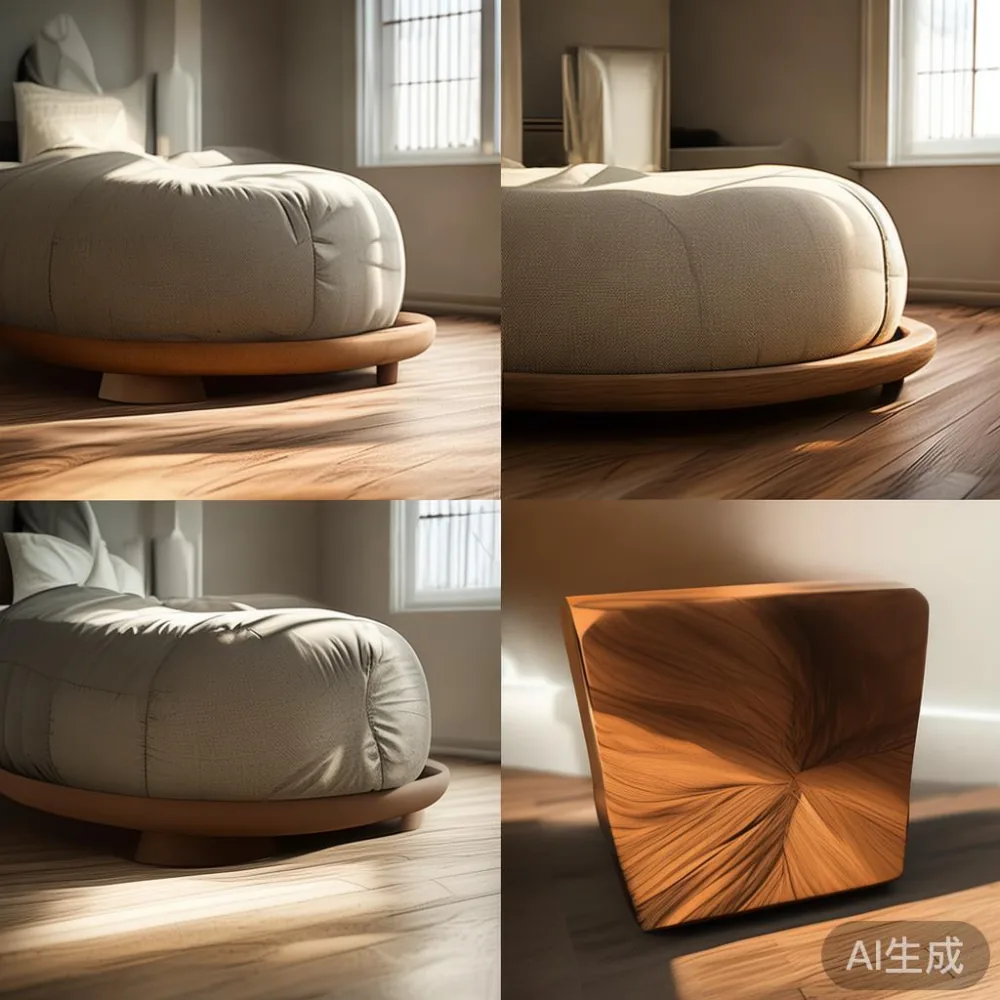
Consider a mid-range bean bag with a upholstered body, timber base and two small side supports. A veneer model may cost SGD 1,180 before GST, while a solid wood model may cost SGD 1,760 before GST. At 9% GST, these become approximately SGD 1,286 and SGD 1,918. The initial solid wood premium is therefore about SGD 632.
Over five years, the comparison should include repairs, refinishing, replacement parts and delivery. Assume the veneer bean bag needs one SGD 85 repair and one SGD 120 professional cleaning during the period. Its estimated five-year ownership cost is SGD 1,286 + SGD 85 + SGD 120 = SGD 1,491. Add a second SGD 45 delivery to a Tampines HDB flat, and the total becomes SGD 1,536.
The solid wood bean bag may need one SGD 60 repair and one SGD 180 refinishing treatment. Its five-year ownership cost is SGD 1,918 + SGD 60 + SGD 180 = SGD 2,158, before delivery. With an SGD 45 second delivery, the total is SGD 2,203. On these assumptions, veneer is lower by SGD 667 over five years.
That calculation does not automatically make veneer the right choice. If the base is damaged by moisture or dragged along a corridor, a solid wood replacement may extend the useful life. The bean bag fill may also be replaced without replacing the timber structure. A carefully maintained solid wood base could last 10 years or more, while veneer may show peeling after 5 years if its edge sealing fails. The five-year figure is about expected cost, not a promise of lifespan.
How Do Maintenance Needs Change the Total?
Singapore humidity commonly ranges from about 65% to 85%, with rain and air-conditioning creating repeated changes in moisture. A wood base should not sit against a wet wall or beside a bathroom door. Leave at least 5 cm of ventilation space where possible, and use a coaster under any nearby drink. Wipe spills within 15 minutes rather than leaving them overnight.
For a veneer base, maintenance may include checking the edge every 6 months. If the veneer lifts, a small repair could cost SGD 40 to SGD 90. For solid wood, sanding and applying a new water-based finish may cost SGD 120 to SGD 220. The exact price depends on the area and whether the piece can be removed from the room.
My colleague in a Punggol HDB flat tested a 120 cm-wide veneer bean bag against a 120 cm-wide solid wood bean bag. The veneer unit weighed 21 kg and fitted through an 82 cm door opening after the carton was turned on its side. The solid wood version weighed 38 kg, and its carton needed a second person at the corridor turn. Over a 5-year trial, the veneer cover developed a small edge mark after daily use, while the solid wood base accepted one refinishing coat without visible distortion. The result did not decide the material by itself, but it showed why delivery measurements matter.
MIDHILL describes solid wood furniture as something that can be maintained over time rather than replaced after a short trend. Its 10-year structural warranty is relevant to a solid wood frame, while the lifetime refinishing policy may apply to qualifying products and finish conditions. Confirm the exact coverage for the bean bag base and any upholstered components before purchase.
Which Material Fits Singaporean Interiors Better?
Light-luxury interiors are not limited to glossy surfaces or large rooms. French light luxury often pairs soft upholstery with pale timber, curved details and calm cream tones. American light luxury tends to use clean lines, durable finishes and practical proportions. Post-modern light luxury can combine a neutral bean bag with walnut-toned or oak-toned supports, allowing the wood to become a quiet architectural element.
In a compact Tampines flat, a 100 cm bean bag may leave only 60 cm of walking space beside a bed. A low solid wood base can make the profile feel grounded, but a dark finish may make the room visually smaller. In a Bedok condo with a 1.1 m corridor and a 90 cm lift, a lighter bean bag with oak veneer may be easier to manoeuvre than a heavier solid wood model. The correct choice depends on layout as much as appearance.
The same logic applies when coordinating other furniture. A solid wood sofa with a solid wood bed frame can create a consistent material language, but the bean bag should remain the room's soft focal point rather than competing with every item. A dining table may use veneer if the budget is fixed; a solid wood dining table may suit a family that expects to refinish it after several years.
For a polished apartment, designer light luxury furniture can work with either material. Pairing a French-style profile with solid wood legs may add a tactile quality. Pairing the same profile with carefully matched veneer may keep the weight below 20 kg and the price closer to SGD 1,300 after GST.
Can Veneer Look as Good as Solid Wood?
Good veneer can look convincing because it is sliced from real timber. The difference becomes noticeable at edges, on small components and under repeated touch. A 0.8 mm veneer over a stable plywood core may be suitable for a side table, but a rounded bean bag base can expose the edge more than a flat cabinet front. Ask whether the veneer is hand-matched, whether the core is sealed and how the corners are finished.
Solid wood has its own visual variation. Oak, ash, beech and rubberwood may show different grain patterns, while a painted finish can create a more uniform appearance. For a light-luxury room, a satin finish may hide fingerprints better than a high-gloss surface. For a frequently used bean bag, satin is often easier to maintain.
Check the sample under daylight as well as warm LED lighting. Look at 30 cm, 60 cm and 120 cm distances. A veneer surface may appear attractive at 60 cm but reveal a repetitive pattern when the whole base is visible. Solid wood may show knots and colour shifts; those are signs of natural material rather than a defect if they are disclosed.
Is Solid Wood More Practical in an HDB Flat?
Solid wood is practical when the buyer values repairability, stable construction and the ability to restore a worn surface. It is less convenient when weight and dimensions become problems. A 150 cm solid wood bed frame may weigh 62 kg, compared with approximately 37 kg for a plywood-and-veneer frame. A 180 cm solid wood dining table may weigh 48 kg, while a similar veneer table may weigh 29 kg.
For wardrobes, the distinction becomes more significant. A 200 cm-high European wardrobe may use solid wood frames, while a veneer wardrobe may use plywood or MDF panels. If the wardrobe must be moved into a lift, a disassembled design can save time. In a condo corridor, confirm the package length before ordering; a 210 cm carton may not turn inside a 105 cm landing.
A marble table presents a different weight issue. A 120 cm marble table can exceed 90 kg even when the base is slender. It should not be moved by one person merely because the tabletop looks manageable. The bean bag is usually more forgiving, but its timber supports still deserve the same planning.
What About the Resale Value After 5 Years?
Resale value is uncertain because it depends on condition, style and buyer demand. A clean solid wood bean bag with intact supports may attract buyers who want to reuse the frame. A damaged veneer base may be harder to resell if the covering has lifted. However, a neutral upholstered bean bag can have value even when the wood is ordinary, because buyers may mainly want the comfortable shape.
Use a 5-year worksheet. Record the purchase price, GST, delivery charge, repairs and cleaning costs. For the veneer example, enter SGD 1,286, SGD 45, SGD 85 and SGD 120. For solid wood, enter SGD 1,918, SGD 45, SGD 60 and SGD 180. Subtract the estimated resale value from the total ownership cost. If the solid wood bean bag later sells for SGD 500 and the veneer version sells for SGD 250, the gap narrows by SGD 250.
Do not expect a material alone to create a high resale price. A bean bag with a removable cover, good stitching and a clear care instruction may sell more readily than an expensive base with poor documentation. Keep the receipt, care guide and finish sample. Photograph the timber at purchase and at years 1, 3 and 5.
How Do You Decide Between Veneer and Solid Wood?
Choose veneer when the bean bag will be moved often, the budget is limited, the room has modest natural light and the piece will receive careful indoor use. Choose solid wood when the base will be touched daily, the household expects refinishing, the design calls for visible timber character, and the delivery route can handle its weight.
A practical rule is to compare the five-year cost per year, not just the purchase price. In the example above, veneer costs about SGD 307 per year over 5 years, while solid wood costs about SGD 441 per year. Those figures include maintenance and delivery assumptions. A seller may quote a cheaper initial price but omit annual care, so request a written breakdown.
Before ordering a bean bag, measure the room, door, lift and corridor. Allow at least 5 cm clearance around the base, keep it away from direct sunlight where possible, and inspect it every 6 months. If matching furniture, search for a European for dining room layout before choosing chairs and sideboards. If the room is a bedroom, knowing how to style French provincial sofa in bedroom can help prevent too many competing focal points; the bean bag should remain a comfortable secondary seat.
MIDHILL's export experience in more than 15 countries can be useful when comparing packaging and finishes, but local delivery details still matter. Singapore orders over US$350 may qualify for free shipping under the stated policy, while the final Singapore delivery charge should be confirmed. Returns are generally allowed within 14 days, subject to the product condition and policy. For a made-to-order bean bag, check whether the return arrangement differs.
The most sensible choice is not always the lower five-year number. A lighter veneer bean bag may save money and effort, while a solid wood base may suit a household that values repair and longevity. Compare dimensions, weight, finish, warranty and care before paying. In many Singapore interiors, the winning bean bag is the one that fits the route, suits the occupants and can still be maintained when the fifth year arrives.