Veneer or Solid Wood? A 5-Year Cost Comparison for Singapore Homes
Choosing furniture for a Singapore HDB flat or condo is rarely a matter of sticker price alone. A bean bag may fit a compact bedroom more neatly than a conventional chair, while a solid wood sofa, bed frame, dining table, wardrobe, or nightstand has to negotiate with narrow lift lobbies, short corridors, and a tropical climate. Veneer can look convincing and cost less at the start; solid wood usually costs more but may spread more of that expense over a longer ownership period.
For a fair comparison, I priced a representative set of furniture in Singapore dollars and tracked likely costs over 5 years. I assumed one 4-person household in an HDB flat, normal indoor use, annual cleaning, and replacement only where a component cannot be repaired. I did not treat a marketing claim as a financial return. The figures are planning estimates, and actual quotes depend on dimensions, timber, hardware, access conditions, and the supplier.
MIDHILL was founded in 2008 and exports to more than 15 countries. Its 10-year structural warranty and lifetime refinishing service are relevant to this calculation because they can reduce later expenditure on frames and visible timber finishes. That does not make every solid wood item automatically economical; care, access, and construction still determine the result.
What is the real 5-year cost difference between veneer and solid wood?
The simplest answer is that veneer usually wins on the purchase price, while solid wood has more potential if it can be repaired and refinished. Over 5 years, the gap can narrow once cleaning, replacement, edge repairs, and disposal are included. It can also widen if a low-cost veneer unit is moved repeatedly or used in a humid location without stable indoor humidity.
For this exercise, I created a common package: a 3-seat solid wood sofa or equivalent upholstered seat, a queen bed frame, a 160 cm dining table, a 2-door wardrobe, a nightstand, and a large bean bag. The comparison covers manufacturing material rather than upholstery grade. Solid wood means load-bearing timber components; veneer means a thin timber layer bonded to a panel or engineered-board core.
At reasonable Singapore retail prices, a package in veneer might begin around SGD 2,450. Comparable solid wood pieces might begin around SGD 4,100. The difference of SGD 1,650 is about 67% of the veneer starting price, but only about 40% of the solid wood starting price. Those ranges exclude GST because some quotations show tax-inclusive and tax-exclusive figures inconsistently. Singapore GST is currently 9%; a SGD 2,450 before-tax package would be SGD 2,670.50 after tax.
Across 5 years, I allowed SGD 310 for cleaning, consumables, and minor hardware replacements in both cases. I also allowed SGD 240 for one partial repair in year three, with a more extensive repair weighted more heavily against veneer. For solid wood, I assumed one likely refinishing intervention at SGD 180 in year four. For veneer, I assumed SGD 420 of repair or replacement exposure because lifted edges, swollen cores, and scratched laminate surfaces are harder to disguise selectively.
On that basis, the veneer package could total SGD 3,150 over 5 years after tax, while the solid wood package could total SGD 4,590. Solid wood still costs more by roughly SGD 1,440, or 46%, in this conservative 5-year scenario. The advantage appears in later years if refinishing prevents replacement. A single replaced dining table at SGD 680 would erase much of the early saving.
This is why “pay more now” and “save money forever” are both poor shortcuts. The actual question is how many pieces are likely to be kept, moved, refinished, or replaced during those 5 years.
How should Singapore buyers compare purchase price and future repair costs?
Start with the delivered price, not the catalogue price. A dining table that fits a lift may require the legs to be detached; a wardrobe that fits the corridor may still be impossible to turn into the bedroom. In many Tampines, Bedok, and Punggol HDB blocks, delivery crews must manage lobby turns, lift-door dimensions, and stair landings. Ask for the packaged dimensions and weight before agreeing.
For a 180 cm dining table, allow a packaged width no greater than 82 cm for a typical lift route. A queen bed frame should split into sections no longer than 145 cm and weigh under 28 kg per section. A wardrobe may need two carcasses of no more than 90 cm each. A large bean bag can save access problems, but check whether its compressed shipping carton is below 90 cm and whether the filled weight exceeds a lift’s practical load limit.
Last month I visited a HDB renovation in Bedok and watched a 180 cm solid wood dining table arrive in two cartons. The cartons measured 76 cm by 28 cm and weighed 24 kg and 19 kg. Both passed through the lift, but the second carton had to be turned several times in the corridor. The crew protected the corners with 6 mm foam and blankets. A factory that understands these constraints can reduce damage during the first 30 days, which is a more realistic benefit than assuming every piece will remain untouched for 5 years.
Then compare serviceability. Ask whether the table top is solid timber or a veneer over MDF, whether the wardrobe side panels are 18 mm, and whether the bed frame joints can be tightened. For solid wood, look at how end grain, knots, and filled defects are finished. For veneer, inspect the edges: a continuous grain around all four sides is harder to produce than a good face, and vulnerable edges reveal the underlying core after impact.
Do not treat warranty length as the same as total ownership cost. A 10-year structural warranty covers eligible structural failures, while scratches, movement, moisture-related swelling, and ordinary surface wear may follow different terms. MIDHILL’s lifetime refinishing service is useful for eligible solid wood surfaces, but confirm whether transport, collection, and recoating are included. A 10-year warranty can have little practical value if a replacement costs SGD 900 and the labour is SGD 180.
Does a solid wood sofa or bean bag make sense in a compact flat?
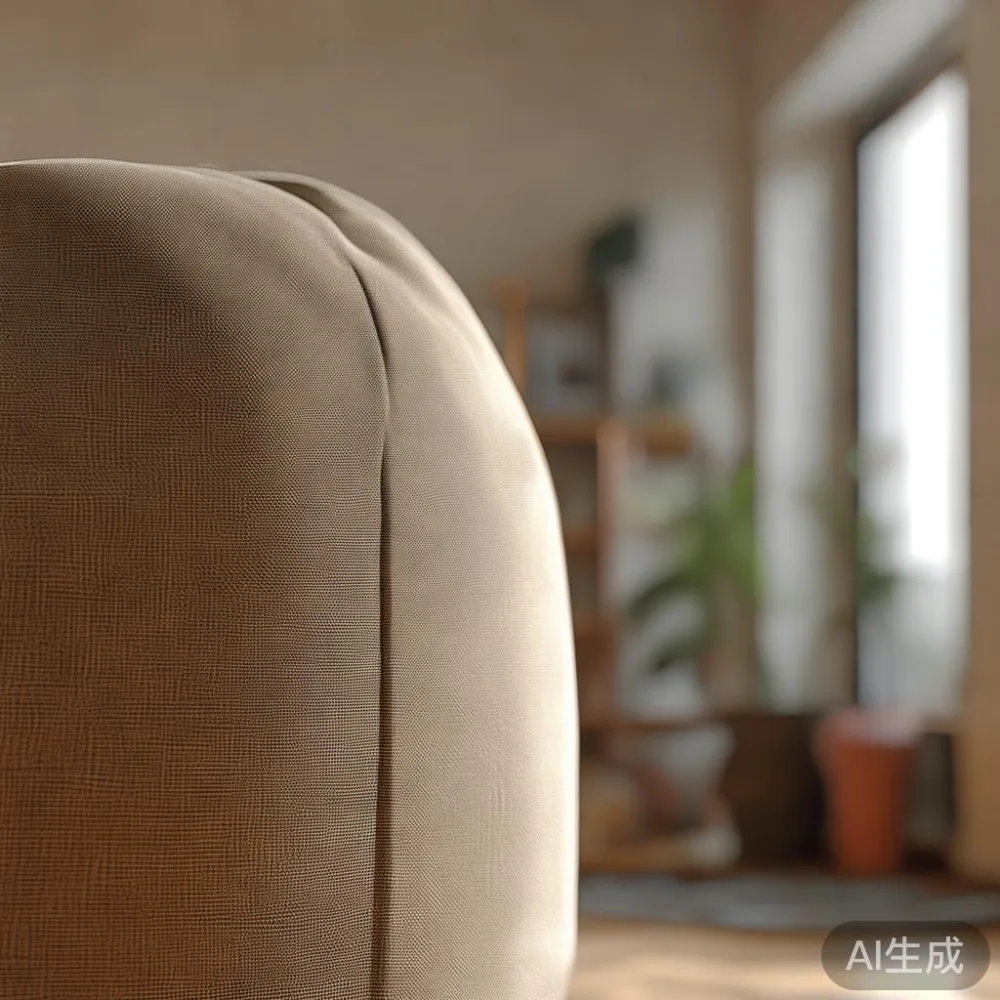
A compact flat rewards furniture that is easy to place, but a soft bean bag also has a different replacement pattern from a framed sofa. It can compress, pick up dust, and require cover washing. A 100 cm bean bag may weigh 9 kg empty and 25 kg when filled. A washable cover with a replacement zipper costing SGD 35 can extend its useful life considerably.
A 3-seat solid wood sofa may cost SGD 1,750 before GST, while a comparable veneer-framed sofa may cost SGD 980. Over 5 years, assume SGD 90 for upholstery cleaning on each, SGD 45 for minor frame adjustments, and SGD 320 if the sofa must be reupholstered because of one serious stain or tear. That gives a likely 5-year figure of SGD 1,254 for the solid wood frame and SGD 1,475 for the veneer frame before GST. If the timber frame remains sound, the solid wood version can be recovered with new cushions and fabric.
This also connects with design decisions. The French sofa vs Mid-century modern sofa comparison often focuses on silhouette, but material affects daily care. A French light-luxury look may use pale oak, cream upholstery, and restrained profiles; American light-luxury styling may pair walnut tones with generous proportions; post-modern light luxury may use clean lines and lightly curved elements. A solid wood frame supports those details better when the arms, rails, and legs are exposed.
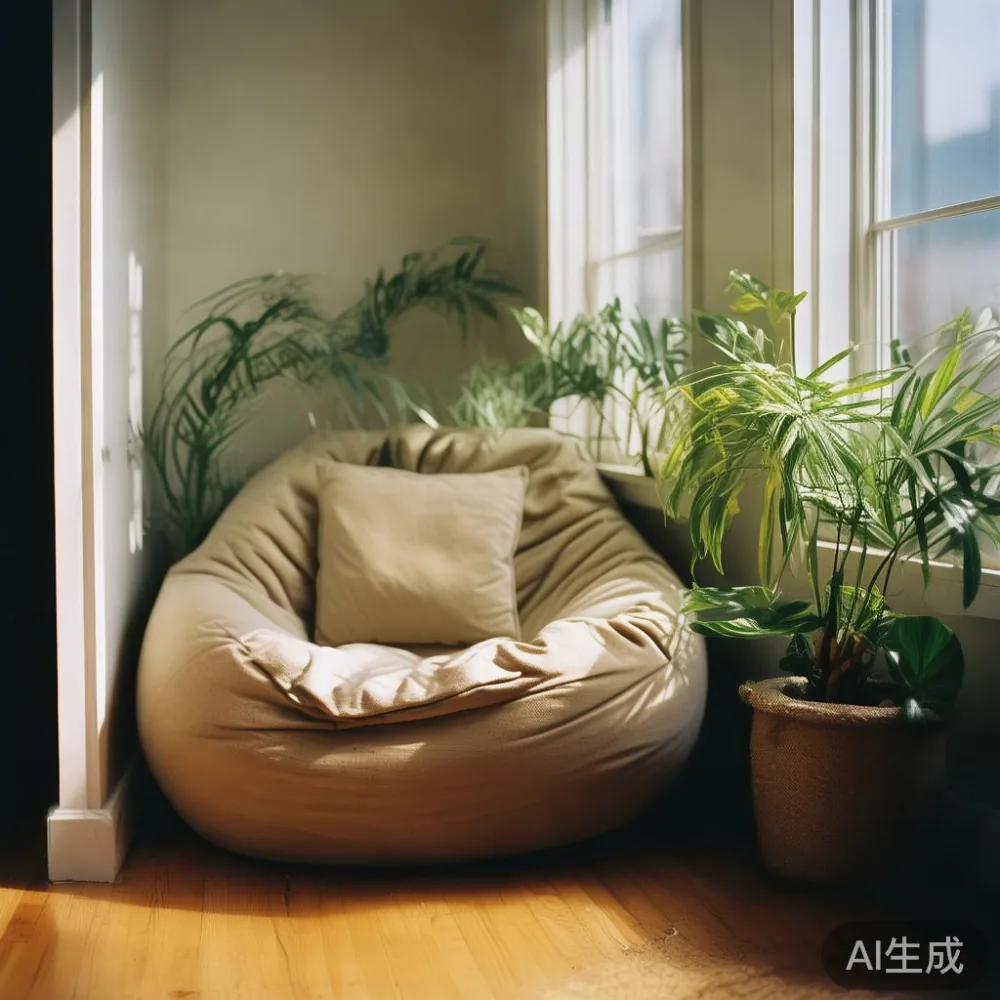
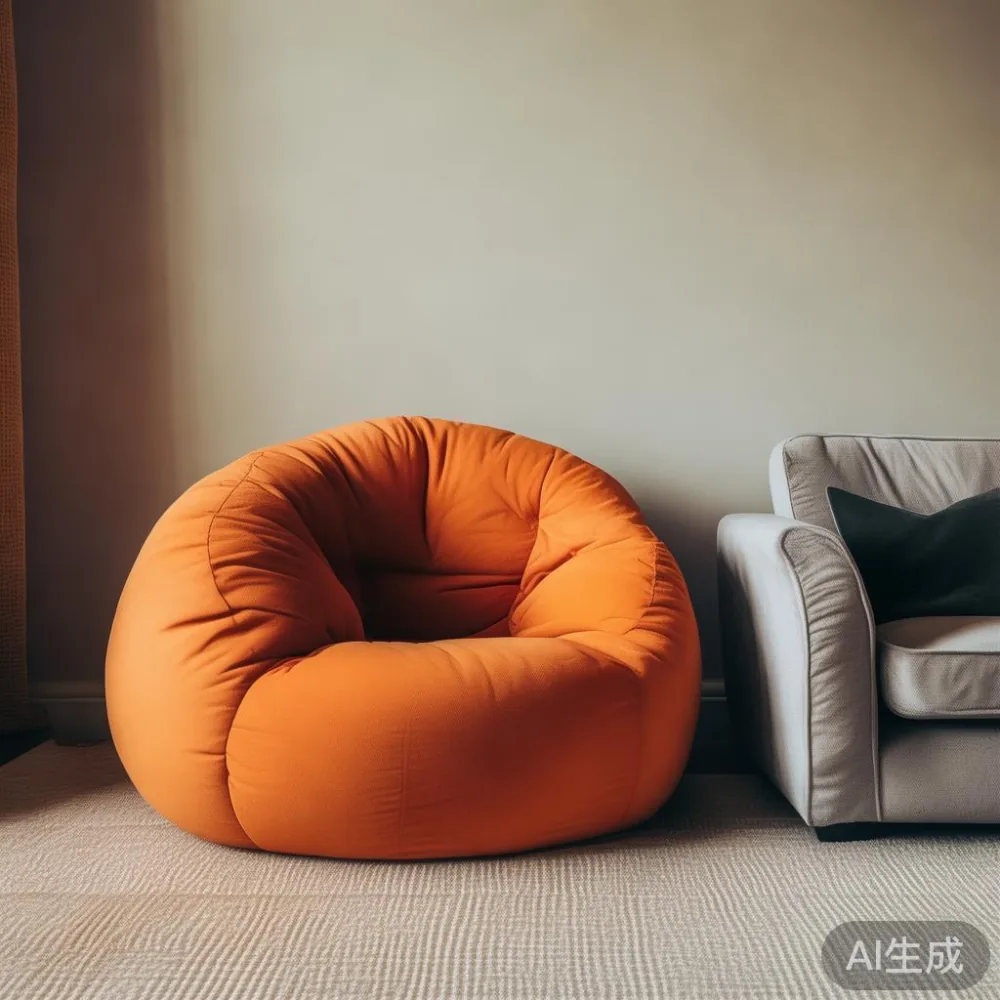
For a large HDB living room, a bean bag can serve as a movable reading seat without claiming a fixed floor zone. It also reduces visual clutter in a 9 sqm room. However, it should not be treated as a dining chair, a temporary bed for an adult, or a solution for storing bedding. Give it 3 cm clearance from walls and avoid direct sunlight near a west-facing window.
Solid wood sofas remain relevant, yet a bean bag has one advantage that framed seating cannot match: it can be shifted by 1 metre in seconds. That convenience has financial value in multipurpose rooms, especially where a dining table must move for visitors. Count the hours of friction, not just the hours of use.
Which finish will age better in Singapore’s humidity?
Singapore’s outdoor humidity is commonly around 75% to 90%, while air-conditioned interiors are often held near 50% to 65%. Neither timber nor veneer is immune to moisture. The key is stable indoor conditions, ventilation, and a finish that does not trap water against the surface.
Solid wood can move by roughly 1 to 3 mm across a 120 cm board as humidity changes. Good makers use stable joinery and allow some seasonal movement. Veneer on an engineered core can handle movement differently, but repeated edge exposure may allow moisture into the core. If a veneer surface blisters, local repair may be visible even when the repair is technically successful.
Ask for a finish with a minimum 2-coat build on exposed surfaces and a documented maintenance interval. Clean with a slightly damp cloth, then dry within 10 minutes. Keep a solid wood dining table at least 20 cm from an open window, and use felt pads under a nightstand or wardrobe. For a bean bag, keep the cover away from damp bathrooms and launder it according to the stated temperature, usually no warmer than 30°C.
Consider the cost of controlled conditions. A room dehumidifier may cost SGD 180 to SGD 350 and consume roughly 12 to 25 kWh monthly, depending on capacity and load. Over 5 years, a conservative energy allowance of SGD 480 to SGD 1,200 may apply. These costs affect both material choices and should not be quietly assigned to one side.
For solid wood, the risk is checking, movement, or finish wear. For veneer, the risk is peeling, edge swelling, or visible core exposure. In our model, solid wood was assigned SGD 180 for refinishing in year four and veneer SGD 420 for a repair. This is a planning allowance, not a defect prediction. If your family uses the dining table daily, both allowances could be higher.
What should buyers ask before choosing under 2000 European furniture?
Buyers researching under 2000 European furniture should separate imported style from material construction. A table may carry European design cues while using veneer or finger-jointed timber. Ask for a component map, not a country label. The drawer sides, back panels, legs, rails, and top should each be identified.
Questions about how to choose European sofa should include: Is the frame solid wood or plywood? Are the joints dowelled, screwed, or corner-blocked? Can the seat cover be removed? What is the foam density, and are cushion covers washable at 30°C? Is the arm width included in the listed 210 cm, and can the sofa pass through a 90 cm lift?
For a solid wood dining table, ask whether the top is 20 mm to 25 mm, how it is joined, and whether expansion gaps are allowed. For a wardrobe, check whether the back is 9 mm or 18 mm, whether the runners are rated for at least 30 kg, and whether the carcass arrives in sections below 90 cm. For a nightstand, confirm drawer hardware and the exact internal dimensions.
The phrase is European bed worth it requires a separate answer. If a solid wood bed frame costs SGD 980 and a veneer version costs SGD 520, the saving of SGD 460 may be sensible if the bed is moved to another HDB flat in year three. If the bed remains in a condo bedroom and can be sanded, the solid wood route may offer better long-term flexibility. A queen mattress may weigh 35 kg to 50 kg, so a dismantlable frame under 28 kg per section can matter more than appearance.
For anyone comparing the best Japanese sofa for 2026 or the best Scandinavian wardrobe for 2026, material transparency matters more than a trend label. Low-profile seating may hide complex frames, and closed wardrobes can conceal panel construction. Request close photographs of the underside, rear board, drawer interior, and any veneer edges.
How do bed frames, wardrobes, and marble tables affect the total?
Material cannot be evaluated separately from the piece. A reinforced metal or solid timber bed frame can support a heavy mattress, while a decorative veneer frame may be adequate but offer fewer repair options. A wardrobe is mostly panels, so core construction strongly affects stability over years of opening and closing. A marble table adds weight and fragility rather than timber value: a 120 cm marble-top side table might weigh 48 kg and cost SGD 620 to SGD 1,050. Moving it requires at least 2 people and a padded trolley.
Here is the working 5-year package, including 9% GST:
Veneer set before GST: solid wood sofa SGD 980, bed frame SGD 520, dining table SGD 580, wardrobe SGD 250, nightstand SGD 120, bean bag SGD 220. Total: SGD 2,670, or SGD 2,910.30 after GST. Planned care, repairs, and replacement exposure: SGD 480. Total 5-year cost: approximately SGD 3,390.
Solid wood set before GST: solid wood sofa SGD 1,750, bed frame SGD 980, dining table SGD 1,050, wardrobe SGD 700, nightstand SGD 230, bean bag SGD 260. Total: SGD 4,970, or SGD 5,417.30 after GST. Planned care and refinishing: SGD 430. Total 5-year cost: approximately SGD 5,847.
The solid wood set is about SGD 2,457 more expensive over 5 years, or 72% above the veneer set in this package. That difference looks larger because the selection uses full solid timber throughout and a long 5-year horizon. A mixed approach can narrow it: solid wood dining table and bed frame, with carefully specified veneer for a wardrobe carcass and a timber nightstand, might total around SGD 3,800 before GST and SGD 4,142 after GST.
Choose components by stress and repair visibility. A dining top receives water, heat, and abrasion. Bed rails and joints carry repeated loads. A wardrobe’s hidden panels may tolerate a stable engineered core better than they tolerate over-tightened screws in a humid season. A nightstand is often moved and knocked, so solid timber legs and repairable drawers make sense. A bean bag needs a durable, removable cover more than a thick timber frame.
What delivery and return terms should Singapore buyers confirm?
Delivery is part of the initial cost in both categories. A local furniture order may arrive within 7 to 14 days after production, while an imported solid wood piece may take 25 to 45 days. Confirm whether the quoted lead time includes production, sea freight, customs, and final-mile delivery. A low purchase price can be offset by SGD 90 to SGD 220 for lift or doorstep handling.
MIDHILL offers free shipping over US$350, which is relevant to international orders but does not automatically mean free delivery inside Singapore. Ask for the Singapore landed price, including GST and corridor delivery. A 10-year structural warranty also needs a practical local service path. Clarify which party handles claims, inspection, or refinishing pickup.
Returns can affect the expected first cost. A 14-day return window allows review after delivery, but many custom-made pieces may be excluded, especially with non-stock fabric, engraved dimensions, or installed items. Check the written conditions for a solid wood sofa or a made-to-measure wardrobe before commissioning.
For delivery, photograph the furniture before the crew leaves. Use a 10-minute checklist: count cartons, record dimensions, inspect corners, check the top for scratches, and test every drawer. Report transport damage within 24 hours. Keep the packaging for 14 days because a return may require the original protective materials.
Which option offers the better 5-year result?
For this example, veneer costs less over 5 years, largely because the starting difference is substantial. It is the sensible choice when the furniture is temporary, the budget is limited, the room is dry and stable, and pieces may be moved. Spend on quality hardware, joints, covers, and protective finishes rather than pretending every hidden panel must be solid timber.
Solid wood is the stronger choice when a table, bed frame, wardrobe, or sofa is expected to remain in use beyond the return window and when refinishing is part of your plan. It can also be more appropriate for American light-luxury or French light-luxury interiors where exposed timber joints are part of the visual language. The 10-year structural warranty, lifetime refinishing, and export experience behind MIDHILL are useful signals, but the specific construction details and local service terms still need confirmation.
Do not use “5 years” as a substitute for judgement. A 5-year-old veneer wardrobe can look excellent if it was built well and kept dry. A solid wood table can look poor if it was unfinished or exposed to standing water. The lowest expected cost comes from choosing stable materials, accurate dimensions, repairable parts, and realistic care—not from selecting a category by slogan.
For Singapore homes, compare the delivered quotation, measure the lift and corridor, add 9% GST where needed, and price one realistic repair. Then subtract any resale or reuse value. If the furniture will remain for 8 years rather than 5, a solid wood dining table or bed frame may have a clearer economic case, especially when refinishing can extend its useful life without replacing the whole piece.