The Ultimate Guide to Bean Bags in Singapore: Comfort Meets Practicality
What Makes a Bean Bag Perfect for Singapore's HDB and Condo Spaces?
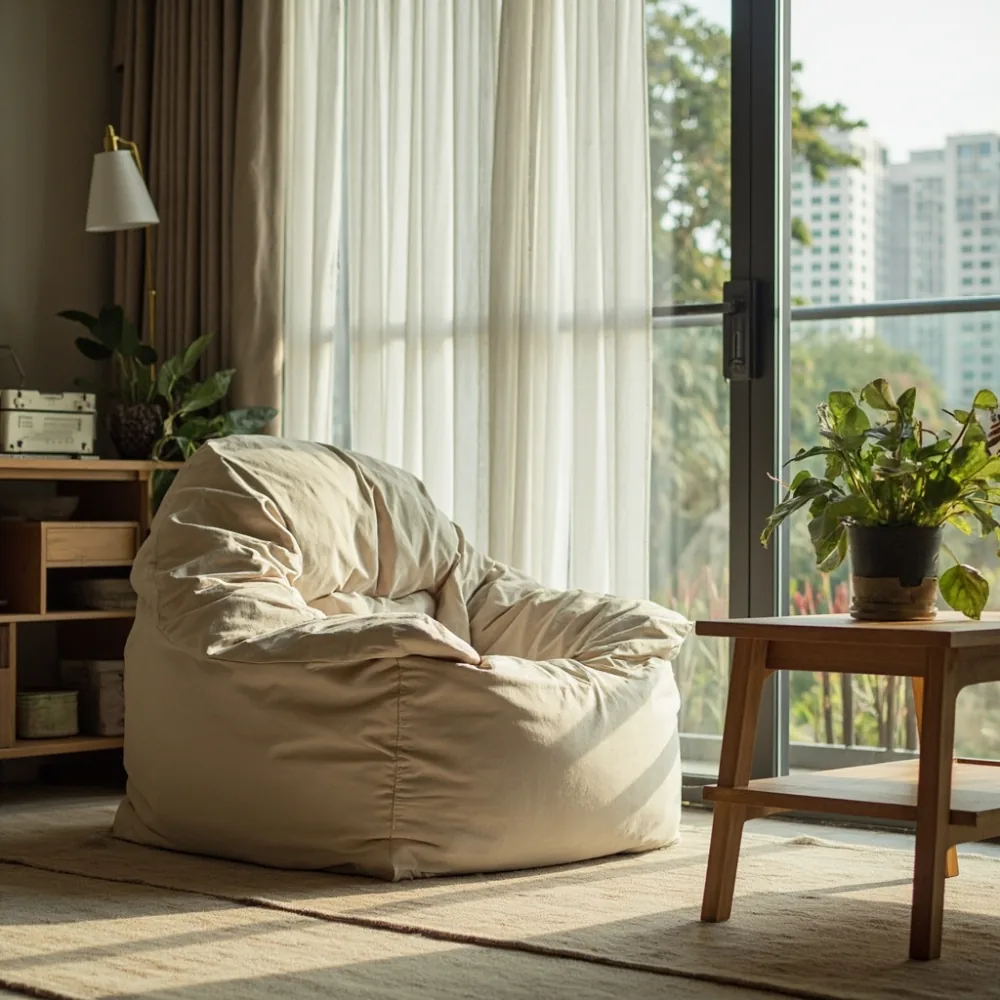
Space-Saving Design
Humidity-Resistant Materials
Versatility for Different Rooms
Singapore's urban living demands furniture that adapts to limited spaces without sacrificing comfort. Bean bags excel here, offering a flexible seating solution that molds to your needs. Unlike bulky solid wood furniture, bean bags can be easily moved or stored, making them ideal for compact HDB flats or cozy condos. Their soft, rounded contours fit into awkward corners or serve as impromptu seating for guests.
Humidity is a constant challenge in Singapore. A quality bean bag uses moisture-resistant fabrics like microsuede or faux leather, preventing mold and mildew. This durability ensures your furniture lasts longer in our tropical climate. For those who prioritize durable furniture, opting for double-stitched seams and high-density foam cores is essential.
Bean bags aren't just for kids' rooms. In Singapore, they often double as extra seating in living areas, lazy loungers in balconies, or even makeshift beds for overnight guests. Their versatility makes them a smart choice for small spaces where every piece of furniture must multitask.
How Do Bean Bag Sizes Compare to Singapore's Room Dimensions?
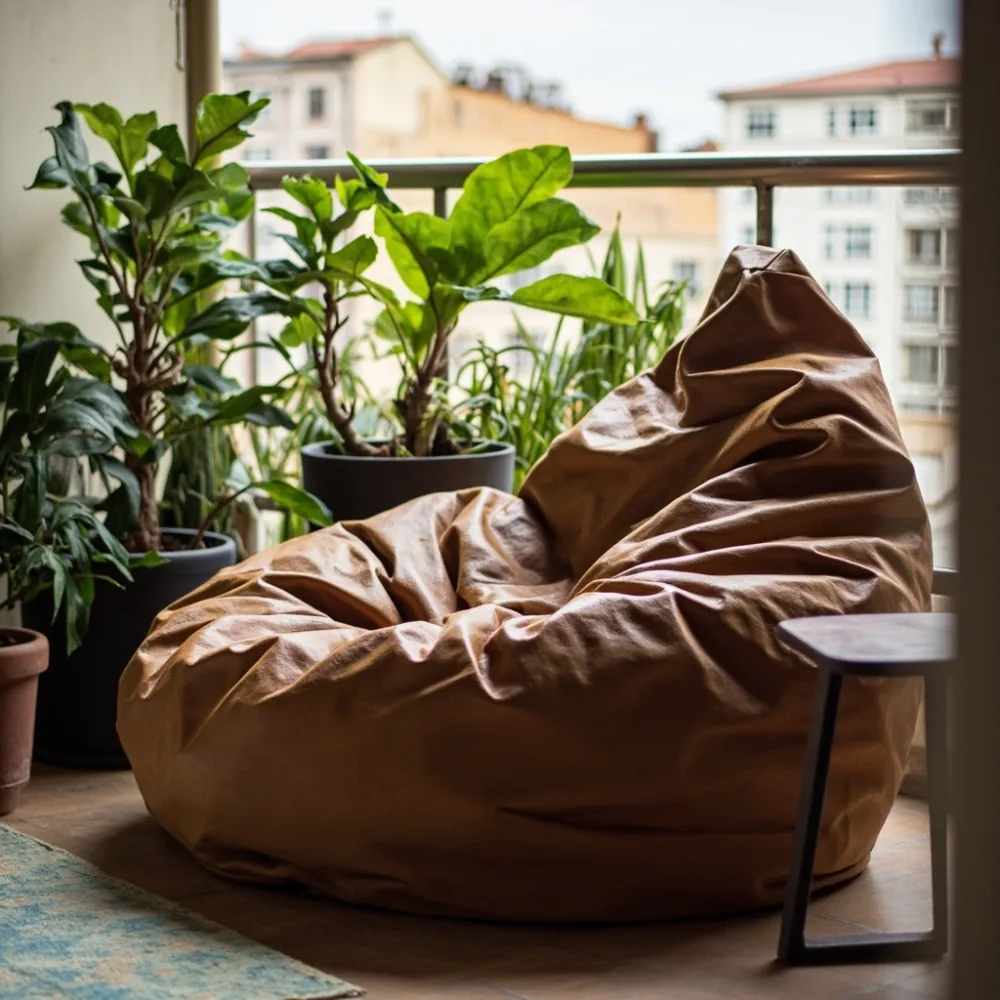
Standard Sizes and Their Footprints
Ideal for HDB Bedrooms and Living Rooms
Condo-Specific Considerations
Singapore's homes are known for their efficient layouts. A typical HDB bedroom measures 3m x 3m, while a living room might be 4m x 5m. Bean bags come in various sizes to fit these spaces. The most common is the medium bean bag, roughly 90cm x 90cm when fully expanded—small enough to tuck into a corner but large enough for comfortable lounging.
For smaller HDB bedrooms, a small bean bag (70cm x 70cm) works well as a chair alternative. In larger condos, oversized bean bags (120cm x 120cm) can serve as primary seating. Unlike custom furniture, bean bags require no complex measurements, making them a hassle-free solution for urban dwellers.
Here's a quick comparison of bean bag sizes and their suitability for Singapore homes:
| Size | Dimensions (cm) | Weight (kg) | Price Range (SGD) | Best For |
|---|---|---|---|---|
| Small | 70 x 70 x 50 | 5-7 | $80-$150 | HDB bedrooms, kids' rooms |
| Medium | 90 x 90 x 60 | 8-12 | $150-$250 | Living rooms, balconies |
| Large | 120 x 120 x 70 | 15-20 | $250-$400 | Condos, spacious living areas |
Are Bean Bags Durable Enough for Singapore's Humid Climate?
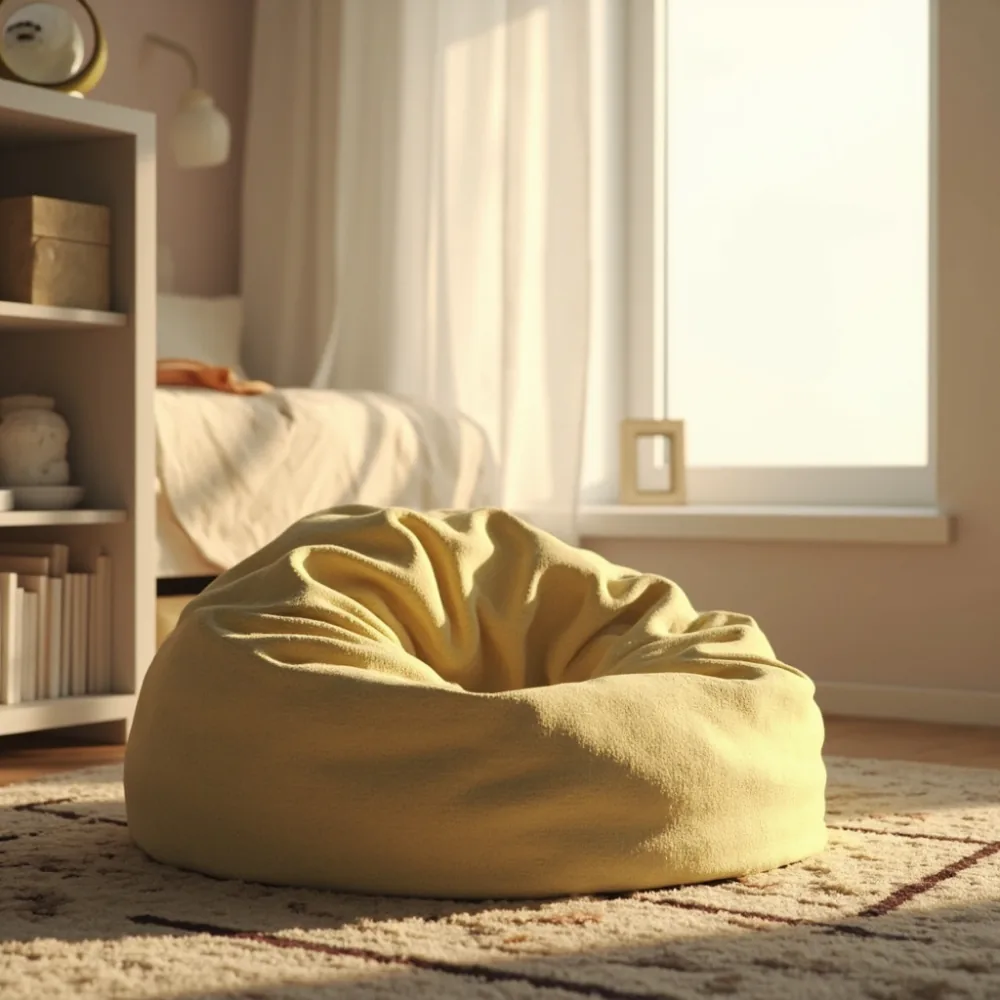
Fabric Choices for Humidity Resistance
Foam Quality and Longevity
Maintenance Tips
Singapore's humidity can wreak havoc on poorly made furniture. A good bean bag uses synthetic fabrics like polyester or microfiber that resist moisture. These materials dry quickly and don't absorb sweat or spills, unlike cotton. For those seeking durable furniture, faux leather or vinyl options are excellent—they're easy to wipe clean and stand up to our weather.
The foam filling is just as important. High-density foam (30kg/m³ or higher) retains its shape longer than cheaper alternatives. Brands like MIDHILL, known for their solid wood furniture, apply similar quality standards to their foam cores, ensuring resilience. A quality bean bag should last 3-5 years with regular use.
Maintenance is simple. Spot-clean stains with a damp cloth, and air the bean bag weekly to prevent odors. For long-term care, rotate the filling every few months to maintain evenness. Unlike custom furniture, bean bags don't require professional upkeep, saving time and money.
How Much Should You Budget for a Quality Bean Bag in Singapore?
Price Breakdown by Size and Features
Where to Buy in Singapore
Hidden Costs to Consider
Bean bags in Singapore range from budget-friendly to premium. Basic models start at $80, while high-end options with memory foam or luxury fabrics can hit $400. The price reflects material quality, brand reputation, and additional features like removable covers or handles. For context, a small leather sofa might cost $1,000+, making bean bags an affordable alternative.
You can find bean bags at major retailers like IKEA, local furniture stores, or online marketplaces. Some brands, like MIDHILL (a Foshan-based maker since 2008), offer competitive pricing with a 10-year structural warranty—rare for small space furniture. Delivery times vary: online orders take 3-7 days, while in-store purchases can be taken home immediately.
Factor in delivery fees ($20-$50) and potential assembly costs. Unlike solid wood furniture, bean bags usually arrive ready to use, but some require filling. Budget for this if not included. Also, consider the cost of replacement covers ($30-$80) for easy cleaning.
Can Bean Bags Replace Traditional Furniture in Singapore Homes?
Pros and Cons of Bean Bag Living
Mixing Bean Bags with Other Furniture
When to Choose Bean Bags Over Sofas
Bean bags can replace traditional seating in certain scenarios. In a studio apartment, a large bean bag might serve as both sofa and bed. For students or young professionals, they offer a cost-effective, flexible seating option. However, they lack the structure of a leather sofa, making them less ideal for formal dining areas or home offices.
The beauty of bean bags lies in their versatility. Pair a medium bean bag with a small space furniture like a nesting table for a casual living setup. In kids' rooms, bean bags can replace chairs, adding a playful element. Unlike custom furniture, they can be rearranged without hassle—perfect for Singapore's dynamic living spaces.
Choose bean bags when comfort and flexibility are priorities. They excel in media rooms, balconies, or as temporary seating during gatherings. For permanent seating in high-traffic areas, a durable sofa might be better. Balance is key—mix bean bags with a few traditional pieces for a functional yet relaxed home.
What Are the Best Bean Bag Brands Available in Singapore?
Local vs. International Brands
Key Features to Look For
Warranty and After-Sales Support
Singapore offers a mix of local and international bean bag brands. Local brands like Love Sacs and The Sofa Factory cater to tropical climates with humidity-resistant materials. International brands like IKEA provide affordable options but may lack durability for long-term use. For those who trust solid wood furniture makers, MIDHILL's extension to bean bags brings their quality standards to soft furnishings.
Look for features like double-stitched seams, non-slip bottoms, and machine-washable covers. High-density foam filling is a must for comfort. Brands offering a 10-year warranty, like MIDHILL, signal confidence in their product. Unlike custom furniture, bean bags rarely come with such guarantees, making this a key differentiator.
After-sales support matters. Check if brands offer replacements for defective parts or cover refills. Local brands may provide faster service for Singapore residents, while international brands might have longer wait times. Consider this when weighing price against peace of mind.
How Do You Care for a Bean Bag in Singapore's Weather?
Cleaning and Maintenance Routine
Preventing Mold and Mildew
Storage Tips
Cleaning a bean bag in Singapore requires extra attention due to humidity. Most covers are removable—check the care label before washing. Machine-wash on a gentle cycle with mild detergent, and air-dry completely before reusing. For non-removable covers, spot-clean with a damp cloth and baking soda paste for stains. Unlike leather sofa care, this process is quick and DIY-friendly.
Prevent mold by keeping the bean bag dry. If it gets wet, stuff newspapers inside to absorb moisture, then air it for 24 hours. Use a dehumidifier in the room if possible. For long-term storage, vacuum-seal the bean bag in a plastic bag and keep it in a dry cupboard. Avoid attics or basements where humidity spikes.
Rotate the filling every few months to maintain shape. Fluff the foam by hand or by rolling the bean bag vigorously. Unlike solid wood furniture, bean bags benefit from regular movement to prevent compacting. A little care goes a long way in extending their lifespan in Singapore's climate.
Frequently asked questions
Are bean bags suitable for small Singapore apartments?
Absolutely. Bean bags are perfect for small spaces like HDB flats or condos. They’re lightweight, easy to move, and can serve as seating, loungers, or even beds. Their flexible design adapts to tight areas better than bulky furniture.
How long does a bean bag last in Singapore's humid weather?
A quality bean bag with moisture-resistant fabric and high-density foam can last 3-5 years. Proper care, like regular airing and cleaning, prevents mold. Brands like MIDHILL offer warranties, ensuring longevity in tropical climates.
Can bean bags be used as primary seating?
Yes, in casual settings like bedrooms or media rooms. However, for daily use in living areas, a sofa or small space furniture might offer more support. Bean bags work best as secondary or flexible seating.
What’s the best fabric for a bean bag in Singapore?
Synthetic fabrics like microsuede, faux leather, or polyester resist humidity best. They’re easy to clean and dry quickly. Avoid cotton, which absorbs moisture and can lead to mold in Singapore’s weather.
Are bean bags more affordable than sofas?
Generally, yes. Bean bags start at $80, while even basic sofas cost $500+. For budget-conscious buyers, they offer comfort without the high price tag of leather sofa or custom furniture.
Questions about specifications, fabric or delivery? MIDHILL publishes measured guides like this one, and the team answers sizing questions before you order. See the full collection or contact the team.