How to Match Bean Bag and Solid Wood Furniture to a Warm Minimal Interior
A warm minimal interior does not need to feel cold. In Singapore, the practical challenge is often less about square metres than about circulation: a sofa that works in a show-flat can obstruct the route from an HDB lift lobby to the front door, while a bulky bean bag can consume the corner a compact dining table needs. Warm minimalism works when every piece has a clear job, measurable clearances, and a palette that softens the hard surfaces already present in a Tampines flat, Bedok condo, or Punggol home.
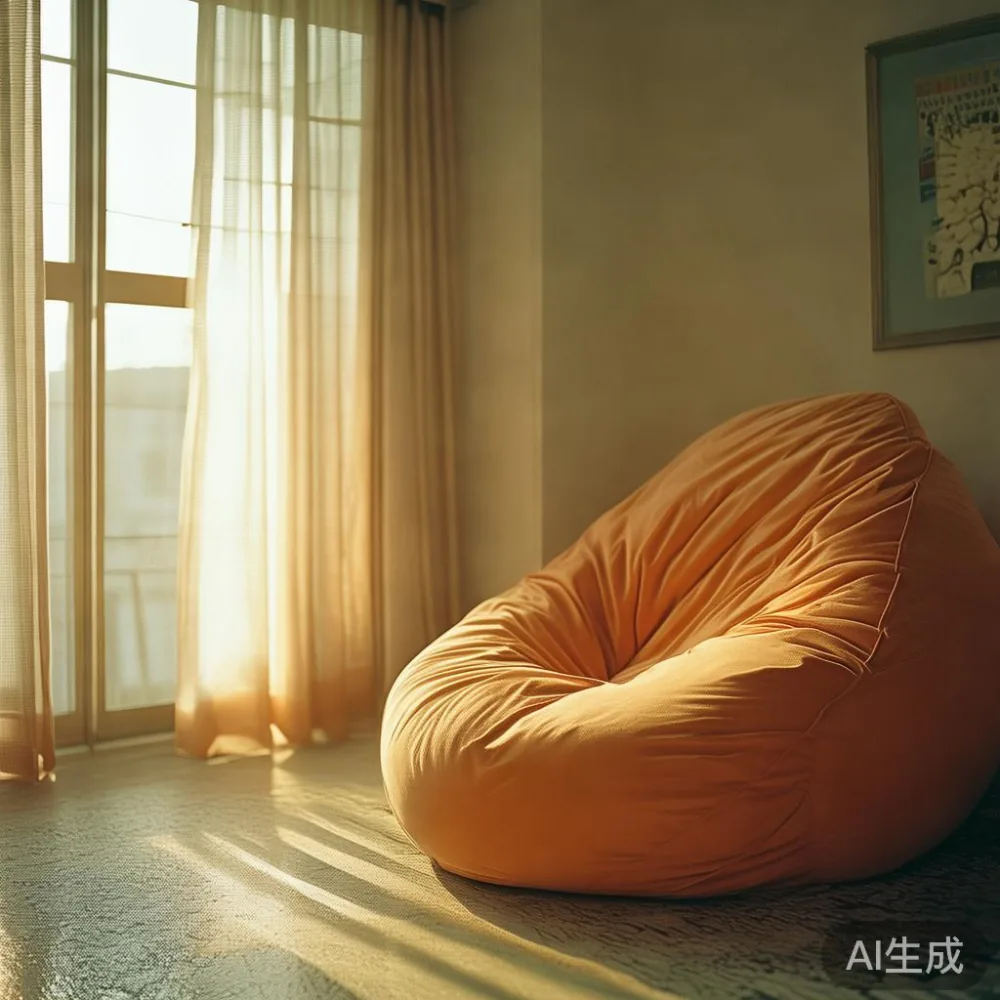
I visited a renovated 3-room HDB flat in Bedok last month to review a seating layout for a client. The living room measured 320 cm by 360 cm, with a 90 cm door opening into the space. A deep lounge chair looked generous in the photograph, but it left only 54 cm behind the backrest. Moving it 18 cm toward the wall created a usable 72 cm passage and made the room feel more generous. That experience reinforced a simple rule: warm minimal furniture should be comfortable at human scale, not merely visually restrained.
What makes an interior feel warm without adding visual clutter?
Warm minimalism relies on proportion, texture, and repetition rather than decoration. In local homes, pale walls, glossy floor tiles, and compact rooms need warm wood tones, controlled contrast, and a few tactile anchors. A solid wood sofa with visible grain introduces softness; a bean bag adds a relaxed curve; linen-like upholstery diffuses light. The effect should feel composed, not staged.
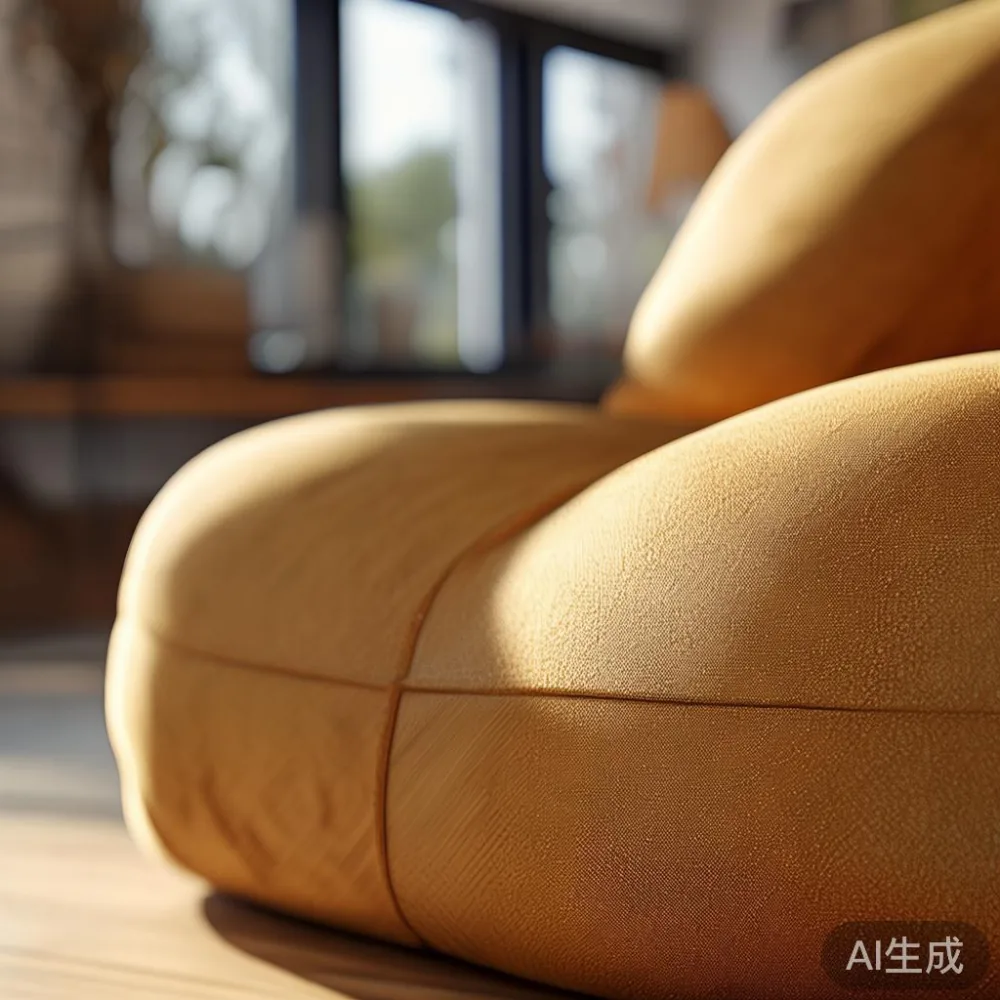
Start with a palette of 3 colours: cream, warm oak, and one muted accent such as terracotta, olive, or dusty blue. Keep the largest surface, usually the wall or sofa, light. Use darker wood only at human touchpoints such as a bed frame, dining table, or nightstand. For a 90 cm dining table, allow at least 75 cm of movement behind each occupied chair. In a 280 cm wide dining zone, a table around 160 cm long usually offers more practical elbow room than a narrow 140 cm model.
Material consistency matters too. Pair one clear solid wood tone with simple matte hardware and a stone or marble table, rather than mixing 6 competing finishes. French light luxury can work here through pale upholstery, refined timber, and curved profiles, provided the room still feels calm. American light luxury often leans on deeper cushions, relaxed textiles, and darker wood. Both approaches can be warm; they should not be mixed indiscriminately.
How should I choose a bean bag for a small Singapore home?
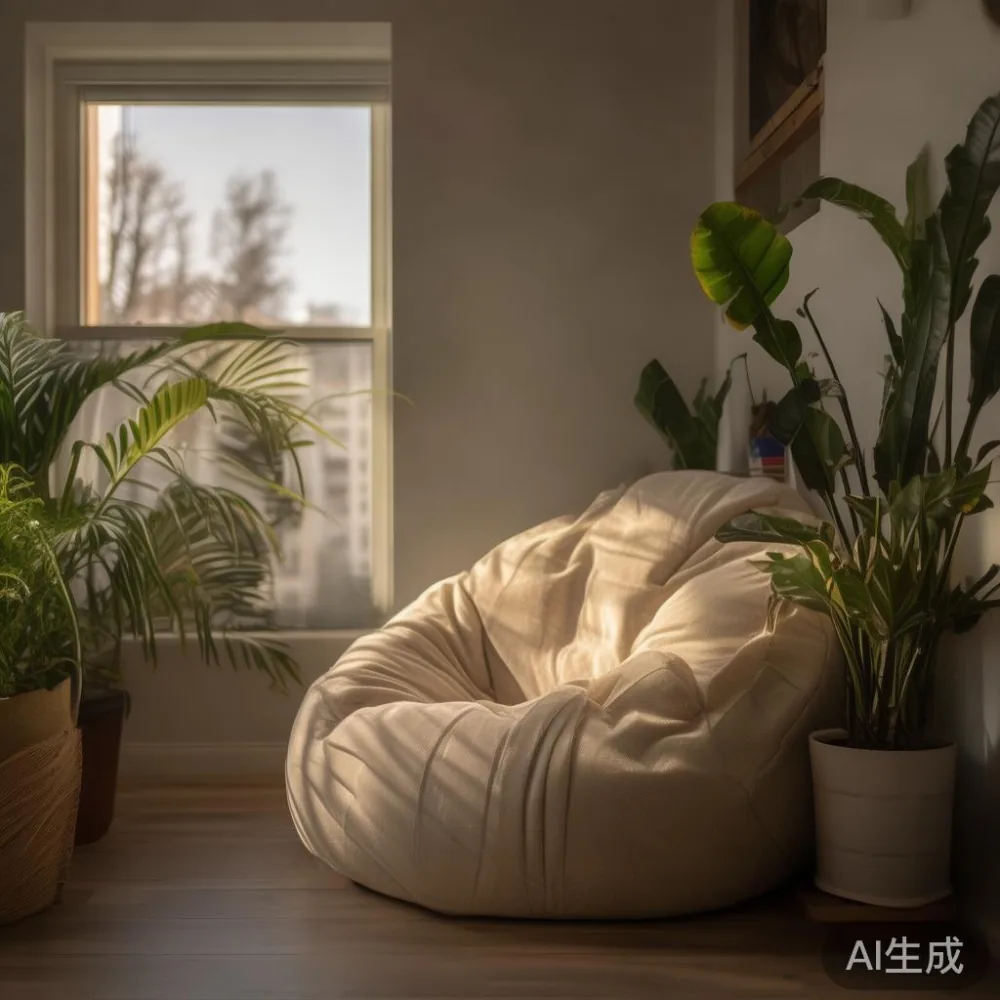
The bean bag is useful because it gives a warm minimal room a centre of gravity without the rigid outline of an armchair. Choose it for a reading corner, child’s lounge, informal floor seating, or a bedroom rather than forcing it into a formal conversation group. A bean bag needs more rear clearance than many buyers expect because the filling shifts as someone sits down.
For a compact HDB living room, a 90 cm diameter bean bag is often easier to manage than a 110 cm model. A 100 cm bag works well in a larger condo corner or bedroom, but it should not sit directly in the main route to the balcony. Keep at least 60 cm between the bean bag and a sofa, 45 cm from a wardrobe door, and 30 cm from a nightstand. These are practical minimums, not luxury-room allowances.
Check the filled weight as well as the dimensions. A 100 cm bean bag may weigh 7 to 10 kg, making it difficult for one person to reposition. Look for a double-layer skin, a secure zip, and handles that remain attached under load. A removable or washable cover is useful in humid Singapore conditions. Test the bean bag with a 75 cm walkway around it; if you cannot walk past without turning sideways, it is too large for the intended position.
For local homes with nearby bus stops, schools, and parks, a washable cotton blend can handle frequent use better than a delicate pale weave. Avoid placing it beside an open window during heavy afternoon rain, and allow ventilation after spills. A bean bag also needs visual support: set it beside a solid wood side table or against a warm timber backdrop so it does not appear to float.
Which furniture should anchor a warm minimal living room?
A low solid wood coffee table often anchors a bean bag arrangement better than a tall side table. Choose a height of 35 to 42 cm, which sits comfortably beside a 38 to 44 cm seat. A 100 by 55 cm rectangular table gives space for a cup, book, and small tray without becoming a storage surface. Keep 35 to 45 cm between the table and the bean bag, and maintain a 75 cm route to the TV wall.
The sofa should follow the room rather than dictate it. A 190 to 210 cm three-seat solid wood sofa suits many 3-room HDB living rooms, while a 230 to 250 cm version needs more lateral clearance. For low-rise lift access and narrow condo corridors, check that the packed sofa can pass through a 90 cm doorway and turns cleanly beyond the lift. A removable leg design can reduce the packed depth from 96 cm to 82 cm, which often solves the problem.
When comparing silhouettes, French sofa vs Mid-century modern sofa is a useful distinction. A French sofa typically has a softer, more upholstered profile, while a Mid-century modern sofa uses visible timber lines and slimmer arms. Both can suit warm minimalism, but the French version brings softness and the mid-century version creates stronger geometric rhythm. The question is not which style label wins; it is which outline matches the wall, pathway, and adjacent pieces.
A marble table can provide one cool focal point, but it should not become the room’s only reflective surface. Use a 90 by 50 cm top with rounded corners if children use the area, or select a compact 70 by 70 cm square. A slim solid wood base under 6 cm helps preserve visual lightness. Warm minimalism benefits from contrast, yet one marble table, one textured bean bag, and one timber frame create enough interest without excess.
How can a dining table make a modest flat feel more spacious?
Dining areas often reveal whether a warm minimal home actually functions. Measure the room before choosing the table, including the space needed to pull out chairs. For 4 people, a 120 by 80 cm dining table offers a useful balance for everyday meals. For 6 people, consider 160 by 90 cm. Beyond 180 cm, check the route around the table carefully, particularly if the kitchen entrance or balcony door remains in use.
Warm minimal dining tables benefit from rounded corners, a matte finish, and visible grain. A solid oak dining table around 75 cm high pairs well with cream walls and warm grey floor tiles. Choose a light finish if the room receives less natural light; a medium honey tone adds warmth but should be repeated elsewhere, perhaps on the bed frame or wardrobe handles.
In a Punggol condo with an open kitchen, use a pendant centred over the table and keep the ceiling visually quiet. One shade, about 30 to 40 cm above the tabletop, creates a pleasant task level without filling the upper volume. If the dining table must double as a study desk, verify that knee clearance is at least 58 cm and that the surface does not wobble. A compact 120 cm table can work for both, but only if the room has a separate spot for computer work.
How do I coordinate a bedroom, bed frame, and wardrobe?
A warm minimal bedroom should feel restful from the doorway. Begin with the bed frame, because it fixes the visual axis. A 150 cm bed needs at least 75 cm of clear space on one side and 60 cm on the other; a 180 cm bed generally needs 75 cm on both sides for bedside access. Place the headboard near a plain wall if possible, then use a nightstand to bridge the bed and window.
For bedside furniture, Italian light luxury nightstand may describe a marble-topped or finely detailed design, but local practicality still matters. A 45 by 40 cm nightstand with a 50 to 58 cm height suits most standard beds. A slim drawer should open through at least 35 cm. If the room is only 300 cm wide, a 35 cm wide nightstand can preserve a better circulation route than a 50 cm version.
Wardrobes need equal attention to door swing and interior function. A hinged wardrobe may require 90 to 120 cm of operating space, while sliding doors can reduce the visible projection but limit access to one section at a time. For an HDB bedroom with a sloped ceiling, measure at floor level, waist height, and 190 cm height. The lowest point determines whether a full-height wardrobe is sensible.
If Japanese simplicity is the starting point, how to style Japanese wardrobe in apartment focuses on clean planes, subdued hardware, and a disciplined relationship with the bed. If the wardrobe is American mid-century in character, is Mid-century modern wardrobe worth it depends on storage needs and door clearance rather than the trend label. Narrow timber frames can look refined, but they should still provide hanging rails, shelves, and drawer boxes that fit the actual wardrobe contents.
For a warmer blend, how to style Japandi wardrobe in apartment is often achieved by pairing simple joinery with one tactile material such as woven baskets, pale linen, or light timber. A Japandi bed frame can create a calm foundation, but is Japandi bed worth it for a Singapore bedroom depends on ventilation, maintenance, and the need for drawers. A slatted base improves airflow, while a storage bed can save floor space but may feel heavy if its side panels are too deep.
Can solid wood furniture fit HDB lifts and condo corridors?
It can, but dimensions must be checked before ordering. Singapore HDB lift doors are commonly around 80 to 90 cm wide, and condo service lifts vary by building. An assembled dining table may fit the lift but still be difficult to rotate in the lobby. Confirm the packaged width, the narrowest corridor turn, and whether the lift has a depth of at least 150 cm.
Ask for a floor-plan check and delivery information at the point of purchase. For example, a solid wood sofa with a 94 cm packed depth may be manageable if it separates into 2 modules and can pass through a 82 cm opening. A 200 cm wardrobe could require tilt-free vertical transport, which needs a much taller lift and adequate ceiling clearance. Record every pinch point with a tape measure rather than estimating from photographs.
For MIDHILL pieces, the practical checks should cover wood species, finished dimensions, removable parts, and assembly requirements. MIDHILL was established in 2008 and exports to more than 15 countries, so its production experience is useful, but international reach does not replace a site survey. Confirm the Singapore delivery timeline, local GST treatment, and access requirements before checkout. Free shipping over US$350 applies to the stated threshold, although this article uses local pricing in SGD; request a local quotation so the comparison is clear.
Protection after delivery also matters. MIDHILL provides a 10-year structural warranty and lifetime refinishing, which can support a long-term furniture plan. Review what the warranty covers, what refinishing entails, and whether in-person servicing is available in Singapore. A 14-day return policy gives buyers time to inspect proportion and finish, subject to the stated condition requirements.
How do lighting and layout finish a warm minimal home?
Warm minimalism depends on layered light, not a single bright ceiling fitting. Use 2700K to 3000K lighting in living and bedroom areas, and reserve 3500K to 4000K for task zones such as the dining table or study surface. A floor lamp beside the bean bag creates a softer focal point than an overhead spotlight. Keep lampshades simple and repeat one material, such as brushed brass, on only 2 visible fittings.
Arrange furniture to create an inviting triangle between the solid wood sofa, bean bag, and coffee table. Keep the main passage at least 75 cm wide in living areas and around 90 cm where a dining chair needs to move behind a seated person. In narrow Bedok or Tampines corridors, 60 cm may be acceptable for occasional movement, but 75 cm is more comfortable for a person carrying a tray or using a mobility aid.
Finally, test the room with 5 everyday objects rather than a full collection. Place a cup, book, tray, remote, and throw where they will actually be used. If the coffee table needs 5 additional shelves to look complete, it is too complicated for the room. The same applies to the bean bag: if it functions as a seat, footrest, and occasional bed, check its filled dimensions and stability before settling on it.
The most convincing warm minimal interiors are built from controlled repetition: one timber tone, one soft neutral upholstery family, one curved bean bag, and enough clear space to move. A solid wood sofa establishes comfort, a solid wood bed frame creates restful rhythm, a dining table anchors shared meals, and a well-proportioned wardrobe keeps storage visually quiet. Measure first, check every delivery route, and let materials carry the decoration rather than excess objects.