How to Choose the Right Size Bean Bag for a Singapore HDB Living Room
I visited a friend's new 4-room HDB flat in Punggol last month, and the thing that struck me was not the kitchen or the wardrobe, but a single oversized bean bag that had taken over the entire corner of her living room. It looked comfortable, but it had swallowed about 1.6 square metres of usable floor space, blocked the corridor to the bedrooms, and made the entire room feel roughly 25% smaller than it actually was. She had bought it online because the price was tempting, never measuring the spot where she planned to put it. That is the exact mistake this guide is designed to help you avoid, whether you live in a 3-room flat in Bedok, a 5-room unit in Tampines, or a compact condo in Punggol.
Why a bean bag works so well in a small HDB flat
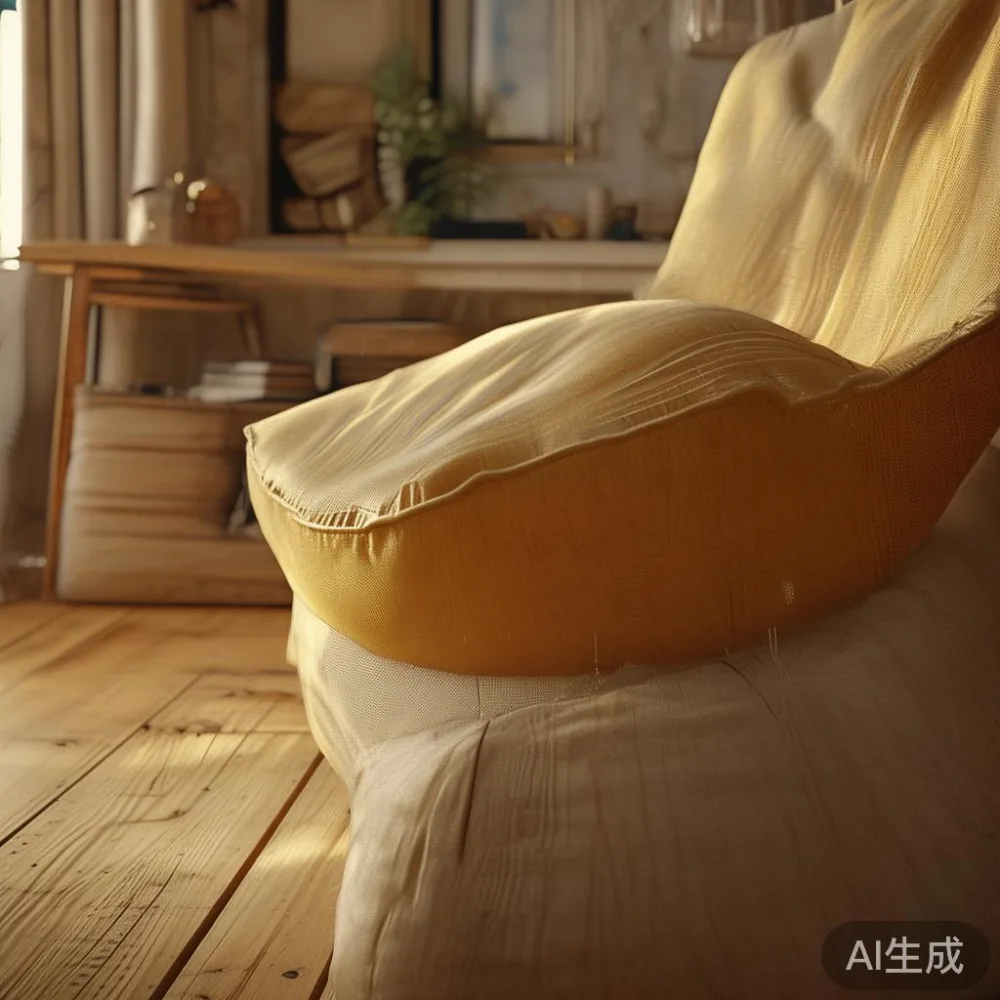
A bean bag is one of the few pieces of furniture that adapts to the room instead of forcing the room to adapt to it. In a typical Singapore HDB, the living room often measures only about 3.2 m by 3.6 m once you subtract the kitchen entrance, the door to the common bedroom, and the air-con ledge. A traditional armchair or a solid wood sofa set can eat 1.8 m to 2.2 m of linear wall space, leaving very little room to breathe.
A well-sized bean bag solves three problems at once. It provides seating for one or two people without rigid armrests. It can be pushed against the wall when guests leave. And it stores no rigid frame, so when you want to host a gathering for 8 people, you can simply move it aside and bring out folding stools. For households that entertain often during Chinese New Year or Hari Raya, that flexibility is genuinely valuable.
What size bean bag should you actually buy?
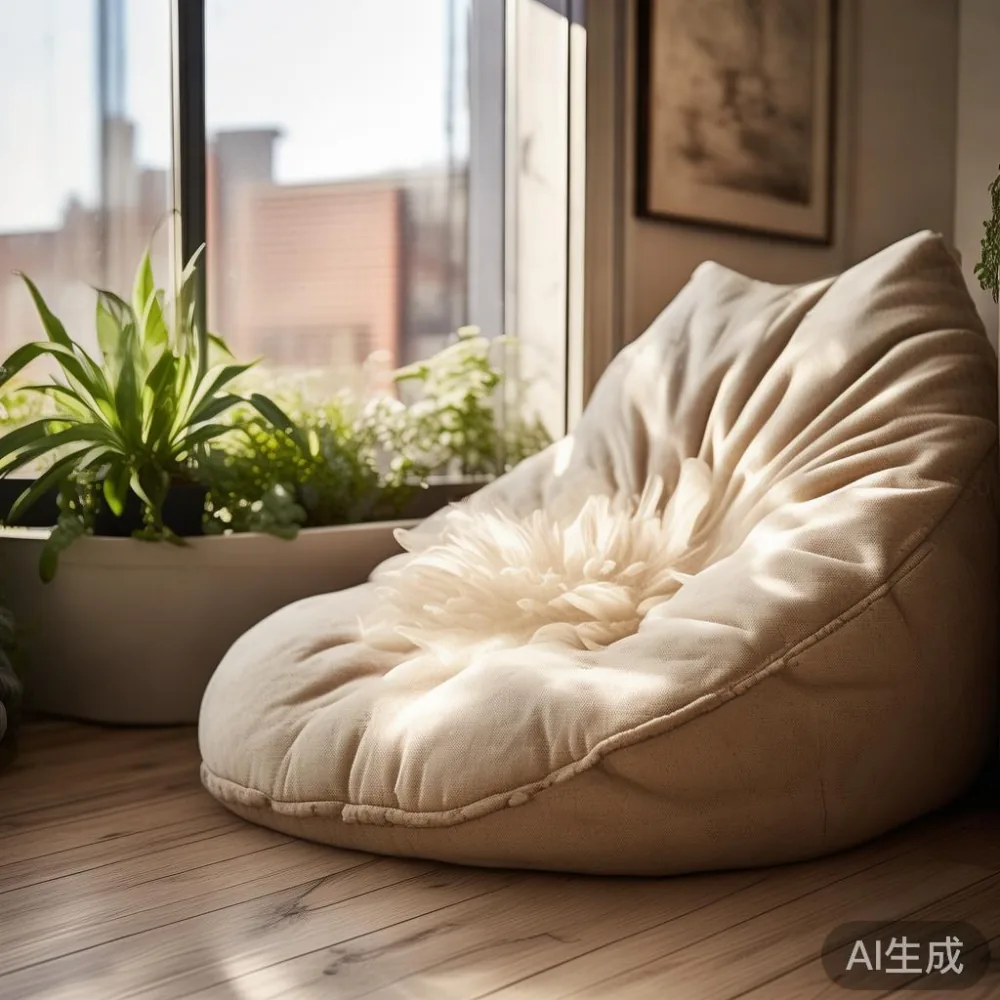
The short answer is: measure the corner you plan to put it in, then subtract 20 cm on every side for breathing room and easy cleaning. Here is how I translate that into actual numbers.
For a small HDB living room under 14 square metres, a bean bag with a diameter of 70 cm to 90 cm is usually ideal. It gives an adult enough space to curl up, weighs roughly 4 to 6 kg when filled, and costs in Singapore somewhere between SGD 90 and 260 for a decent fabric cover. This is the size my colleague in Bedok chose for her 3-room flat, and she has lived with it comfortably for 14 months now.
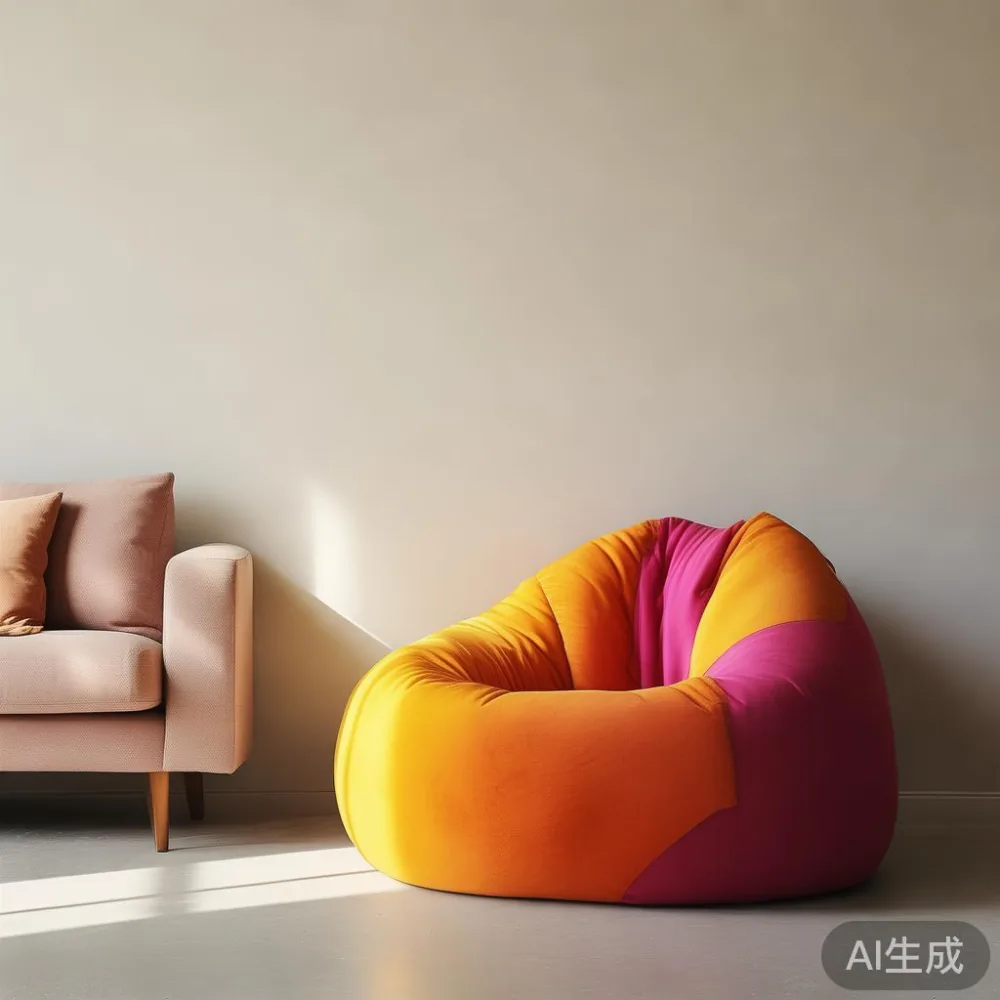
For a standard 4-room HDB living room of 16 to 20 square metres, look at bean bags between 100 cm and 130 cm in diameter. These are the most popular size in Tampines and Sengkang showrooms, and they support an adult lying down fully, which is the position most people adopt within the first 4 minutes of sitting on one. Expect to pay SGD 220 to 480.
For a 5-room flat or a premium condo with an open-plan living and dining area above 24 square metres, you can go up to 150 cm or even 180 cm. These are sometimes called lounger or sofa-style bean bags, and they seat two adults side by side. Prices range from SGD 380 to 720.
How do you measure your HDB living room before buying a bean bag?
Before you order, take a tape measure and record four numbers in centimetres.
1. The longest clear wall, measured from skirting to skirting. Most HDB walls run between 2.8 m and 3.6 m.
2. The width of the corridor between the living room and the bedroom door. HDB regulations require a minimum 1.2 m corridor width for accessibility, but many older flats have only 1.0 m.
3. The lift opening on your floor. Standard HDB lifts are about 1.0 m wide and 1.4 m deep, so a bean bag larger than 140 cm in its packaging may not fit.
4. The width of the refuse chute corridor on your floor. If it is narrower than 1.1 m, you will need the bean bag delivered in a flat-pack box and assembled inside your home.
Write these numbers on a piece of paper, then mark out the bean bag footprint on the floor with masking tape. Live with the tape outline for 48 hours. If you bump into it during that time, the bean bag is too large.
Will a bean bag actually fit through my HDB lift and corridor?
This is a real concern, and yes, it usually fits, but only if you plan ahead. A 130 cm bean bag in its compressed shipping box typically measures 60 cm by 60 cm by 90 cm and weighs under 11 kg. A 180 cm lounger-style bean bag may ship in a 70 cm by 70 cm by 110 cm box at around 14 kg.
Both boxes clear a standard HDB lift and a 1.0 m corridor with about 20 cm to spare. The risk appears when buyers order from overseas sellers that ship uncompressed. I have heard of two cases in Punggol where an oversized bean bag had to be hauled up nine floors via the service staircase because the lift door was 1.05 m and the package was 1.10 m. That is a SGD 60 mistake in courier fees, minimum.
If you are buying from a local warehouse in Singapore, the cover usually arrives flat and the filling arrives in a separate 1.0 kg bag. You fill it yourself using a household funnel, which takes about 12 minutes and makes the whole package much easier to move. This is the approach most Tampines families prefer.
What is the difference between Italian light luxury king bed and modern furniture?
The difference between Italian light luxury king bed and modern furniture is that Italian light luxury king bed is a specific style category rooted in Milanese post-modern light luxury design, characterised by restrained silhouettes, muted neutral tones, and premium materials such as sintered stone tabletops and full-grain Italian leather, while modern furniture is a much wider umbrella term covering anything produced roughly from the mid-20th century onward, including Scandinavian minimalism, mid-century modern, Bauhaus, and American light luxury interpretations.
In practical terms for a Singapore home, an Italian light luxury king bed set usually arrives with a coordinated wardrobe, nightstand, and marble table accent, and it is built around the idea of a calm, light-filled master bedroom with a single visual statement piece. A modern furniture set, by contrast, is more modular and more affordable, often mixing a solid wood sofa, a bed frame, a dining table, and a nightstand from different collections.
For an HDB master bedroom of about 14 square metres, the Italian light luxury king bed approach often means a 180 cm by 200 cm bed frame, two 50 cm nightstands, a 6-door wardrobe, and a single marble table in the reading corner, totalling roughly SGD 4,800 to 7,200 for the full set. The modern furniture equivalent usually comes in around SGD 2,600 to 4,400 for a similar configuration.
How do you match a bean bag with your existing HDB furniture?
The easiest way to make a bean bag look intentional rather than improvised is to echo one colour from your existing pieces. If your solid wood sofa is walnut-stained teak, pick a bean bag in chestnut, terracotta, or olive. If your dining table is oak with a Scandinavian sintered stone outdoor patio extension in cool grey, choose a bean bag in pale stone, dusty blue, or oat.
Fabric also matters. A linen-blend cover pairs well with a solid wood sofa and a marble table because the textures do not compete. A faux-leather cover suits American light luxury interiors that lean toward darker espresso tones. A boucle or sherpa cover works with French light luxury schemes that favour cream, ivory, and soft taupe.
Sizing harmony is the part most people miss. If your solid wood sofa is 220 cm long and your dining table seats six at 180 cm, your bean bag should not exceed 130 cm in diameter. Anything larger starts to dominate the room. A useful rule of thumb is that the bean bag should occupy no more than 15% of the total living room floor area, including circulation space.
How to maintain a bean bag so it lasts 8 to 10 years in Singapore's humidity
Singapore's average relative humidity sits between 78% and 88% for most of the year, which is harder on a bean bag than most people realise. The filling, typically expanded polystyrene beads, absorbs ambient moisture slowly and loses loft over time. Expect to top up 0.5 kg to 1 kg of beads every 12 to 18 months. A 1 kg refill bag costs around SGD 8 to 14.
For the cover, choose a removable, machine-washable fabric. Wash it every 6 to 8 weeks at 30°C, and air-dry it flat on your balcony. Avoid direct sunlight for more than 4 hours, because UV rays degrade cotton and linen fibres faster in tropical climates. If your HDB flat has full afternoon sun through the windows, consider a sheer curtain behind the bean bag.
If the cover wears out after 5 to 7 years, which is normal, replace just the cover rather than the entire unit. This is the same principle that furniture specialists apply to a solid wood sofa, a bed frame, or a dining table, and it is one reason many Singapore homeowners keep a single bean bag for nearly a decade. Companies such as MIDHILL, a Foshan-based solid wood maker that has exported furniture since 2008, apply the same longevity philosophy across their wider collections, including wardrobes and nightstands that come with a 10-year structural warranty and lifetime refinishing.
What should a reasonable price be for a quality bean bag in Singapore?
For a 90 cm to 110 cm bean bag with a removable washable cover and at least 350 litres of filling, a fair Singapore price in 2025 is between SGD 180 and 360. Below SGD 120, the cover is usually non-removable and the stitching is single-stitched. Above SGD 480 for this size, you are paying for a brand name or a designer collaboration.
For a 130 cm to 150 cm lounger bean bag, expect SGD 320 to 620. For a 170 cm to 180 cm sofa-style bean bag with a structured backrest, expect SGD 480 to 880. Add 9% GST on top, and delivery within mainland Singapore typically costs SGD 18 to 35 unless your order exceeds SGD 350, in which case most local sellers waive the fee, which is the same threshold that MIDHILL uses for international shipping to Singapore.
One final practical note: avoid bean bags sold by weight alone. The fill density, the inner liner quality, and the YKK vs SBS zip cover construction matter more than the number of beads. A 380-litre bag filled to 90% capacity is more comfortable and lasts longer than a 500-litre bag filled to 70%.
Final checklist before you order your bean bag
Run through this 6-point list before you click checkout.
1. The bean bag footprint marked on the floor with tape has lived with you for at least 48 hours without issue.
2. The shipping package dimensions are at least 5 cm smaller than your HDB lift door opening and your corridor width.
3. The cover is removable, washable, and rated for at least 30,000 Martindale rubs if you have pets or children.
4. The seller provides at least a 14-day return window, matching standard Singapore consumer expectations.
5. Refill beads are available locally or shipped within 7 working days, not 6 weeks.
6. The bean bag colour echoes at least one element of your existing furniture, whether that is a solid wood sofa, a marble table, a bed frame, a wardrobe, or a nightstand.
Tick all six boxes and you will end up with a piece that serves your living room for the better part of a decade, looks intentional rather than improvised, and survives Singapore's humidity without losing its shape. Measure twice, order once, and enjoy the most versatile seat in your home.