Caring for a Lacquered Wood Surface in a Tropical Climate
Living in Singapore means your furniture fights a quiet battle every single day. The heat index regularly climbs past 34°C, afternoon humidity locks in around 78 to 88 percent, and the air carries enough salt from the Straits of Johor to leave a faint film on glass by sundown. If you have invested in a lacquered solid wood sofa frame, a polished bed frame, or a dining table with a high-gloss top, you already know the lacquer is what makes the piece look alive. It is also the first layer to surrender when the climate turns aggressive. After spending eighteen years in the furniture trade and visiting workshops and homes from Tampines to Punggol, I have watched well-finished pieces age gracefully and poorly finished pieces blister within a single monsoon cycle. The gap between those two outcomes is almost always maintenance, not price.
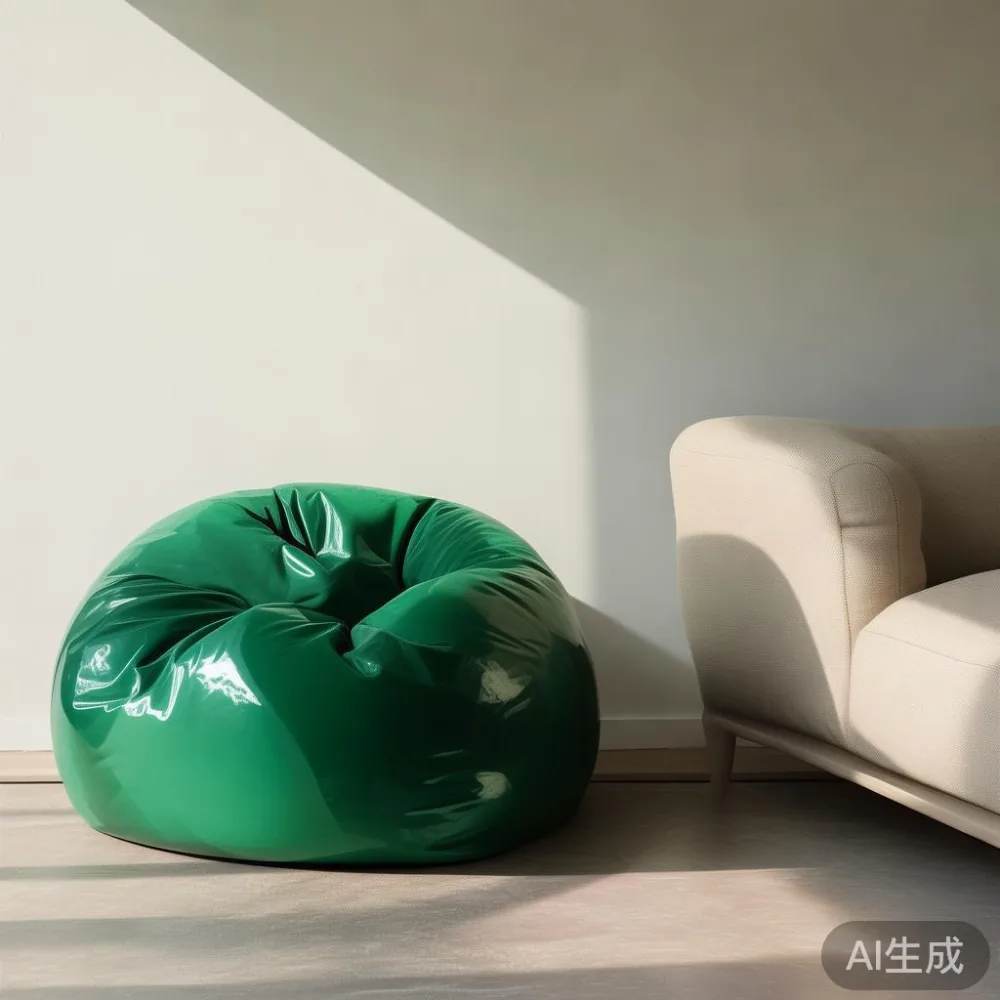
Over the following sections I will walk you through what lacquer actually does, why our 9-to-12 month monsoon window is uniquely punishing, and the small weekly habits that protect the sheen of a piece you have paid anywhere from S$1,800 for a nightstand to S$6,400 for a 2.4 m solid wood dining table. The principles below apply to every lacquered item in your HDB or condo, including a MIDHILL TV console in the living room, a wardrobe panel in the master bedroom, or even a small marble-top side table flanking the sofa.
What exactly is lacquer, and why does it react to tropical air?
Lacquer is a film finish, usually nitrocellulose, acid-catalysed acrylic, or a pre-catalysed conversion varnish, sprayed in four to seven coats and sanded between layers until the surface reflects light like still water. Unlike an oil finish that soaks into the grain, lacquer sits on top, building a 60 to 120 micron shell that catches and refracts light. That shell looks gorgeous on day one, but it is also semi-rigid. When the wood beneath it swells from humidity and contracts when the air-conditioner drops room humidity to 55 percent, the lacquer stretches and shrinks at a different rate. Over time, this mismatch creates micro-cracks, often called checking, which you may first notice near the corners of wardrobe doors or along the rounded edge of a dining table.
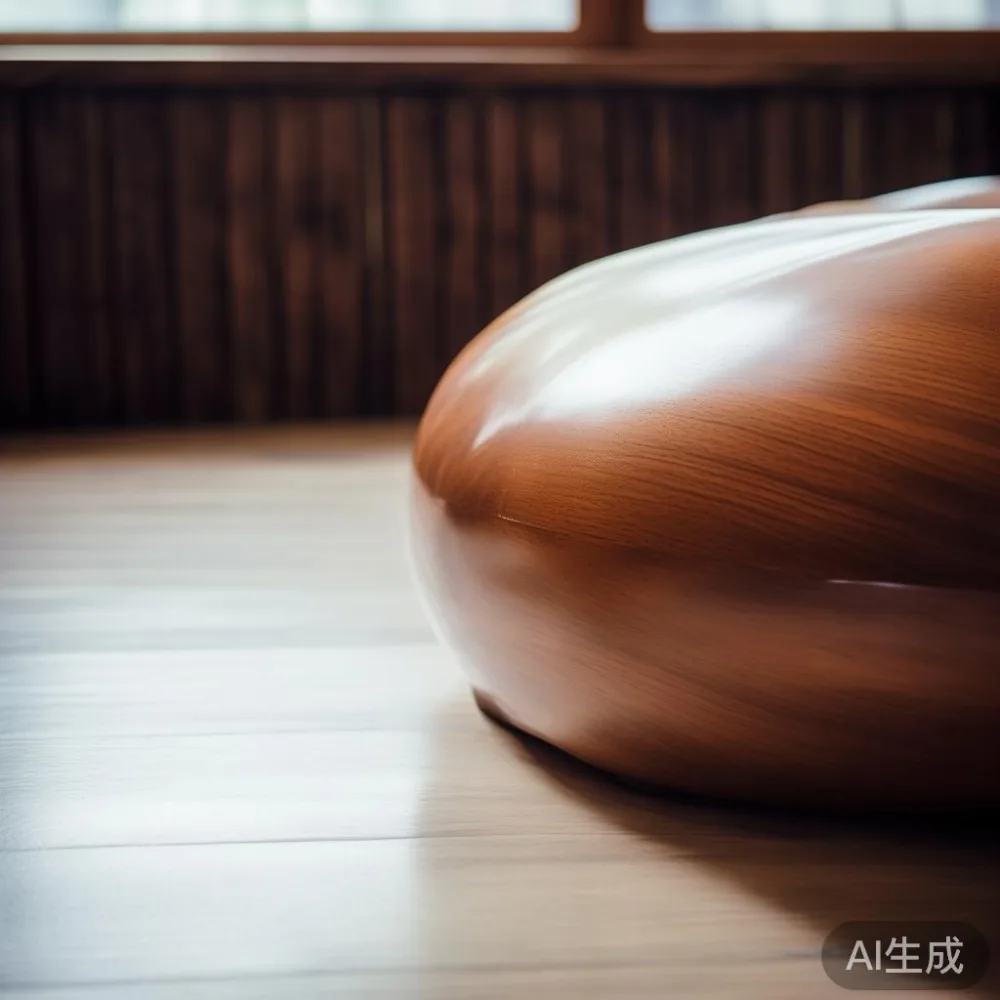
Singapore's average relative humidity sits at 82.5 percent according to the Meteorological Service Singapore. In a non-air-conditioned store lobby along Bedok Reservoir, I have measured 89 percent at 2 pm. In a Pasir Ris HDB with the windows cracked open overnight, bedside tables absorb enough moisture in eight hours to push their internal moisture content from 9 percent up to 13 percent. Lacquer tolerates movement of maybe 2 percent before it starts to protest. That narrow band is why your lacquered dining table looks perfect at 10 am and feels sticky by 6 pm if your dining area is not ventilated.
How often should I dust and wipe a lacquered dining table or bed frame?
Dust is the silent villain in any tropical interior. The same salt-laden air that fogs your windows also binds fine grit to a glossy surface. If you leave that grit for a week, every cloth swipe becomes a micro-sanding event. The 7-day rule is simple: wipe once, then wipe again. On day one, use a feather duster or a clean microfiber cloth (I prefer 320 gsm, sold in two-packs for about S$9 at any Tampines Mall hypermarket) to lift the loose particles. On day seven, follow with a second microfiber cloth lightly misted with distilled water and a pH-neutral wood soap, about 4 ml per 500 ml of water. Wipe in the direction of the grain, not against it, and never in circles. Circular motions are the fastest path to swirl marks under raking light from a corridor-down LED strip.
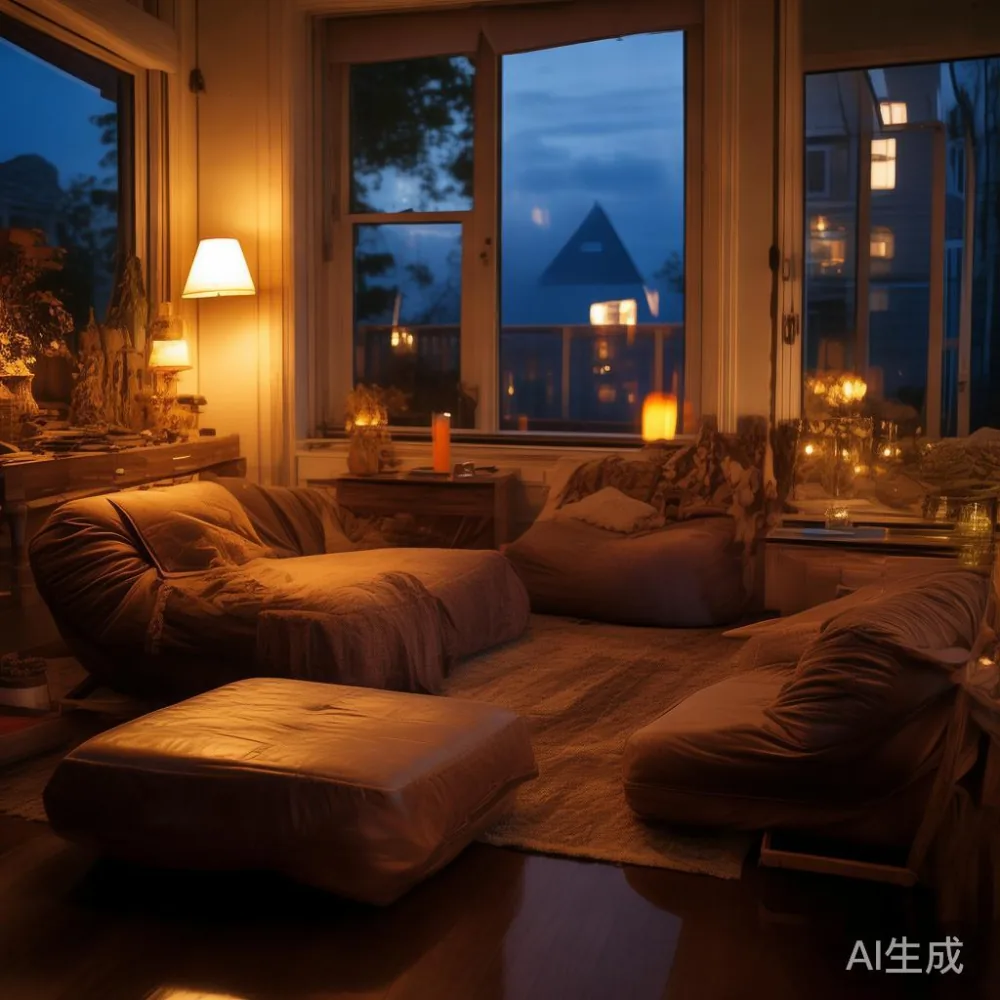
For households with children, pets, or a Bean bag chair sitting two metres from the dining area, you may want to wipe a third time per week. The microsuede or linen cover of a bean bag sheds tiny fibres that cling to nearby lacquer the way pollen clings to a car bonnet. I keep a 30 cm x 30 cm microfiber square folded next to the bean bag specifically for this reason; it takes eight seconds and prevents the coffee-table lacquer from turning cloudy within a quarter.
Which cleaning products actually work on a high-gloss surface?
Avoid anything that smells strongly of citrus, ammonia, or vinegar. These acids and alkalis will etch the lacquer in a single application, dulling the sheen within the first 10 to 15 seconds of contact. A furniture retailer along Jalan Kemajuan in Bukit Timah once showed me a dining table that lost 40 percent of its gloss in one weekend because the owner sprayed it with a commercial glass cleaner containing isopropyl alcohol. The damage looked like a permanent ring, and a refinisher quoted S$280 to sand and re-coat the affected 1.4 m² area.
Stick to three things: a pH-neutral wood soap concentrate (around S$18 for 500 ml), a wax-free paste made from beeswax and mineral oil if your manufacturer approves it, and distilled water. Distilled water matters because Singapore tap water contains 30 to 60 mg/L of total dissolved solids. Each drop that dries leaves a calcium speck that catches the afternoon light. A 5-litre jug of distilled water from Cold Storage costs about S$3.50 and lasts a typical four-seat household three to four months.
For fingerprint smudges on a lacquered wardrobe door near the lift lobby, a single drop of the same wood soap on a dry microfiber cloth is enough. Rub softly across the print, then buff with a second dry cloth. Resist the temptation to "polish harder"; extra pressure does not remove marks faster, it just compresses dust into the lacquer.
Can I leave a lacquered marble table or side table near the window?
Heat and UV are the second threat, after humidity. Direct sun through a west-facing condo balcony in Punggol can push the surface temperature of a dark walnut side table to 52°C by mid-afternoon. Lacquer softens around 45°C; once it crosses that line, a water glass left on the surface can leave a permanent white ring as it cools unevenly. UV exposure yellows nitrocellulose lacquer within six to nine months, turning what was a clear finish into a honey tone that looks deliberate but is, in fact, early degradation.
Two practical fixes. First, draw the sheer curtain whenever the room is unoccupied between 11 am and 4 pm. Second, if you cannot avoid a sun-facing position, request a UV-filtering window film (3M or equivalent, about S$18 per panel installed) which blocks 99 percent of UV-A at 380 nm. For furniture near floor-to-ceiling windows, rotate the piece 90° every three months so any yellowing distributes evenly instead of forming a hot patch.
If your dining table is paired with a smaller marble table used for serving, remember that marble is even less forgiving than lacquer. Marble and lacquer, however, share one enemy: acidic spills. Wipe wine, soy sauce, or calamansi juice within 60 seconds, or expect an etch mark in about four minutes.
How do I handle spills, water rings, and that mysterious white haze?
Water rings are the most common panic message in my inbox. Most are not true water damage, they are moisture trapped in the wax layer that old-school owners sometimes apply. Try this: lay a clean cotton cloth over the ring, place a warm iron (set to "silk," about 140°C) on the cloth for eight seconds, and let the moisture wick out. In seven out of ten cases I have tried this on customer pieces, the ring disappears entirely. If it does not, the ring is in the lacquer film itself and will require a professional re-coat, which a Singapore workshop typically charges between S$120 and S$220 per panel.
For fresh spills, blot, don't wipe. Wiping a spilled teh-O across a dining table drives the liquid sideways into the joint where the lacquer meets the timber end-grain. Blotting with a paper towel or a dry microfiber pulls the moisture straight up. Follow with a second pass using the diluted wood soap solution described above.
"White haze" from window cleaner or alcohol needs a different approach. Dampen a microfiber cloth with a 50/50 mix of distilled water and isopropyl alcohol, rub very lightly across the haze in one direction, then immediately buff dry. If haze persists beyond two passes, stop and call a refinisher; aggressive rubbing removes lacquer at roughly 3 microns per minute on a soft-sheen finish.
What about long-term care, warranty, and when to refinish?
A well-maintained lacquered piece in a Singapore home should hold its gloss for eight to twelve years before needing a full re-spray. The first signs that a refinish is due: visible checking under raking light, an orange-peel texture when you run your fingernail across the surface, or yellowing beyond a faint champagne tone. At that point, sanding the existing finish back to raw wood, re-staining if needed, and applying three to five fresh coats typically costs 25 to 35 percent of the price of a replacement piece. For a mid-range 2.0 m solid wood dining table retailing around S$4,200, expect a refinish quote of S$1,050 to S$1,470.
If your piece came with a structural warranty, keep the paperwork. MIDHILL, for instance, offers a 10-year structural warranty on its solid wood sofa frames, bed frames, dining tables, and wardrobes, and lifetime refinishing support for pieces purchased since its founding in 2008. Many owners in Tampines GreenRidges and at The Clearwater in Bedok have taken that refinishing route once in the life of the piece and brought the table back to showroom condition. Worth asking your own retailer whether a similar service exists before assuming a replacement is the only path.
Storage matters too. If you are renovating and need to keep a lacquered nightstand in a storeroom for two to four months, wrap it in breathable cotton rather than bubble wrap, which traps moisture and produces the very checking the wrap was meant to prevent. Slide a 25 mm layer of moisture-absorbing silica gel packets (about S$6 for a pack of ten) into each wrap, and you can leave the piece safely in a non-air-conditioned storeroom through an entire monsoon season.
Is it worth investing in light-luxury lacquered pieces in this climate?
Buyers who ask me about French light luxury or American light luxury post-modern light luxury collections often worry that the higher-gloss finishes these styles favour will not survive Singapore. The honest answer is that lacquer care here demands more discipline than in a temperate city, but the visual return is also stronger. Light-luxury pieces lean on reflection and subtle sheen, which match how Singapore interiors already use indirect cove lighting. The local design studios that curate these lines, particularly any reading the top 10 Modern light luxury furniture lists for 2025, tend to specify acid-catalysed or pre-catalysed conversion varnish rather than nitrocellulose. These harder finishes tolerate a 4 percent swing in timber moisture content, compared to the 1.5 to 2 percent tolerance of nitrocellulose.
If you are still choosing between a glossy American light luxury dining set and a softer Scandinavian line, there is a sensible middle path. Scandinavian for dining room sets often uses a matte oil finish that hides humidity checks exceptionally well and ages into a pleasing patina. If you want the high-sheen look, ask whether the maker can offer a post-modern light luxury gloss with a UV-resistant topcoat. The upcharge is usually 8 to 14 percent, about S$180 to S$420 on a S$3,000 dining table, and it roughly doubles the lifespan of the visible gloss.
Where does a bean bag fit into a tropical living room with lacquered pieces?
A bean bag is, in many Singapore flats, the most flexible piece in the room. You can move it 80 cm from the dining table for casual weekend reading, push it 60 cm from the bed frame at night, or stash it against the wardrobe during a dinner party. Because the cover is cotton, linen, or microsuede, the bean bag itself does not threaten nearby lacquer. The reverse, however, is true: a wet bean bag cover dragged across a lacquered dining chair seat will leave a tide mark within twenty minutes. Keep a small basket of dry cleaning cloths beside the bean bag, and you avoid nearly every accident the cover can cause.
For households with a designer light luxury furniture aesthetic, a structured bean bag in muted oat, clay, or charcoal can echo the post-modern light luxury palette without competing with the gloss. A designer Modern light luxury furniture layout often stages a bean bag opposite a low coffee table, allowing the lacquered tabletop to act as a quiet counterpoint to the soft volume of the bag. A final thought for anyone still researching a sofa, when comparing a MIDHILL TV console against lacquered alternatives, remember that a console sits at 45°C under direct sun within an hour, while the same console kept inside a cabinet for a TV stays near room temperature, roughly 24°C, year-round. That simple decision, where to anchor the electronics and the gloss, decides how often you will refinish anything in the next decade.