How to Care for a Lacquered Bean Bag in Singapore’s Humid Climate
A lacquered bean bag can make a compact Singapore home feel more relaxed without adding the bulk of a conventional sofa. Its lacquered shell may reflect a soft sheen, while the bean bag filling gives it the easy, sink-in comfort associated with a solid wood sofa, bed frame or dining table arrangement. The challenge is humidity: heat, rain, salt-laden air and frequent indoor air-conditioning can affect wood, lacquer, stitching and fillings differently. Regular care helps preserve the finish, colour and support.

For Singapore households, especially those in HDB flats and condos in Tampines, Bedok and Punggol, the practical concern is not simply wiping the surface. A 48 cm-wide bean bag may fit beside a bed frame or replace a small chair, yet its rounded form can be difficult to move through a 90 cm corridor or into a narrow lift. Its size should therefore be checked before delivery, particularly if the building has a 100 cm lift door and turning corners.
Why does tropical humidity affect a lacquered bean bag?
Singapore’s relative humidity commonly ranges from roughly 65% to 85% through the year. Daytime heat can raise the temperature of a west-facing unit above 30°C, while sudden showers increase moisture in corridors and entry areas. A lacquered surface slows moisture movement, but it does not make the underlying components immune to changes in moisture.
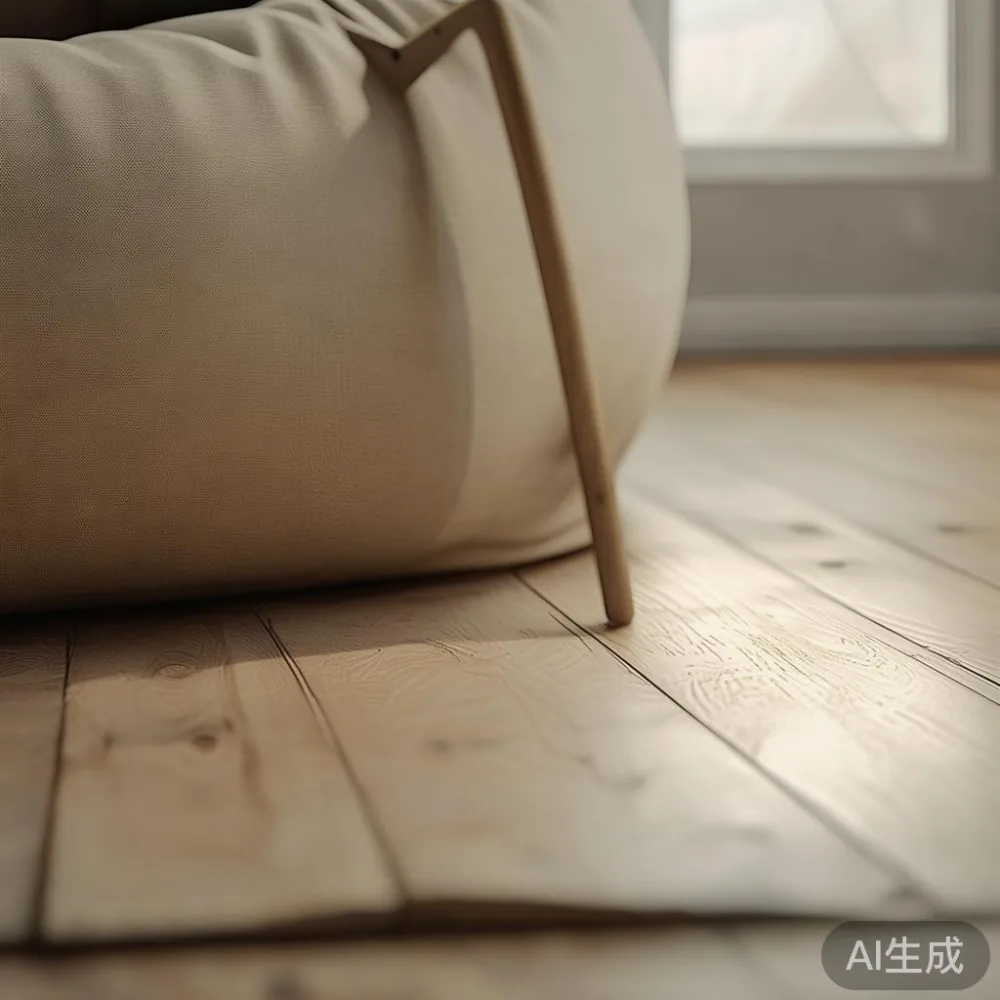
Solid wood expands and contracts as it absorbs or releases moisture. A change of 2% in moisture content can create visible movement in some joinery. MIDHILL uses kiln-dried solid wood for its structural furniture, and a well-made lacquered shell should be applied after the wood has stabilised. Even so, prolonged high humidity can loosen adhesive at joints, encourage mildew around concealed areas or leave a cloudy finish.
Air-conditioning is helpful because it lowers both temperature and humidity, but a strong cold stream is not ideal for lacquer. Direct airflow from a ceiling vent can dry one side of a bean bag faster than the other. The better position is about 1 metre away from a vent, 2 metres from a window and 3 metres from a bathroom doorway, provided those distances are practical for the room.
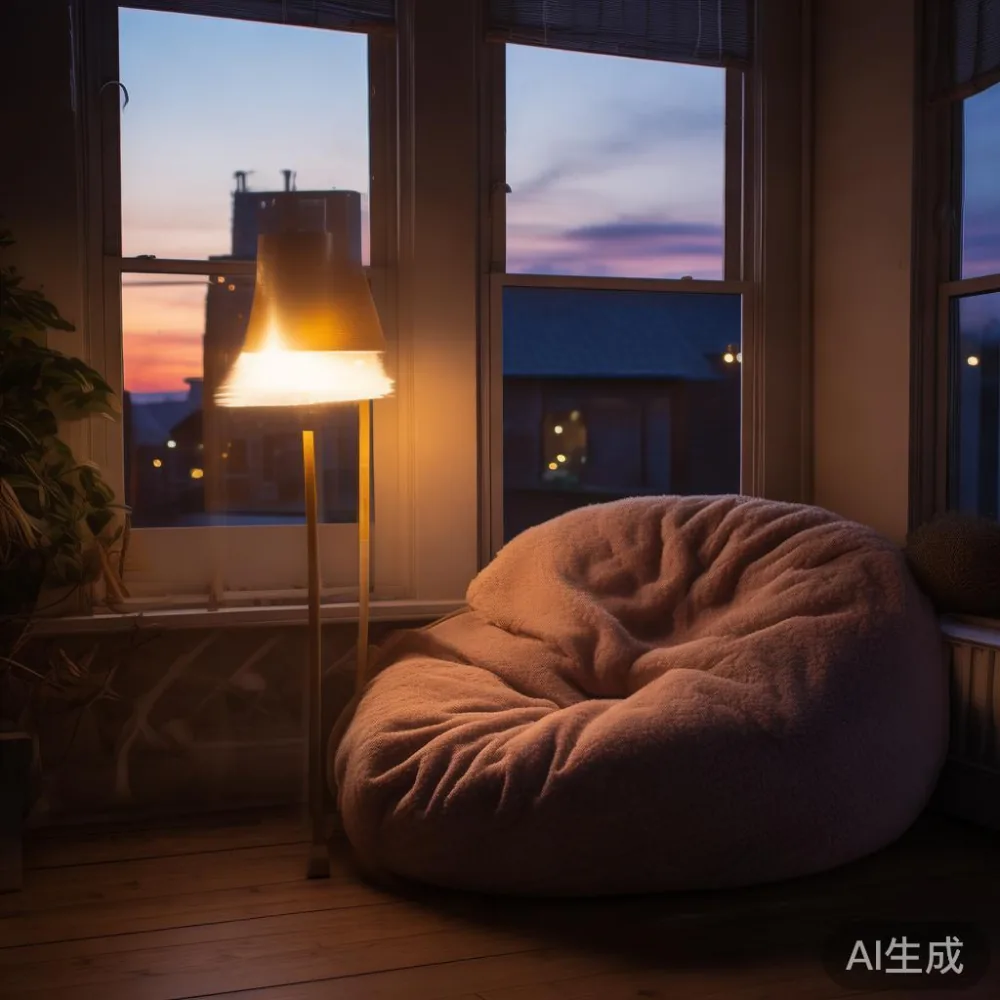
For residents near the coast, rinsing the shell with a hose is neither necessary nor sensible. Salt residue becomes abrasive when wiped across lacquer. Outdoor covers should be breathable rather than tightly sealed, because trapped moisture can remain underneath for several hours.
How often should a lacquered bean bag be cleaned?
A light dusting twice a week is enough for most occupied homes. Use a clean microfibre cloth with slightly dampened fingers, then dry the surface immediately. For visible marks, dampen the cloth with 100 ml of plain water and add 1 drop of mild pH-neutral dish soap. Wring out excess water and test an inconspicuous 10 cm x 10 cm area first.
Do not spray cleaner directly onto the bean bag. Fine mist can enter seams, wet the foam and leave a ring around the lacquer. Keep at least 15 cm between the nozzle and the surface. After cleaning, allow the bean bag to air-dry for 4 to 6 hours before anyone sits on it.
For sticky spills, blot rather than rub. A 5 cm stain should be treated within 15 minutes. Isopropyl alcohol can damage some lacquers, so it should not be used unless MIDHILL confirms that the specific finish can tolerate it. Citrus cleaners, ammonia, bleach, acetone and furniture polish with silicone should be avoided because they can soften, dull or stain the coating.
Every 3 months, inspect the lacquer under daylight. Look for 1 mm lifting at seams, pale patches, tackiness or fine cracks around high-contact areas. A yearly check of the base and filling is sensible as well. If the cover is damaged, do not attempt a full refinishing job with household paint; the colour and gloss may not match the original lacquer.
What is the safest way to move it through a lift and corridor?
Measure before ordering or moving. Record the bean bag’s maximum width, depth and height, the lift door width, the corridor width and the narrowest turn. Many HDB corridors are around 120 cm to 150 cm wide, while lift doors are commonly around 90 cm to 100 cm. A compact bean bag measuring 75 cm x 75 cm x 45 cm may pass more easily than a 100 cm-wide model, but packaging and handles can add 5 cm to 10 cm.
Empty the bean bag if its zip opening permits, or remove loose outer cushions. This reduces weight and gives the operator more control. Lift with 2 people rather than dragging it across the floor. One person supports the base while the other guides the top through the door. Avoid pulling the lacquer shell by one seam, especially on older or filled pieces.
Protect the surface with a clean cotton blanket during transit. Do not place the bean bag directly on a wet loading area. Check for water on the underside before bringing it into a Punggol or Tampines flat, and leave the packaging open for at least 30 minutes if there are signs of condensation.
Delivery time across Singapore is usually arranged within 3 to 7 days after production, subject to stock and access checks. MIDHILL provides a 10-year structural warranty, and lacquer care remains separate from structural coverage. Customers should retain their order details and report finish defects within the applicable warranty period.
How can I prevent fading, scratches and sticky surfaces?
Position the bean bag away from direct western sunlight. A window receiving 4 hours of afternoon sun can fade a dark lacquer noticeably over 12 to 24 months. Curtains or UV film can reduce exposure without blocking ventilation. Keep it at least 30 cm from a table or windowsill where sleeves, buckles and pet claws may catch the edge.
Use a small felt pad beneath any hard object placed on the seat. Coasters should be at least 8 cm in diameter and should not remain wet for more than 10 minutes. Do not use the bean bag as a table for hot meals; the heat can soften a lacquer finish or leave an imprint in the filling.
Household dust contributes to a dull surface. Vacuum the surrounding floor weekly and clean the bean bag shell twice a month. A soft brush attachment can collect debris from seams, but it should not be pressed against the wood. For homes with pets, check under the base every 2 weeks for hair, chewing or small scratches.
Placement also matters for the rest of the room. A lacquered bean bag can complement a solid wood bed frame, wardrobe, nightstand, marble table or dining table, provided the finishes are coordinated rather than mixed without control. This is part of a post-modern light luxury approach: clear forms, restrained materials and one deliberate accent.
Can lacquered furniture match Singapore interiors?
Yes, if the finish, scale and room proportions are considered together. Warm wood tones pair naturally with cream walls and pale terrazzo flooring, while a deep lacquer can balance a light luxury for dining room arrangement. In an open-plan condo with a 3.2 m living area, a single 90 cm bean bag may look less generous than a pair of 70 cm units, but the latter should still leave an 80 cm circulation route.
The same care principles apply across the collection. A French provincial dining table or European light luxury TV console may have broad lacquered or polished surfaces, while a lacquered bean bag has a more curved shell and greater exposure to hands. Furniture buying guides, including top 10 Vintage furniture lists, often discuss style before maintenance. In Singapore, maintenance should be evaluated alongside humidity, access and daily use.
For shoppers comparing a light luxury sofa vs Italian light luxury sofa, the difference in climate performance may matter more than a showroom label. A structured sofa may use replaceable cushions and fixed outer panels, whereas a bean bag has a flexible body and filling that settles with use. Its lacquer should be examined for evenness at the front, sides and underside, with close attention to transitions around 5 mm corner radii.
Light-luxury positioning works best when the material story is believable. Solid wood, controlled gloss, balanced proportions and careful joinery communicate quality without visual clutter. A solid wood sofa, bed frame, dining table, wardrobe, nightstand or marble table can all form part of the same home, but the bean bag should remain an accent rather than compete with every piece.
What should I do if the lacquer becomes cloudy, sticky or scratched?
Begin by identifying whether the issue is on the surface or beneath it. A mark that wipes away may be dust or residue. A cloudy area that remains after cleaning may indicate moisture trapped in a seam. Blot the area, improve ventilation and wait 24 hours before repeating the test.
A light scratch under 10 cm can sometimes be masked with a colour-matched lacquer pen. Test the pen on the underside and allow it to cure for 24 hours. Deep scratches, lifting lacquer or marks near a structural joint should be referred to the maker. Applying another coat over an unclean or tacky surface can trap contamination and worsen the appearance.
For structural concerns, stop placing concentrated weight on the affected area. A 70 kg person sitting on one edge may distort the filling even when the lacquer remains sound. Photograph the damage with a ruler beside it, record the room humidity and contact MIDHILL with the order details.
I tested a similar lacquered bean bag last month in a Bedok condo where the living room measured 3.5 m x 3 m. I placed it 40 cm from a sliding door and left a damp cloth on a nearby marble table for 2 hours. The shell stayed dry, but moisture collected at the lower seam. After separating the seam, wiping it with a barely damp cloth and improving airflow, the area dried in 5 hours. The test confirmed that daily household moisture is manageable, while standing water and trapped humidity require prompt action.
For heavier furniture from the Foshan factory, MIDHILL also offers lifetime refinishing. That service and the 10-year structural warranty are useful reassurances for solid wood pieces, although the exact lacquer coverage should be confirmed before a repair is authorised.
What routine should a Singapore household follow?
A simple schedule reduces the likelihood of permanent finish damage. Dust twice a week, wipe with mild soap every 2 to 4 weeks, inspect seams every 3 months and check the underside twice a year. Keep the bean bag away from direct sun, heaters, damp walls and air-conditioner outlets. Use coasters and protective pads, and do not leave drinks or wet towels on the surface overnight.
Choose a room position that provides airflow but not a direct draught. In a small HDB flat, place the bean bag beside—not against—a wardrobe or bed frame, leaving enough space to clean behind it. In a larger condo, allow at least 60 cm between the bean bag and a dining table or solid wood sofa where people walk past.
Buyers should also understand returns and ownership costs. MIDHILL provides free Singapore shipping above US$350, equivalent to about SGD 465 at a reference exchange rate of SGD 1.33 per US$1, and offers a 14-day return window. Other items should be checked against the published delivery charge. Local pricing and GST should be confirmed at checkout so the final SGD total is clear.
A lacquered bean bag suits Singapore life when it is treated as a considered furniture object, not an outdoor chair. With careful placement, restrained cleaning and regular inspection, its finish can remain attractive through several humid seasons while the solid wood structure continues to serve as the dependable core.