What Actually Drives the Price of Solid Wood Furniture?
When furnishing a new home in Singapore, the journey often begins with a simple search for the perfect piece. Whether it's a statement-making solid wood sofa for the living room or a sturdy bed frame for the master bedroom, the allure of solid wood is undeniable. It speaks of quality, longevity, and a connection to nature that other materials struggle to replicate. However, as you browse through options, you'll notice a vast price range. A dining table can cost SGD 800, while another might be priced at SGD 4,000. What creates this disparity? It’s not just a brand name or a pretty design. The price of solid wood furniture is a story told in the details of its materials, construction, craftsmanship, and even the logistics of getting it to your HDB flat in Tampines or your condo in Punggol.
Understanding the Raw Material: It's Not Just "Wood"
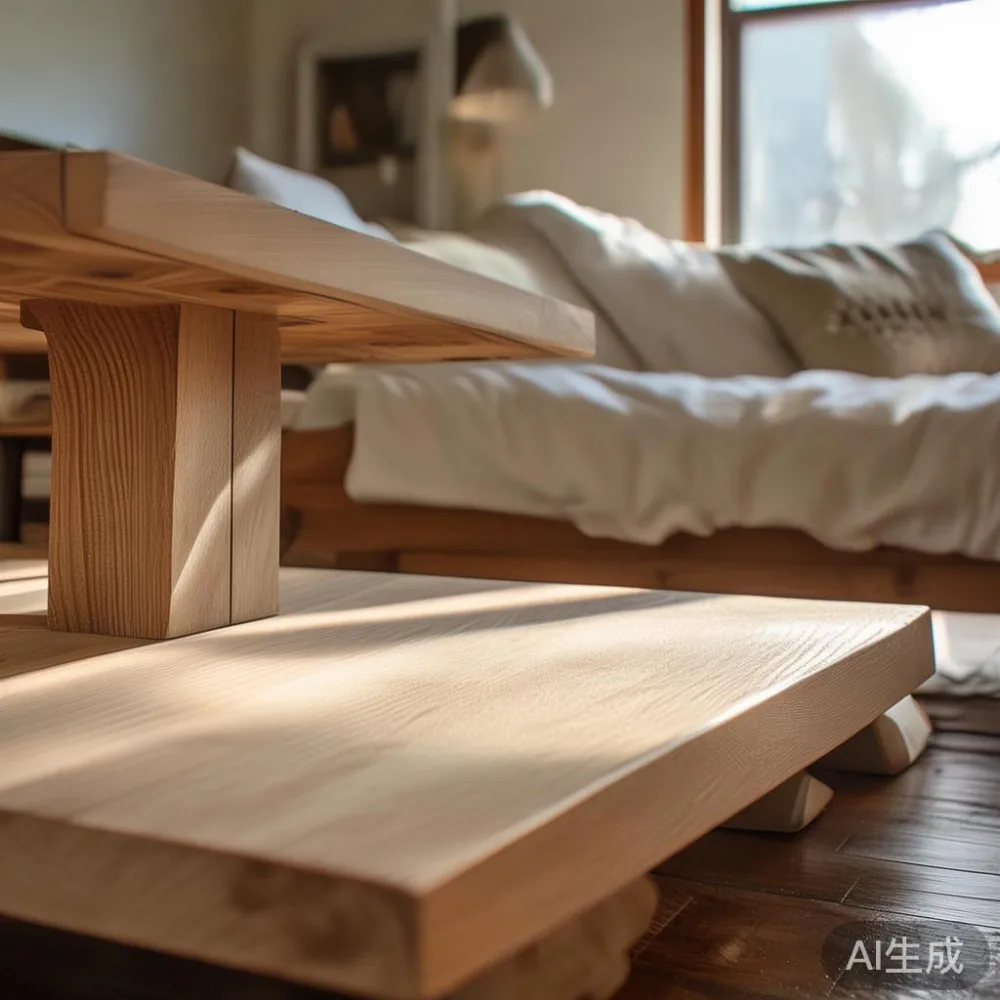
The single most significant factor in the price of any solid wood piece is the wood itself. The term "solid wood" is broad, encompassing dozens of species, each with unique characteristics. The price is determined by a combination of scarcity, durability, appearance, and origin. For instance, Teak, a tropical hardwood known for its exceptional durability and natural resistance to moisture and pests, is a premium choice. A solid wood dining table made from Burmese Teak can easily command a price of over SGD 3,500. In contrast, Rubberwood, a more readily available and sustainable hardwood, offers a beautiful grain at a fraction of the cost, with a similar dining table potentially starting around SGD 1,200. The origin also plays a role; a "Modern wood finish Thailand" often reflects the high-quality craftsmanship and material sourcing of that region, which can influence the final price point.
For those living in Singapore's humid climate, the choice of wood is particularly important. A wardrobe made from a wood that is prone to warping in high humidity will be a poor investment. This is why reputable manufacturers invest in kiln-drying their wood. Kiln-drying is a controlled process that reduces the wood's moisture content to a specific level (typically 6-8% for Singapore's climate), preventing it from cracking or warping over time. This step, though not visible in the final product, adds significant cost to the raw material and is a mark of quality that separates a long-lasting piece from a disposable one.

The Craftsmanship: Hand vs. Machine
Once the wood is selected, the process of turning it into furniture begins. This is where the human touch, or lack thereof, dramatically affects the price. High-end furniture, often categorized under French light luxury or American light luxury styles, relies heavily on skilled artisans. A hand-carved detail on the leg of a nightstand or hand-fitted dovetail joints on a drawer are hallmarks of superior craftsmanship. These techniques are time-consuming and require years of training, making them expensive. A post-modern light luxury bed frame with minimalist lines might seem simpler, but the precision required in its angled joinery and smooth finish demands expert-level skill.
Conversely, mass-produced furniture relies on automated machinery. CNC (Computer Numerical Control) machines can cut joints, carve patterns, and shape components with incredible speed and uniformity. While this makes furniture more affordable, it often lacks the character and subtle imperfections that give handcrafted pieces their soul. The difference is palpable when you run your hand over a solid wood surface; a hand-sanded piece feels warmer and more organic than one shaped by a machine. For a piece like a solid wood sofa, the quality of the joinery in the frame is paramount, and this is an area where craftsmanship directly impacts both the price and the lifespan of the furniture.
Hardware and Finishes: The Details That Define Durability
What holds a wardrobe together or allows a drawer to glide smoothly is just as important as the wood it's made from. The hardware—the hinges, drawer slides, knobs, and handles—are the unsung heroes of furniture longevity. Cheap, plated metal hardware will corrode, bend, or fail within a few years. High-end furniture uses solid brass or stainless steel hardware with a lifetime warranty. A full-extension drawer slide, for example, allows the drawer to be pulled out completely, making access to items at the back effortless. These components cost significantly more but ensure the piece functions perfectly for decades.
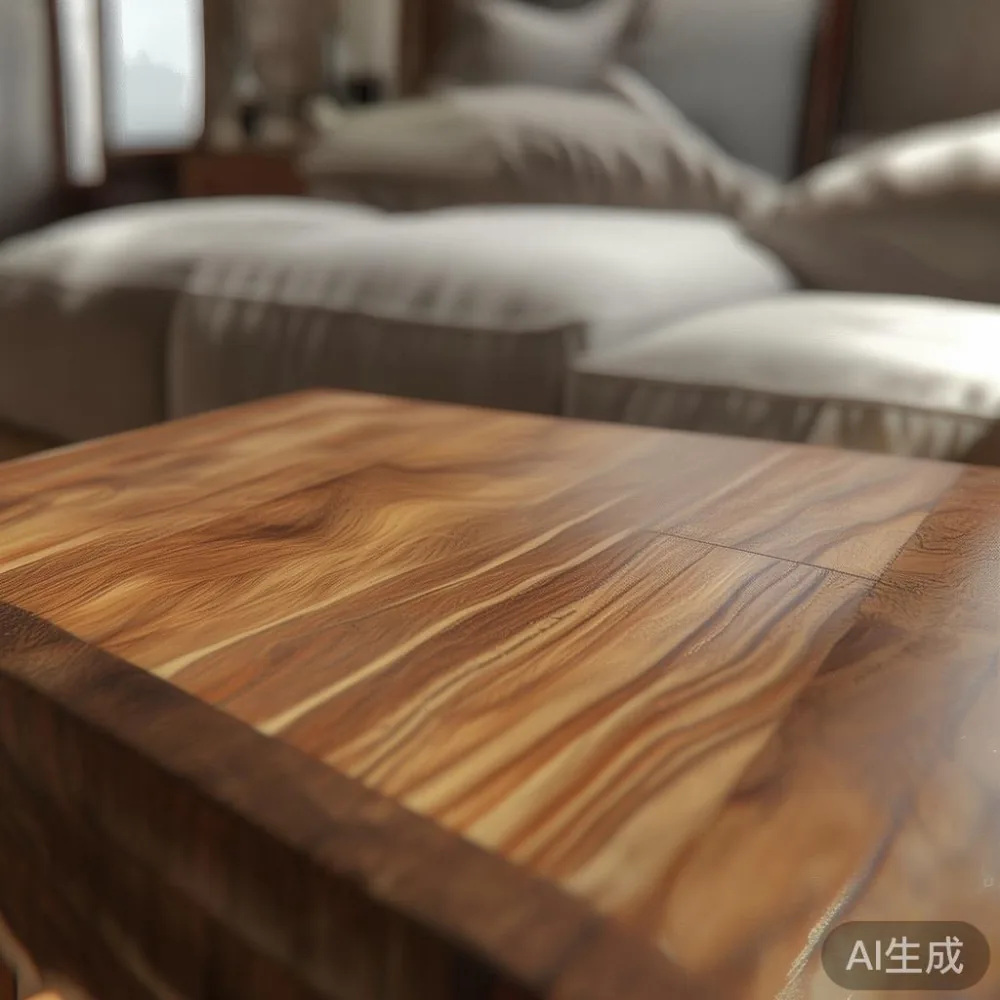
The finish is another critical detail. It’s not just about the colour; it’s about protection. A high-quality finish, whether it's a natural oil, a lacquer, or a varnish, protects the wood from scratches, stains, and UV light. A marble table top, for instance, requires a specific sealant to prevent etching from acidic substances. The application process is meticulous, often involving multiple sanding and coating steps. A poorly finished piece will look dull and worn quickly, while a superb finish will deepen the wood's beauty over time. This attention to detail in the final application is a key differentiator in the price of solid wood furniture.
How do I choose a wood finish for a condo?
The choice of wood finish for a Singapore condo is dictated by balancing aesthetic preference with practicality for the local environment. The ideal finish must protect the wood from the high humidity and intense sunlight that are common in Singapore, while also complementing the interior design of your living space.
For a condo with large windows in areas like Bedok or Punggol, where sunlight can be strong, a UV-protective lacquer is a wise choice. It prevents the wood from fading or yellowing over time. If you prefer a more natural, matte look, a hardwax oil finish is excellent. It penetrates the wood, enhancing its grain while allowing it to "breathe," which helps it adapt to humidity changes without cracking. For a lighter, airier feel in a smaller HDB flat, a white or light grey wash can make the space feel larger. The key is to choose a finish that is not only beautiful but also durable enough to withstand the specific conditions of your home.
Design, Brand, and Scale of Production
The design of a piece of furniture is a significant part of its price. A designer who creates an innovative, ergonomic shape for a solid wood sofa or a sculptural bed frame is licensing their intellectual property. This design cost is factored into the final price. Also, established brands with a reputation for quality, like MIDHILL, command a premium. This isn't just for the name; it's for the assurance of consistent quality, reliable customer service, and warranties that give you peace of mind.
The scale of production also plays a role. A small-batch, artisanal workshop producing 50 pieces a year will have higher per-unit costs than a large factory producing 5,000 pieces. The factory benefits from economies of scale, reducing the cost of materials, labour, and overhead. This is why you might see a similar-looking dining table at vastly different prices—one is likely from a small, bespoke workshop, while the other is from a large-scale manufacturer. The price reflects not just the object itself, but the entire philosophy and business model behind it.
The Hidden Costs: Logistics and Warranty
What you see on the price tag is only part of the story. The cost of logistics—sourcing materials, manufacturing, and shipping—is a massive component. A solid wood wardrobe is heavy and bulky, often weighing over 80 kg and requiring a large box. Shipping this from a workshop in Foshan to Singapore involves freight costs, customs duties, and handling. This is why many companies offer free shipping over a certain threshold, like SGD 350; it's a reflection of the high base cost of delivery. The physical dimensions are also a consideration; a piece that is too wide for a standard HDB lift corridor in Tampines might require special arrangements, adding to the delivery fee.
A truly valuable price includes a comprehensive warranty. A 10-year structural warranty, for example, is a promise that the frame of your bed or sofa will not fail. This covers the most critical and expensive part of the furniture. A lifetime refinishing warranty is an even stronger statement of confidence, assuring you that the piece can be restored to its original beauty decades down the line. These warranties are backed by the manufacturer's belief in their product's durability. My colleague last month visited a factory and saw their stress-testing lab where sofa frames are bent and twisted thousands of times to simulate decades of use. This rigorous testing ensures the product can withstand the rigours of daily life, and the warranty is the customer-facing proof of that quality.
Bean Bags and the Value Proposition of Solid Wood
It might seem odd to discuss solid wood furniture in the same breath as a bean bag, but they represent two different ends of the furniture value spectrum. A bean bag is an impulse purchase—a fun, temporary seating solution that is affordable and easy to replace. Its value is in its low cost and immediate gratification. Solid wood furniture, on the other hand, is an investment. It is the antithesis of disposable culture. You buy a solid wood dining table not just for its function, but for the legacy it represents—a piece that will be used by your family for generations.
This long-term perspective is where the true value of solid wood furniture is realized. While a bean bag might need to be replaced every few years, a well-made solid wood bed frame can last 30 years or more. When you amortize the initial cost over its lifespan, solid wood often proves to be the more economical choice. The price you pay upfront is for quality that endures. A bean bag offers a casual spot to sit, but a solid wood nightstand beside your bed offers a lifetime of service, its beauty deepening with age. The choice between them isn't just about price; it's about the kind of home you want to build and the values you want your furniture to represent.