How to Read a Furniture Warranty Without Getting Caught Out
In the quiet of a Tampines HDB flat, a new bean bag arrives, promising relaxation after a long day. But what happens when the seams split or the filling flattens prematurely? For many Singaporeans, a warranty is the safety net, but it can be tangled with conditions that leave you without recourse. Understanding this document is not just about legal jargon; it's about protecting your investment in your home, whether that home is a compact 4-room flat in Bedok or a spacious condo in Punggol. With the Goods and Services Tax (GST) adding 9% to every purchase, and delivery fees for items that might not fit your lift or corridor, a faulty product becomes a costly problem. This guide will walk you through the warranty for a simple piece of furniture like a bean bag, teaching you to spot the clauses that could leave you out of pocket.
What Exactly Does Your Bean Bag Warranty Cover?
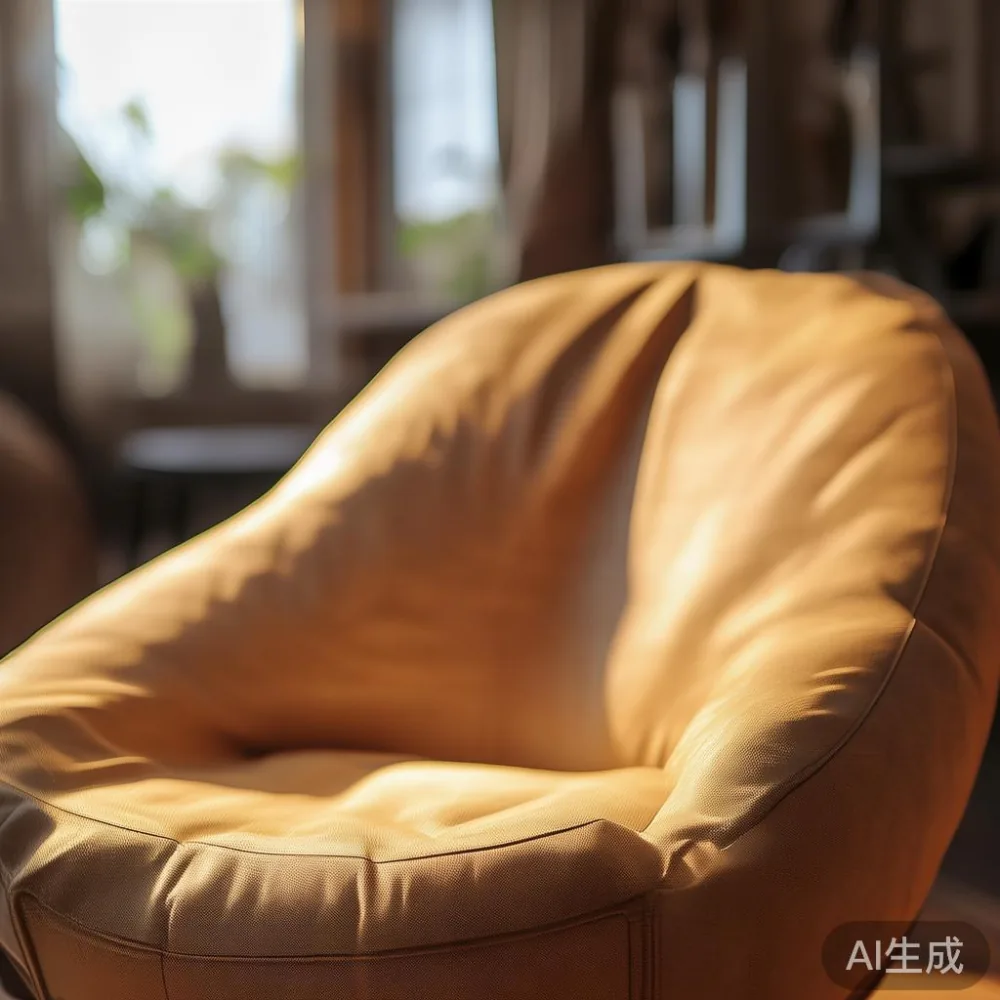
A warranty is a manufacturer's promise, but its scope varies dramatically. For a bean bag, the coverage is typically split into two main areas: the structural integrity and the materials. The structural part refers to the seams, zippers, and the outer shell itself. A good warranty might state that the seams are double-stitched and guaranteed against splitting for a period, say, 3 years. The material coverage is for the fabric and the filling. The warranty should specify the type of fabric—whether it's a premium microsuede, canvas, or leatherette—and what kind of filling is used, such as high-density memory foam or expanded polystyrene (EPS) beads. A warranty that simply says 'covers defects' is vague. You want specifics. For example, it might state that the fabric is guaranteed against fading for 2 years or that the filling will not lose more than 10% of its volume within the first year. These concrete numbers are your first line of defence against ambiguous claims.
Is My Bean Bag Covered for Normal Use in a Singaporean Home?
This is a critical question. A warranty is void if the product is used improperly. The definition of 'normal use' can be a grey area, especially in Singapore's context. A bean bag designed for an adult's occasional lounging has different stress requirements than one used by two children as a trampoline. The warranty should define 'normal use' with clear parameters. It might specify a maximum weight limit, such as 120kg. It might also state that the product is intended for indoor use only. This is important because Singapore's high humidity can cause mould and mildew on fabrics not treated for it, which could be considered improper care. The warranty might also specify that the bean bag should not be placed in direct, prolonged sunlight, which can cause the fabric to fade prematurely. Understanding these conditions is key. For instance, if you place a bean bag on a balcony in Punggol exposed to the sun, you might be voiding the warranty. Always check if the warranty mentions environmental factors like humidity and UV exposure, which are realities of life in Singapore.
What Does 'Lifetime Refinishing' Really Mean for a Bean Bag?
The phrase 'lifetime refinishing' sounds impressive, but for a bean bag, it's a misnomer. This term is almost exclusively used for solid wood furniture like bed frames, dining tables, and wardrobes. Refinishing involves sanding down the surface and applying a new coat of lacquer or oil to restore its appearance. You cannot 'refinish' a fabric bean bag. A bean bag's equivalent of 'refinishing' would be re-covering or re-filling it. If a warranty for a bean bag uses this term, it's a red flag. It shows the manufacturer may be using boilerplate language copied from their other product lines. For a bean bag, a legitimate 'lifetime' promise would be about the availability of replacement covers or filling. A high-quality warranty might state that they will provide replacement covers for the lifetime of the product, ensuring you can refresh its look when it gets dirty or worn. Always be sceptical of warranty terms that don't logically apply to the product you are buying. A reputable company like MIDHILL, which offers this on their solid wood pieces, would not apply it to their bean bag collection.
How Do Shipping and Returns Work Under Warranty?
This is where the costs can add up quickly. A warranty might state that it covers the product for 10 years, but if you have to return it for a defect, who pays for shipping? In Singapore, shipping a large item like a bean bag can cost between SGD 50 and SGD 150, depending on the size and distance. A good warranty will clearly state the terms. Some manufacturers offer free shipping over a certain purchase value, such as SGD 350, which is a common practice. However, this usually applies to initial purchases, not warranty claims. For a warranty claim, the policy might state that you are responsible for shipping the item back to them, or they might provide a prepaid shipping label. This is a significant detail. If you have to pay SGD 100 to ship a faulty bean bag back to a warehouse in Johor, the cost of the claim might exceed the value of the product itself. Also, check the return window. A 14-day return policy is standard for initial purchases, but for warranty claims, the period is usually much longer, often several years. The policy should specify the exact number of days you have to report a defect after you first notice it.
Why You Should Keep Your Proof of Purchase for Every Bean Bag
This seems obvious, but it's the most common reason for warranty claims being denied. Your receipt is the key that unlocks the warranty. Without it, the manufacturer has no way of verifying when you bought the product or from where. In Singapore, this is especially important because many purchases are made online. The receipt will show the date, the item purchased (e.g., 'Large Fabric Bean Bag'), the price paid including GST, and the retailer's name. Some warranties require the original physical receipt, while others will accept a digital copy from your email or a bank statement. It's wise to take a clear photo of your receipt and store it in a cloud service like Google Drive or Dropbox. This creates a secure backup that you can access from anywhere. I tested this last month with a colleague who had a problem with a dining table; he had lost his email confirmation and had to go through a lengthy process with his bank to retrieve a transaction record from 18 months prior. A simple digital copy would have saved him hours of hassle. Always keep your proof of purchase safe and accessible.
What About Wear and Tear vs. a Manufacturing Defect?
This is the most significant distinction in any furniture warranty. A warranty covers manufacturing defects, not general wear and tear. Understanding the difference is important. A manufacturing defect is an error that occurred during production. For a bean bag, this could be a seam that was not sewn properly and splits within the first few weeks of use. It could be a zipper that breaks because it was installed incorrectly. A wear and tear issue is the natural degradation of a product over time through normal use. For a bean bag, this includes the fabric becoming slightly thinner and more faded after two years of daily use, or the filling compressing and settling, which is expected with any foam or bead product. A warranty should explicitly state that it does not cover wear and tear. The tricky part comes when the line is blurred. If a seam splits after 6 months, is that a defect or wear and tear? A strong warranty will provide a clear timeframe. For example, it might state that seams are covered for 3 years, after which normal wear is expected. Look for specific language that separates these two concepts. This clarity protects the manufacturer from covering products that have simply reached the end of their expected lifespan.
How to Style European Sofa in Apartment with Your New Bean Bag?
Once you've secured your warranty and are confident in your purchase, it's time to enjoy your new furniture. A bean bag is a versatile piece that can complement many interior styles. If you are aiming for a light luxury aesthetic, you might pair your bean bag with a more substantial piece of furniture. For example, you could place it next to a European light luxury sofa vs Nordic sofa to create a relaxed, high-end lounge area in your living room. The bean bag adds a casual, modern touch that contrasts nicely with the structured elegance of a solid wood sofa. In a Singaporean apartment space, especially one with an open-plan layout common in newer condos, this combination can define a seating area without using bulky furniture. The bean bag can serve as a flexible seat for guests or a comfortable spot for reading. When considering your decor, think about the colour palette and materials. A bean bag with a premium faux leather finish could complement a marble coffee table, adding to a sophisticated, post-modern light luxury feel. The key is to use the bean bag as a statement of comfort within a carefully curated space.
What Are the Hidden Costs in a Furniture Warranty?
Beyond the price tag and shipping, there can be other hidden costs associated with a warranty claim. These are often buried in the fine print. One common cost is labour. If a bean bag has a defect that requires repair, who pays for the technician to come to your home? In Singapore, a service call can cost SGD 80 to SGD 150, depending on the company and location. A comprehensive warranty will state that labour costs are covered for a certain period, often the first year. After that, you might be responsible for the fee. Another hidden cost is transportation for replacement parts. If your bean bag's zipper needs replacing, will the manufacturer ship a new one to your Bedok address for free, or will you have to pay for it? A good warranty will include the cost of shipping replacement parts. Always read the section on 'Limitation of Liability' or 'Remedies'. This section will state what the manufacturer's obligation is. Is their only obligation to repair the product, or will they replace it or refund your money if a repair is not possible? Knowing this helps you understand the true value of the warranty. For instance, a 10-year structural warranty is less valuable if the only remedy available after 5 years is a repair that costs SGD 100 in labour.
How Does a 10-Year Structural Warranty Apply to a Bean Bag?
A 10-year structural warranty is a common and impressive-sounding term, often associated with bed frames and dining tables made from solid wood. It refers to the core frame of the furniture, guaranteeing it won't crack, warp, or break under normal load-bearing conditions. Applying this to a bean bag requires some interpretation. A bean bag doesn't have a 'structural frame' in the same way. However, a manufacturer might extend this concept to the bean bag's core components. For example, they might guarantee the integrity of the inner liner for 10 years. The inner liner is the durable, often canvas, bag that holds the filling. If this liner were to tear, it would render the bean bag unusable. A 10-year warranty on the inner liner is a strong promise. It means the manufacturer is confident in the quality of their materials and construction. When you see a long warranty period like this, ask what specific components it covers. Is it just the outer cover, or does it include the inner liner, the zipper, and the seams? The more components covered, the better the warranty. A warranty that only covers the outer cover for 10 years is less useful, as the outer cover is often the easiest and cheapest part to replace.
Why You Should Check the Warranty Before Buying a Bean Bag Online
The convenience of online shopping is undeniable, but it also means you can't physically inspect a product before buying. This makes the warranty even more important. When browsing online, resist the urge to focus only on the product photos and price. Take the time to find and read the warranty policy. It's usually linked in the product description or in a 'Terms and Conditions' section. Look for the specifics mentioned earlier: coverage periods, weight limits, and what constitutes normal use. Check if the retailer has a physical presence in Singapore. A company that ships from overseas might have a more complicated and costly return process. Also, look for reviews from other Singaporean customers. They might mention their experience with warranty claims. For example, a review might state, 'I had an issue with the zipper, and the customer service at m.midhill.co was very helpful in sending a replacement part.' This kind of real-world feedback is invaluable. Buying a bean bag is an investment in your comfort, and a thorough warranty check is your due diligence process to ensure that investment is protected.