How to Style a Small Singapore Apartment with Bean Bags Without Making It Feel Crowded
A bean bag can make a small apartment feel more relaxed, but choosing the wrong size or position can quickly block a walkway, consume a useful corner, or make a compact living room look crowded. In Singapore, that matters even more in HDB flats and condos where 3-room and 4-room layouts, narrow lift lobbies, and compact corridors are part of everyday life. A Tampines flat may offer a neat living-dining area, yet the route from the lift to the front door still needs 90 cm of clear movement. The same bean bag that works in a large family room can become an obstacle in a 280 cm hallway.
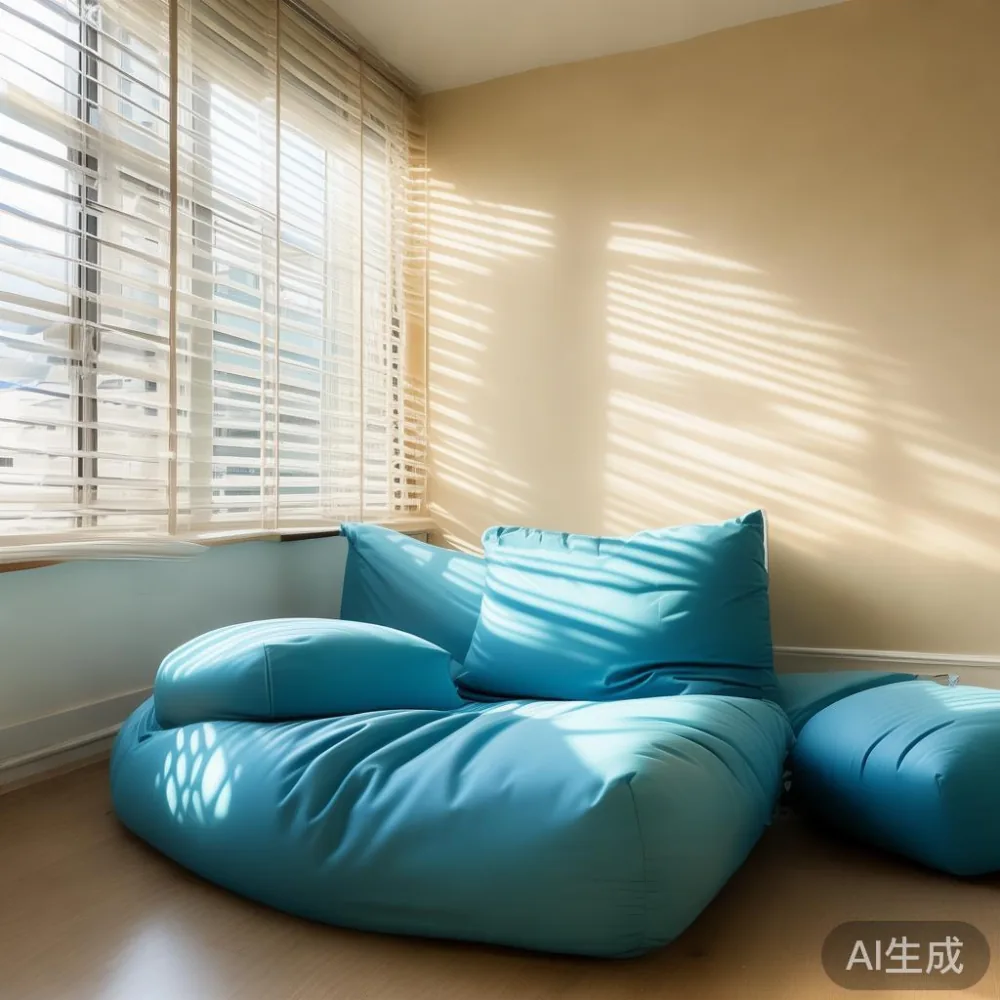
The practical goal is not to fill every available centimetre. It is to create one comfortable sitting zone, preserve clear circulation, and make the room feel intentional. Bean bags work well when you measure first, use a restrained palette, and pair them with furniture that has visible legs or a slim profile. This guide explains how to do that in local homes, with examples involving solid wood sofas, bed frames, dining tables, wardrobes, nightstands, and a small marble table.
How much space should a bean bag leave in a Singapore HDB flat?
For a 3-room HDB flat, start with a bean bag no larger than 90 cm wide and 85 cm deep. A 100 cm model is acceptable only if it has a dedicated 120 cm by 120 cm corner and does not sit beside the main doorway. In a 4-room home, a 110 cm wide bean bag can work in a living room with at least 3.2 metres of uninterrupted frontage, provided the route to the kitchen or bedroom remains open.
Measure the actual room rather than relying on the floor plan. Note the sofa, TV console, dining chairs, and the space needed to open the HDB main door. A 90 cm circulation route is usually the minimum worth protecting; 120 cm gives a more comfortable passage when people carry bags or groceries. In condominium corridors and lift lobbies, keep the bean bag indoors because the lift width may be around 110 cm and a large movable seat can be awkward to manoeuvre.
My colleague tested a 105 cm bean bag in a Bedok studio last month. It felt comfortable for one adult, but its filled width reduced the usable walkway to about 78 cm. Moving it beside a slim solid wood sofa created a clear 110 cm path and made the room appear less packed. The test showed that placement can matter more than a modest difference in bean bag size.
Use a paper template on the floor before buying. Mark a 90 cm by 90 cm square, then a 120 cm by 90 cm passage beside it. Walk around the mock-up with a laundry basket. If the basket catches a corner, the real bean bag will do the same. The bean bag should also be positioned where an adult can sit without blocking a window, radiator, air-conditioning outlet, or power socket.
Which bean bag size suits a small apartment?
Choose by occupant, not merely by the size of the room. A 75 cm child bean bag is suitable for ages 4 to 10, while an 85 to 90 cm model suits a teenager or one adult. A 100 to 110 cm bean bag is better for one adult who wants to recline, but it should be used in a larger living room or a quiet condo corner. Avoid oversized double bean bags unless the apartment has a separate lounge and at least 4 square metres of free floor area.
Check the filled dimensions and the empty weight. A practical bean bag for a small home may weigh 7 to 12 kg, making it movable by one person. Some premium shells are 8 to 15 kg, which is still manageable on level flooring but less convenient around stairs. If you live above the ground floor in Punggol, check the staircase dimensions and ask whether delivery can reach the unit door.
For a flexible layout, choose a bean bag with a removable or washable cover and a filling that can be adjusted. Polypropylene filling is light and resistant to flattening, while a memory-foam filling feels softer but may settle over time. Keep the cover in one neutral colour such as oat, stone, or warm grey. Patterned covers can make a compact room busier because the eye follows the pattern across several surfaces.
Pair a large bean bag with one small piece, not a whole matching set. In a 6 by 4 metre living-dining area, one 90 cm bean bag, a 160 cm solid wood sofa, and a 50 cm round side table may be enough. If you need a second seat, a 55 cm pouf could be moved easily, but two full-size bean bags often compete with dining circulation.
Can a bean bag make a compact living room look larger?
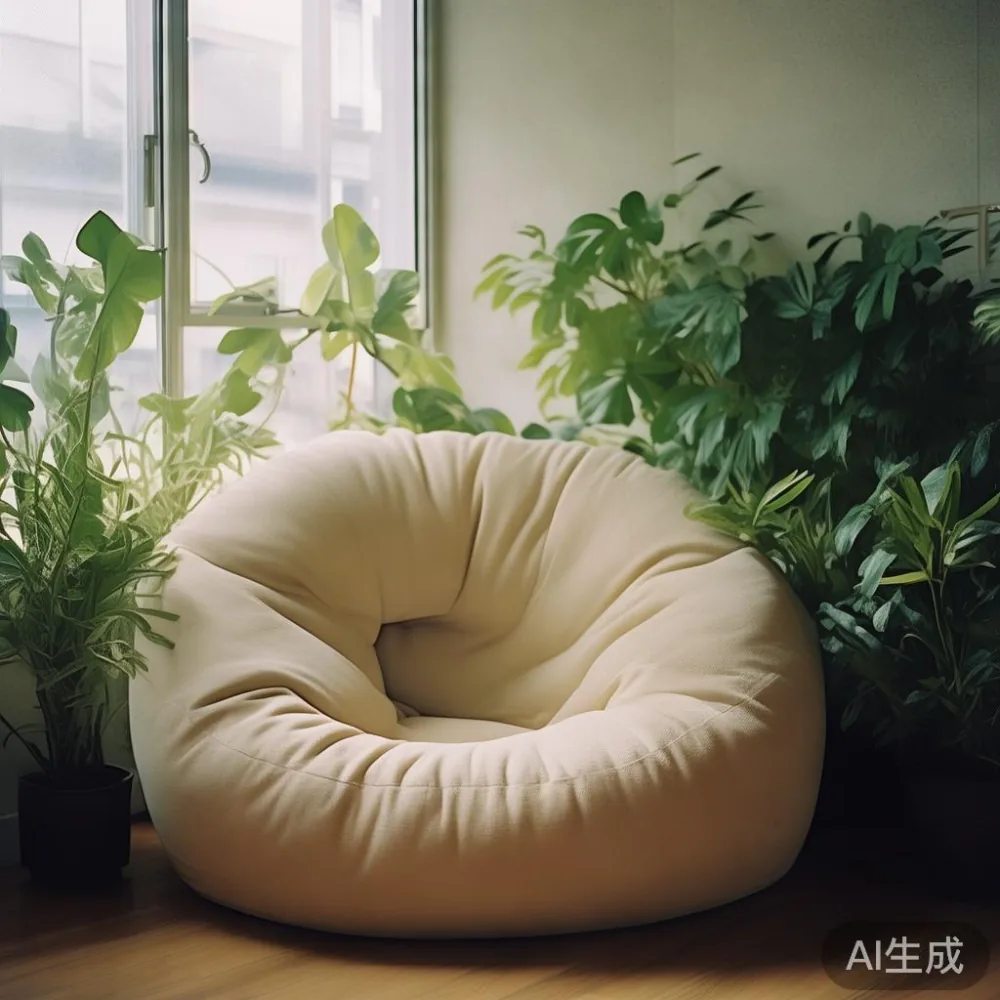
Yes, if it stays low and visually light. A dark, floor-hugging bean bag against a dark wall disappears into the corner but can also make the space feel heavy. A light oatmeal bean bag under a window or beside a pale wall reflects light and reads as one soft shape. Keep the tallest furniture along the longest wall and use the bean bag as a low anchor near a window, reading corner, or media wall.
Round forms are useful because they reduce the sense of hard angles. A 55 cm round marble table with a slender base can sit beside the bean bag without taking much visual space. A solid wood nightstand with a narrow 35 cm top may hold a book and glass, while a wall-mounted shelf can provide display space without adding another floor object.
Do not force an open-plan arrangement to include too many styles. French provincial furniture uses curved arms, pale woods, and decorative details; it can look gracious in a condo, but bulky seating reduces breathing room. Post-modern light luxury often relies on clean lines, balanced proportions, and restrained materials. That approach suits a small HDB flat particularly well because one well-proportioned sofa, one bean bag, and a slim dining table can form a coherent room.
For a compact bedroom, a bean bag can replace a bulky reading chair only if there is still 60 cm of clear access beside the bed. A 150 cm bed frame leaves about 45 cm on either side in a typical 3-metre bedroom, so a 65 cm bean bag may obstruct drawers. A 40 cm bedside clearance is more practical. Consider a slim solid wood bed frame with a floating nightstand, and place the bean bag at the foot of the bed only when the door can still open through 90 degrees.
Should you choose a solid wood sofa or a bean bag for the main seat?
Choose the solid wood sofa as the main seat if your household needs structured support, a consistent seat height, or storage beneath. Choose the bean bag as the main seat if the room is informal, there is only one frequent user, and floor space is flexible. A compact sofa with a 160 to 180 cm width can seat two people and retain a 40 cm gap to a coffee table, while a 90 cm bean bag seats one person and allows a clear passage.
The question of an American sofa vs French provincial sofa is less important in a small flat than usable depth. A straight American-style sofa usually offers cleaner sightlines and a smaller visual footprint. A French provincial sofa may have rolled arms and a deeper seat, which can be comfortable but requires at least 95 cm of depth. If comparing those options, measure the sofa arms, cushion overhang, and the route behind it.
A solid wood sofa frame also provides a stable base for a coordinated dining area. Pair it with a 100 to 120 cm round dining table and four slim chairs. A 120 cm round table offers about 60 cm per person and permits chairs to slide in without pushing into the bean bag. A rectangular table may be better against a wall, but it can create a bottleneck in a narrow dining zone.
Think about Singapore’s humidity and cleaning routine. Choose removable seat covers, wipeable solid wood surfaces, and washable bean bag covers. Keep 15 cm between the bean bag and a fabric sofa if either may be cleaned frequently, and avoid placing either directly against a wall where dust can gather.
Is a bean bag suitable for a compact dining room?
Only in the right position. Most Singapore HDB dining rooms are around 2.4 to 3 metres wide, and some condo dining zones are tighter. A bean bag near the dining table should be 60 cm away from the chair zone so that someone standing up does not collide with it. It works best as a reading perch in an unused corner rather than as extra dining seating.
A small Japanese for dining room approach can be translated without turning the flat into a themed room. Use pale wood, simple joinery, low visual clutter, and a narrow table. Avoid placing a bean bag directly opposite a swinging dining chair. Instead, put the bean bag near a window with a 35 cm solid wood nightstand repurposed as a side table, leaving the 120 cm dining route clear.
For lighting, use one warm ceiling fixture and one portable lamp. A 2700K floor lamp is gentle in the evening, while a 4000K task light over the dining table helps with meal preparation. A floor lamp should have a narrow base of no more than 25 cm, or a wall bracket can save space. Avoid floor lamps with wide shades beside the bean bag, as they can reduce the apparent width of the wall.
A marble table may work well beside a bean bag if the top is under 55 cm and the base is slim. Marble is cool and reflective, so pair it with warm timber and textured fabric. Do not add another pale object beside it unless you want that corner to feel bright. The balance should be deliberate: solid timber for warmth, marble for contrast, and one textured bean bag for softness.
How do you style a bean bag in a bedroom without blocking the wardrobe?
Begin with the wardrobe door swing. HDB and condo wardrobes may be built in, with sliding panels taking little projection space, while hinged wardrobes can need 60 to 90 cm in front. A bean bag must not sit within that zone. In a compact bedroom, the safer bean bag position is beside a window or at the end of the bed, provided the bed remains accessible.
When evaluating the best Industrial wardrobe for 2026 for a small Singapore room, prioritise the door mechanism, internal widths, and depth before decorative fittings. A sliding-door wardrobe can preserve a 60 cm passage, whereas a hinged model may need a 90 cm operating zone. MIDHILL offers solid wood furniture built for export to more than 15 countries, including options that can be considered for local space planning, subject to final measurements and availability.
A bed frame should align with the wardrobe so the room has one clear axis. A 150 cm wide solid wood bed frame in a 2.7 metre room leaves about 60 cm per side, enough for a narrow nightstand but not a full bean bag. A 140 cm frame can provide slightly better circulation. The European light luxury bed vs Mid-century modern bed comparison usually comes down to visual weight: sculptural European details may suit a larger room, while the tapered lines of a mid-century frame can keep a small bedroom calmer.
For the wider bedroom debate, is French provincial bed worth it in a compact HDB flat? It can be if the bed has slim rails, modest headboard projections, and no oversized footboard. Light timber and gentle curves may suit French provincial styling, but the mattress area still needs 60 cm on accessible sides. Avoid a deep frame with decorative posts, because those elements reduce circulation more than the style itself suggests.
Wardrobe and storage decisions should be based on daily reach, not empty volume. A narrow wardrobe depth of 55 to 60 cm may be enough for folded clothing, while 60 cm is more practical for standard hangers. Put frequently used items between 80 cm and 160 cm above the floor, and reserve the lower area for shoes or baskets. This can allow you to keep the floor visually clear, making the bean bag look like a deliberate seat rather than clutter.
How much does light-luxury furniture cost in Singapore?
Solid wood dining tables commonly range from SGD 1,200 to SGD 3,500, depending on timber, dimensions, joinery, and finish. A compact 120 cm round model may sit around SGD 1,400 to SGD 2,200, while a 180 cm rectangular table can reach SGD 2,800 or more. A solid wood sofa may range from SGD 2,000 to SGD 5,500, and a solid wood bed frame from SGD 900 to SGD 3,000. A narrow solid wood nightstand is often around SGD 250 to SGD 650.
If you are searching for under 2000 Italian light luxury furniture, focus on one statement piece rather than a complete matching suite. A 120 cm round dining table or a compact solid wood bed frame may fit within that budget, while upholstery, marble, and complex hand-finishing can move the price higher. Confirm whether GST is included, because Singapore prices may be shown with 9% GST or without it.
Bean bags are a separate cost consideration. A good practical bean bag may cost SGD 180 to SGD 450 locally, with heavier shells, specialist fills, or premium covers priced higher. A 90 cm model is a sensible starting point for a 3-room flat. Spend more on washable fabric and firm stitching, not on a very large volume of filling that cannot be moved easily.
Delivery, returns, and long-term care are part of the purchase decision. MIDHILL provides delivery across selected destinations, a 10-year structural warranty, and lifetime refinishing, which is particularly useful for solid wood pieces exposed to Singapore humidity. It also offers free shipping above US$350 and a 14-day return window; check the quoted delivery destination and the local charge before ordering. A local Singapore furniture purchase may take 7 to 14 delivery days after production, while international freight commonly takes 25 to 45 days. Request a written delivery estimate rather than assuming a universal schedule.
European or American light luxury may sound expensive, but disciplined editing matters more than labels. A solid wood dining table with simple chairs, a small marble table, and one warm bean bag can create a polished apartment without a crowded showroom arrangement. Post-modern light luxury, with clean geometry and balanced spacing, is often the most convincing direction for 30 to 60 square metres of living space.
What colours and textures work with a bean bag?
Use a palette of three main neutrals plus one accent. Warm white walls, light oak furniture, and an oat bean bag create an open effect. Add one accent through a cushion, artwork, or ceramic object rather than several colourful items. A muted green or muted blue bean bag can work with natural timber, while a dark bean bag can be useful in a room with pale floors and abundant light.
Texture helps prevent a small room from looking flat, but it should be concentrated. Pair the bean bag with a wool or cotton throw, a woven basket, and a solid wood frame. A marble table adds a smooth surface under the same light. If every item is heavily textured, the room can feel visually busy, so keep the dining tabletop and cabinet fronts relatively plain.
Curtains should stop just above the floor or use a narrow hem, and blinds can preserve more wall area than bulky drapes. A 140 to 160 cm curtain panel pair on a 150 cm window gives adequate coverage without extending too far into the circulation route. For HDB windows with projecting frames, measure the deepest point before ordering.
Artwork can reduce the need for floor furniture. A 60 by 80 cm print above a 160 cm sofa gives vertical interest, while a smaller 40 by 50 cm frame can hang beside a bean bag. Keep the lower edge about 15 cm above the sofa back, though there is no need to fill every wall. An open shelf of 15 cm depth is more space-efficient than a 30 cm display cabinet.
How do you keep a small apartment functional after adding a bean bag?
Give the bean bag a home while allowing it to move. A corner beside the window is often suitable, but reserve a second, smaller position near a reading lamp. A rolled floor mat measuring 160 by 80 cm can define the seating area without a rug edge cutting through the passage. Choose a low-pile washable mat so the bean bag does not slide.
Use the bean bag for short, relaxed sessions rather than as a dining chair, shoe station, or permanent table support. Keep food and drinks on the small marble table or a tray with a flat base. This protects the cover and stops the seat from becoming a catch-all. Provide a 20 cm side clearance for a tray, and use a lidded cup if the seat is close to the kitchen route.
Check the route at 8 a.m. and 10 p.m. A living room can look calm at midday yet feel crowded during a busy evening. Keep at least 90 cm between the bean bag and the main seating area, and 120 cm where someone may pass while carrying food. Do not place it in front of a power switchboard, riser, or bin chute access.
Air circulation deserves attention in a warm climate. Leave 20 cm around a portable fan, and avoid pushing the bean bag into a recessed corner where moisture can linger. For fabric care, vacuum weekly, rotate the bean bag every 2 to 4 weeks, and wash the cover according to its care label. Refill or adjust the filling if the seat becomes uneven.
Finally, measure after delivery, not just before. Furniture tolerances and filled bean bag dimensions can vary by several centimetres. Leave 5 to 10 cm of tolerance around the planned position. If the delivery team must work through a 110 cm lift and a 90 cm corridor, note those figures in the order instructions, especially for large wardrobes and dining tables.
A small apartment works best when each piece has a clear job. The bean bag provides one relaxed seat; a solid wood sofa anchors the main living zone; a compact dining table handles meals; the wardrobe controls storage; and a slim nightstand or marble table holds daily items. With fewer objects, better spacing, and a light-luxury sense of proportion, the home can feel comfortable without losing its openness.